Loading video…


 30 Concepts
 9.7K views

Video Summary: Compartment Model Approaches for Pharmacokinetic Data
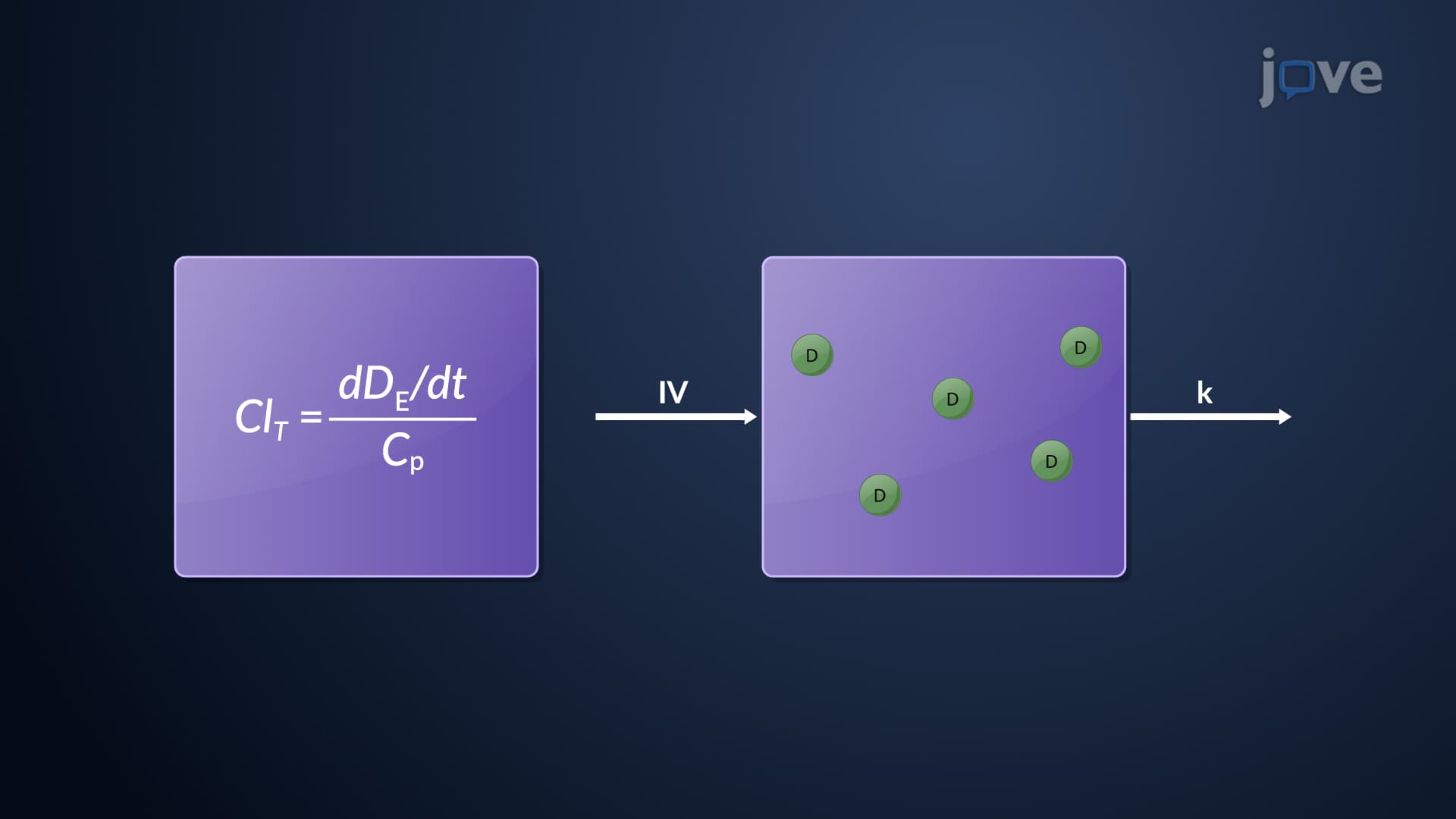
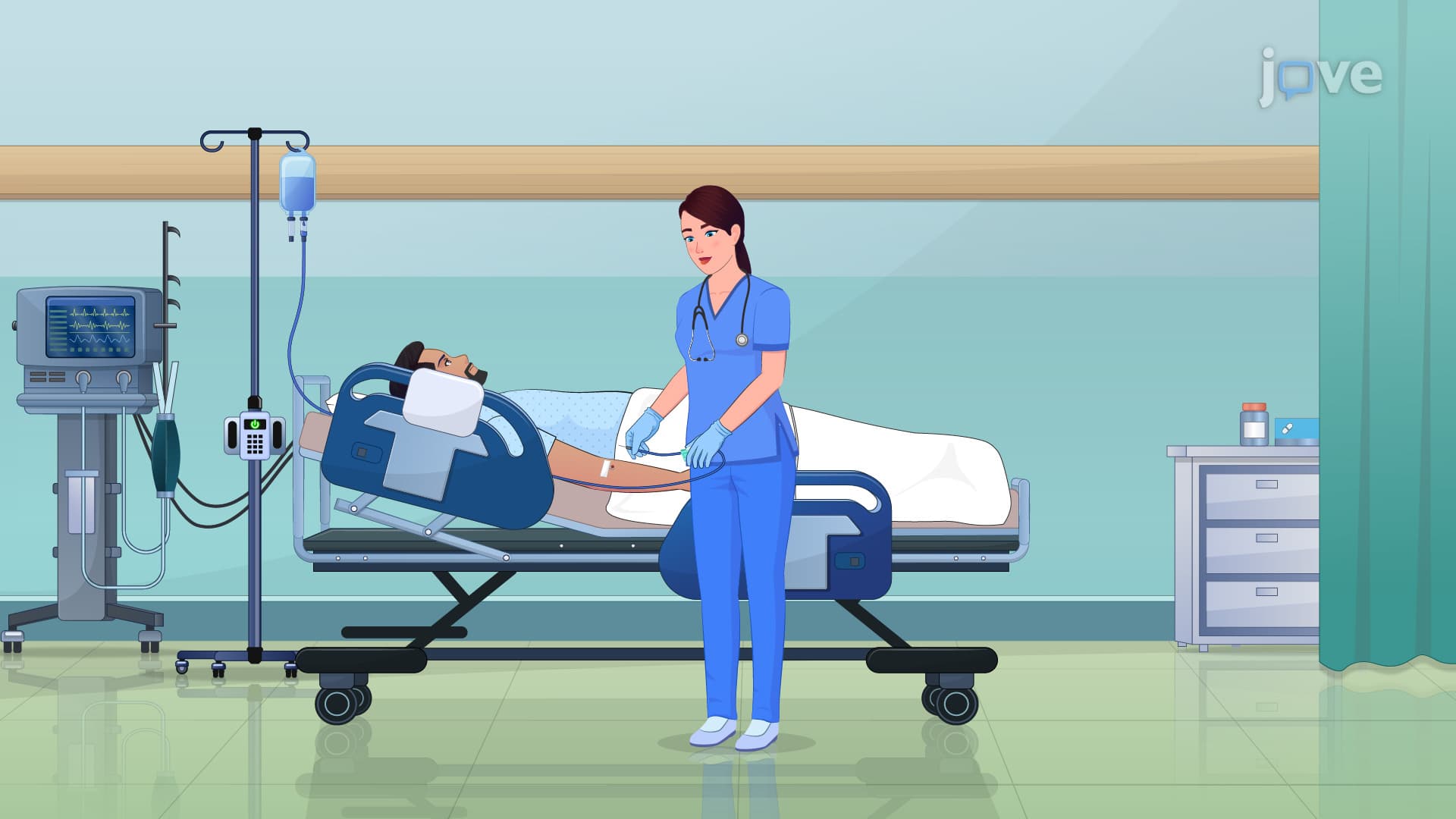
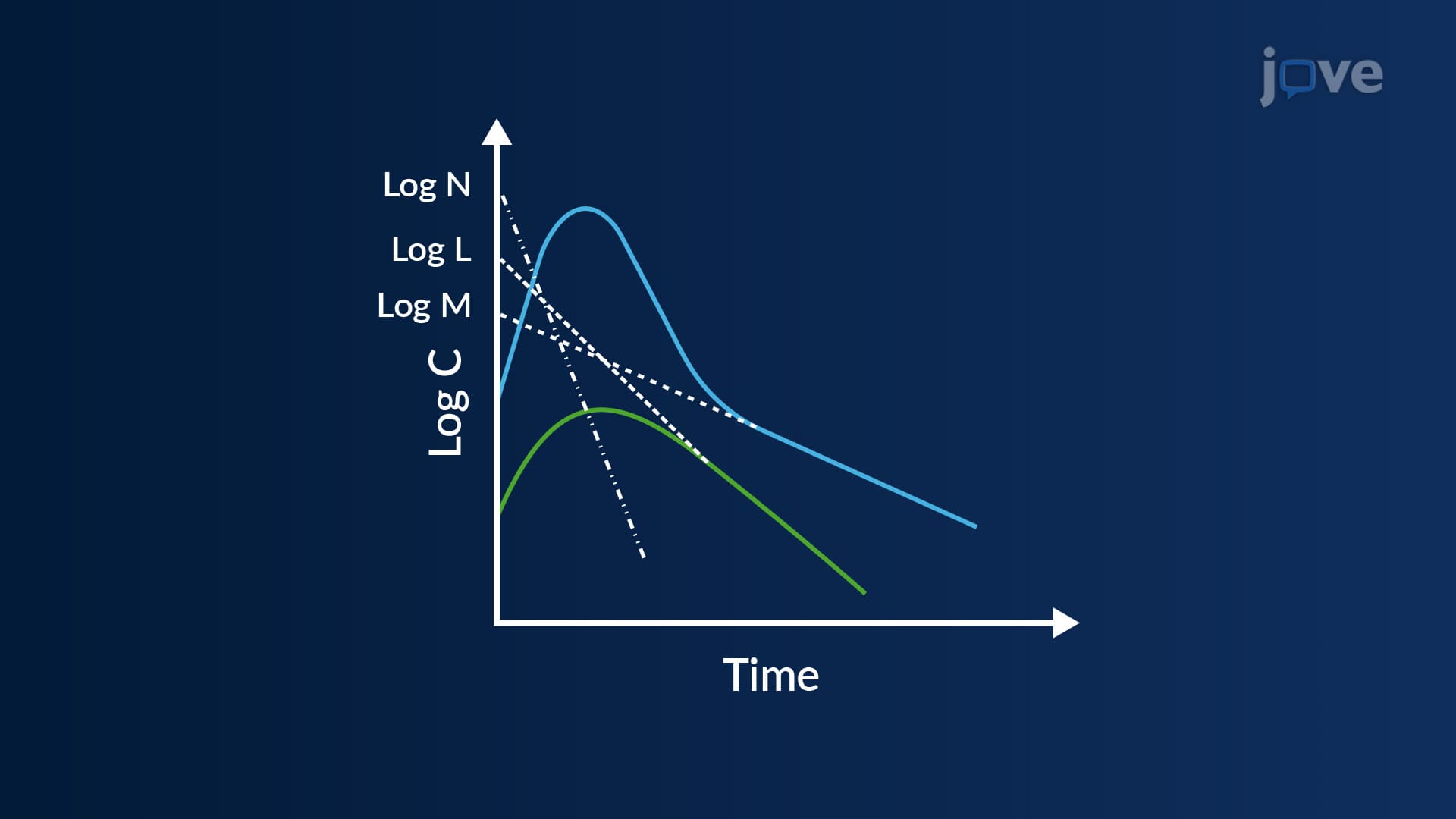
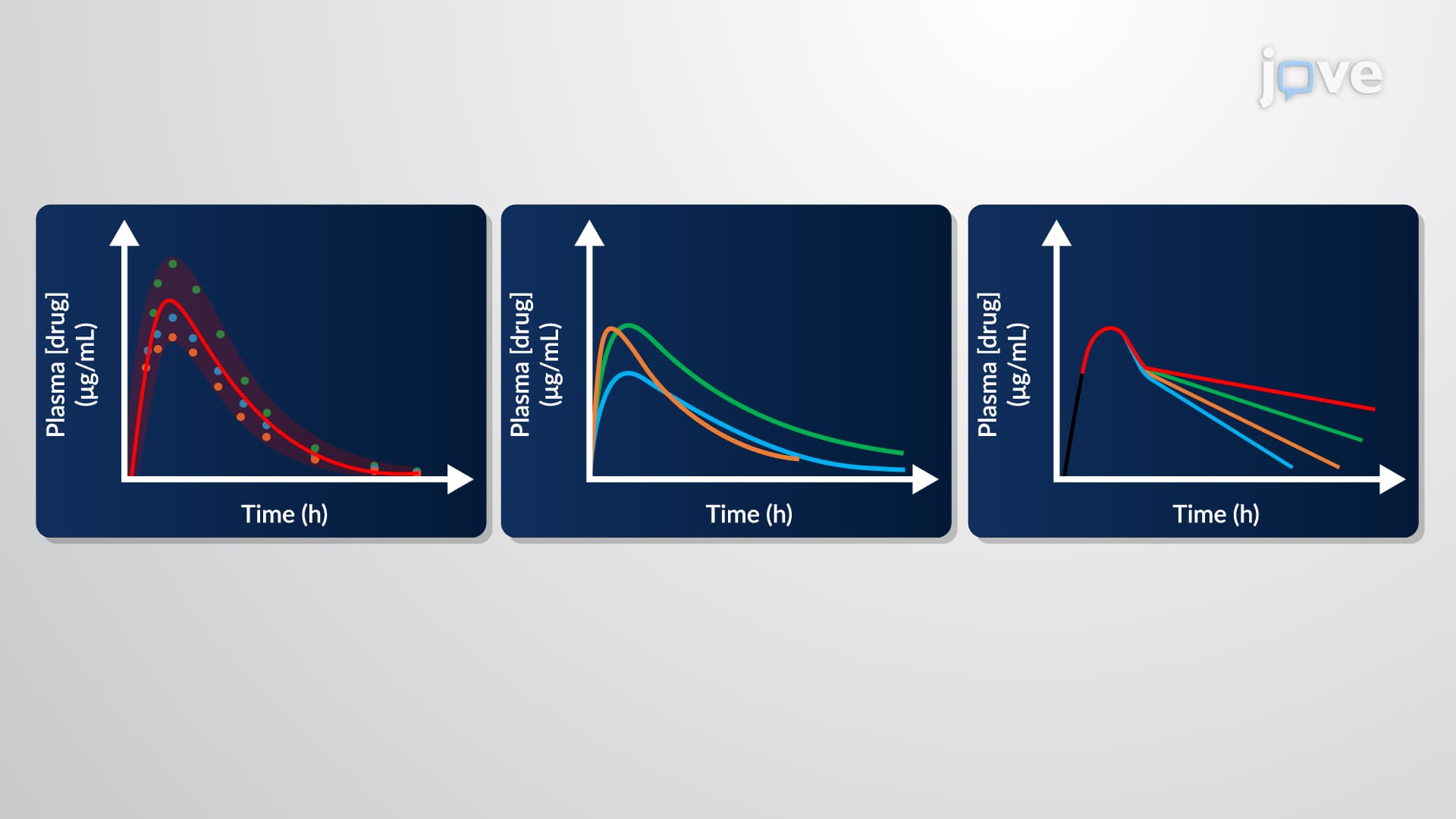
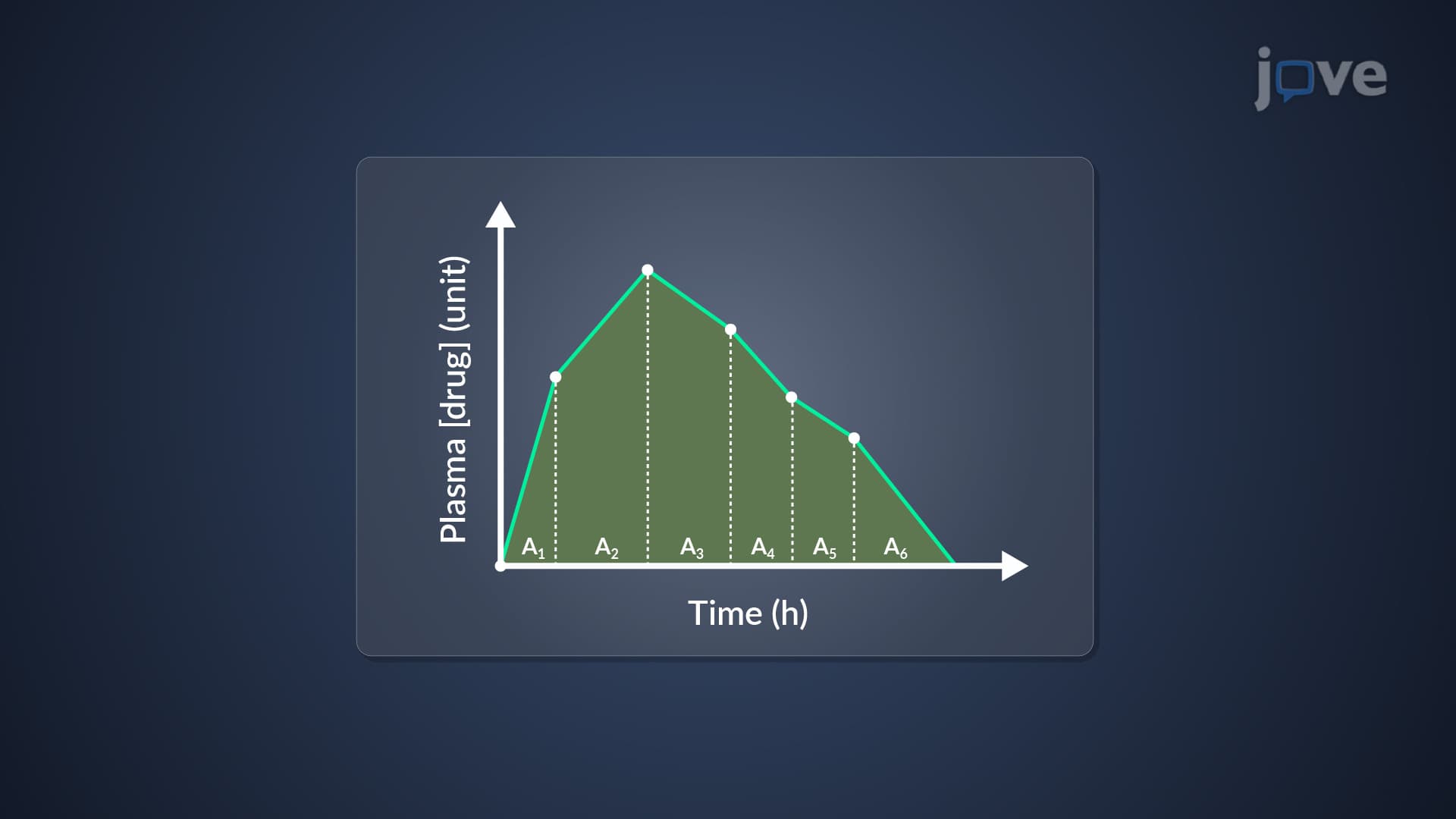
When a patient receives an IV dose of morphine in a US emergency room, how does the drug move through their body to provide pain relief? Compartment model approaches for pharmacokinetic data provide the mathematical framework to predict this drug distribution, treating the human body as interconnected compartments like plasma and tissues. These models help pharmacologists at institutions like Johns Hopkins optimize dosing for medications ranging from antibiotics to chemotherapy drugs. Watch the full video on JoVE Coach to master this concept with expert-led visuals and step-by-step explanations.
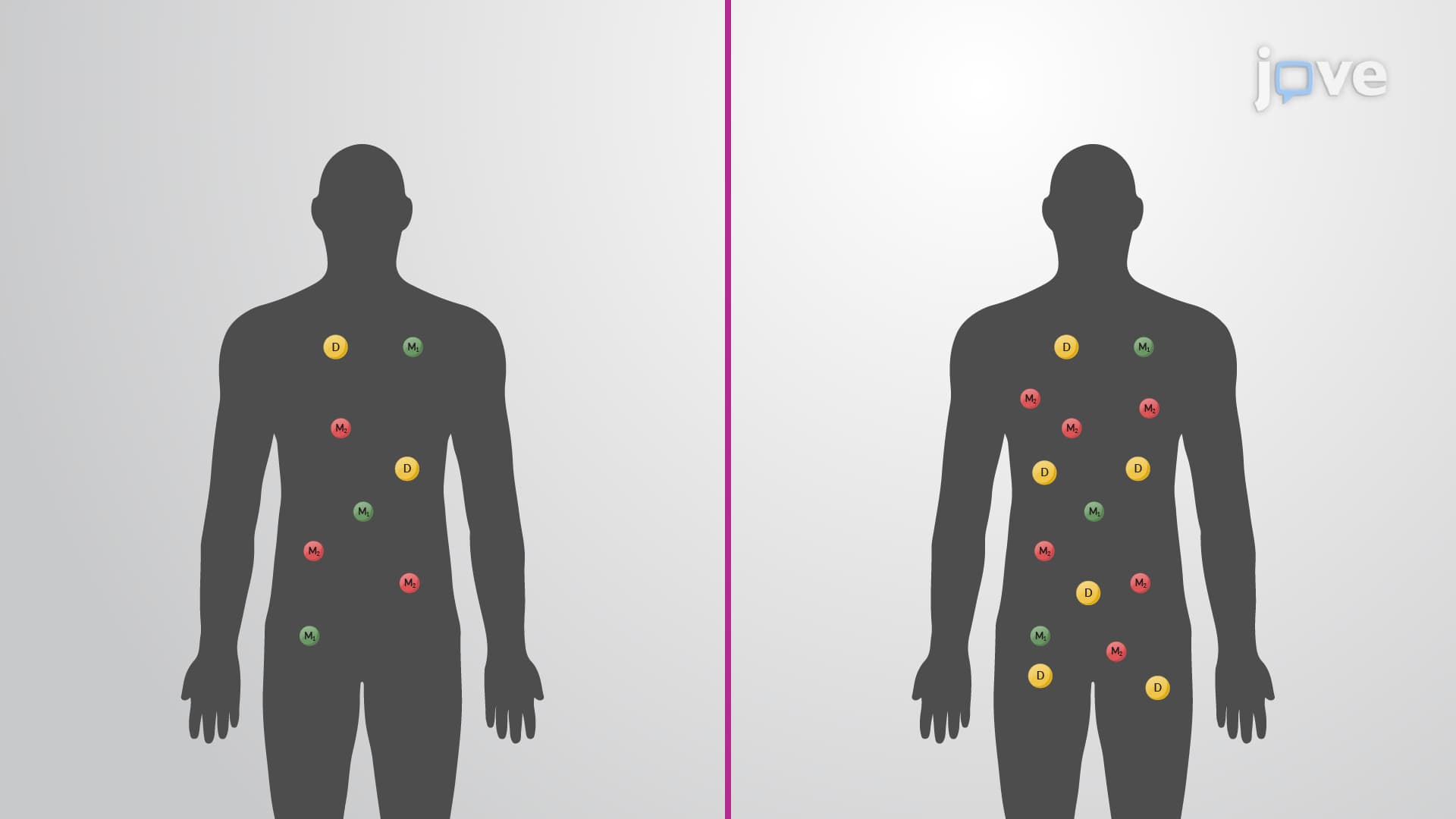
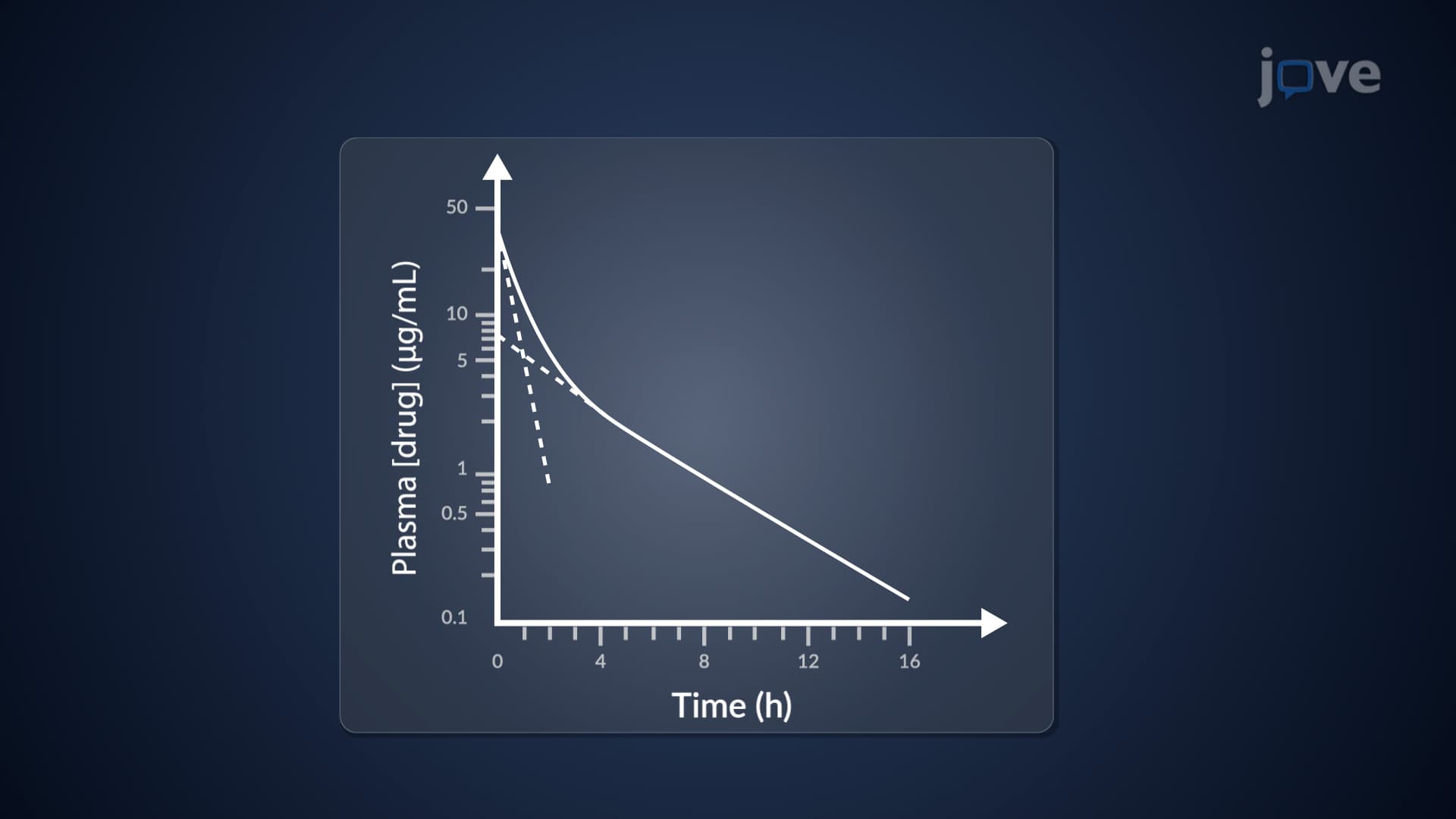
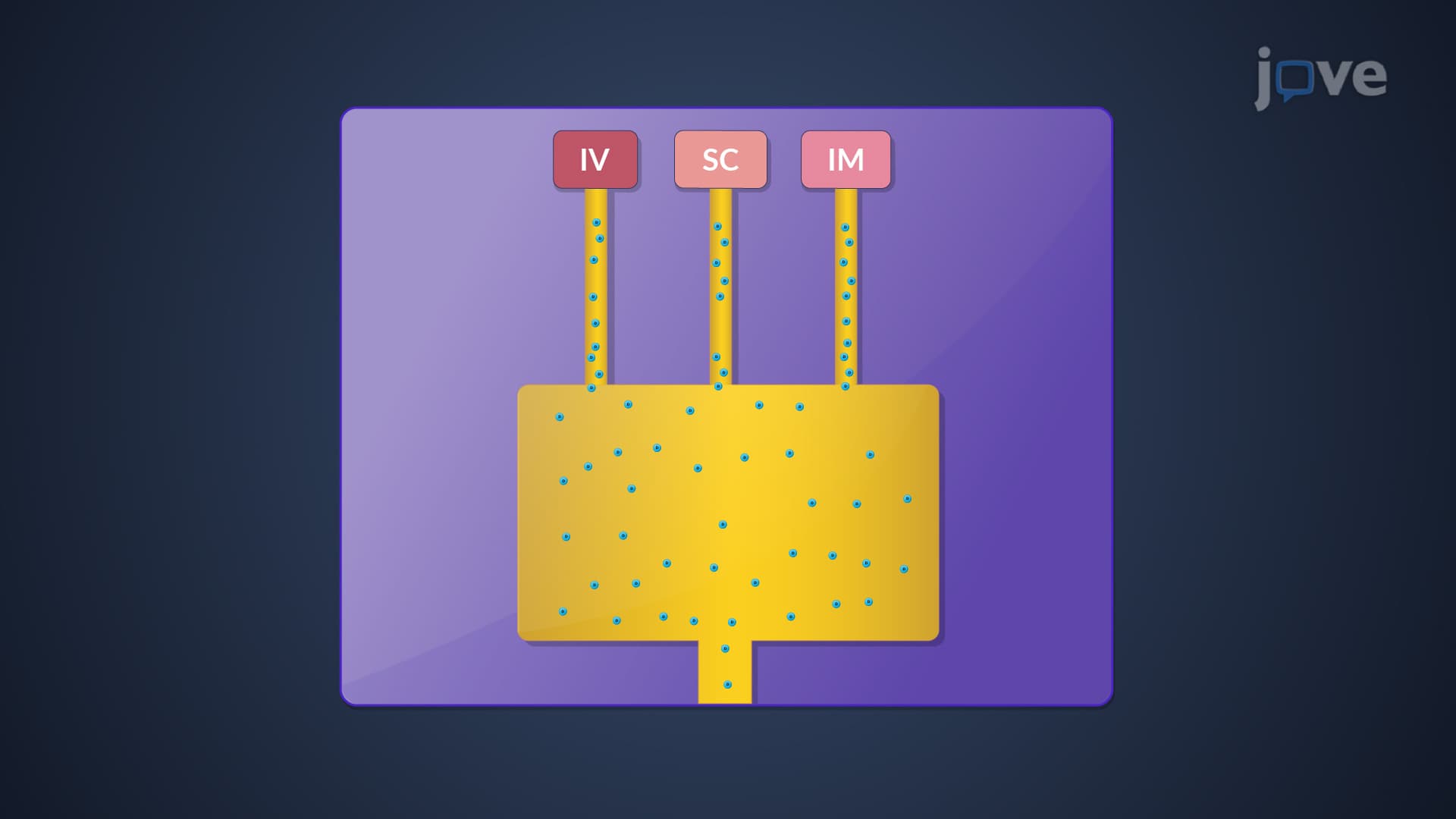
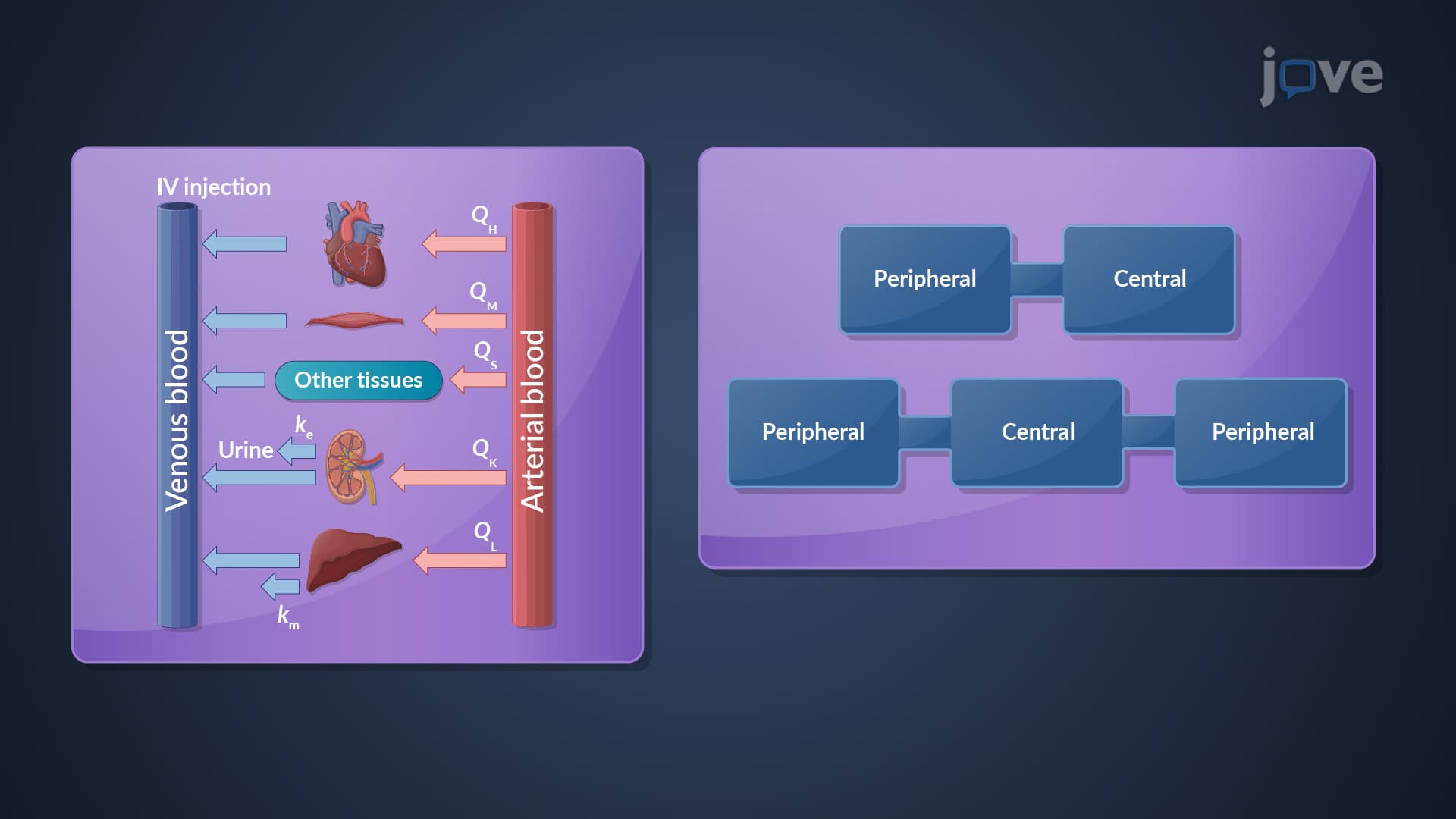
Compartment model approaches for pharmacokinetic data represent one of the most fundamental concepts in pharmaceutical sciences, providing a mathematical framework to understand how drugs move through the human body. These models treat the complex human anatomy as a series of simplified "compartments", each representing tissues or organs with similar drug distribution characteristics.
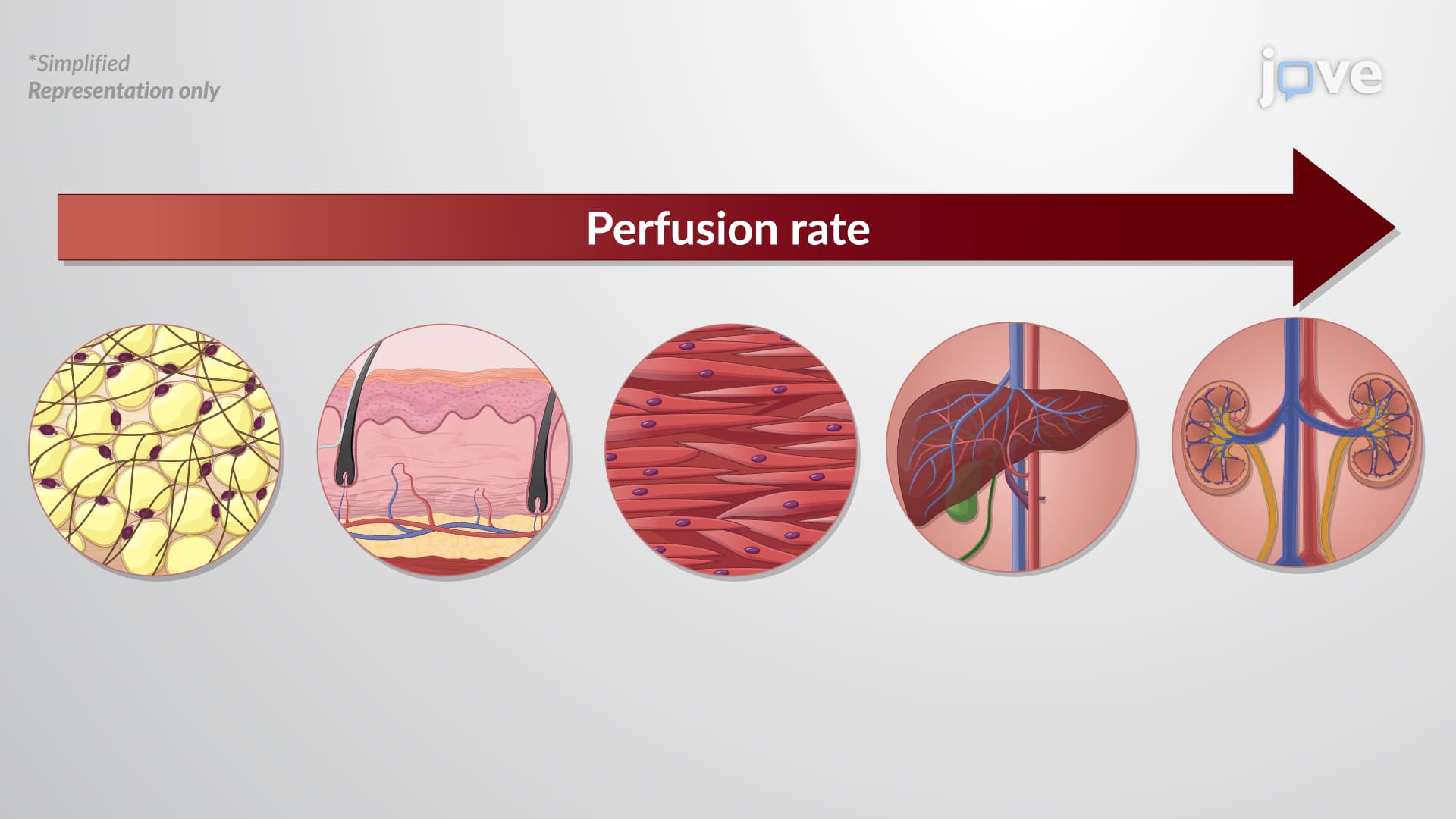
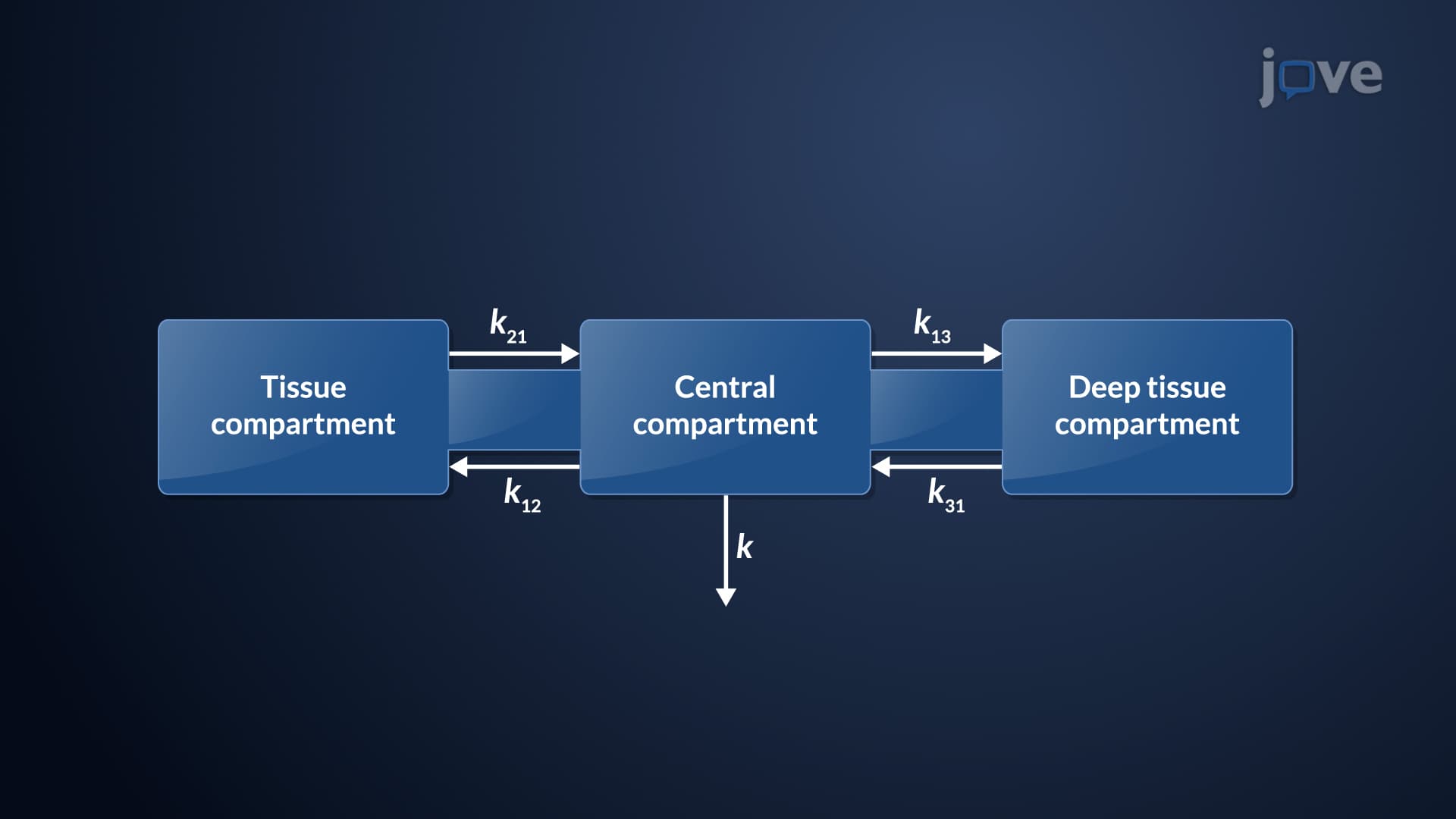
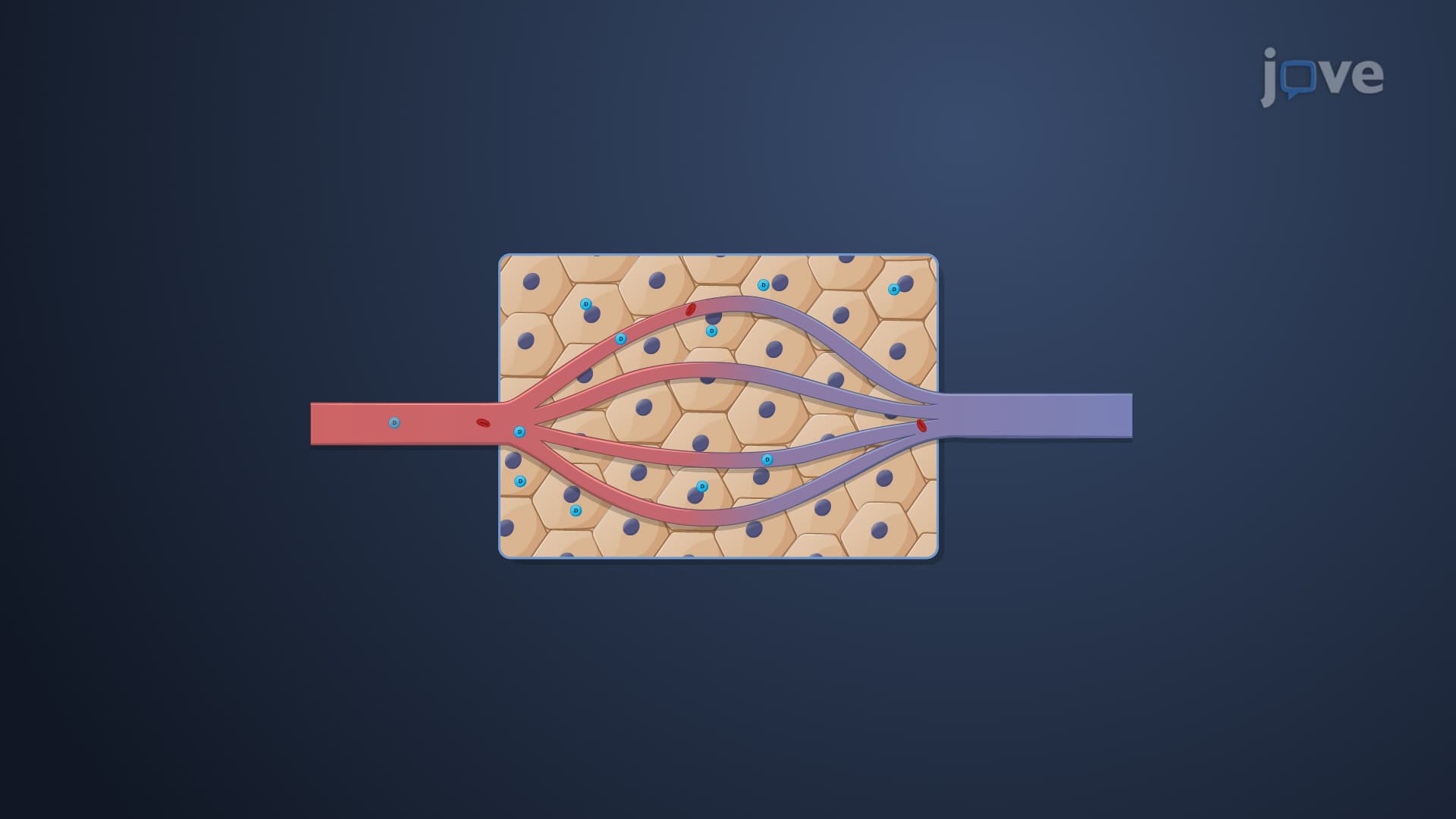
The mammillary model dominates clinical pharmacology because of its physiological accuracy. In this system, a central compartment (typically blood plasma and highly perfused organs like the heart, lungs, liver, and kidneys) connects directly to one or more peripheral compartments (poorly perfused tissues like muscle, fat, and bone). For example, when Pfizer developed their COVID-19 antiviral Paxlovid, researchers used mammillary models to predict how the drug would distribute from blood plasma into various tissues.
The catenary model, where compartments connect in series like train cars, sees limited use due to its poor physiological correlation. While mathematically interesting, it doesn't accurately represent how drugs actually move through biological systems.
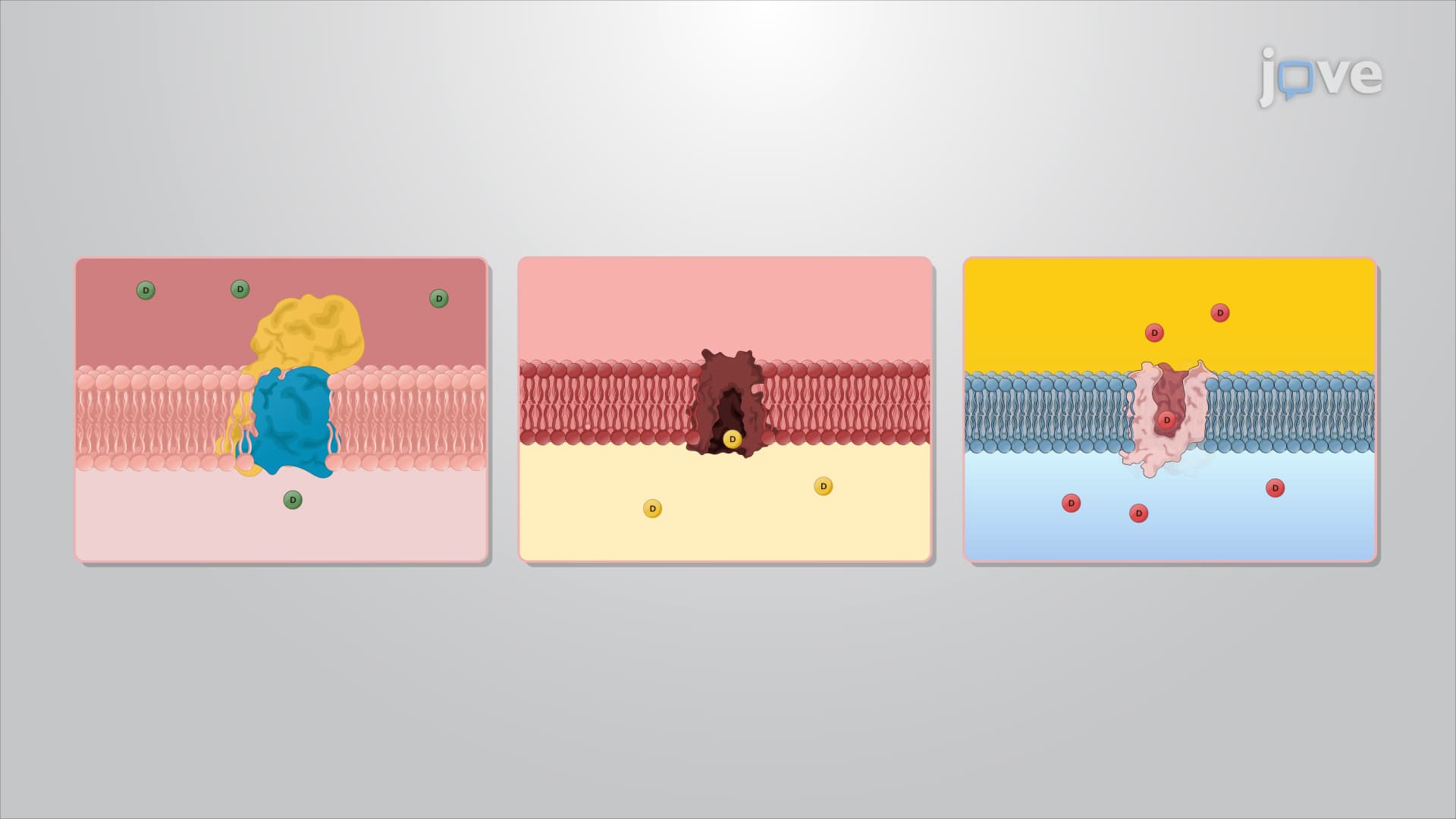
Drug transfer between compartments follows predictable kinetic patterns. First-order kinetics describes most drug movements, where the transfer rate depends on the drug concentration in the donor compartment. This applies to medications like ibuprofen moving from blood into muscle tissue. Zero-order kinetics occurs when transfer mechanisms become saturated, common with high-dose alcohol metabolism in the liver.
Students preparing for the MCAT encounter compartmental modeling in both biological sciences and chemical/physical foundations sections. The concept appears frequently in AP Biology and Chemistry courses when discussing enzyme kinetics and cellular transport. Medical students studying for USMLE Step 1 must understand these principles to answer pharmacology questions about drug distribution and elimination.
Pharmaceutical companies like Merck and Johnson & Johnson rely on compartmental models during drug development to predict dosing regimens and identify potential toxicity risks. The FDA requires these analyses for new drug applications, making this knowledge essential for careers in pharmaceutical research.
Related Micro-courses