Loading concepts…


12 Concepts
10 Concepts
29 Concepts
14 Concepts
15 Concepts
25 Concepts
30 Concepts
12 Concepts
17 Concepts
9 Concepts
7 Concepts
18 Concepts
26 Concepts
9 Concepts
16 Concepts
17 Concepts
17 Concepts
 17 Concepts
 4.8K Views
 Popular topics





Drug delivery systems fundamentals give pharmaceutical and life sciences managers the technical fluency needed to make sharper decisions across formulation, product development, and cross-functional project teams. When team outputs stall due to misaligned priorities around drug release mechanisms or delivery routes, managers lose credibility fast. JoVE Coach helps bridge that gap, turning complex science into actionable leadership clarity.
1. Drug Delivery Systems: An Overview of Types and Their Strategic Relevance
Drug delivery systems determine how, where, and at what rate a therapeutic agent reaches its target. For managers overseeing formulation or product teams, understanding the distinctions between immediate-release, extended-release, delayed-release, and targeted-release platforms is not optional, it is foundational to sound decision-making. A team lead who cannot distinguish why one platform is selected over another will struggle to prioritise resources, evaluate trade-offs, or communicate rationale to senior stakeholders. Consider a development manager reviewing a pipeline where a short-half-life compound requires a sustained-release solution: understanding these categories enables sharper scoping conversations and reduces avoidable project detours.
2. Modified-Release Drug Delivery Systems: Principles, Benefits, and Limitations
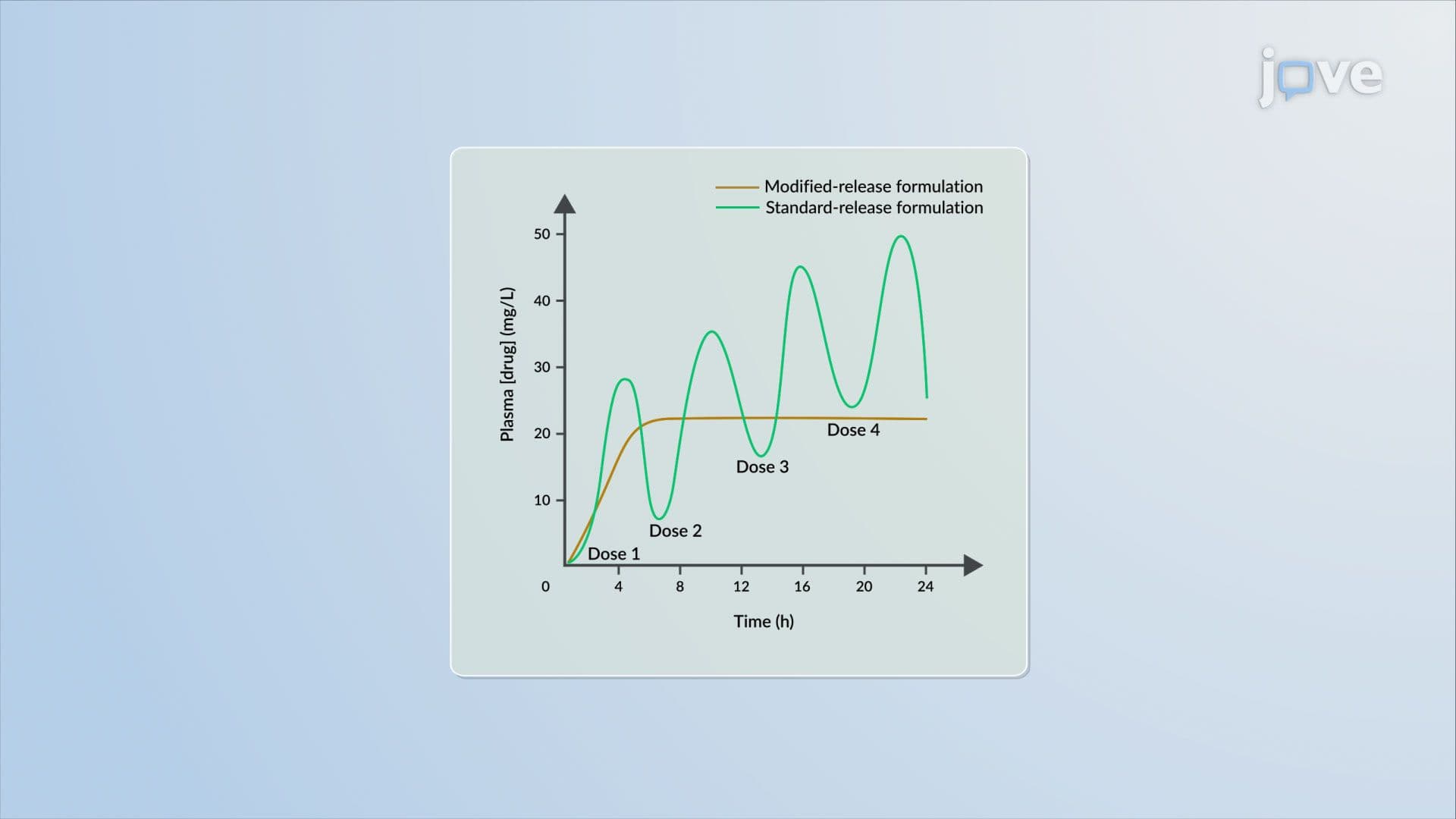
Modified-release systems are designed to sustain therapeutic drug levels, reduce dosing frequency, and improve patient outcomes, but they introduce formulation complexity that managers must account for in planning. Risks such as dose-dumping, first-pass metabolism variability, and enteric coating failures are real project vulnerabilities, not theoretical concerns. A department head approving a transition from immediate-release to extended-release must understand why this decision affects manufacturing timelines, regulatory submissions, and safety monitoring protocols. Recognising both the clinical promise and the engineering constraints of modified-release platforms allows leaders to set grounded expectations and avoid overpromising on timelines or outcomes to executive stakeholders.
3. Influencing Factors and Drug Candidate Suitability for Modified-Release Systems
Not every drug candidate is suitable for a modified-release platform, and understanding the selection criteria is critical for managers who must challenge or validate team recommendations. Factors including molecular weight, aqueous solubility, gastrointestinal stability, elimination half-life, and dose size all determine whether a modified-release approach is scientifically viable. A project leader who understands these criteria can ask more precise questions during formulation strategy sessions, preventing teams from pursuing technically flawed directions. When a team proposes a modified-release format for a compound with poor GI stability, a well-informed manager can redirect that conversation toward alternative routes, such as transdermal or intramuscular delivery, before resources are wasted.
4. Bioavailability Assessment in Modified-Release Formulations
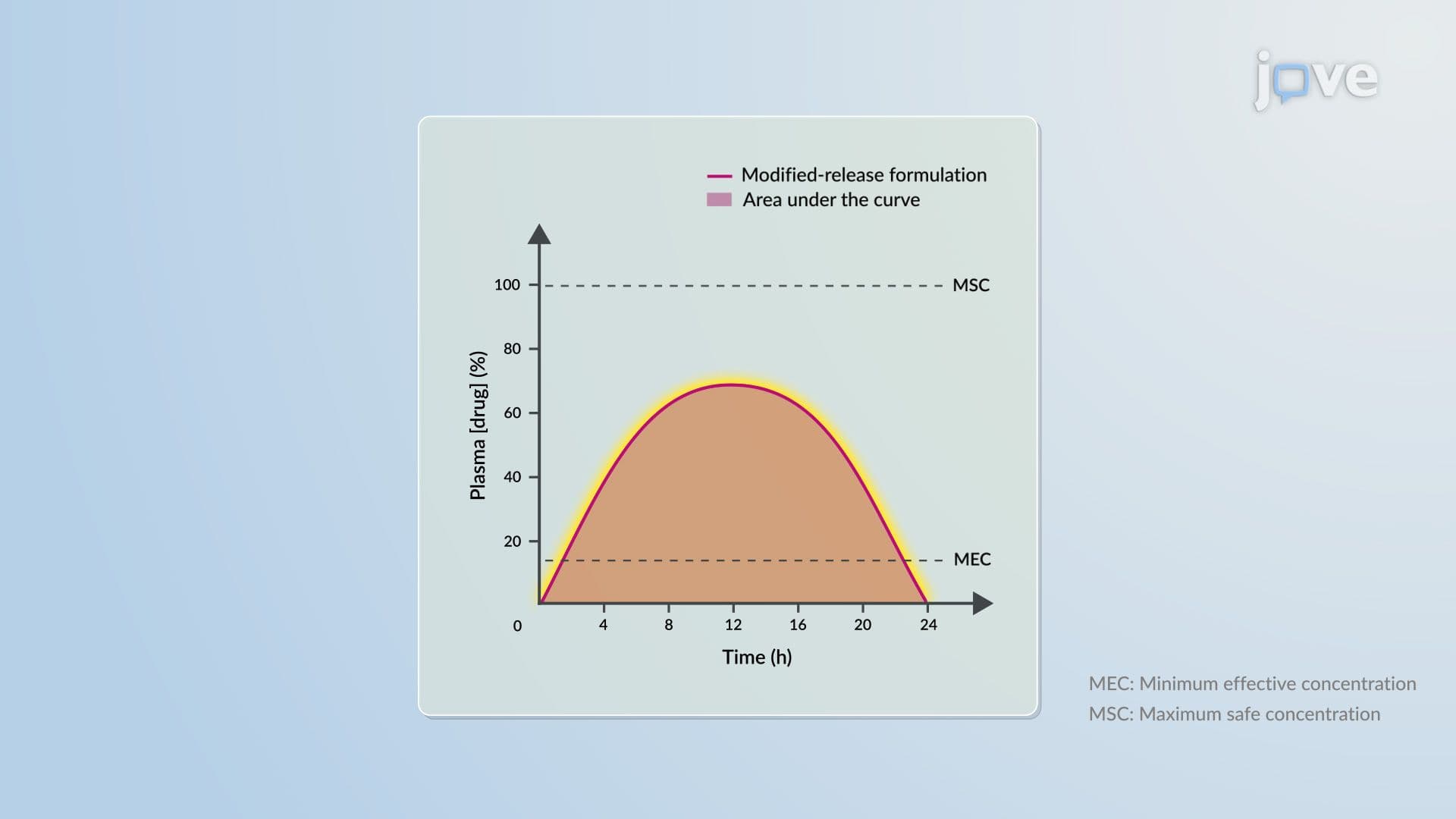
Bioavailability studies for modified-release products are more complex than those for conventional formulations and directly affect regulatory timelines and product credibility. Managers overseeing clinical or regulatory teams need to understand what these studies measure, including absorption fraction, dose-dumping risk, and the influence of food or circadian rhythms, to set realistic delivery milestones. A team lead managing a regulatory submission who conflates in vitro dissolution data with in vivo bioavailability will misread risk signals. Understanding how single-dose and multiple-dose studies inform steady-state performance equips managers to ask the right questions, interpret scientific updates accurately, and communicate study progress with confidence to leadership.
5. Drug Release Characteristics and Kinetic Models
The kinetic model governing drug release, whether zero-order, first-order, or a combination, has direct implications for therapeutic performance and formulation design decisions. Managers must grasp why zero-order release is considered the gold standard for maintaining stable plasma levels and why deviations from that ideal create clinical and commercial problems. A formulation team lead reviewing a compound that shows declining release over time needs to understand whether a dose adjustment strategy or a reformulation is the appropriate response. This knowledge also sharpens a manager's ability to evaluate whether proposed formulation strategies genuinely address therapeutic objectives or simply reflect what is technically easiest to manufacture.
6. Classification of Modified-Release Systems: Rate-Programmed, Stimuli-Activated, and Site-Targeted
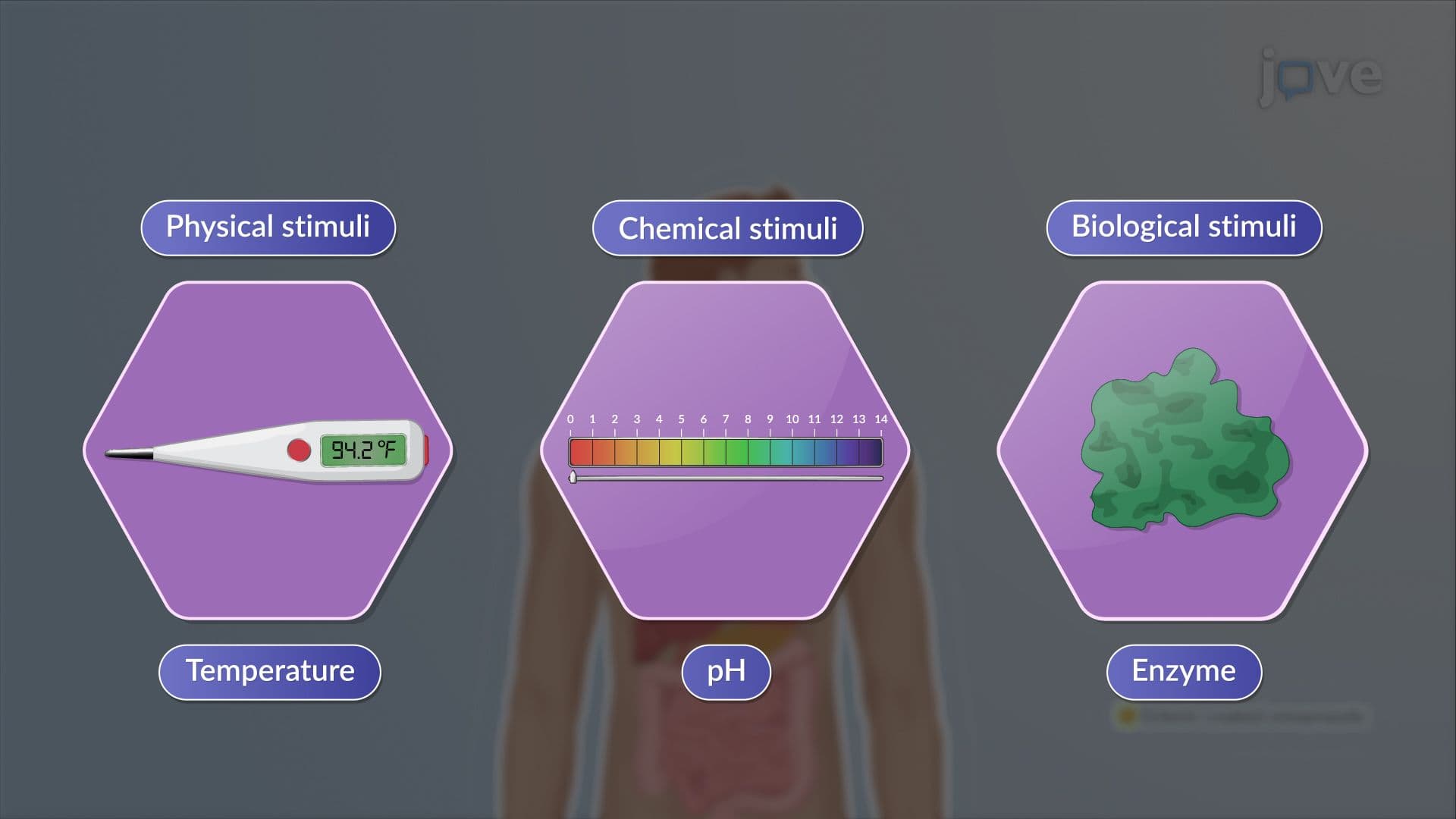
Modified-release systems fall into three broad categories, rate-programmed, stimuli-activated, and site-targeted, each with distinct engineering principles and therapeutic applications. Rate-programmed systems release drugs at predetermined rates using polymer matrices or osmotic mechanisms. Stimuli-activated systems respond to physiological triggers such as pH shifts or enzyme activity. Site-targeted systems direct the drug to specific tissues or cells. For managers overseeing portfolio decisions or technology licensing, understanding how these platforms differ in complexity, cost, and regulatory burden is essential. A senior manager evaluating which delivery platform to invest in for a new therapeutic area needs this conceptual map to facilitate informed, strategy-aligned conversations with technical advisors.
7. Rate-Programmed and Stimuli-Activated Delivery Systems in Practice
Rate-programmed systems, including dissolution-controlled, diffusion-controlled, and osmotic pump designs, offer predictability and regulatory familiarity, making them common choices for chronic disease management. Stimuli-activated systems, which respond to temperature, pH, magnetic fields, or enzyme signals, represent a more advanced class with greater therapeutic precision and greater development complexity. For a manager overseeing an innovative delivery program, understanding whether the team is designing an open-loop or closed-loop system, and what that means for reliability and patient safety, is critical. When a stimuli-activated system underperforms in early testing, a manager who understands the trigger mechanism can guide problem-solving discussions rather than simply waiting for scientists to report conclusions.
8. Site-Targeted Drug Delivery and Polymeric Carrier Systems
Site-targeted delivery systems, classified across four orders of targeting from organ-level to intracellular and macromolecular, represent the frontier of precision medicine and are increasingly central to oncology, gene therapy, and inflammatory disease pipelines. Polymeric carriers, which combine a biodegradable backbone with homing devices, solubilisers, and cleavable spacers, are among the most technically complex platforms a development team will manage. Leaders overseeing these programs must understand how passive versus active targeting strategies differ in their regulatory, manufacturing, and efficacy implications. A department head managing a nano-oncology program who understands that particle size affects tissue penetration depth is better positioned to interpret preclinical data and set appropriate go/no-go criteria.
9. Oral Drug Delivery Systems: Continuous-Release and Delayed-Release Platforms
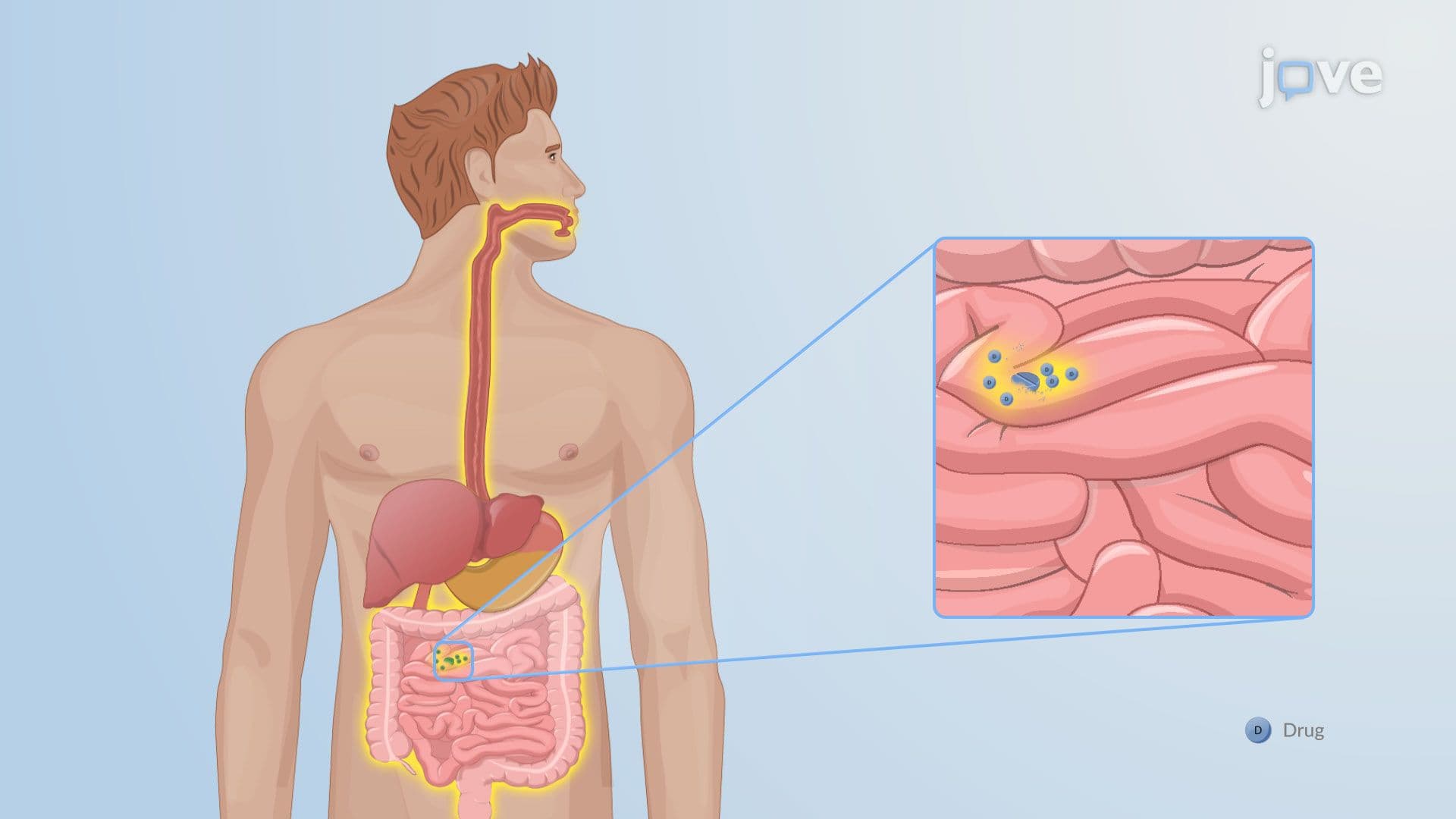
Oral drug delivery remains the most commercially significant platform in pharmaceutical development, and managers in this space must understand why formulation choices, between continuous-transit systems, gastroretentive systems, and delayed-release designs, carry significant clinical and manufacturing consequences. Continuous-release systems maintain steady drug plasma levels using mechanisms such as hydrophilic matrices, osmotic pumps, and ion-exchange resins. Delayed-release systems use pH-sensitive coatings to protect drugs from gastric degradation and ensure intestinal release. A project team lead managing a chronic disease program must be equipped to evaluate which oral platform best balances patient adherence, manufacturing feasibility, and regulatory complexity, and to push back when team recommendations lack that full-spectrum analysis.
10. Parenteral, Transdermal, Ophthalmic, and Intrauterine Delivery Systems
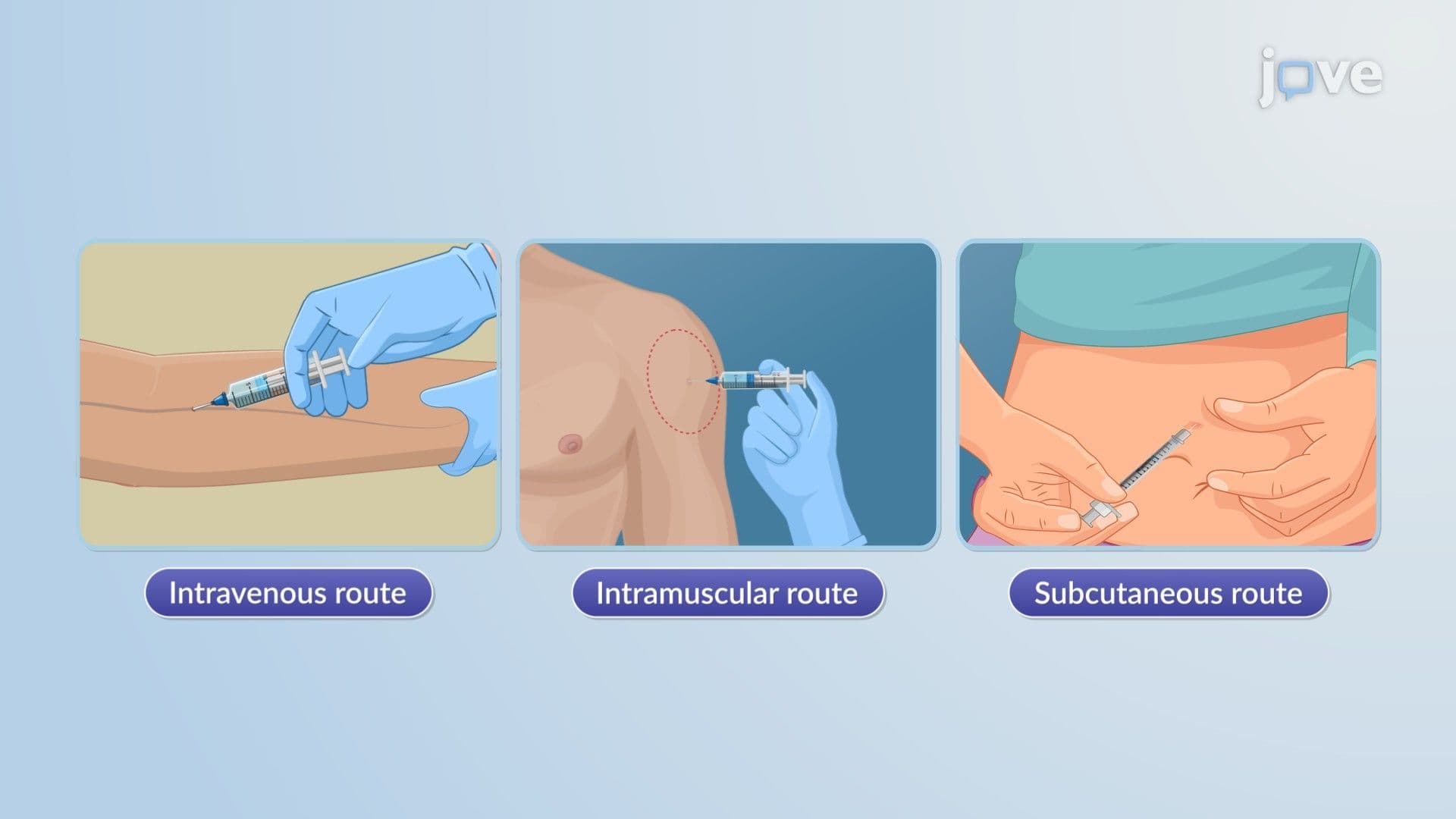
Beyond oral administration, a range of specialised delivery routes, parenteral, transdermal, ophthalmic, and intrauterine, address therapeutic needs that oral systems cannot meet. Parenteral systems including injectables, implants, and infusion devices offer precise dosing for biologics and high-potency compounds. Transdermal patches bypass gastrointestinal degradation for drugs with narrow therapeutic indices. Ophthalmic inserts provide sustained local drug release for conditions like glaucoma. Intrauterine devices deliver hormonal therapy with durations spanning months to years. For managers overseeing specialty or women's health portfolios, understanding which platform best serves the clinical indication, and what constraints each carries in terms of patient population, manufacturing, and regulatory pathway, is a core leadership competency.