Loading video…


 17 Concepts
 4.8K views
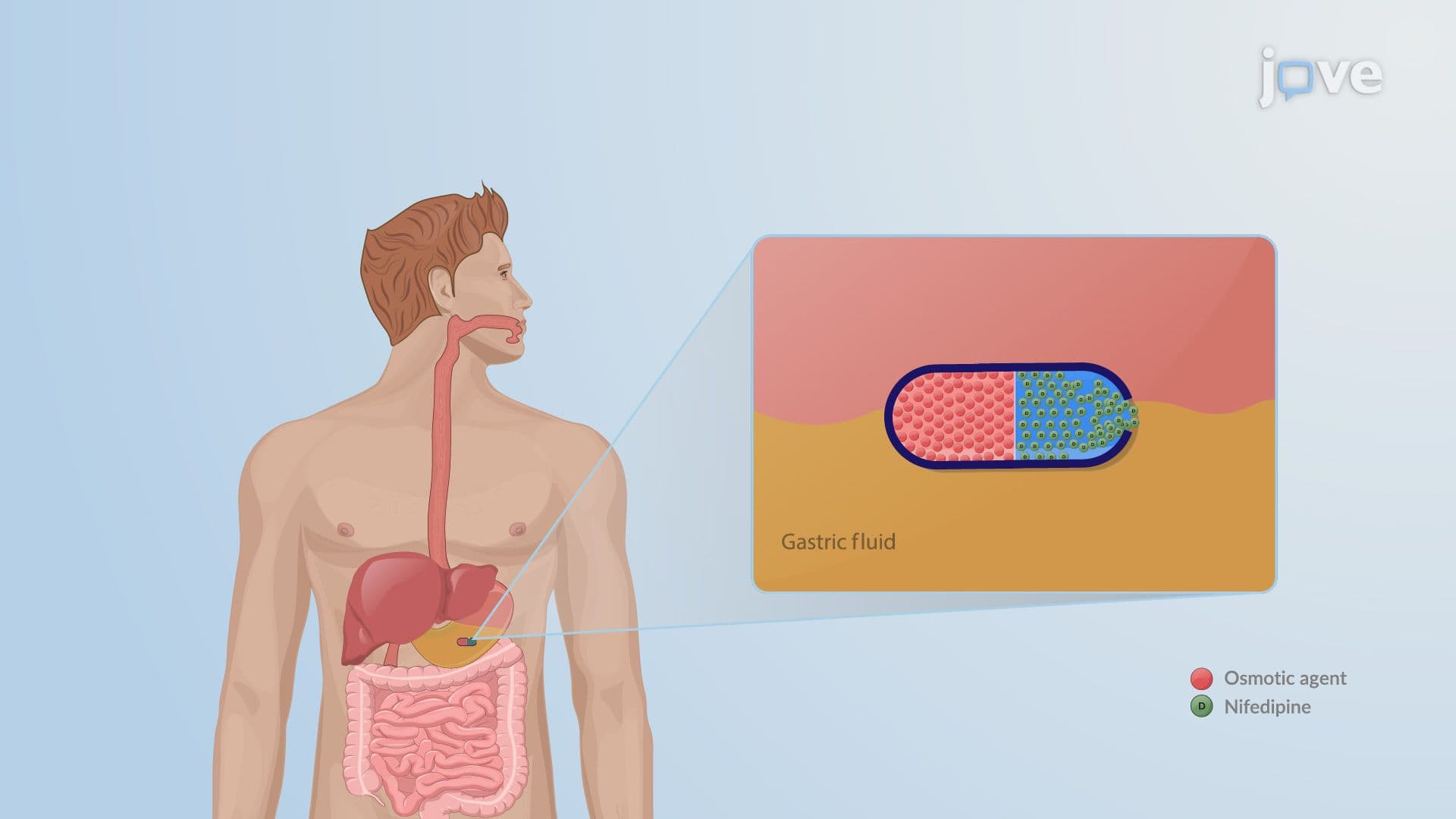

Video Summary: Continuous Release Systems in Oral Drug Delivery Systems
Continuous-release systems in oral drug delivery systems represent a foundational concept for healthcare and pharmaceutical professionals managing patient adherence challenges. When drug levels fluctuate unpredictably, treatment outcomes suffer, understanding controlled-release mechanisms helps teams make smarter formulation and protocol decisions. These systems maintain steady therapeutic levels, reduce dosing burdens, and improve outcomes for chronic conditions. Watch the full video on JoVE Coach to master this concept with expert-led visuals and step-by-step explanations.
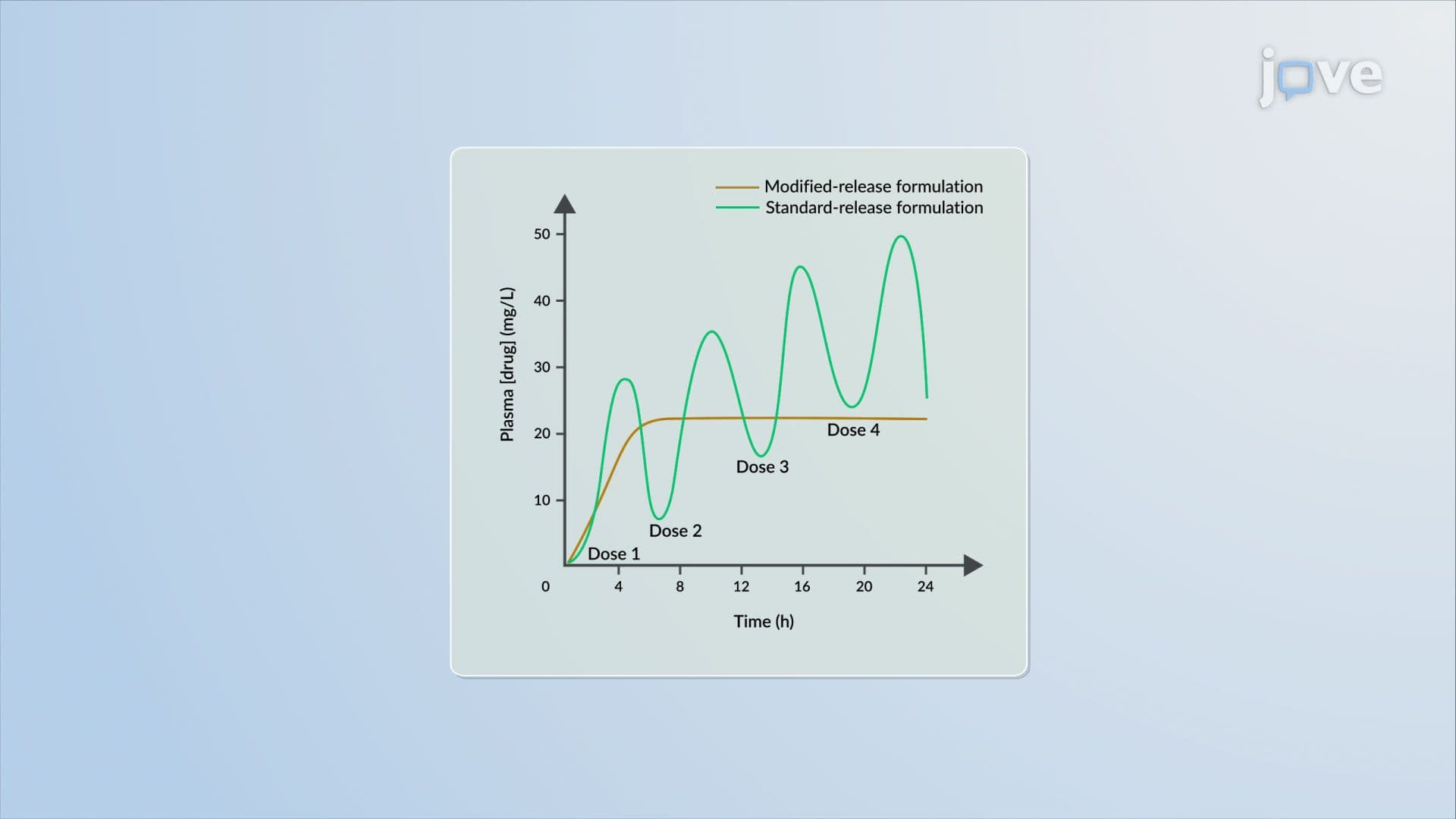
Picture this: a formulation team is reviewing patient adherence data for a chronic disease program. Outcomes are inconsistent, not because the active compound is ineffective, but because the delivery mechanism is creating peaks and troughs in drug plasma levels. Some patients are experiencing side effects at peak concentration; others see symptoms return before the next dose. This is the problem that continuous-release systems in oral drug delivery systems are engineered to solve, and understanding the mechanics behind them is essential for anyone involved in pharmaceutical development, clinical operations, or healthcare management.
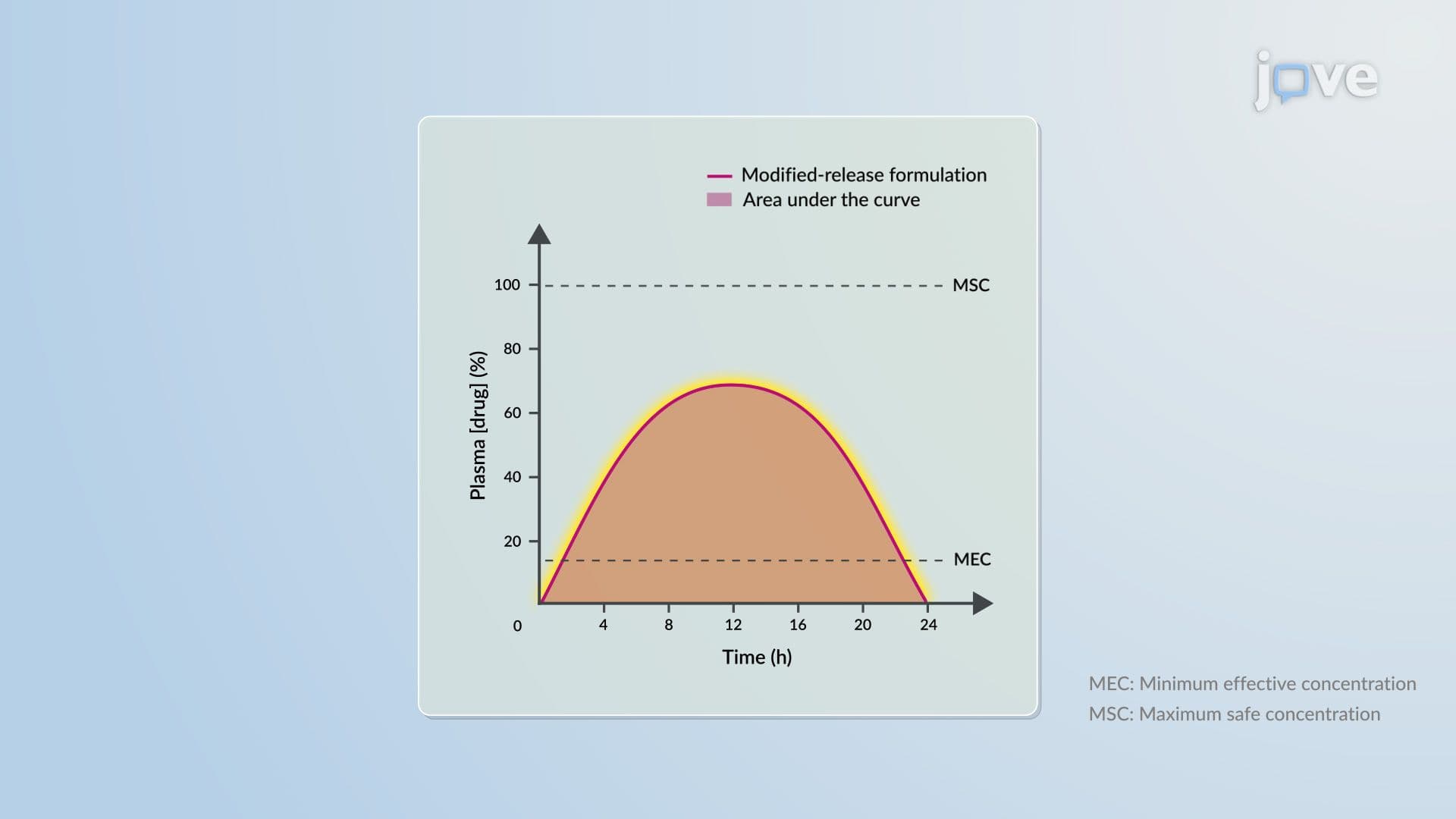
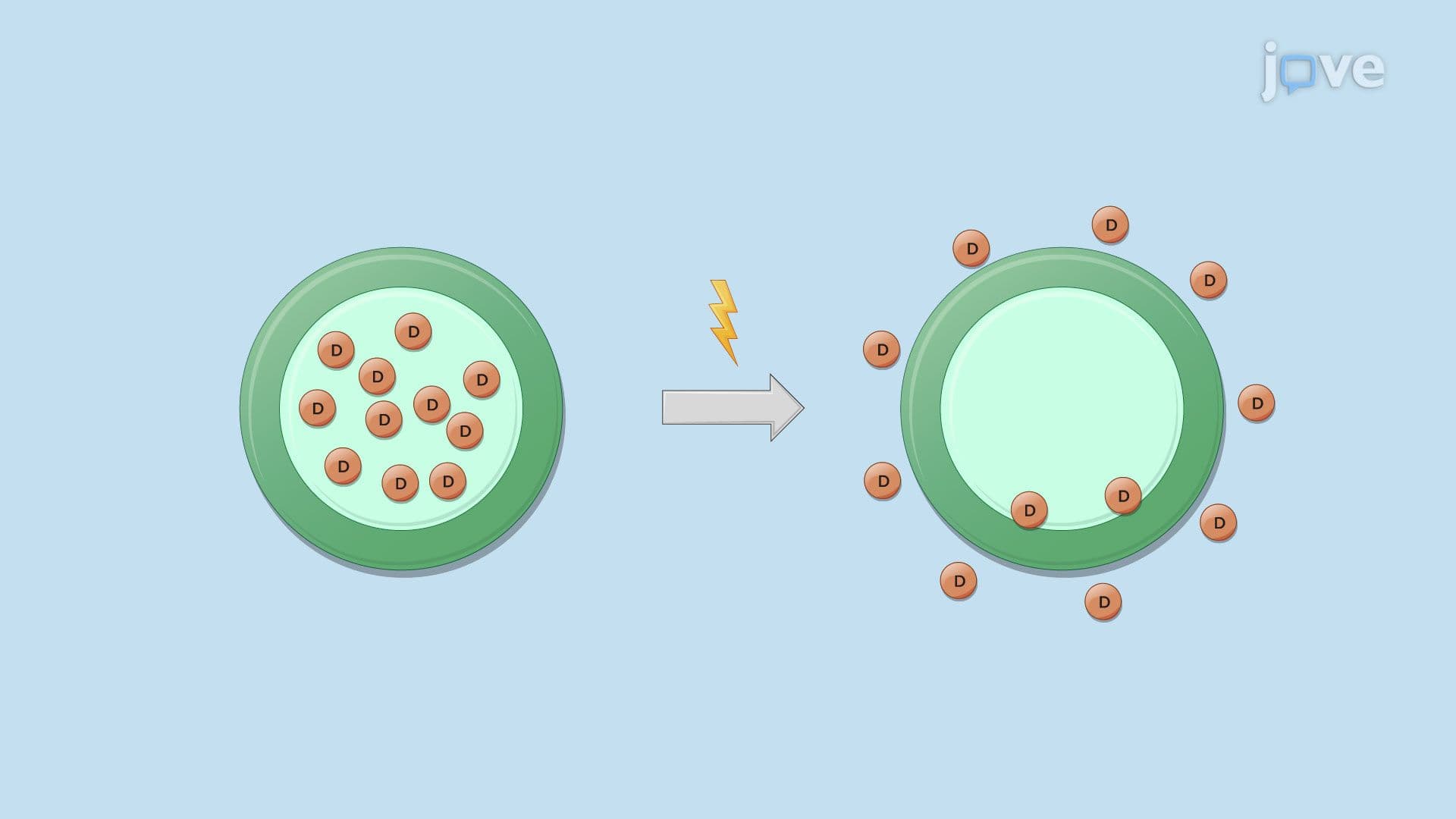
Most professionals understand *what* a drug does. Fewer deeply understand *how delivery design shapes outcomes*. Continuous-release systems aren't just a formulation convenience, they represent a deliberate strategy to maintain therapeutic drug levels within a narrow, effective window over an extended period. This matters enormously when managing chronic conditions where consistency is the difference between controlled and uncontrolled disease.
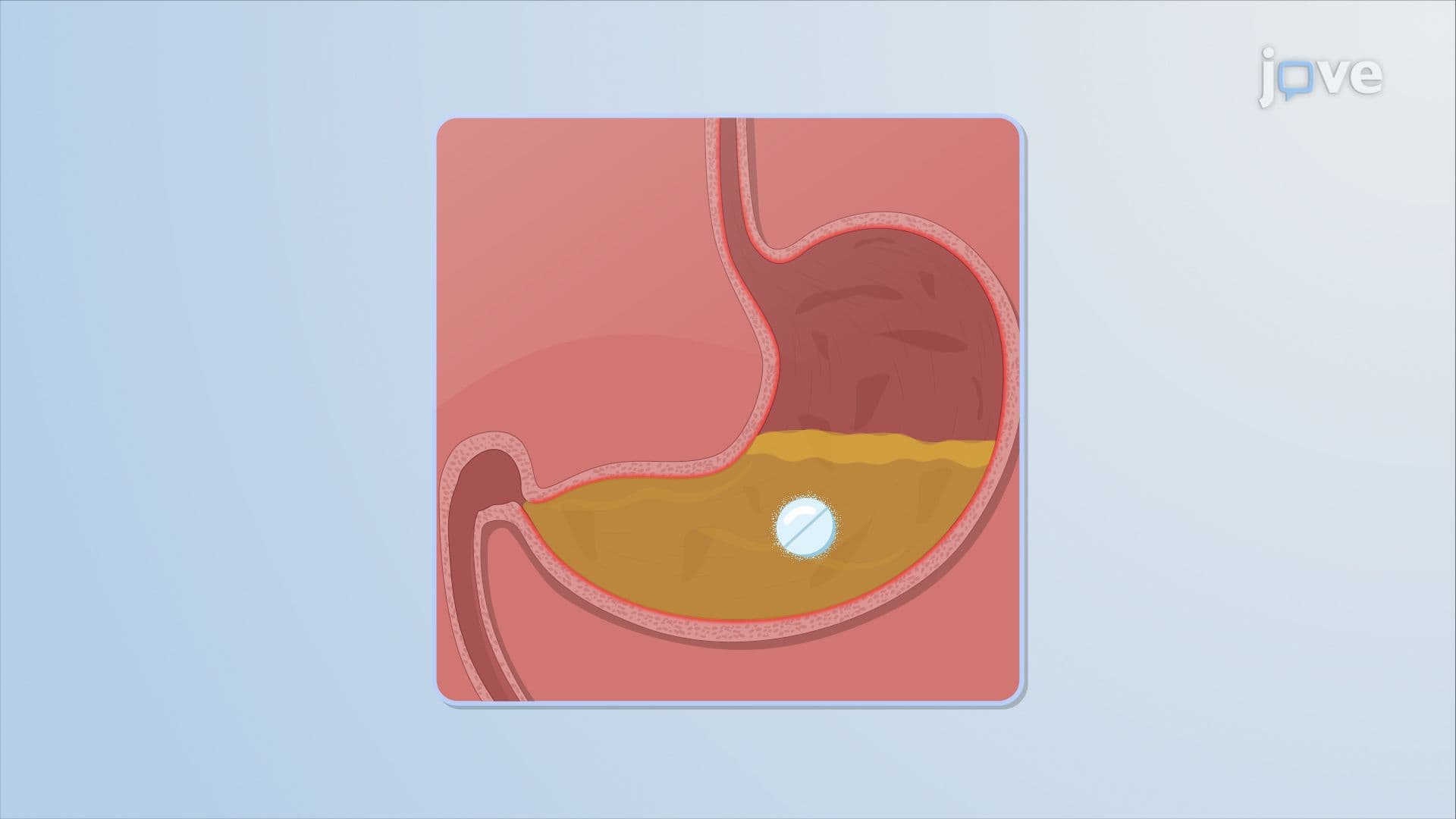
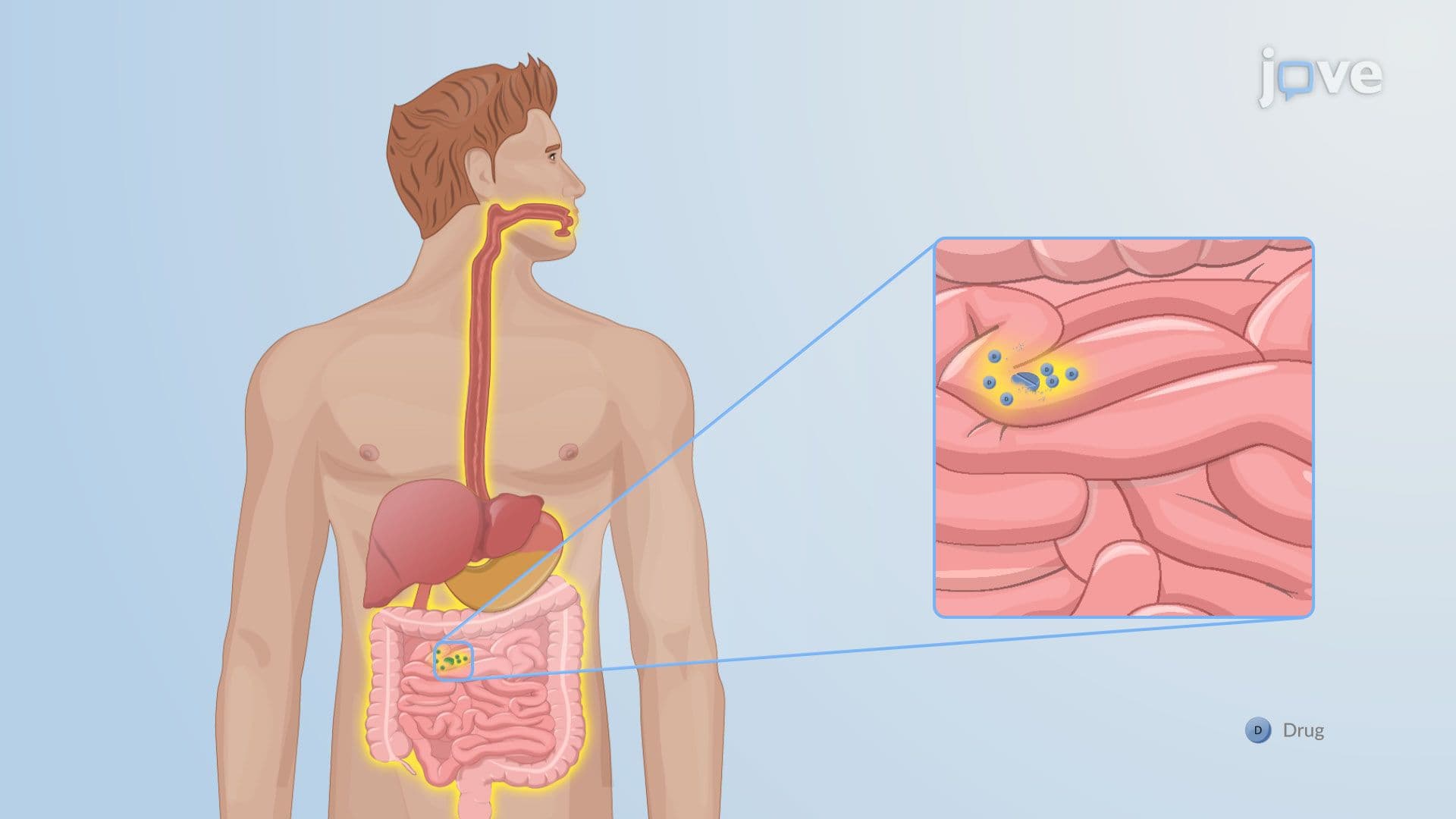
There are two broad categories to understand. Continuous-transit systems travel through the gastrointestinal tract while releasing drug in a controlled manner. Gastroretentive systems are engineered to linger in the stomach, maximizing local or systemic absorption before moving on. Each category suits different drugs, patient profiles, and clinical goals.
Continuous-transit systems employ four key technologies, each with a distinct release mechanism:
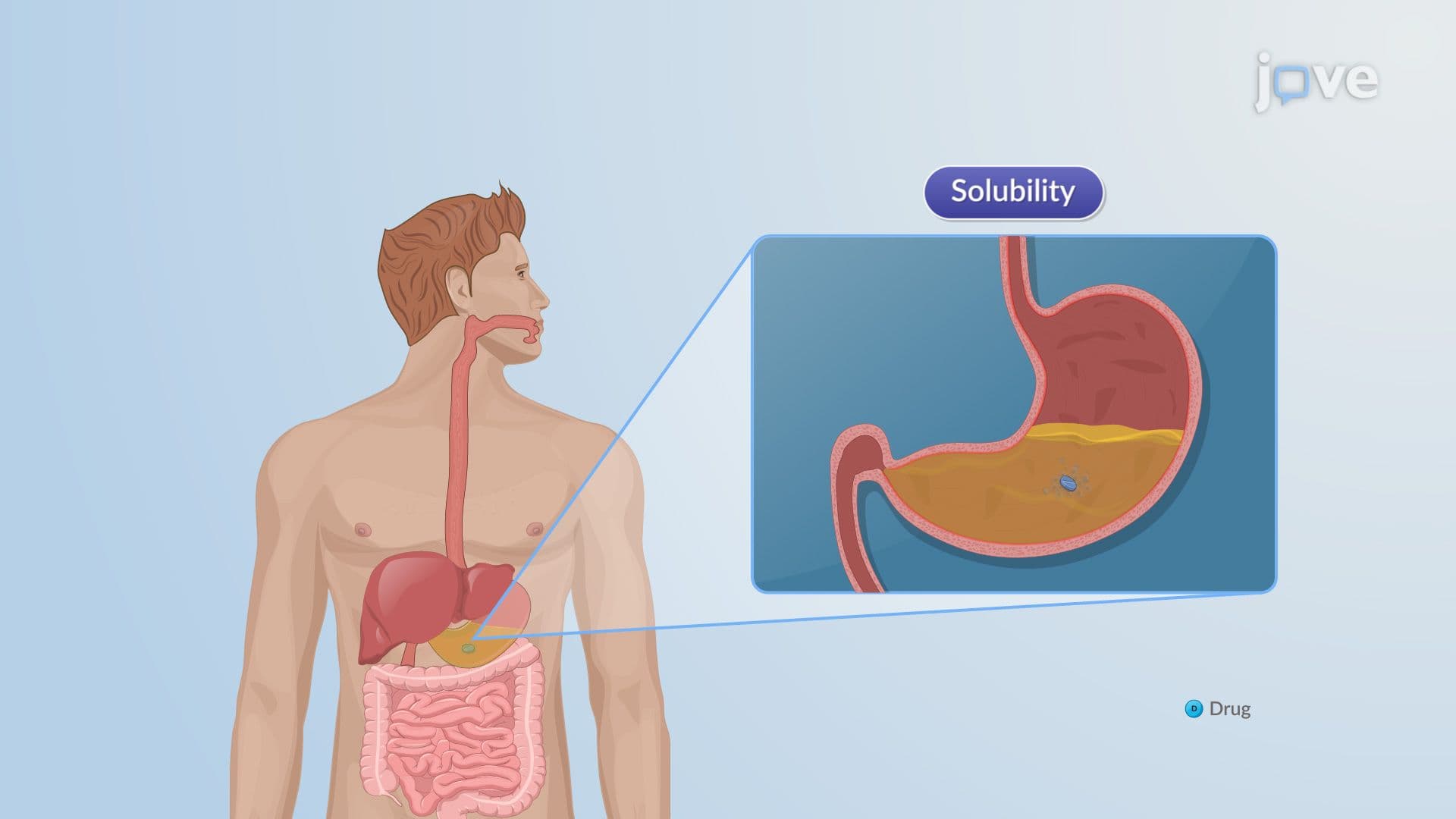
When advising teams on formulation selection, map each mechanism against three criteria: drug solubility profile, required release duration, and patient population compliance burden. This simple three-axis evaluation prevents over-engineering and supports regulatory clarity.
Some drugs are best absorbed in the upper GI tract, or act locally in the stomach. For these, gastroretentive systems offer a compelling solution. Three primary approaches are used:
The clinical significance is substantial for drugs treating conditions like Parkinson's disease, where absorption windows are narrow and consistent plasma levels are directly tied to motor control and quality of life.
The most common error professionals make is treating all extended-release formats as interchangeable. They are not. Choosing a buoyant gastroretentive system for a drug with high colonic absorption is a formulation mismatch that no amount of downstream optimization will fully correct. A second mistake is underestimating how food effects and gastric motility variability interact with gastroretentive systems, particularly in elderly patient populations.
Apply a Design-Align-Validate approach: design the system to the drug's absorption window, align the technology choice with patient lifestyle factors, and validate assumptions with cross-functional input from clinical pharmacology before locking in formulation direction.
Related Micro-courses