Loading video…

 17 Concepts
 4.8K views

Video Summary: Rate Programmed Modified Release Drug Delivery Systems Part One
Rate-Programmed Modified-Release Drug Delivery Systems Part One gives managers in pharmaceutical, biotech, and clinical operations a precise framework for understanding how controlled-release mechanisms function, critical when overseeing formulation teams or cross-functional product development. When technical decisions stall because team members lack shared vocabulary, this concept closes that gap fast. Watch the full video on JoVE Coach to master this concept with expert-led visuals and step-by-step explanations.
Picture this: your team is three weeks out from a formulation review, and two of your senior scientists are using the terms "dissolution-controlled" and "diffusion-controlled" interchangeably in project documents. Your regulatory liaison is asking pointed questions your team can't answer with consistency. The timeline is slipping, not because the science is wrong, but because foundational concepts aren't shared across the group. This is precisely the leadership gap that understanding rate-programmed modified-release drug delivery systems addresses.
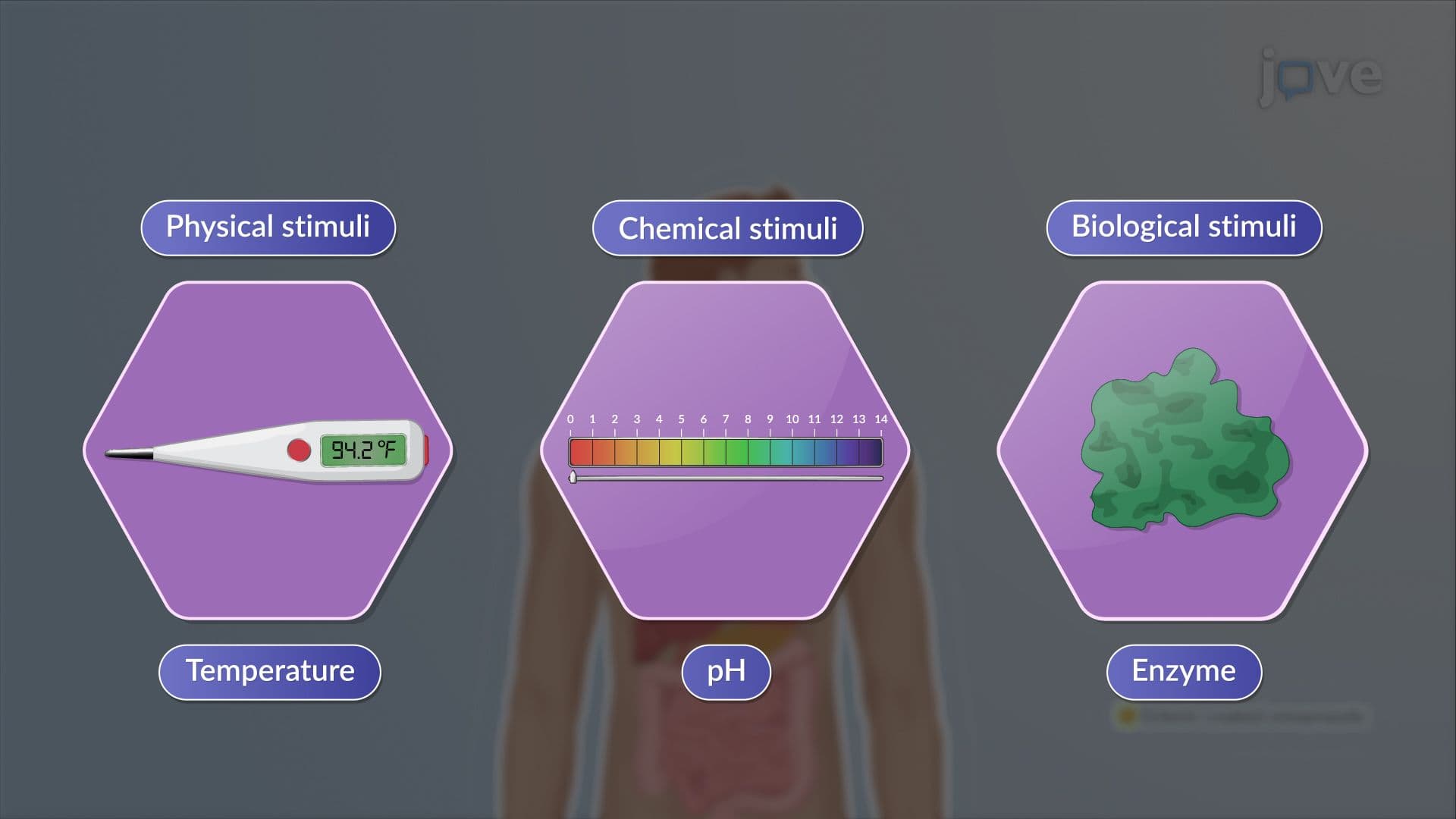
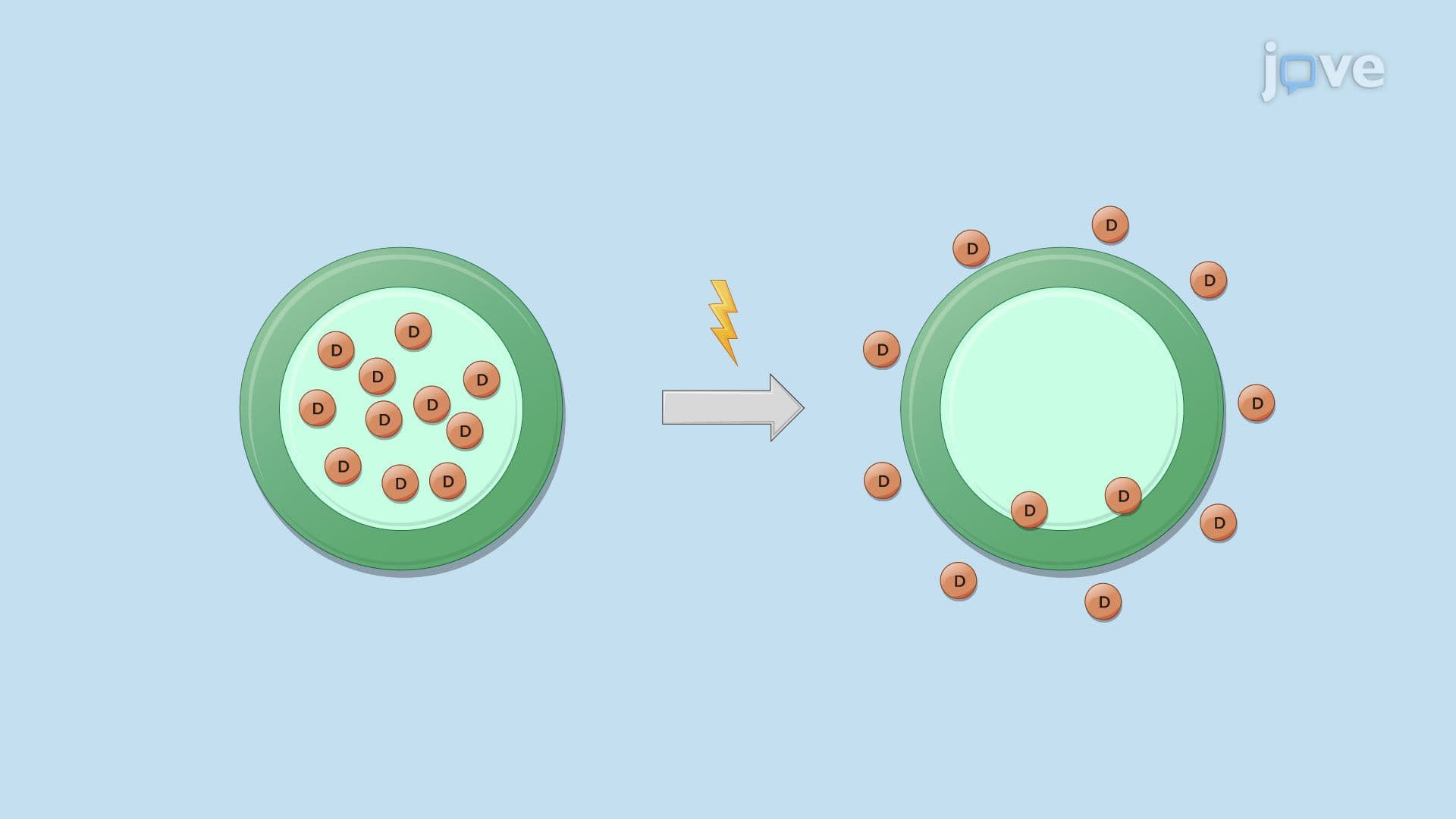
The most common failure isn't scientific ignorance, it's assumed knowledge. Managers in pharma and biotech often promote high-performing individual contributors into team lead roles without ensuring those leaders can communicate core mechanisms clearly to mixed-capability teams. Rate-programmed drug delivery involves multiple mechanisms, dissolution, diffusion, osmotic pressure, and microchip-controlled release, each with distinct polymer systems and clinical implications. When a manager cannot articulate these distinctions, they lose credibility in cross-functional settings and fail to catch errors before they become costly.
A practical tool here is the 70-20-10 development model: 70% of your team's technical fluency should come from hands-on project work, 20% from peer learning and internal knowledge-sharing sessions, and 10% from structured content like this. As a manager, your job is to architect all three, not just assign the 10%.
One of the most effective approaches for managing technically complex teams is Mechanism-to-Decision Mapping, a structured habit where every formulation choice is explicitly linked to a documented mechanism rationale. Here's how to apply it:
1. Define the mechanism, Is the release profile driven by dissolution rate, polymer diffusion, osmotic pressure, or a combination? 2. Name the controlling element, Which polymer or coating is doing the rate-controlling work? (e.g., HPMC for swellable matrices, ethyl cellulose for insoluble barriers) 3. Map to the clinical or product goal, What patient outcome or stability target does this mechanism serve? 4. Document the decision logic, Ensure your team records not just *what* they chose, but *why*, so the reasoning survives personnel changes and regulatory audits.
This approach borrows from RACI accountability frameworks, every mechanism decision should have a clear owner (Responsible), a manager sign-off (Accountable), subject matter expert input (Consulted), and cross-functional awareness (Informed).
Start your next formulation or product development meeting with a five-minute mechanism alignment check. Ask your team: "Which release mechanism are we optimizing for in this stage, and what's our polymer rationale?" If you get three different answers, you've identified a coaching opportunity before it becomes a project risk.
Use the SBI feedback model (Situation-Behavior-Impact) when correcting misalignment: "In yesterday's review session [Situation], I noticed the team used dissolution and diffusion interchangeably [Behavior], this created confusion with the regulatory team and delayed a key decision by two days [Impact]." This keeps feedback specific, non-personal, and grounded in business consequence.
Related Micro-courses