Loading video…


 17 Concepts
 4.8K views

Video Summary: Delayed Release Systems in Oral Drug Delivery Systems
Delayed-release systems in oral drug delivery systems basics matter when precision and timing determine treatment outcomes. Understanding delayed-release systems in oral drug delivery systems helps professionals grasp how pH-sensitive formulations protect drugs from gastric degradation and deliver therapeutic action exactly where the body needs it. These mechanisms underpin targeted intestinal and colonic therapies used across clinical practice globally. Watch the full video on JoVE Coach to master this concept with expert-led visuals and step-by-step explanations.
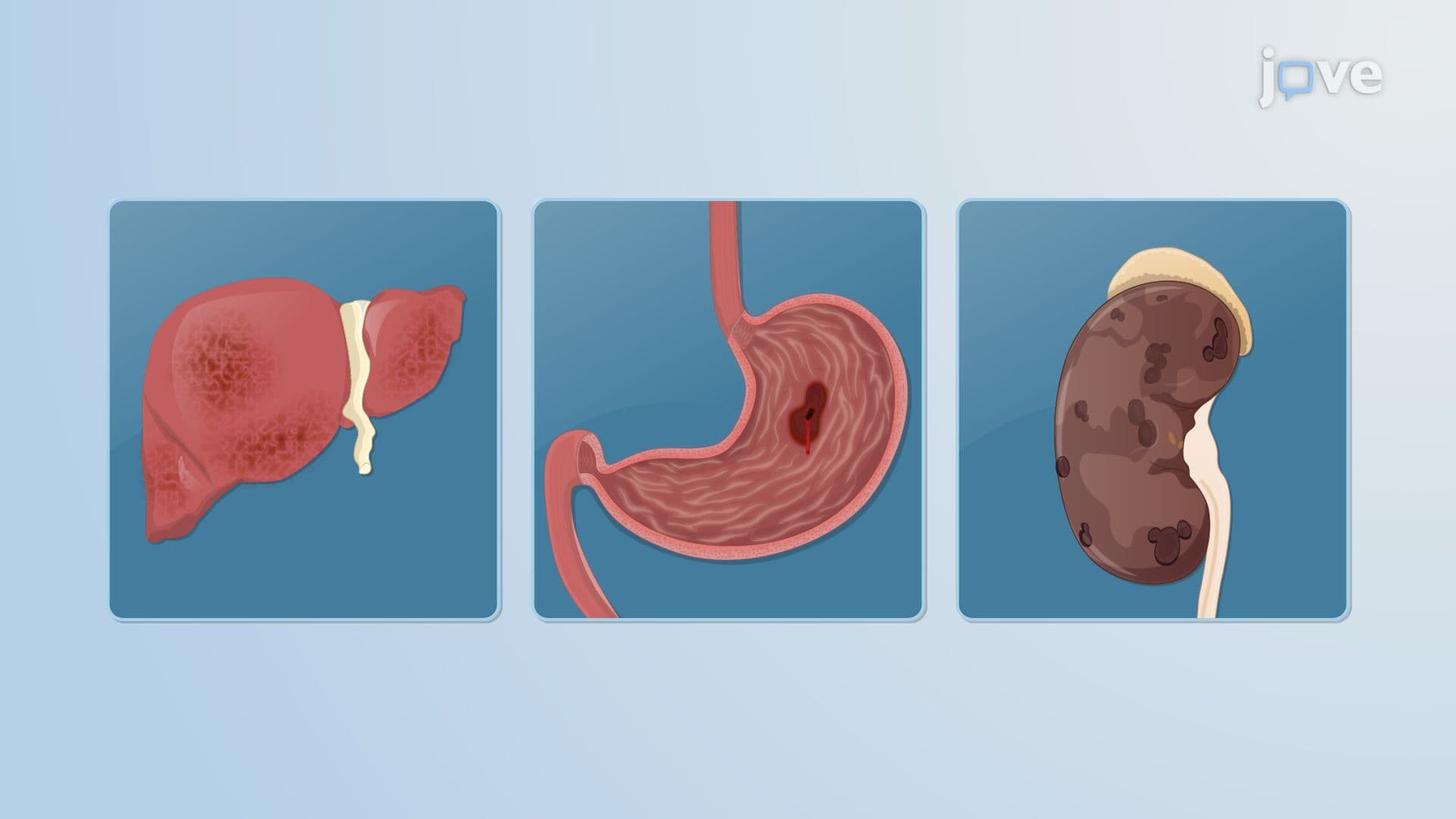
Picture a pharmaceutical development team reviewing patient complaint data. A significant proportion of individuals on a standard oral anti-inflammatory are reporting gastric discomfort, some discontinuing treatment entirely. The active compound is effective. The delivery, however, is failing the patient. This is precisely the problem that delayed-release systems in oral drug delivery systems were engineered to solve: delivering the right drug, to the right location, at the right time, without collateral damage along the way.
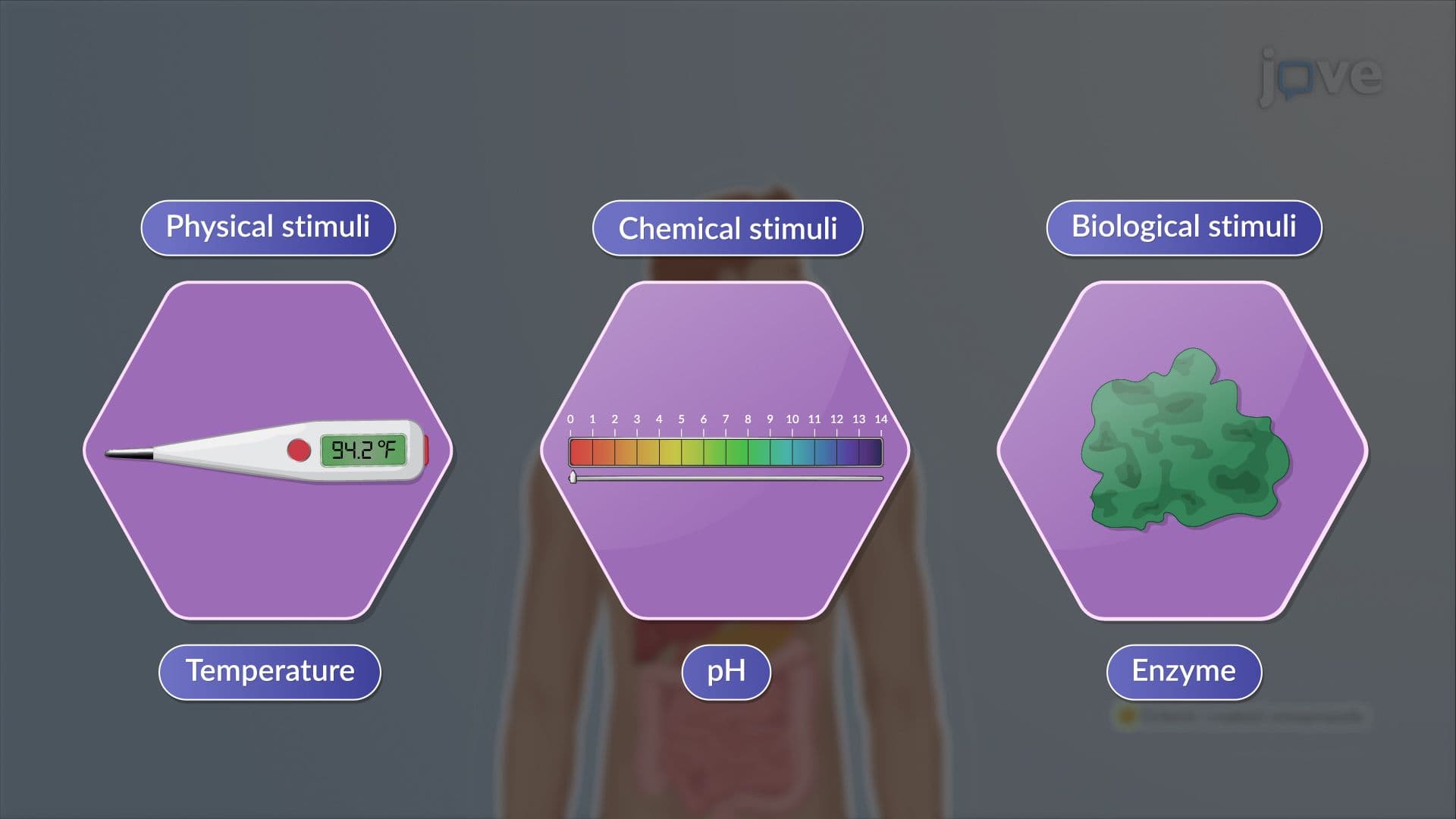
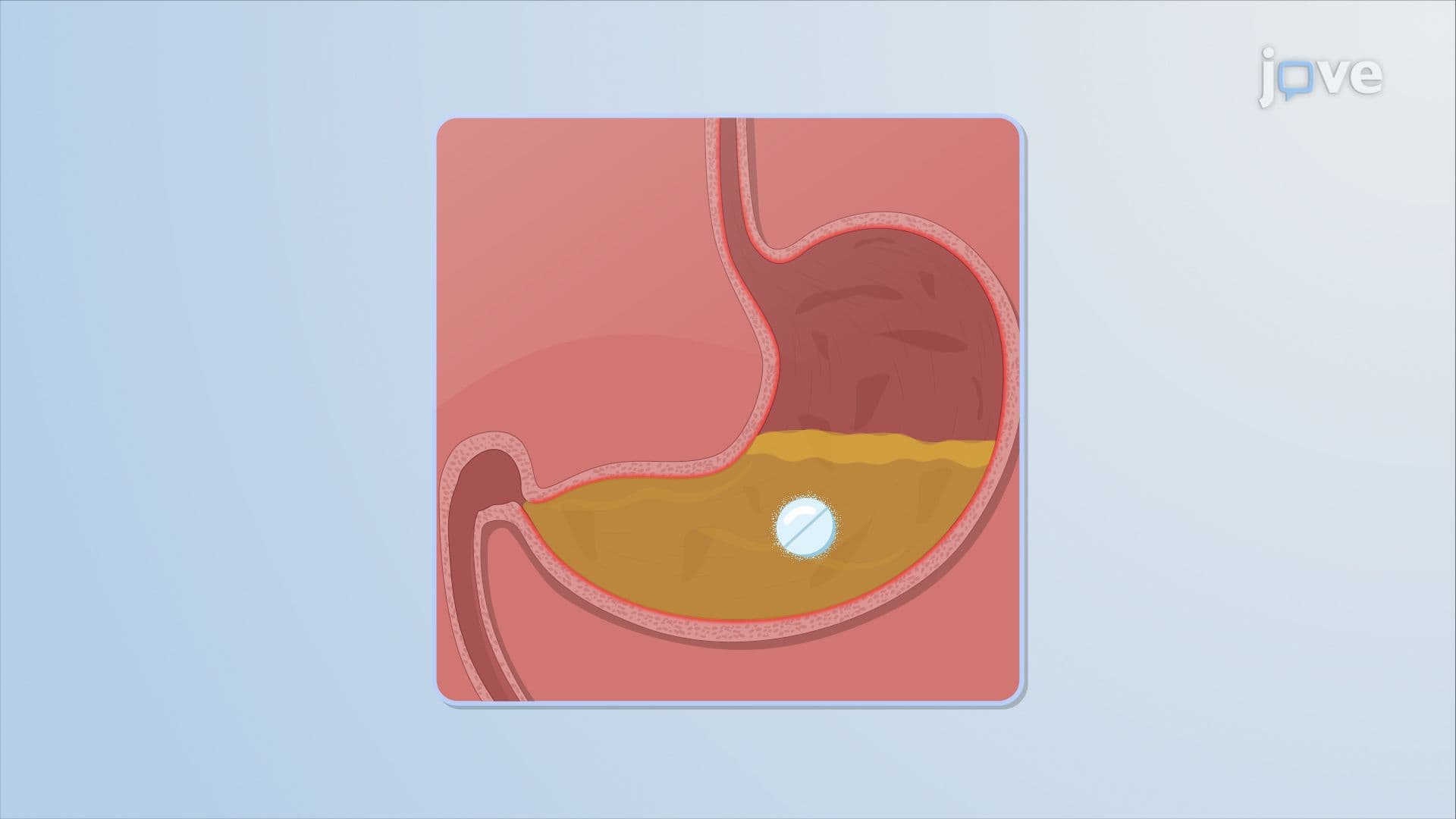
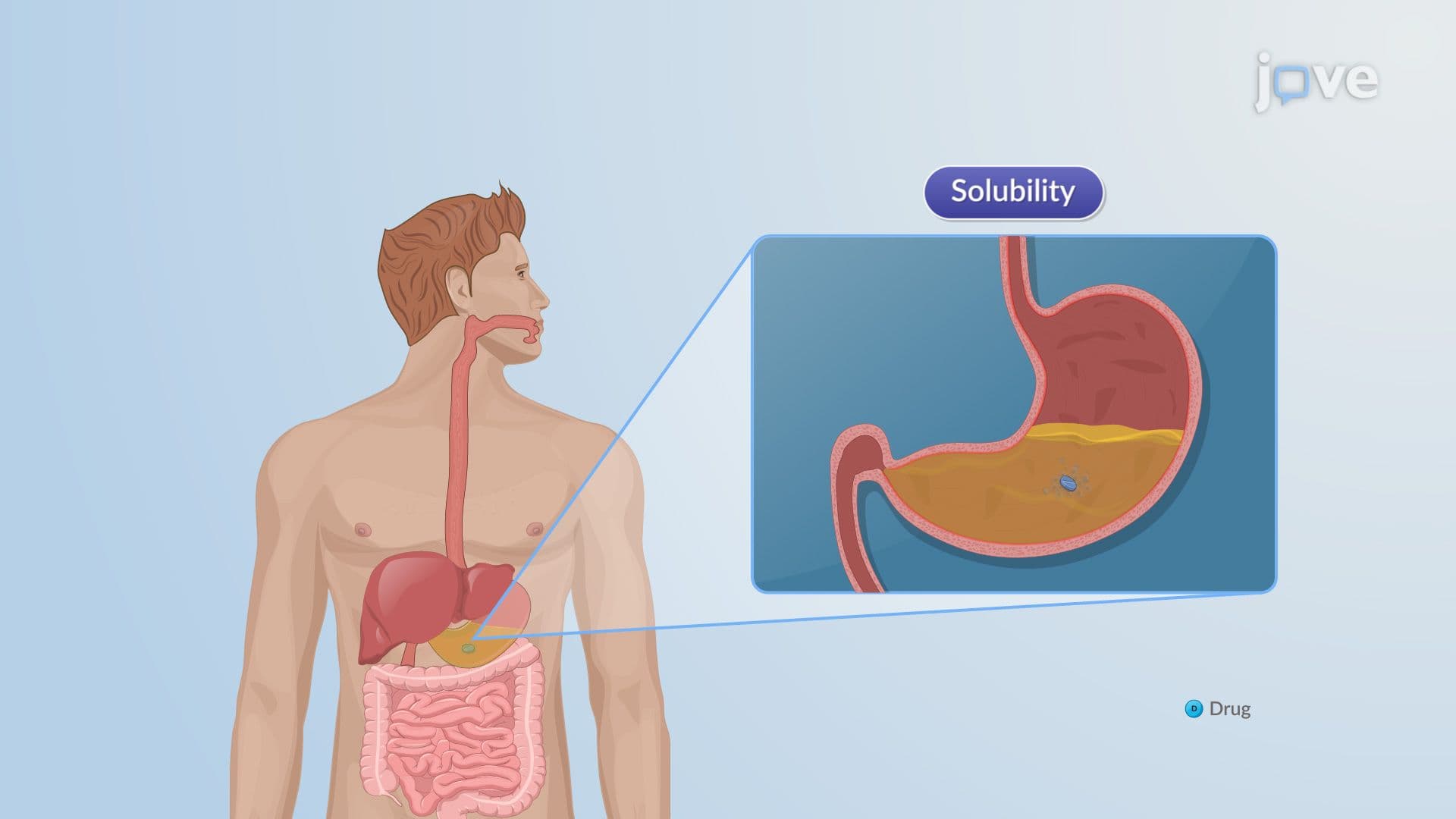
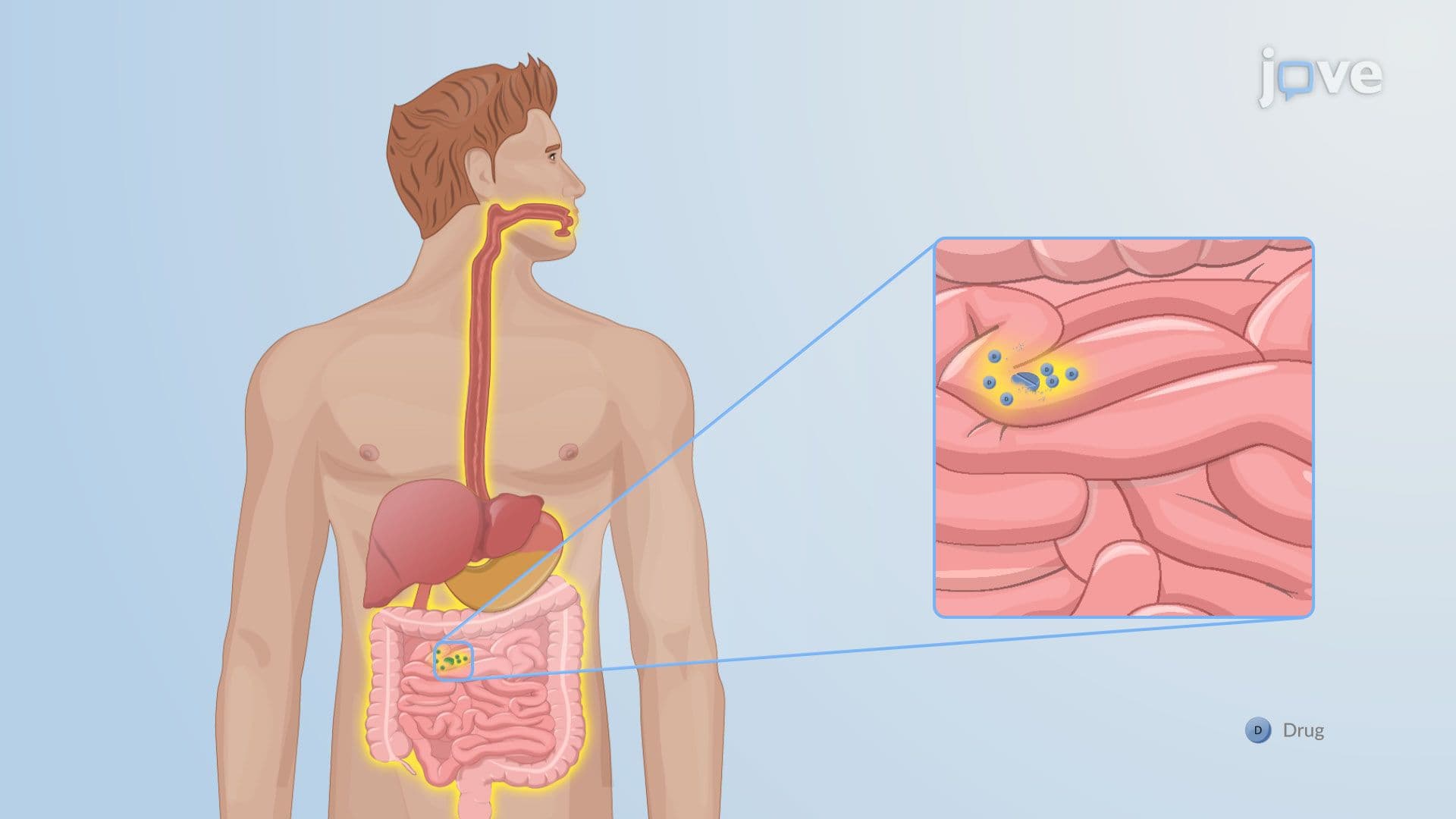
The gastrointestinal tract is not a uniform environment. Gastric pH hovers between 1.5 and 3.5, acidic enough to degrade acid-labile molecules and trigger mucosal irritation before a drug ever reaches its target tissue. Delayed-release systems address this by holding drug release in suspension until the formulation travels beyond the stomach into the higher-pH environment of the small intestine or colon, where pH rises to between 5.5 and 7.5. This shift from acidic to alkaline conditions is the physiological trigger that makes the entire system work.
For professionals working in pharmaceutical sciences, clinical pharmacology, or drug regulatory affairs, understanding this pH-gradient mechanism is foundational. It explains why two formulations of the same active ingredient can have dramatically different safety and efficacy profiles based solely on their release architecture.
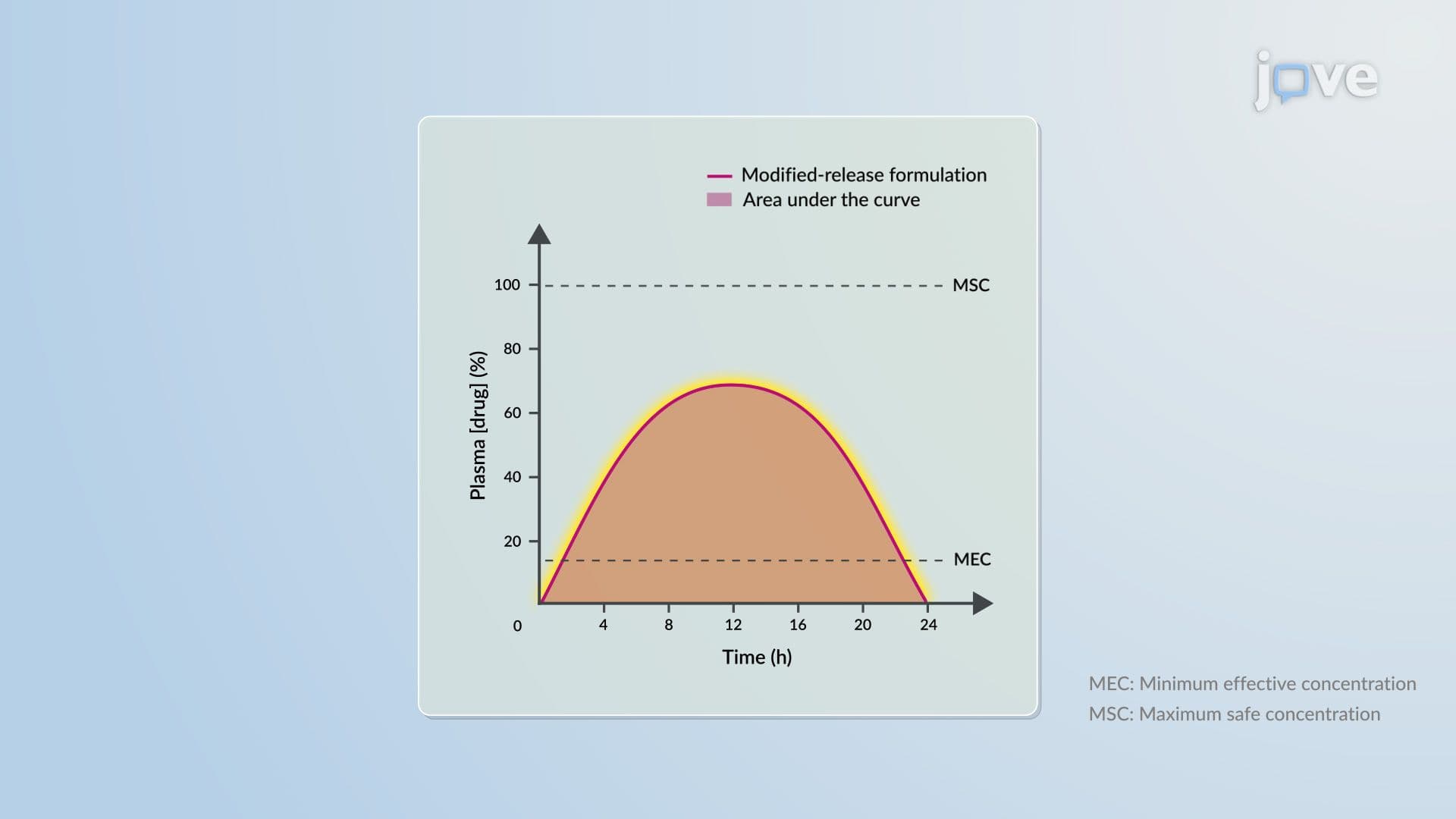
Delayed-release systems sit within the broader category of modified-release formulations, a family that also includes sustained-release, extended-release, and targeted-release systems. A useful way to map these is through a Release-Purpose Matrix:
Enteric coatings are the primary engineering tool for delayed-release designs. Polymers such as cellulose acetate phthalate and methacrylic acid copolymers remain intact at low pH but dissolve rapidly once intestinal pH is reached. This is not passive chemistry, it is deliberate material science applied to patient outcomes. Enteric-coated aspirin and diclofenac are among the most widely recognized clinical applications of this principle.
For colonic targeting, relevant in conditions such as inflammatory bowel disease, formulations like mesalamine extend this logic further, releasing drug not in the proximal intestine but in the terminal ileum and colon where the disease burden is concentrated.
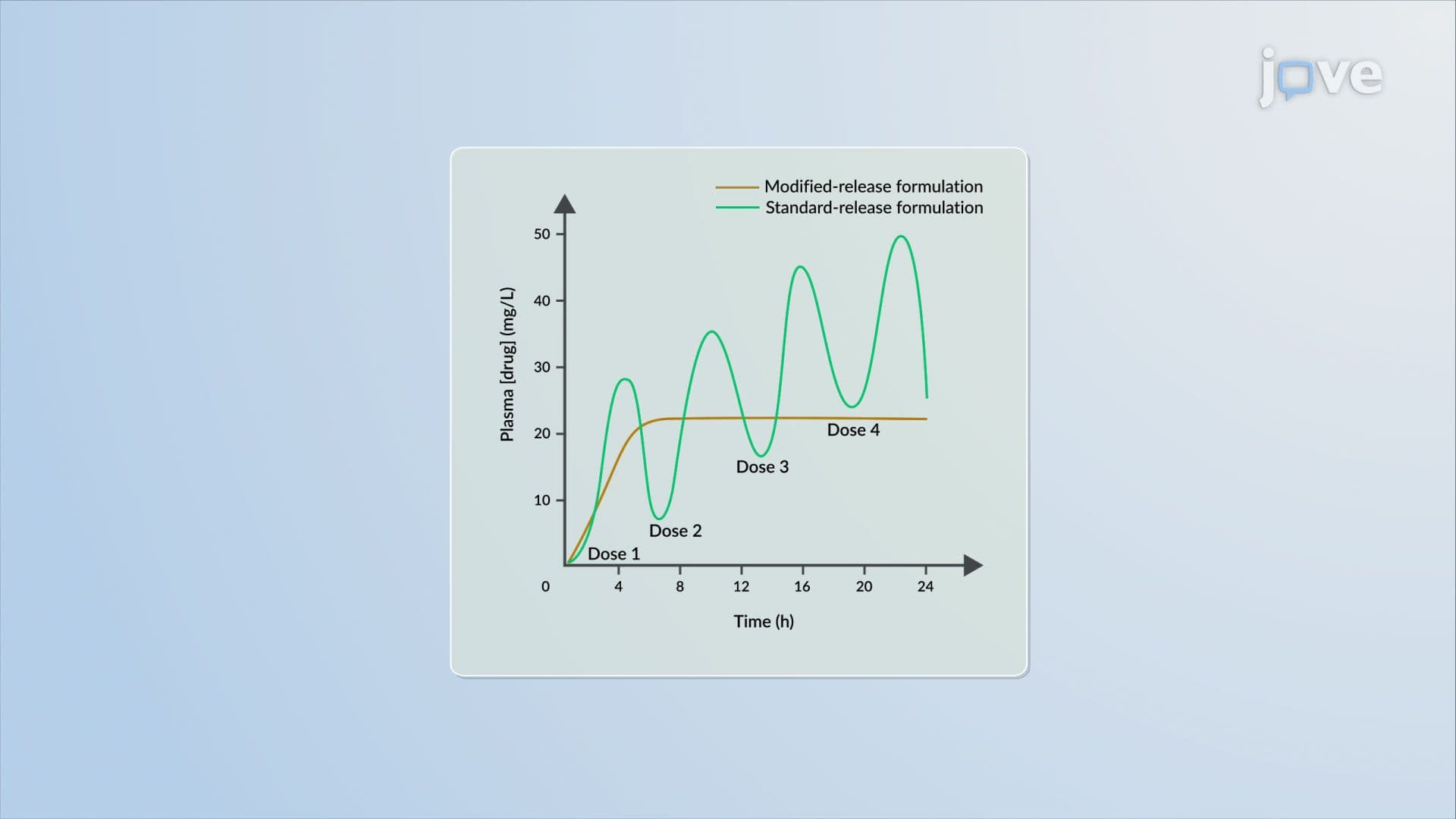
One of the most persistent misconceptions in pharmaceutical education and practice is conflating delayed release with sustained release. They are not interchangeable. Sustained release is about rate, slowing drug liberation over time to maintain steady plasma levels. Delayed release is about location, withholding drug release until a specific anatomical site is reached. A formulation can be both simultaneously, but the mechanisms are distinct and serve different therapeutic purposes.
Another frequent error is assuming enteric coatings only serve a protective function for the drug. They serve an equally important protective function for the patient, specifically the gastric mucosa. In clinical contexts, this distinction carries weight in prescribing rationale, patient counseling, and adverse event management.
For professionals in pharmaceutical development, regulatory submissions, or clinical research, the practical application of delayed-release principles shows up in formulation justification documents, bioequivalence study design, and labeling language. The question is never simply "does the drug work?", it is "does the delivery system allow the drug to work where and when it must?"
Understanding the polymer science behind enteric coatings, the classification of intestinal versus colonic release systems, and the targeted-release logic of formulations like mesalamine equips professionals to think critically about formulation selection, patient adherence challenges, and the downstream clinical implications of delivery system design.
Related Micro-courses