Loading video…

 17 Concepts
 4.8K views

Video Summary: What are Modified Release Drug Delivery Systems
Modified-release drug delivery systems basics become critical knowledge when managing teams responsible for pharmaceutical development, clinical operations, or patient safety compliance. Understanding what are modified-release drug delivery systems helps leaders make informed decisions around product quality, formulation risk, and regulatory adherence. These systems control drug release timing to stabilize therapeutic levels, reduce side effects, and improve patient outcomes. Watch the full video on JoVE Coach to master this concept with expert-led visuals and step-by-step explanations.
Picture this: a product development team has just escalated a formulation concern two weeks before a regulatory submission deadline. The extended-release coating on a critical compound is underperforming, and no one in the room is aligned on whether this is a safety issue, a compliance issue, or simply a manufacturing process gap. This is precisely the moment when a manager with deep conceptual clarity about modified-release drug delivery systems can step in and lead, not just coordinate.
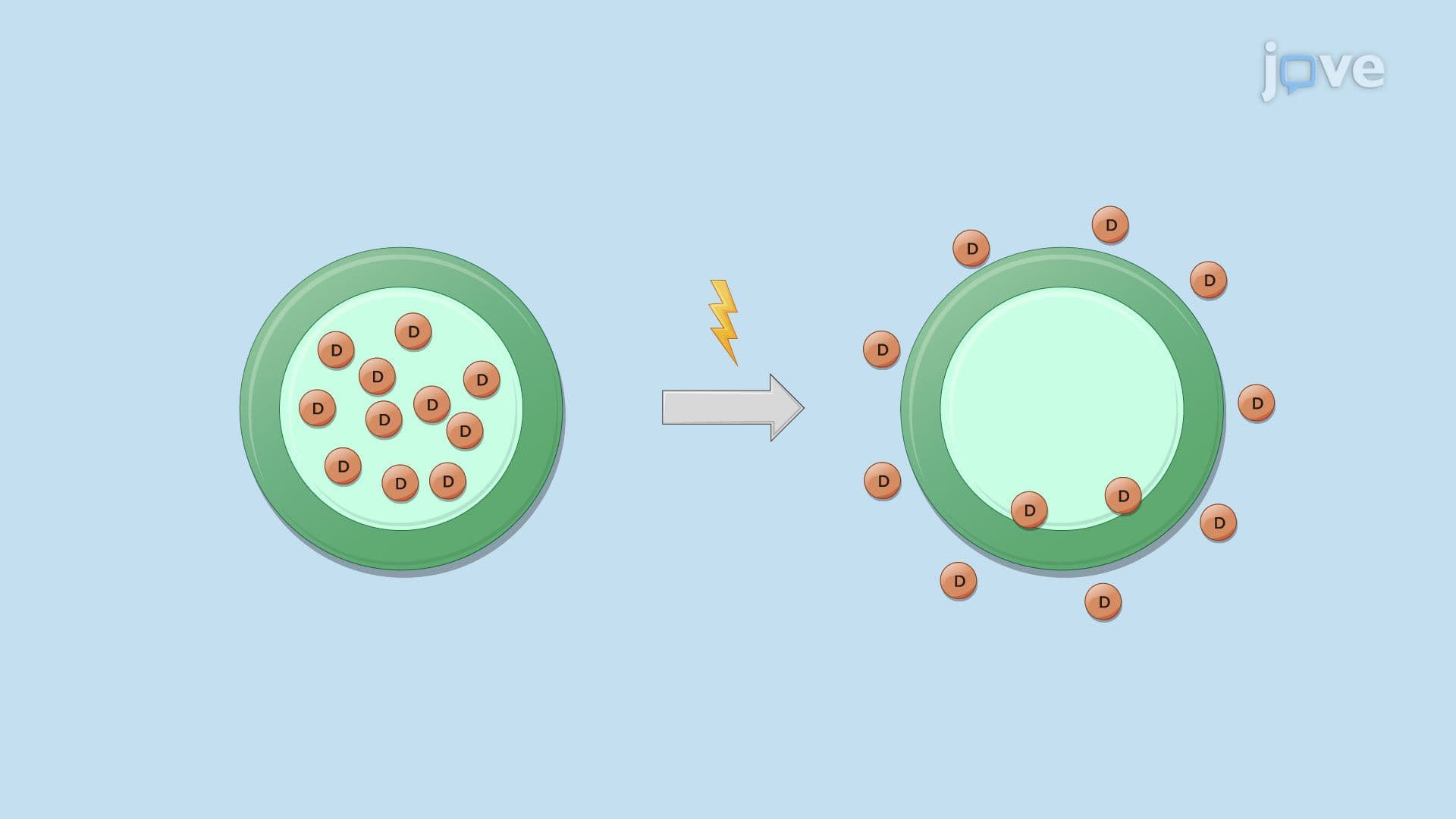
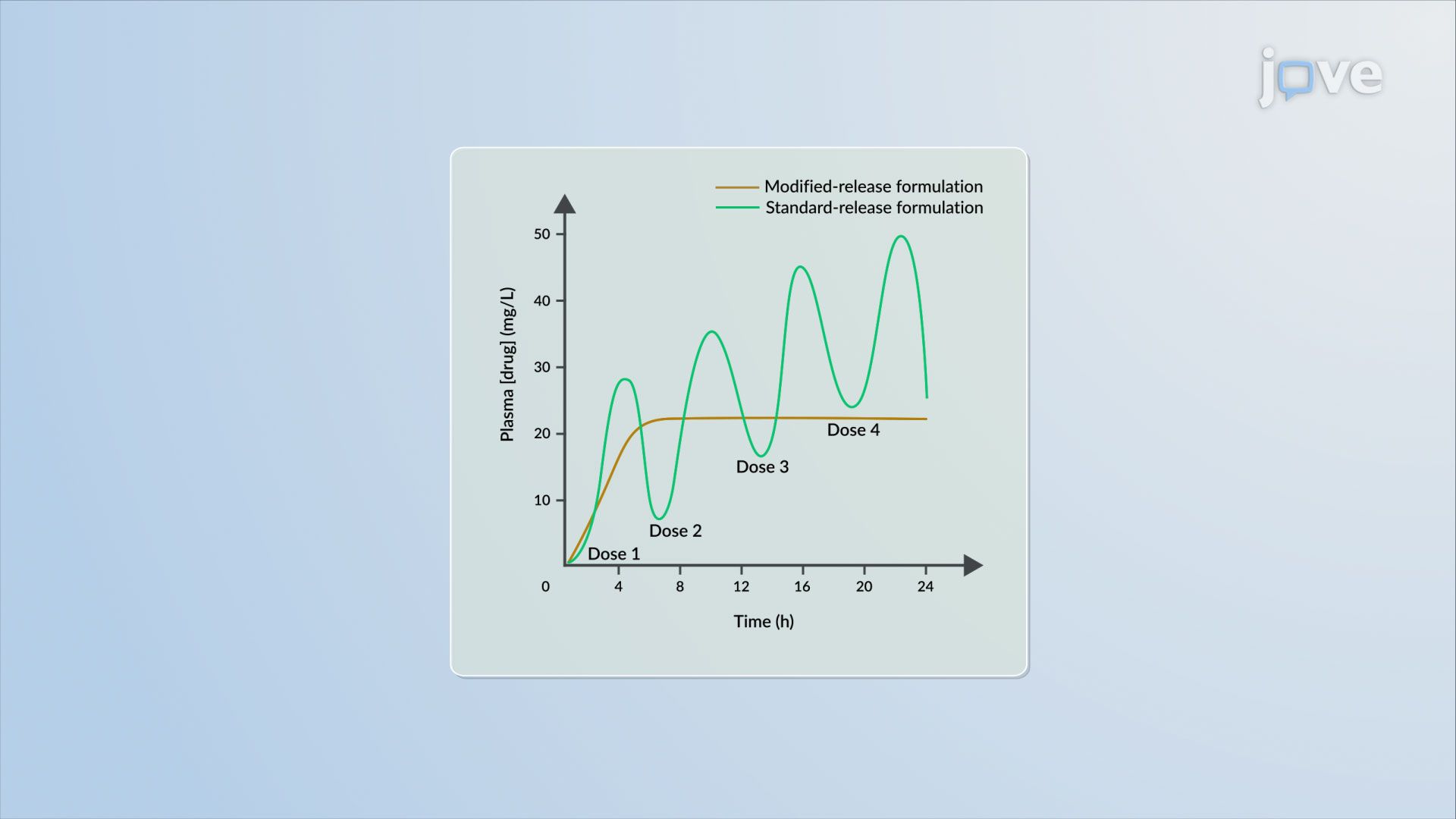
Modified-release drug delivery systems are designed to control the rate, timing, and location of drug release within the body. Unlike conventional immediate-release formulations, they sustain therapeutic drug concentrations over an extended period, reducing dosing frequency and maintaining stable blood levels that improve both safety and treatment effectiveness.
For managers overseeing pharmaceutical, biotech, or clinical operations teams, this isn't abstract science. It directly shapes how your team prioritizes formulation validation work, interprets quality deviations, and communicates risk to senior stakeholders. The core categories, extended-release (ER), sustained-release, controlled-release, and targeted delivery systems including nanoparticles and liposomes, each carry distinct performance profiles and failure modes that your team must be equipped to distinguish.
Many managers inherit teams with strong technical specialists but weak cross-functional communication. The gap typically appears during design review meetings: scientists speak in bioavailability percentages while operations leads focus on manufacturing constraints, and neither group lands on a shared risk threshold.
Apply a RACI framework here. Clarify who is Responsible for formulation testing, who is Accountable for safety sign-off, who needs to be Consulted on enteric coating decisions, and who must be Informed when bioavailability data diverges from projections. This prevents the most common failure mode in modified-release development projects: diffuse accountability when dose-dumping or absorption variability is detected.
First-pass metabolism variability is another area where managerial clarity matters. Drug bioavailability can shift significantly depending on the patient population, the metabolic pathway involved, and the specific formulation design chosen. A manager who can frame this uncertainty as a structured risk, rather than a technical unknown, enables faster, better team decisions.
Use a Risk-Impact Matrix as a standing tool in your team's formulation review cadence. Assign each identified limitation, inadequate enteric coating, size constraints in large-dose ER forms, first-pass metabolism unpredictability, a likelihood score and a patient safety impact rating. This shifts team conversations from reactive troubleshooting to proactive risk governance.
Additionally, apply the 70-20-10 development model when building team capability around modified-release systems. Seventy percent of learning should come from hands-on formulation projects and cross-functional reviews. Twenty percent from peer mentorship with more experienced formulation scientists. Ten percent from structured reference materials or expert-led content. Managers who create this learning environment build teams that catch formulation risks earlier, and escalate them more clearly.
In your next formulation review or project gate meeting, lead with three questions: What is the intended release mechanism, and what are the known failure points? What patient compliance or safety outcome does this formulation design directly support? And if this design fails, what is the earliest detectable signal, and who owns the response?
These questions reframe the team's technical work within a patient outcome and operational risk context, the two lenses that matter most when briefing senior leadership or regulatory bodies on modified-release system decisions.
Related Micro-courses