Loading video…


 17 Concepts
 4.8K views

Video Summary: Bioavailability in Modified Release Drug Delivery Systems
Bioavailability in modified-release drug delivery systems is a concept every pharmaceutical professional managing formulation or clinical teams must understand to make sound decisions. Inconsistent drug release data creates costly downstream problems, from flawed study designs to misread therapeutic outcomes. Understanding bioavailability in modified-release drug delivery systems basics sharpens how you evaluate evidence, brief stakeholders, and lead cross-functional reviews. Watch the full video on JoVE Coach to master this concept with expert-led visuals and step-by-step explanations.
Picture this: your formulation team has just completed a modified-release study, and the plasma concentration data lands on your desk two days before a steering committee review. Two team members interpret the fluctuation data differently. One flags a potential dose-dumping issue; the other dismisses it as within acceptable range. As the manager, you need to facilitate a resolution, fast. That moment is exactly where a working understanding of bioavailability in modified-release drug delivery systems stops being academic and starts being operationally critical.
Most cross-functional teams treat bioavailability as a downstream concern, something the data scientists handle after formulation decisions are locked. That assumption is expensive. Modified-release systems are specifically engineered to sustain plasma drug levels and reduce the peaks and troughs that conventional-release formulations create. But because drug release is prolonged and absorption phases extend well beyond standard windows, bioavailability is almost never 100%. First-pass metabolism adds another layer of complexity, particularly for oral formulations. When your team doesn't share a working model of these dynamics, interpretation gaps widen, and steering committees lose confidence in your team's readiness.
A useful framework here is the Input-Process-Output (IPO) Review Model applied to bioavailability evaluation. Before any study readout, structure your team's review in three phases:
1. Input review, What study design was used? Single-dose studies reveal absorption characteristics; multiple-dose studies reveal whether sustained therapeutic levels are being maintained, what steady-state concentration ratios look like, and whether percent fluctuation falls within acceptable bounds. Confirm which reference standard was used, an immediate-release formulation or an oral solution, and why.
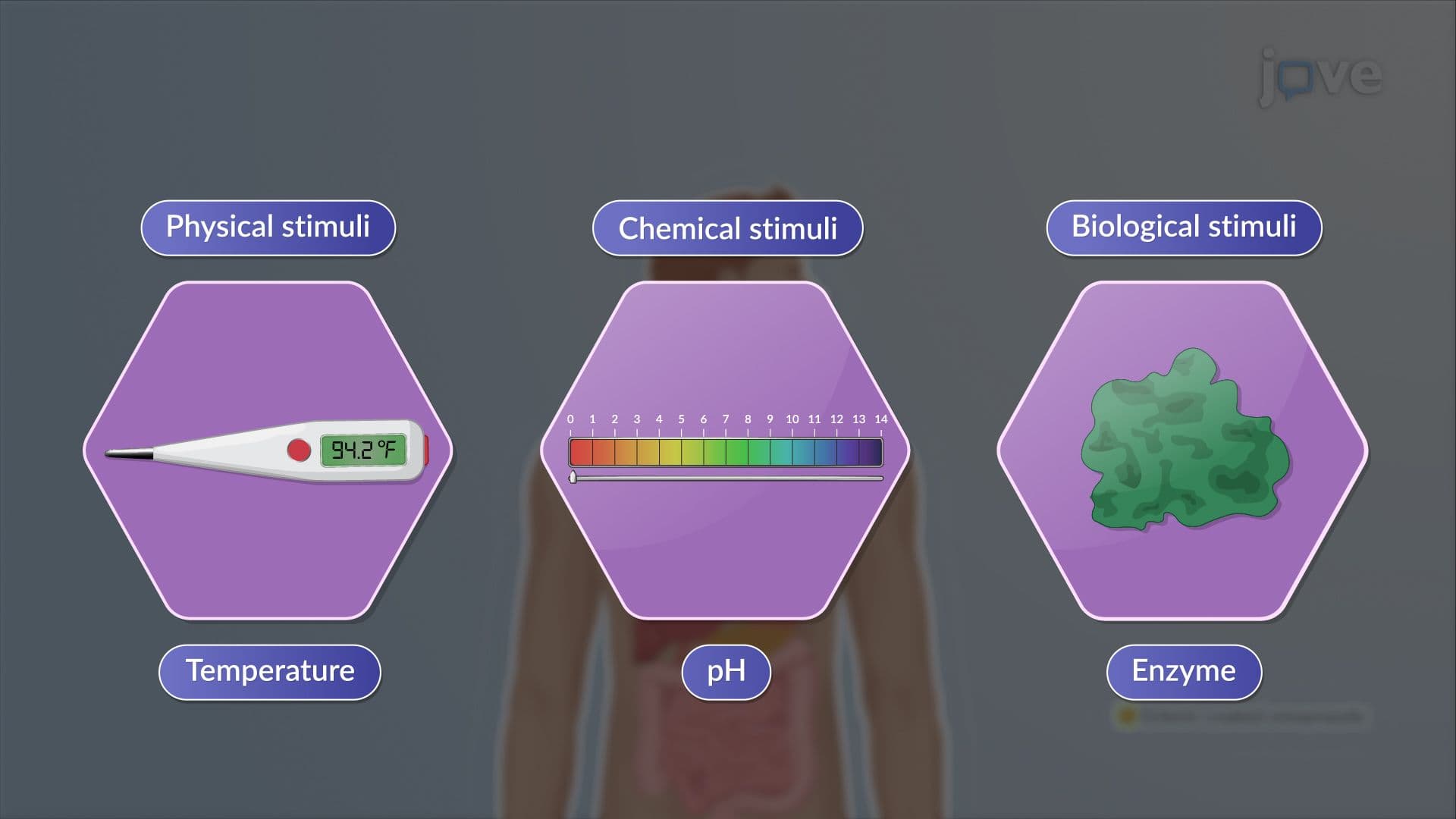
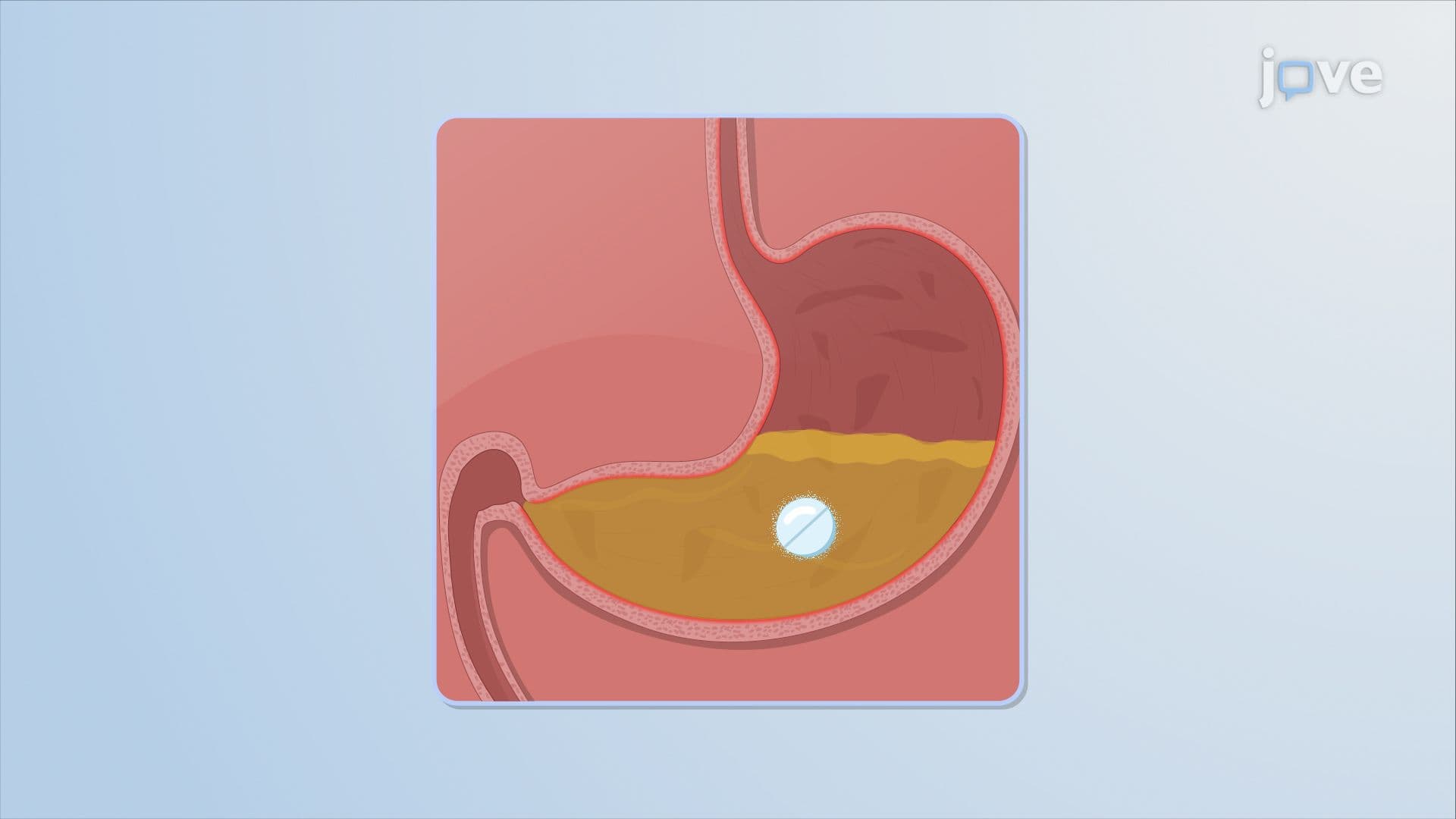
2. Process review, How was in vitro bioequivalence testing conducted? Challenge your team to walk through the biorelevant dissolution media used, how gastrointestinal pH variations were accounted for, and whether fed versus fasted conditions were both addressed.
3. Output alignment, What does the data mean for the next decision gate? Translate findings into plain-language implications for regulatory submissions, commercial timelines, or further development iterations.
This structured review builds shared language across scientists, project managers, and regulatory specialists, reducing the friction that derails milestone meetings.
The most common error is conflating in vitro release profiles with confirmed in vivo bioavailability. These are connected but not equivalent. In vitro tests simulate conditions; in vivo studies measure what actually happens in a biological system under real variability, food intake, circadian rhythms, individual patient differences. A second frequent mistake is under-resourcing food-effect studies early in development, only to encounter labeling complications later. As a manager, build checkpoints at project initiation to confirm that food and circadian rhythm impact assessments are scoped into the study plan, not treated as optional add-ons.
Use the RACI model to clarify who is Responsible, Accountable, Consulted, and Informed on bioavailability interpretation decisions. Formulation scientists own the technical interpretation (Responsible). You, as the manager, are Accountable for the quality of the team's output and the accuracy of what gets presented upward. Regulatory affairs and clinical leads are Consulted. Commercial and executive stakeholders are Informed. Without this clarity, bioavailability reviews become opinion-driven rather than evidence-driven, and the team's credibility suffers.
Related Micro-courses