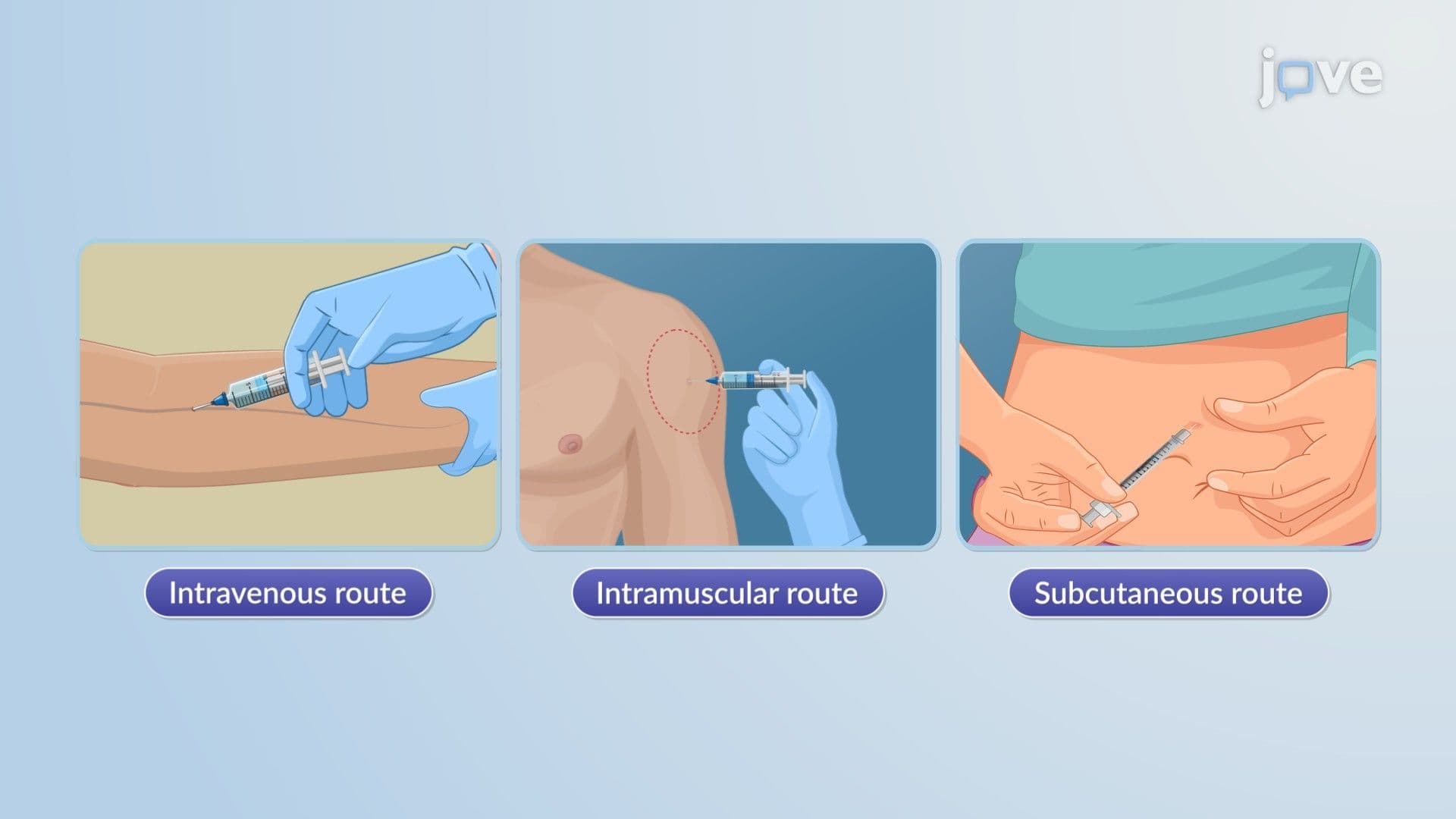
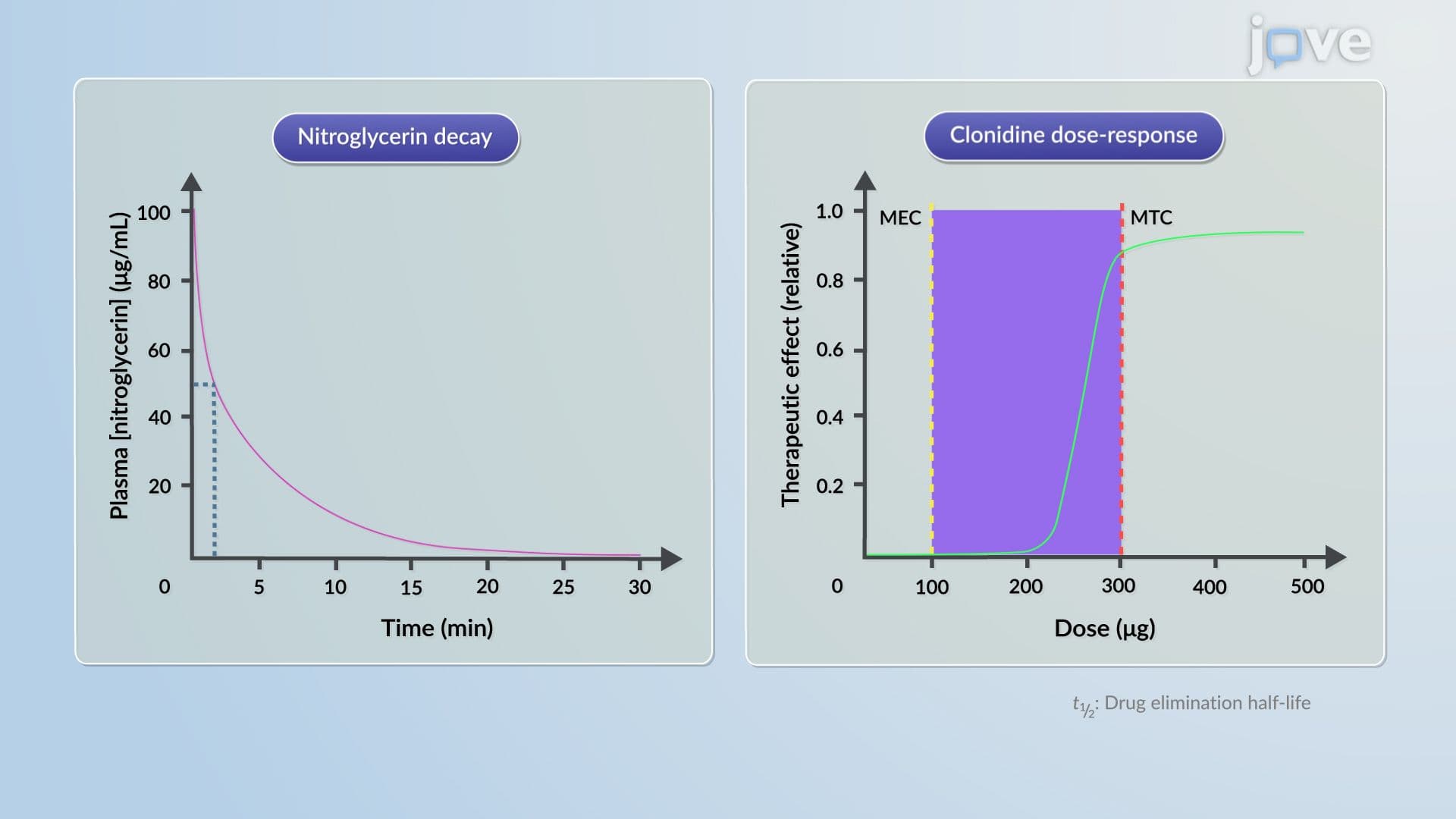
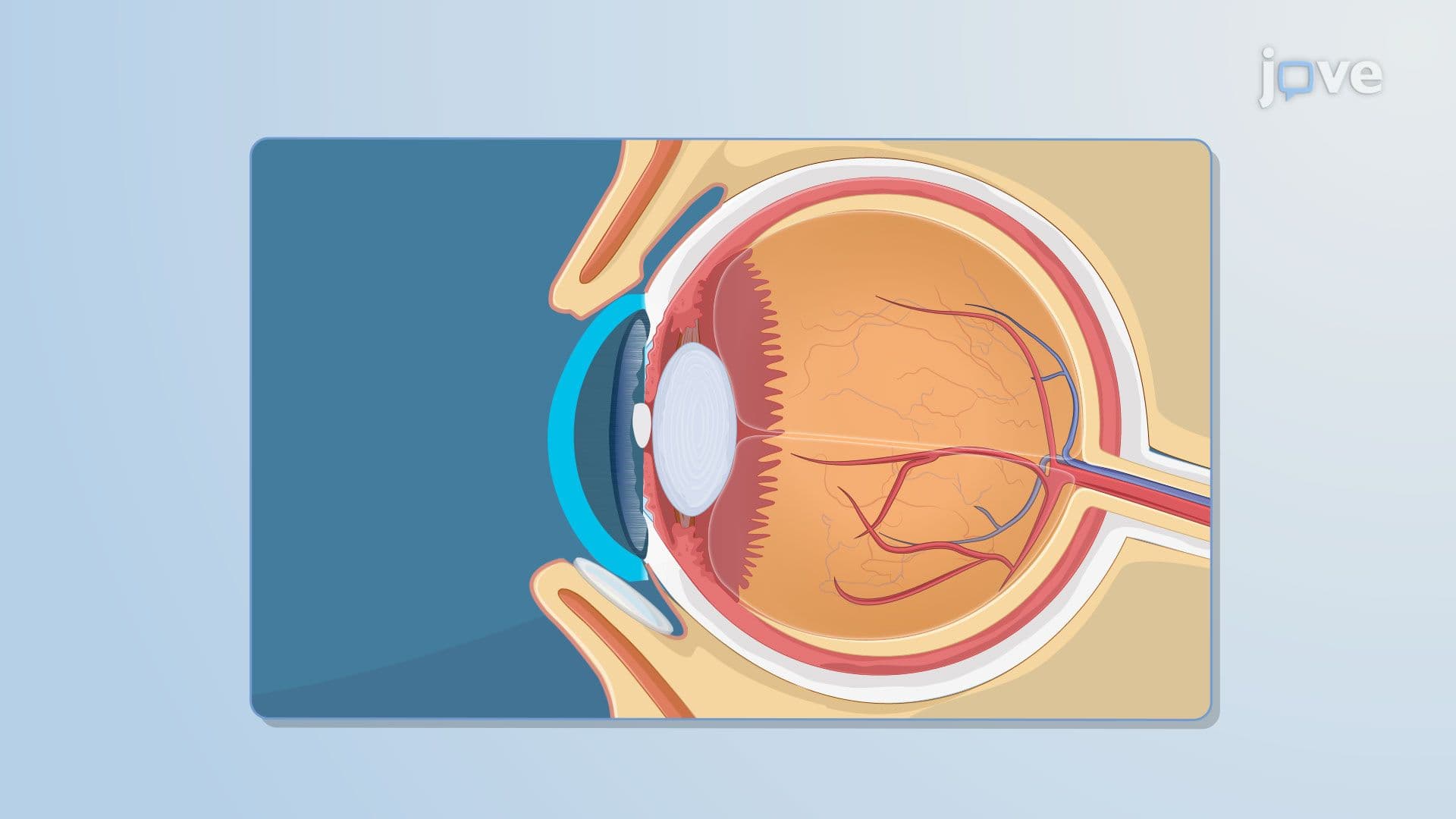
Loading video…

 17 Concepts
 4.8K views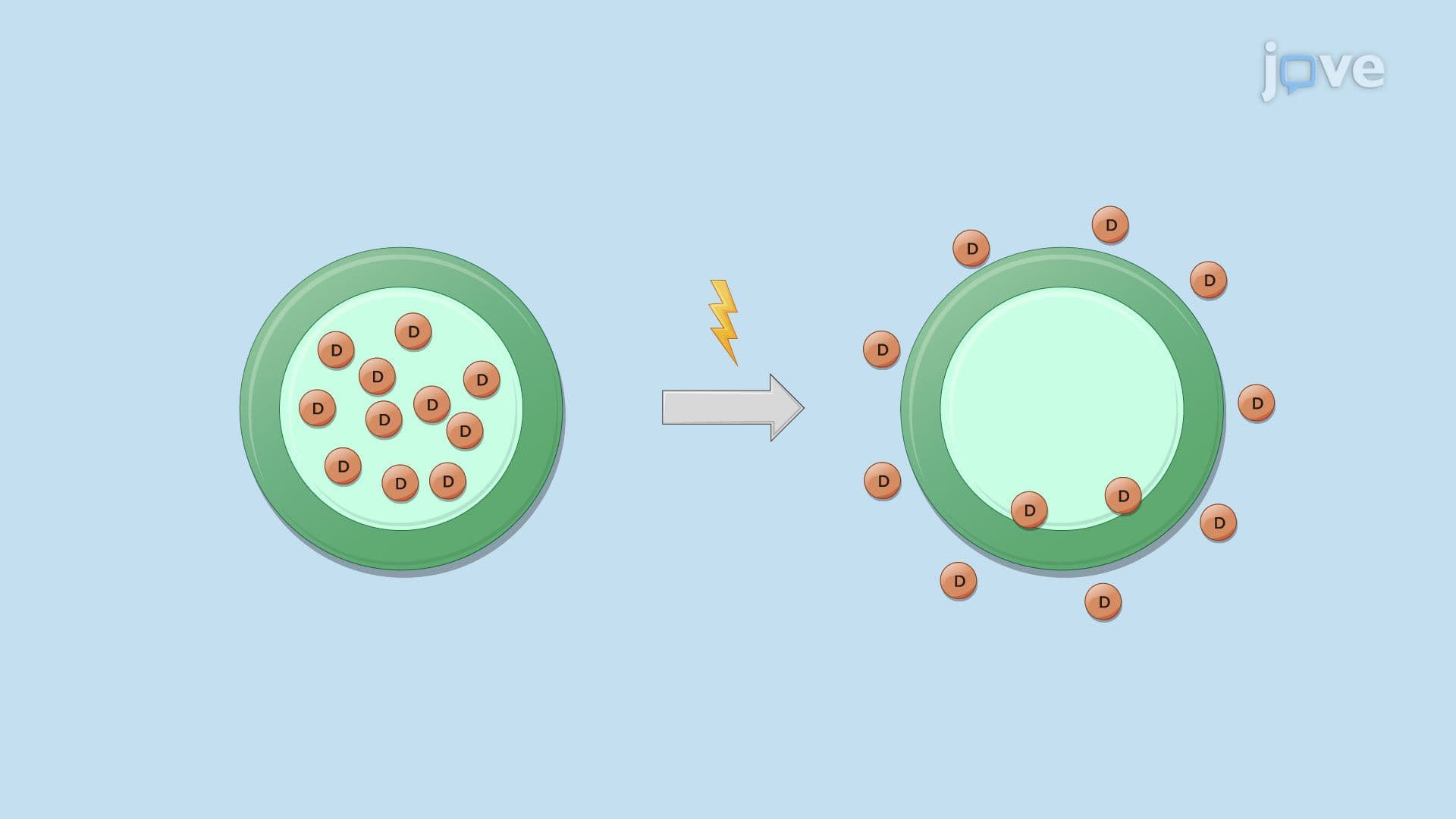

Video Summary: Stimuli Activated Modified Release Drug Delivery Systems
Stimuli-activated modified-release drug delivery systems represent a breakthrough in precision medicine that every pharmaceutical professional managing research or clinical teams needs to understand. These systems release therapeutics only when triggered by specific biological or external signals, eliminating guesswork from dosing protocols. Understanding the basics transforms how teams approach formulation strategy and patient outcome planning. Watch the full video on JoVE Coach to master this concept with expert-led visuals and step-by-step explanations.
Imagine your formulation team is midway through a pipeline review. A senior scientist proposes switching from a conventional sustained-release tablet to a responsive system that activates only in the presence of a specific enzyme. Half the room nods enthusiastically. The other half looks uncertain. The project manager asks a question no one answers cleanly: *How does the system know when to release?* That gap in shared understanding is exactly where Stimuli-Activated Modified-Release Drug Delivery Systems basics become a critical leadership tool, not just a scientific concept.
The challenge isn't technical complexity, it's translation. Managers in pharmaceutical R&D, clinical operations, and product development often oversee professionals from diverse specializations. A drug delivery scientist understands hydrogel polymer networks intuitively. A regulatory affairs lead or a manufacturing engineer may not. When managers can't bridge that gap, project timelines slow, alignment breaks down, and decisions get deferred.
The core principle here is elegant: stimuli-activated systems release drugs only when a specific trigger is detected. That trigger can be external, applied by a clinician or device, or internal, arising from the patient's own physiology. Framing it this way gives every stakeholder a usable mental model, regardless of their scientific background.
One of the most practical frameworks you can apply immediately is the open-loop vs. closed-loop distinction, and it maps surprisingly well onto team decision-making models.
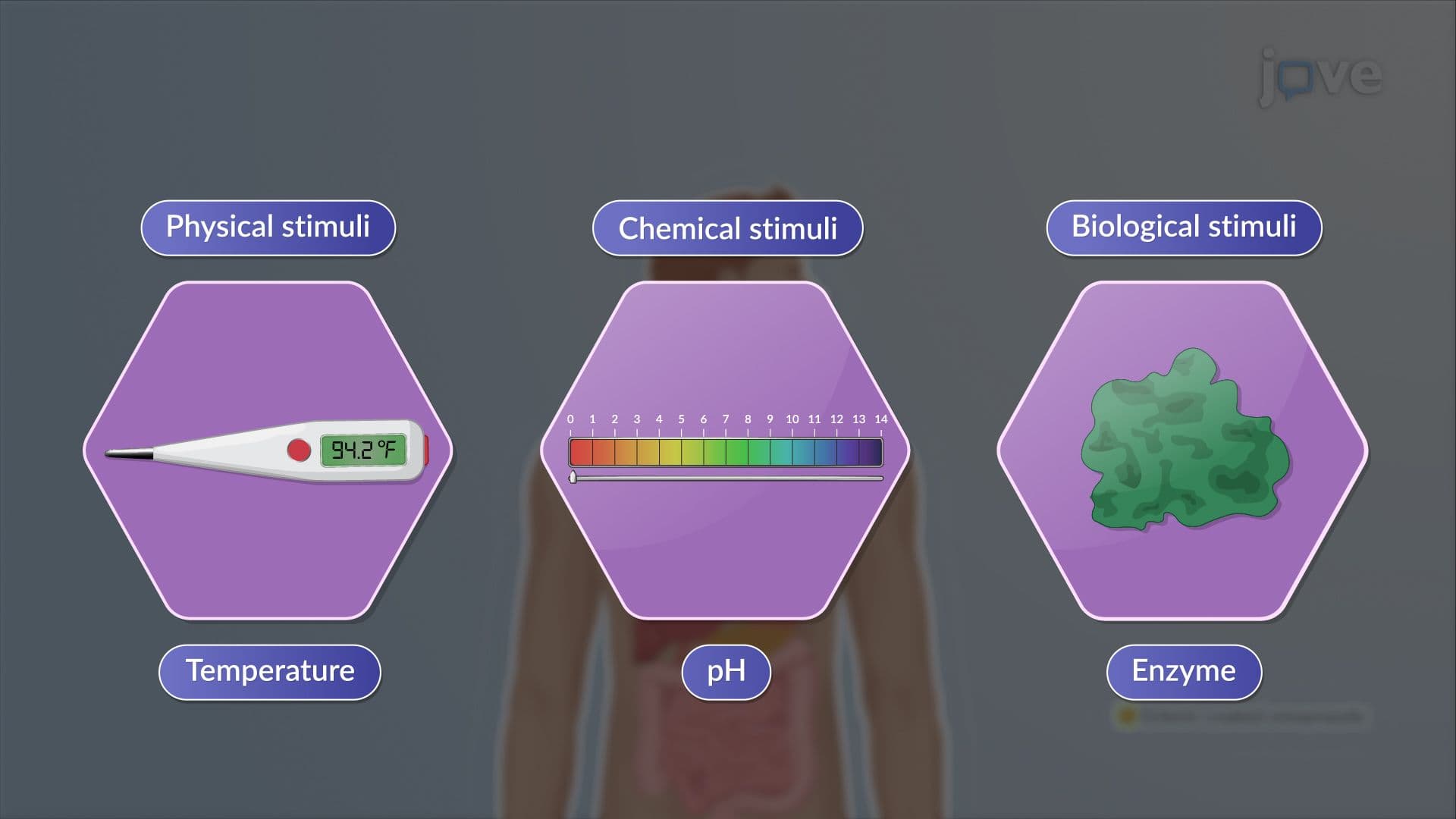
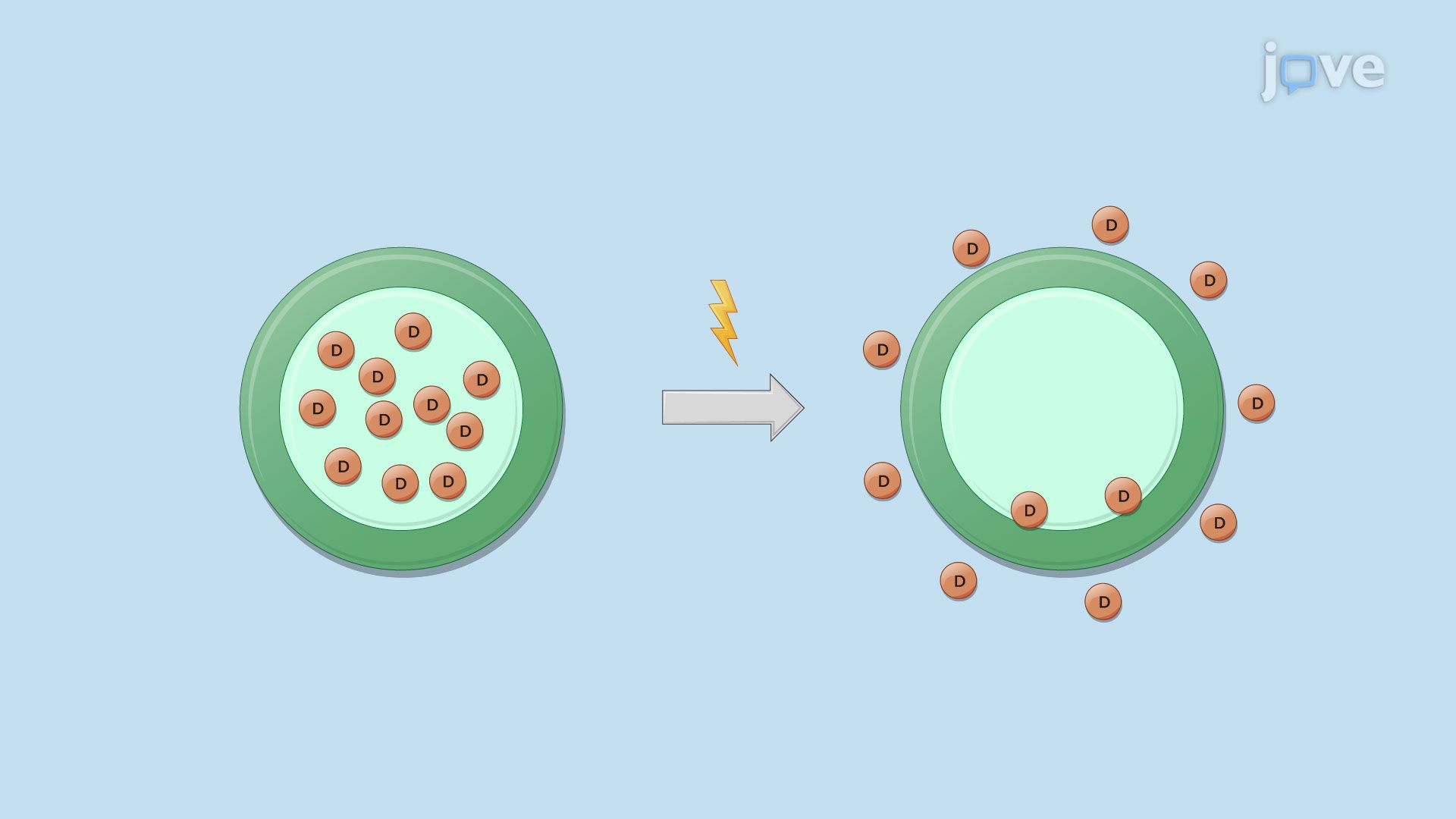
Open-loop systems require an external signal to initiate drug release. Examples include temperature changes, ultrasound pulses, magnetic fields, and electrical currents. Think of these as *manager-initiated interventions*: deliberate, externally applied, and effective when the timing is known in advance.
Closed-loop systems are self-regulating. They detect internal physiological shifts, changes in pH, enzyme activity, or metabolic signals, and adjust drug release automatically. These mirror *empowered team dynamics*: systems designed to respond intelligently without constant oversight.
Using this analogy in project briefings helps cross-functional teams internalize not just what these systems do, but *why* they represent a strategic leap in precision medicine. Apply the same logic to how you structure team workflows, the best teams, like the best drug delivery systems, respond adaptively to internal signals rather than waiting for top-down direction.
When preparing for a formulation strategy session or cross-functional review, use the trigger classification matrix as a discussion tool:
Ask your team: *Which trigger category best matches our target disease state and patient environment?* This single question refocuses technical debate into patient-centered decision-making, which is where the strongest formulation strategies originate.
Pair this with a RACI model to clarify who is responsible for evaluating each trigger category across research, regulatory, and clinical development. Ambiguity around ownership is one of the most common reasons promising formulation concepts stall between phases.
The most frequent mistake managers make with stimuli-activated systems is treating them as a late-stage consideration rather than a foundational design choice. By the time manufacturing or regulatory teams surface concerns, reversing course is expensive. Build trigger-type evaluation into your earliest-stage project gates.
A second mistake: conflating *smart* with *complex*. Stimuli-activated systems, including hydrogel-based designs, are sophisticated, but their value lies in their precision, not their intricacy. Keep that message clear when presenting to non-technical leadership or commercial stakeholders.
Related Micro-courses