Loading video…

 17 Concepts
 4.8K views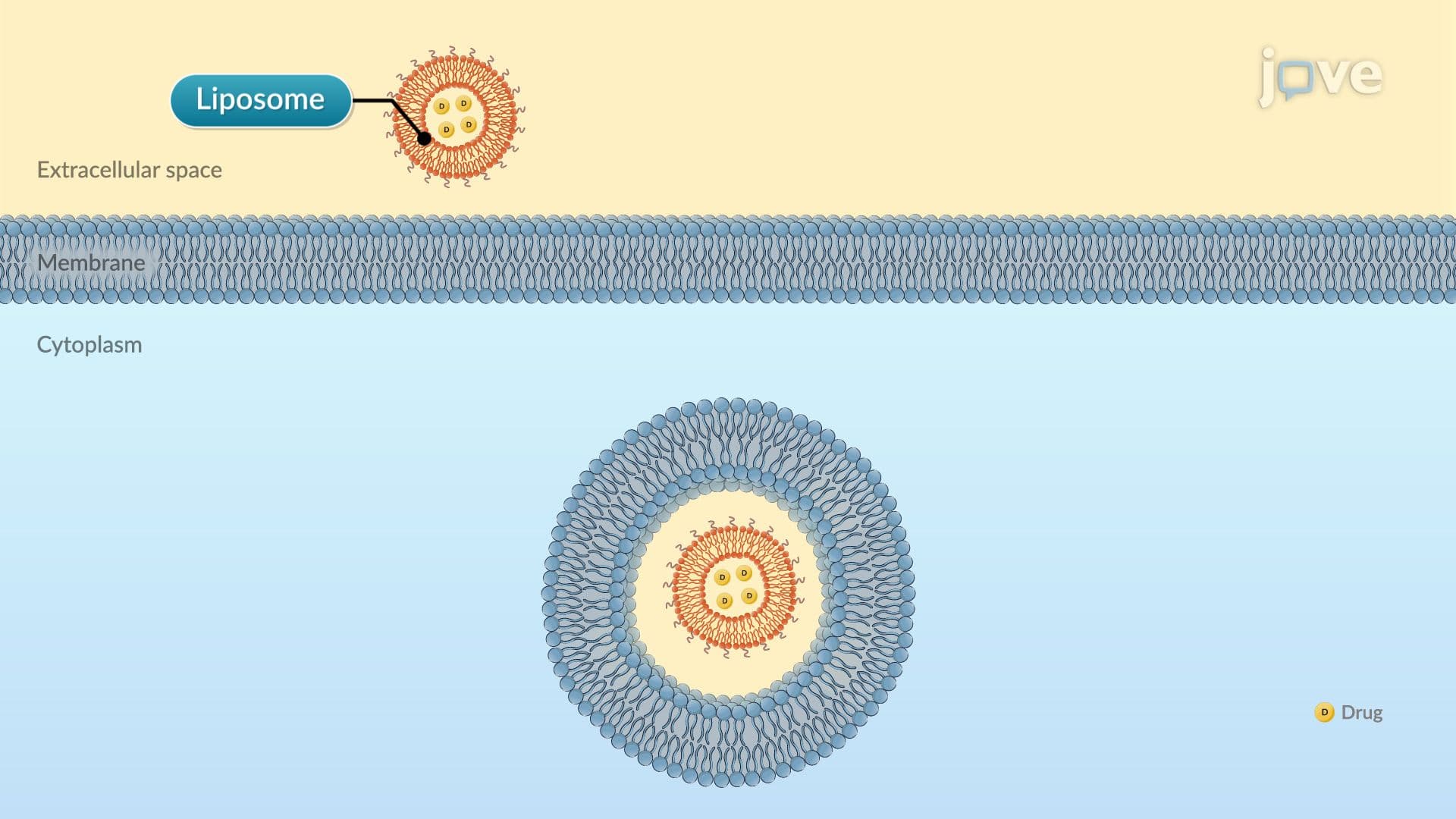

Video Summary: Site Targeted Modified Release Drug Delivery Systems
Site-targeted modified-release drug delivery systems represent a foundational concept in precision pharmacology that every professional working at the intersection of therapeutics and innovation needs to understand. When conventional treatments cause unnecessary side effects or fail to reach the right tissue, targeted delivery systems offer a smarter path forward. Watch the full video on JoVE Coach to master this concept with expert-led visuals and step-by-step explanations.
Imagine a treatment that reaches exactly the right cell, not flooding the entire body with a drug, but directing it with surgical precision to the tumor, the inflamed tissue, or the specific intracellular structure causing harm. That is the fundamental promise of site-targeted modified-release drug delivery systems. For professionals working in pharmaceutical development, clinical research, biomedical engineering, or health innovation, this is not an abstract concept, it is a practical framework for designing therapies that work smarter, not harder.
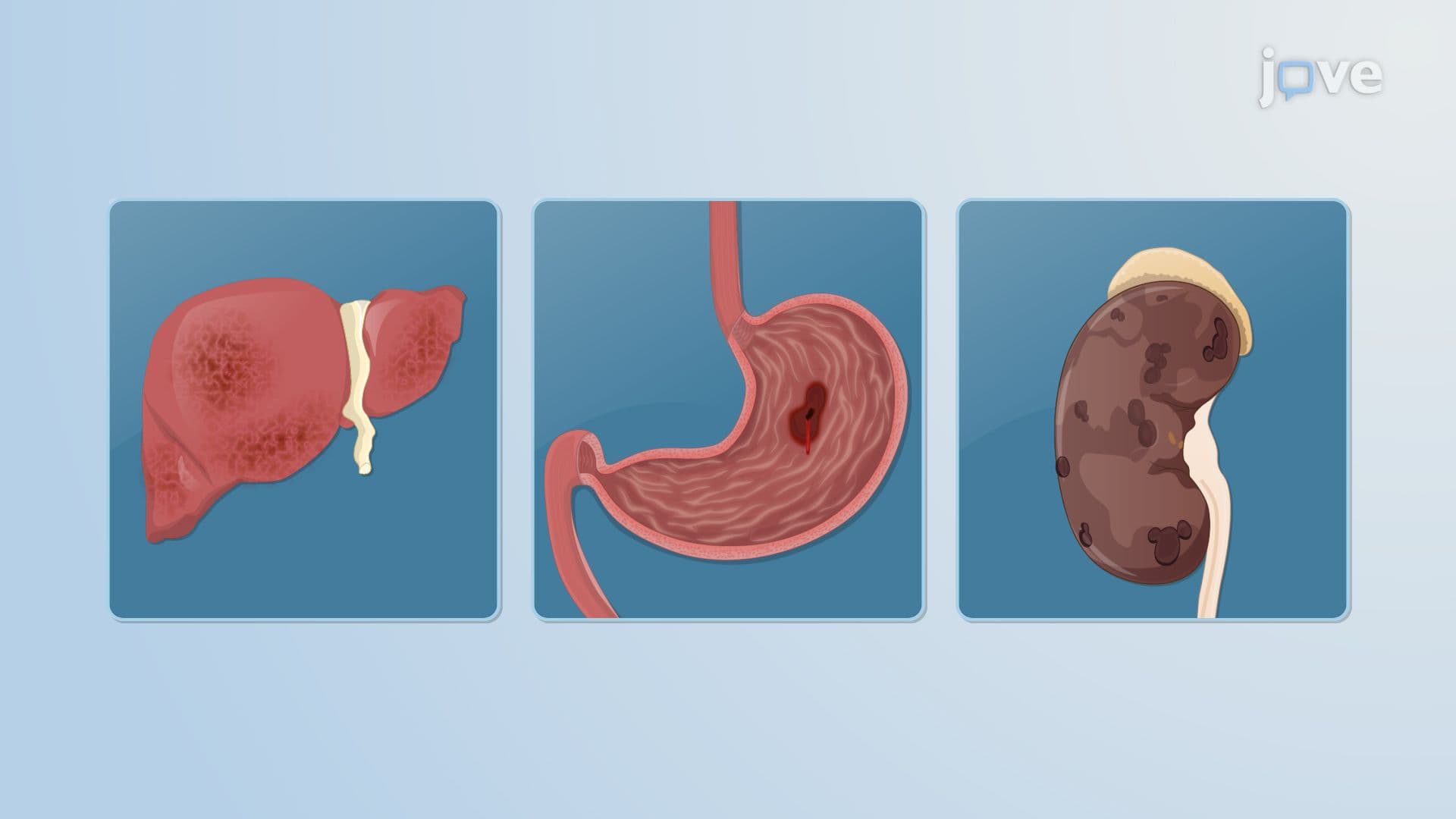
Traditional drug delivery methods treat the body as a uniform system. A drug is administered, it circulates systemically, and it interacts with both intended and unintended targets. The result is a predictable tradeoff: higher doses to achieve therapeutic effect at the target site, which simultaneously increases the risk of toxicity, adverse reactions, and patient dropout.
This is not a minor inconvenience, it is a core design failure. When a drug designed to attack tumor cells also damages healthy tissue, or when a therapeutic compound is cleared from the body before it reaches the site of action, the entire treatment strategy is compromised. Site-targeted systems exist to solve this structural problem at the formulation level.
The four-order targeting framework provides a clear mental model for thinking about precision at increasing levels of specificity:
Think of this as a progressive zoom: from organ to tissue to cell to molecule. Each order of targeting demands more sophisticated carrier engineering but delivers proportionally greater specificity and reduced collateral damage.
One of the most practically important distinctions in this field is between passive and active targeting. Passive targeting exploits the natural physicochemical properties of the carrier system, its size, surface charge, and solubility, to accumulate preferentially in target tissues. The enhanced permeability and retention (EPR) effect in tumor tissue is a well-documented example of passive targeting at work.
Active targeting adds a layer of biological intelligence. By attaching ligands or monoclonal antibodies to the surface of the carrier, the system actively seeks out receptors expressed on target cells. This is the difference between a drug that drifts toward a destination and one that navigates toward it using a molecular map.
For professionals making decisions about formulation strategy, this distinction has direct implications: passive systems are generally simpler and less expensive to manufacture, while active systems offer superior specificity and are better suited to high-stakes applications like oncology or rare genetic disorders.
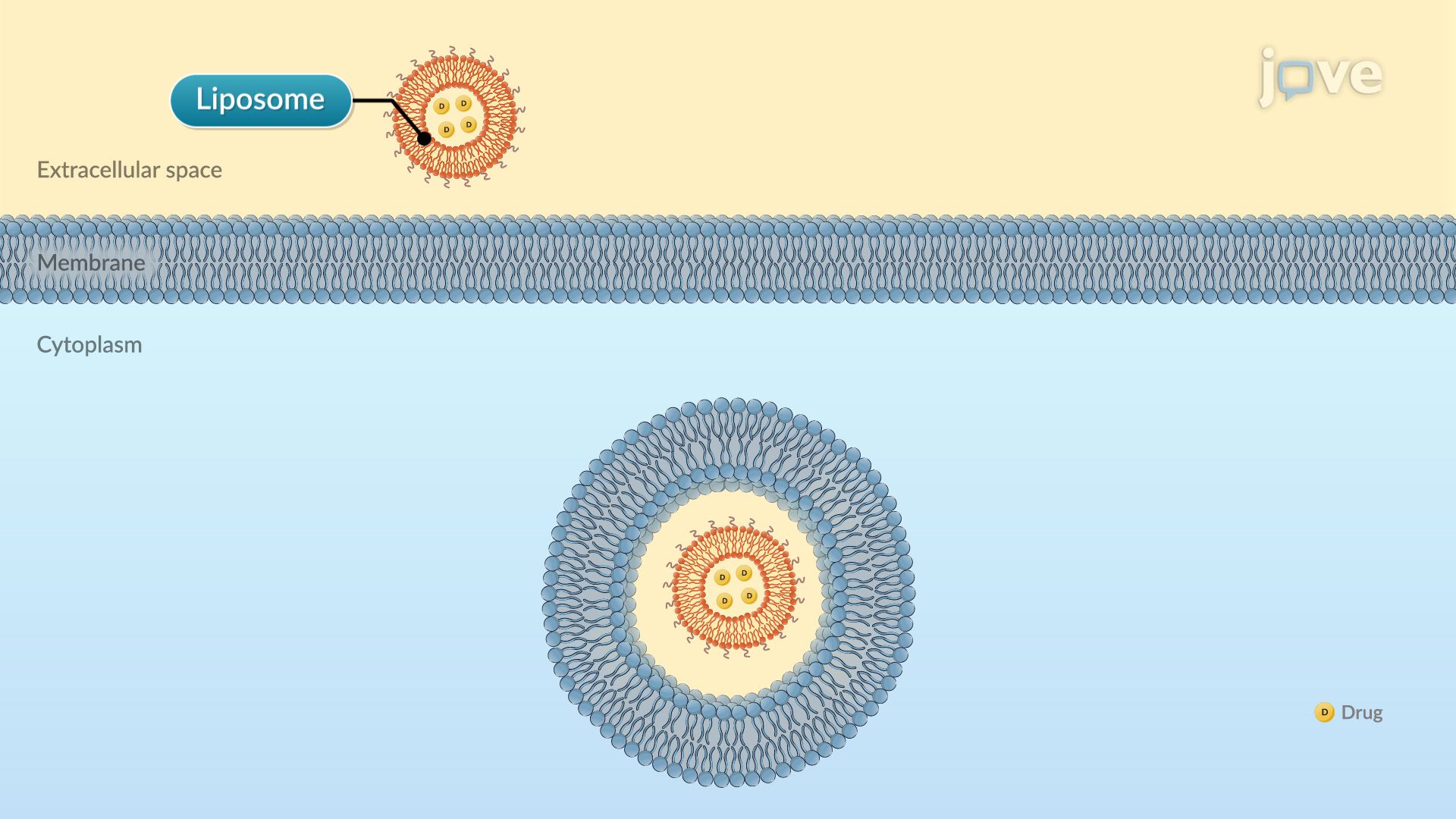
Drug carriers are not interchangeable. Each carrier type, polymeric, albumin-based, lipoprotein-based, or liposome-based, has a distinct functional profile:
Selecting the right carrier is a strategic decision, not a default one. It requires matching the drug's chemical properties, the target site's biology, and the desired release profile into a coherent formulation rationale.
Related Micro-courses