Loading video…

 17 Concepts
 4.8K views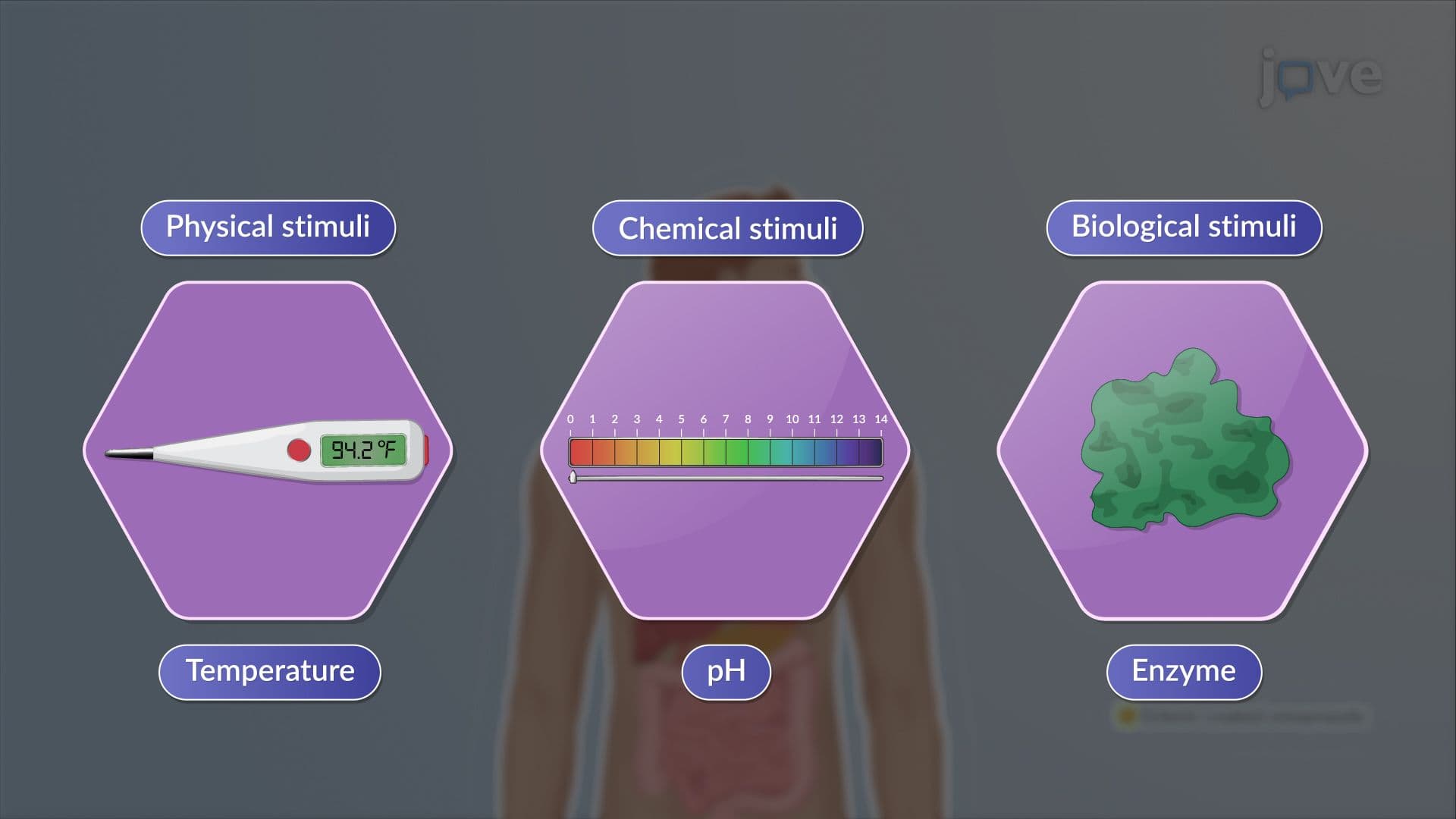

Video Summary: Classification of Modified Release Drug Delivery Systems
Classification of modified-release drug delivery systems becomes critical knowledge when therapeutic outcomes depend on precision timing, dosage control, and minimizing patient risk. Understanding the classification of modified-release drug delivery systems basics helps professionals bridge science and practical application. Rate-programmed, stimuli-activated, and site-targeted systems each serve distinct clinical purposes with measurable patient impact. Watch the full video on JoVE Coach to master this concept with expert-led visuals and step-by-step explanations.
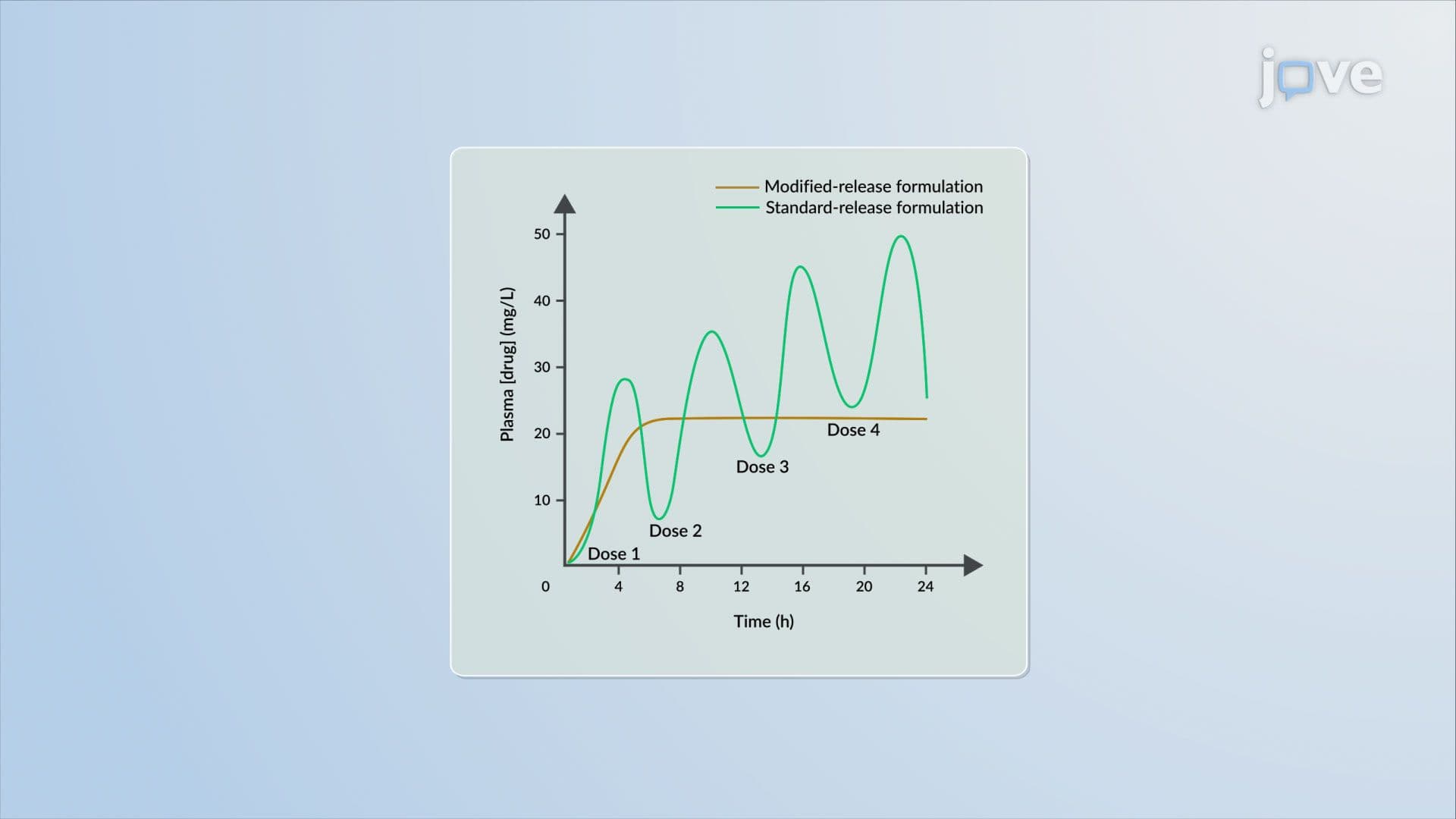
Imagine a clinical or product development team tasked with reducing adverse event reports tied to inconsistent drug plasma levels. The root issue is not always the drug itself, it is how and when the drug is released into the body. This is precisely where a clear, working knowledge of the classification of modified-release drug delivery systems becomes operationally valuable.
Most professionals can recite that "modified-release" means something other than immediate-release. Fewer can articulate *why* a system falls into one category versus another, and that distinction has direct implications for formulation decisions, regulatory strategy, and patient outcomes. The three classifications, rate-programmed, stimuli-activated, and site-targeted, are not just academic groupings. They represent fundamentally different engineering philosophies about how, when, and where a drug interacts with the body.
Rate-programmed systems operate on predictability. Drug release follows a predetermined profile, independent of the body's internal environment. Think of this as the equivalent of a scheduled workflow in operations: consistent, rule-based, and designed to eliminate variability. These systems require a drug, a rate-controlling element (typically a polymer membrane or matrix), and a mechanism to sustain that release over time.
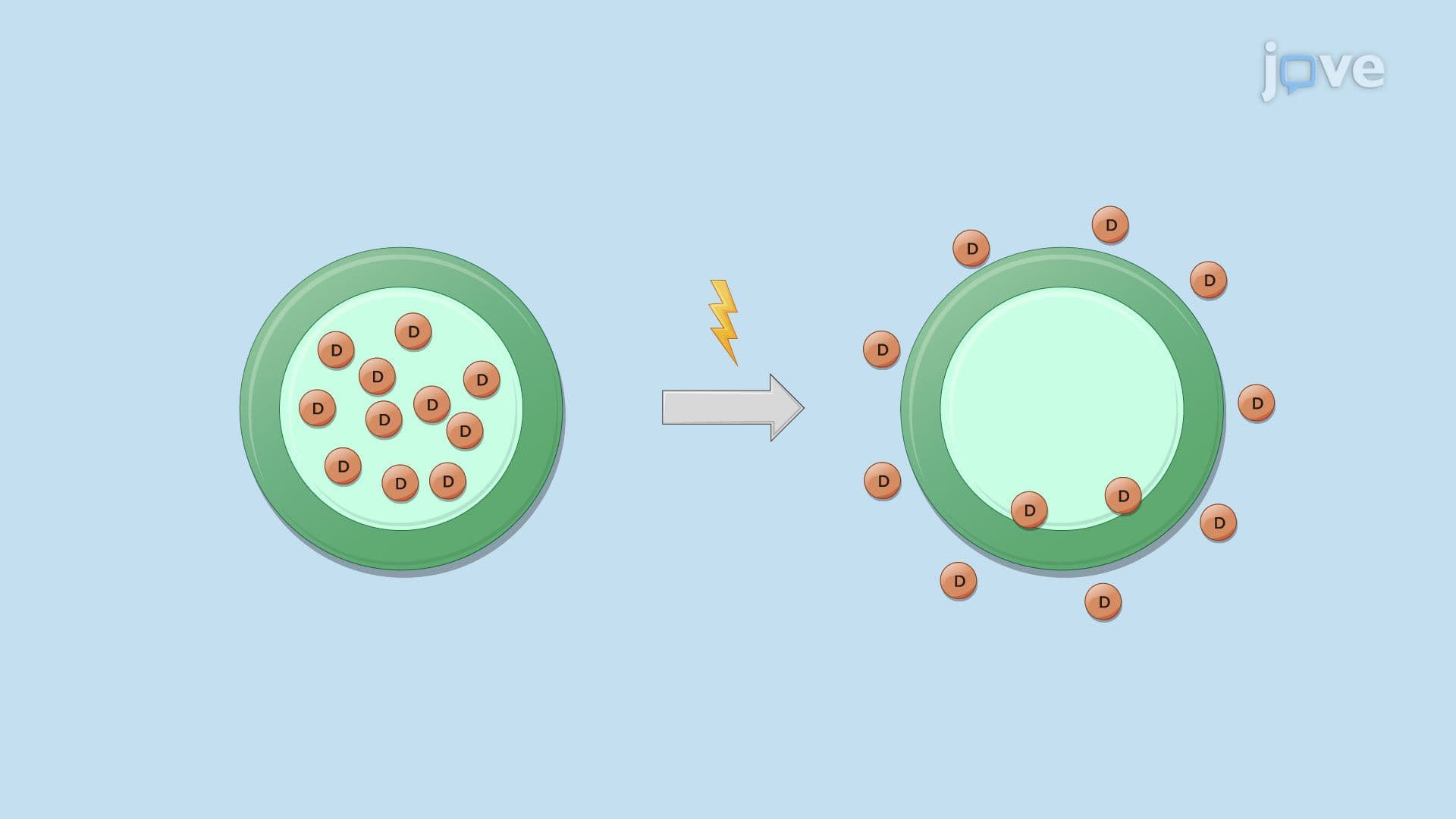
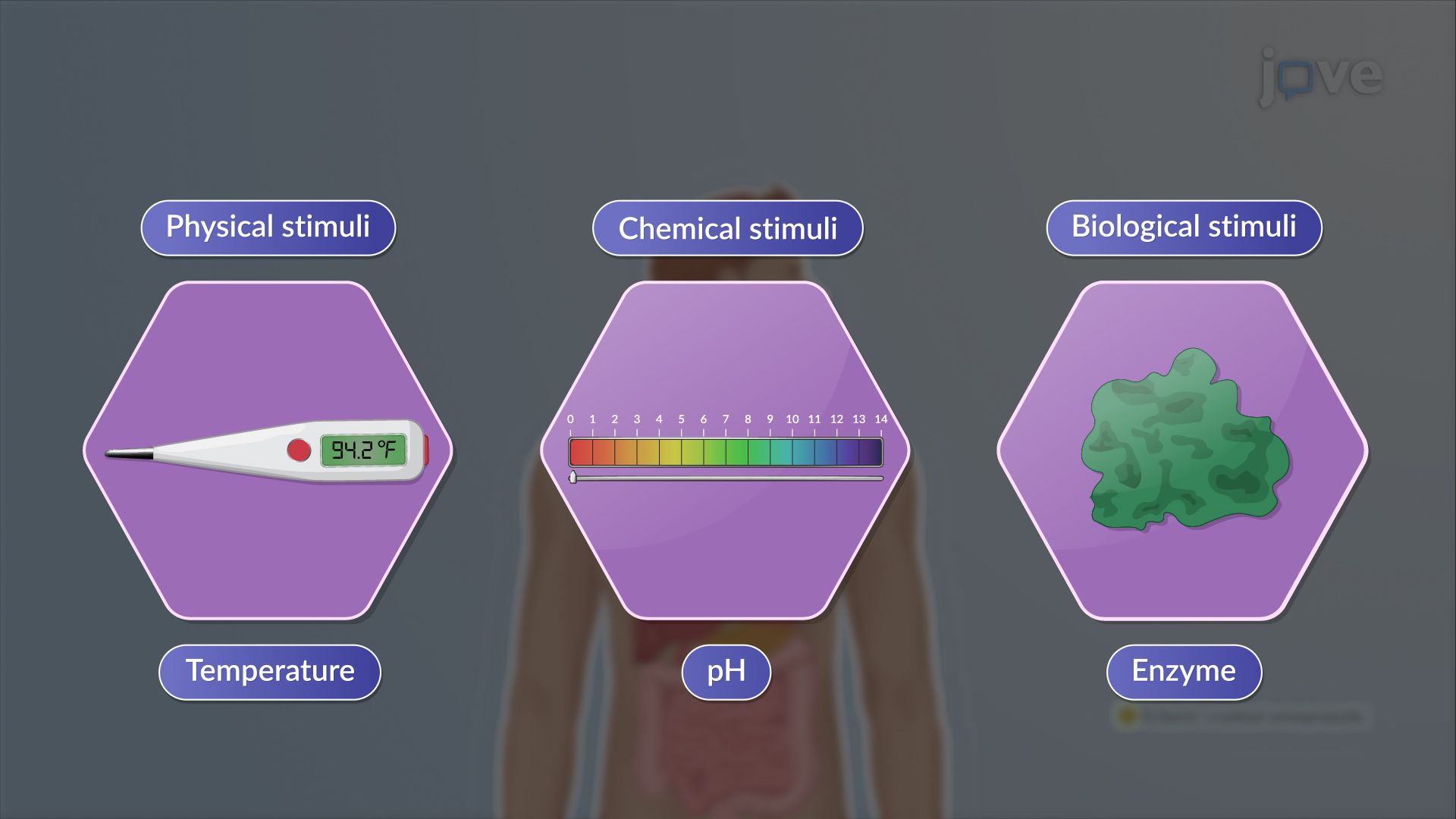
Stimuli-activated systems introduce a layer of biological intelligence. Rather than releasing on a fixed schedule, these systems respond to environmental cues, temperature shifts, pH changes, or enzymatic activity, to trigger release. A useful mental model here is the If-Then Framework: *If* a specific physiological condition is detected, *then* drug release initiates or accelerates. This adaptive logic makes stimuli-activated systems particularly relevant for conditions where the body's own signals should govern therapeutic intervention, such as localized inflammation or tumor microenvironments with distinct pH profiles.
Understanding the three-component architecture, drug, rate-controlling element, and initiation mechanism, is essential for both rate-programmed and stimuli-activated systems. When evaluating or comparing these systems, map each component explicitly. Where does the control reside? What triggers release? How does the system respond to variability?
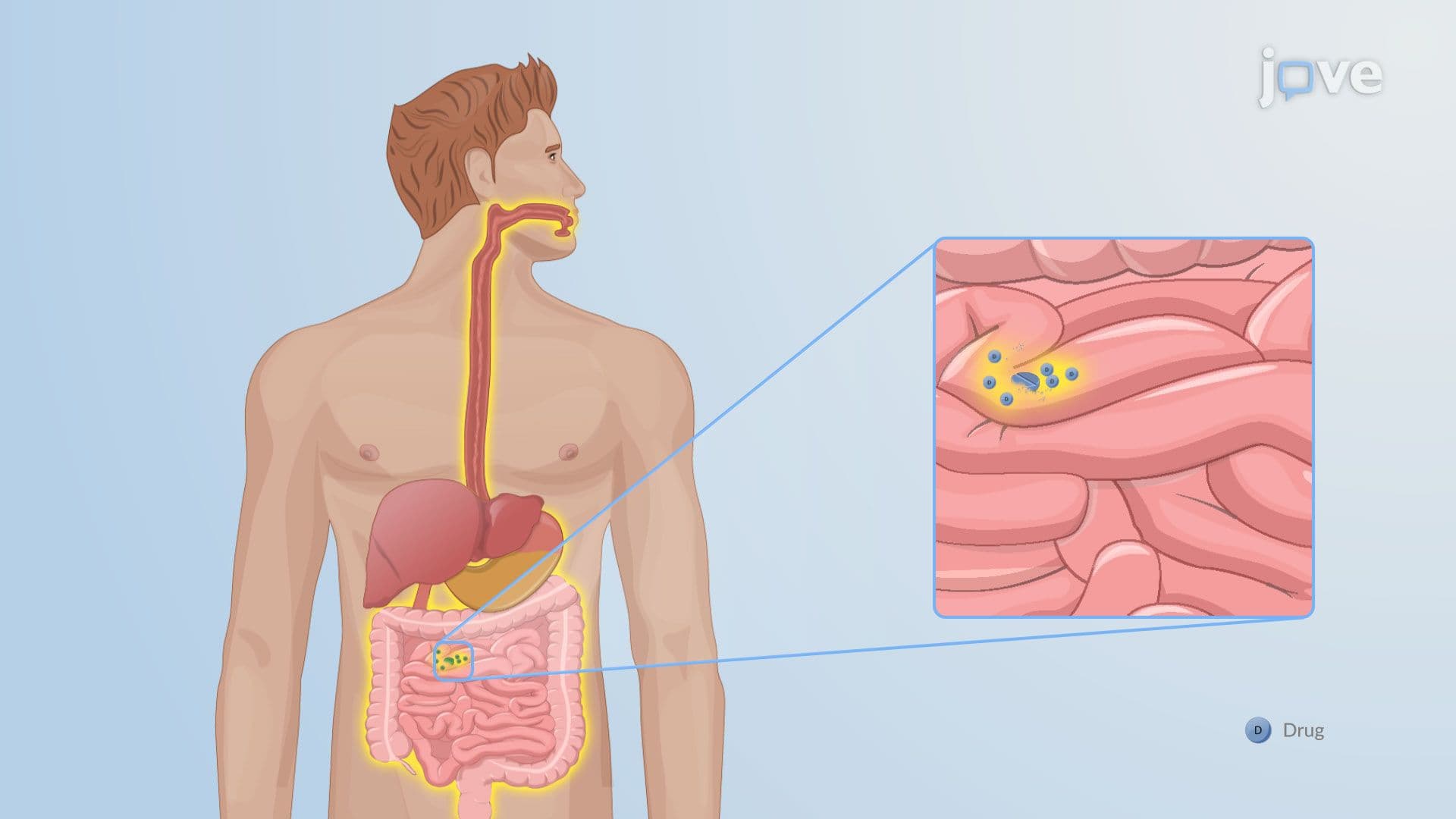
Site-targeted delivery represents the highest level of technical sophistication within this classification. The core objective is drug localization, maximizing concentration at the therapeutic site while minimizing exposure to non-target tissues. This directly addresses the toxicity challenge that plagues many systemic delivery approaches.
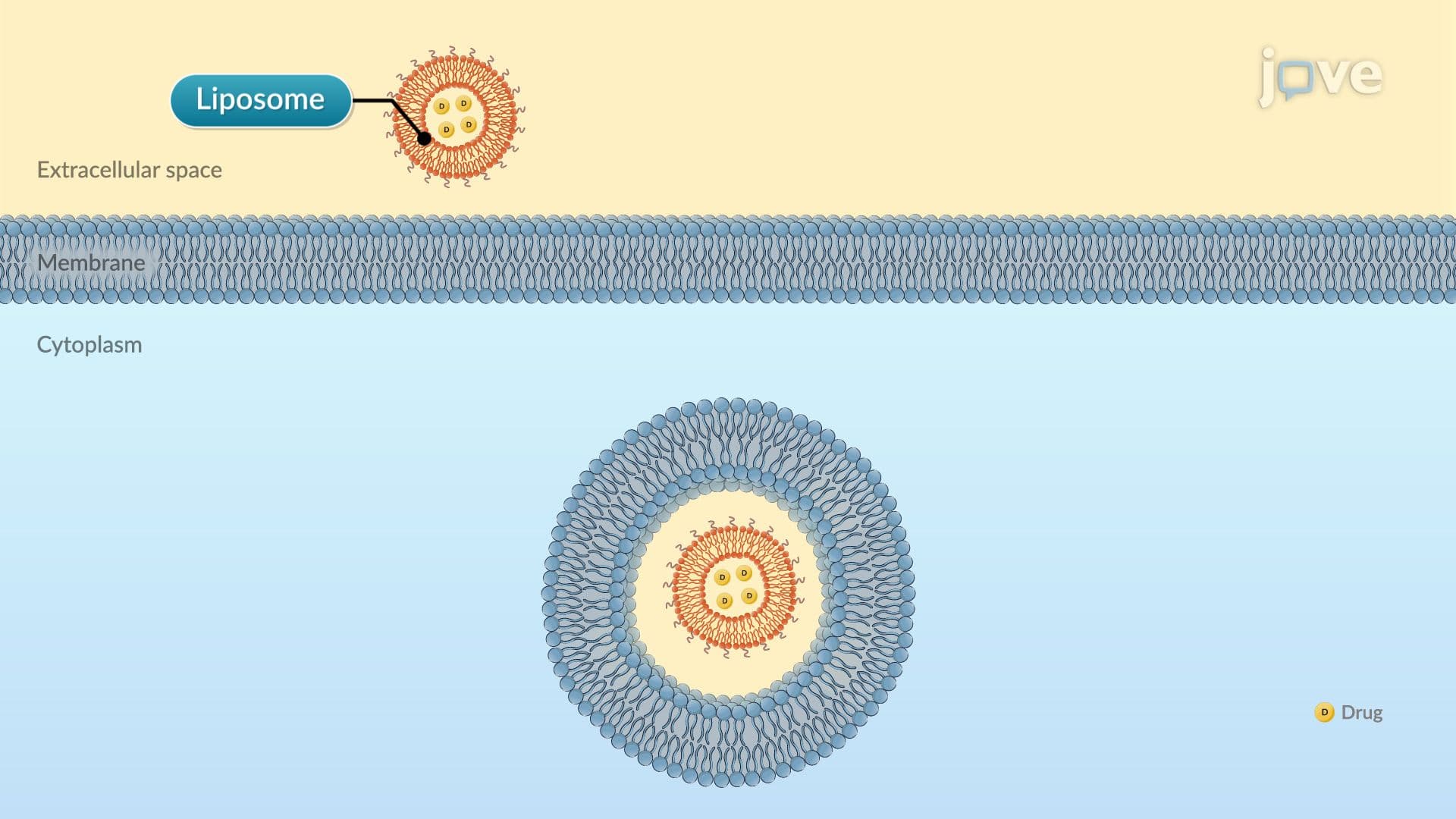
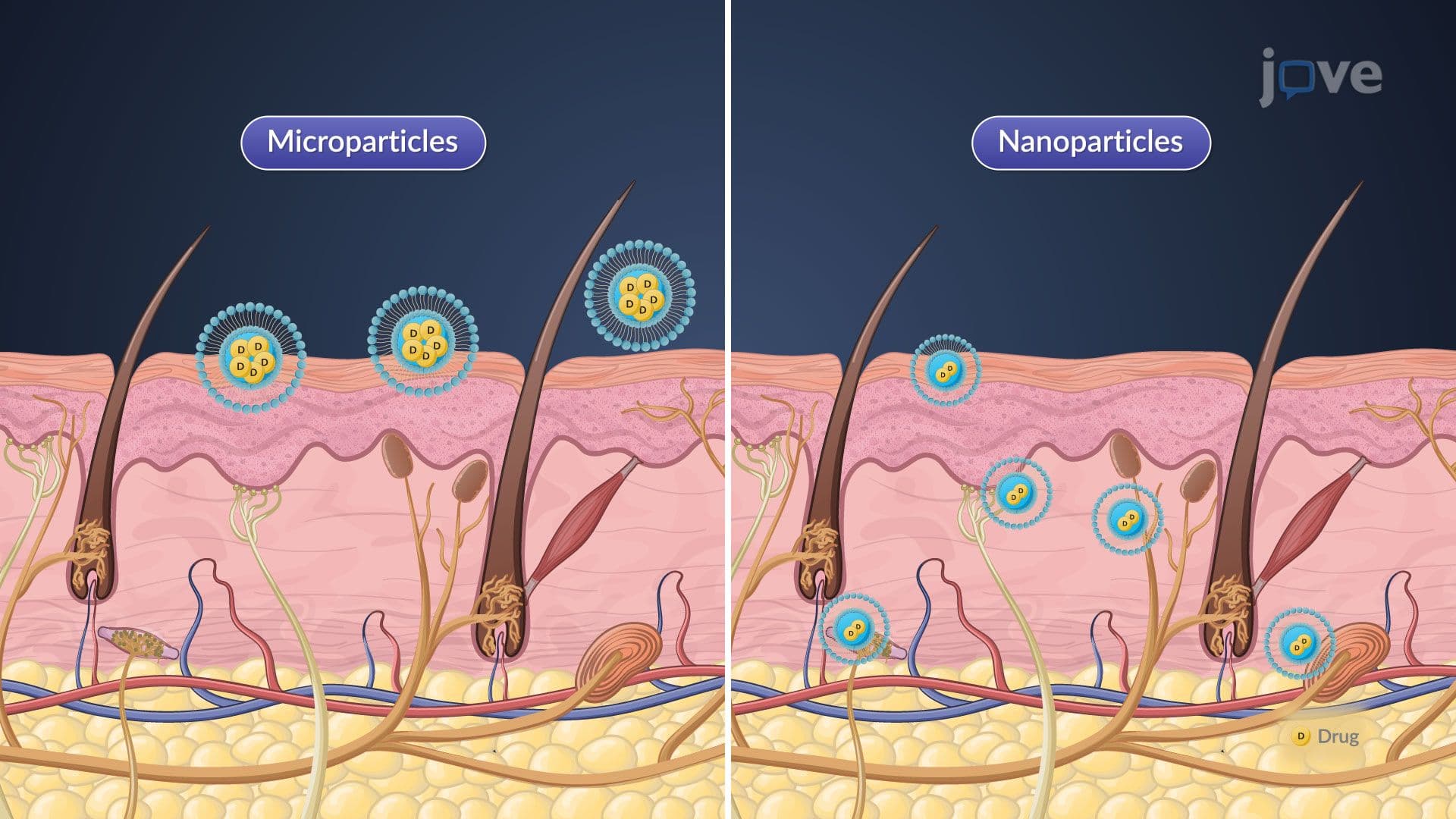
Vehicles such as nanoparticles and liposomes are central to site-targeted strategies. Liposomes, for example, improve drug absorption by encapsulating hydrophilic or hydrophobic compounds and facilitating cell membrane fusion at the target site. Polymer-based drug delivery and transdermal drug delivery platforms also draw on targeting principles to enhance localization. The practical outcome: lower doses required to achieve and maintain steady-state plasma levels, which reduces systemic burden and side effect profiles.
One frequent knowledge gap is conflating *mechanism* with *outcome*. A stimuli-activated system and a site-targeted system can both reduce side effects, but through entirely different mechanisms. Stimuli-activation controls the *timing* of release; site-targeting controls the *location* of release. Keeping these distinctions sharp prevents misapplication and supports more rigorous decision-making in formulation, evaluation, or cross-functional collaboration contexts. The advantages of targeted drug delivery, reduced toxicity, improved efficacy, lower dose requirements, are only realizable when the delivery mechanism is correctly matched to the therapeutic goal.
Related Micro-courses