12 Concepts
10 Concepts
29 Concepts
14 Concepts
15 Concepts
25 Concepts
30 Concepts
12 Concepts
17 Concepts
9 Concepts
7 Concepts
18 Concepts
26 Concepts
9 Concepts
16 Concepts
17 Concepts
17 Concepts
Pharmacokinetics: drug distribution and protein binding encompasses how medications move throughout the body and interact with proteins. This fundamental process determines how drugs distribute in the body through blood circulation to target tissues, while the volume of distribution quantifies the theoretical space drugs occupy. Understanding these mechanisms is crucial for predicting drug effectiveness and dosing in clinical practice across US healthcare systems, as taught through JoVE Coach's comprehensive video series.
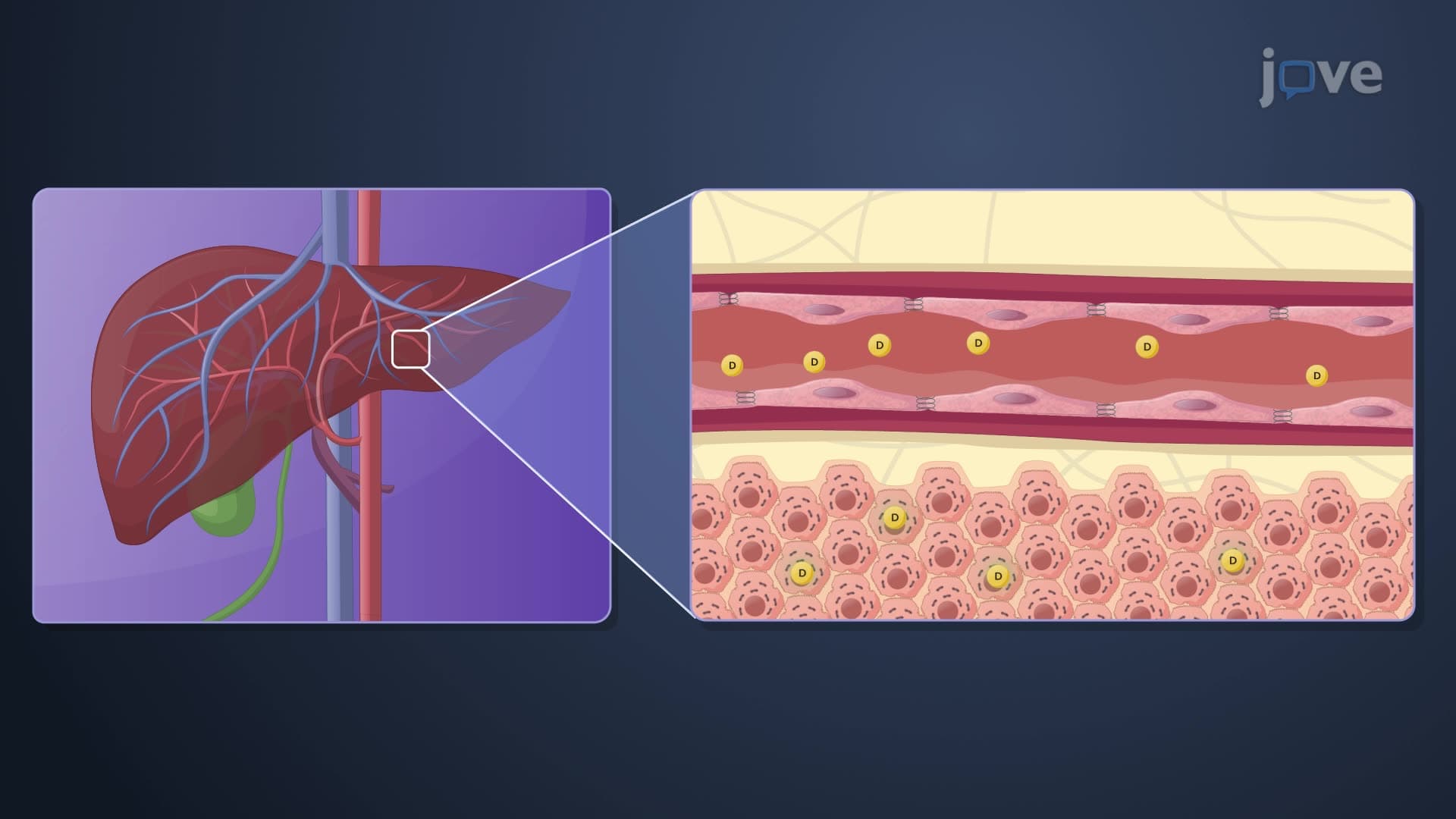
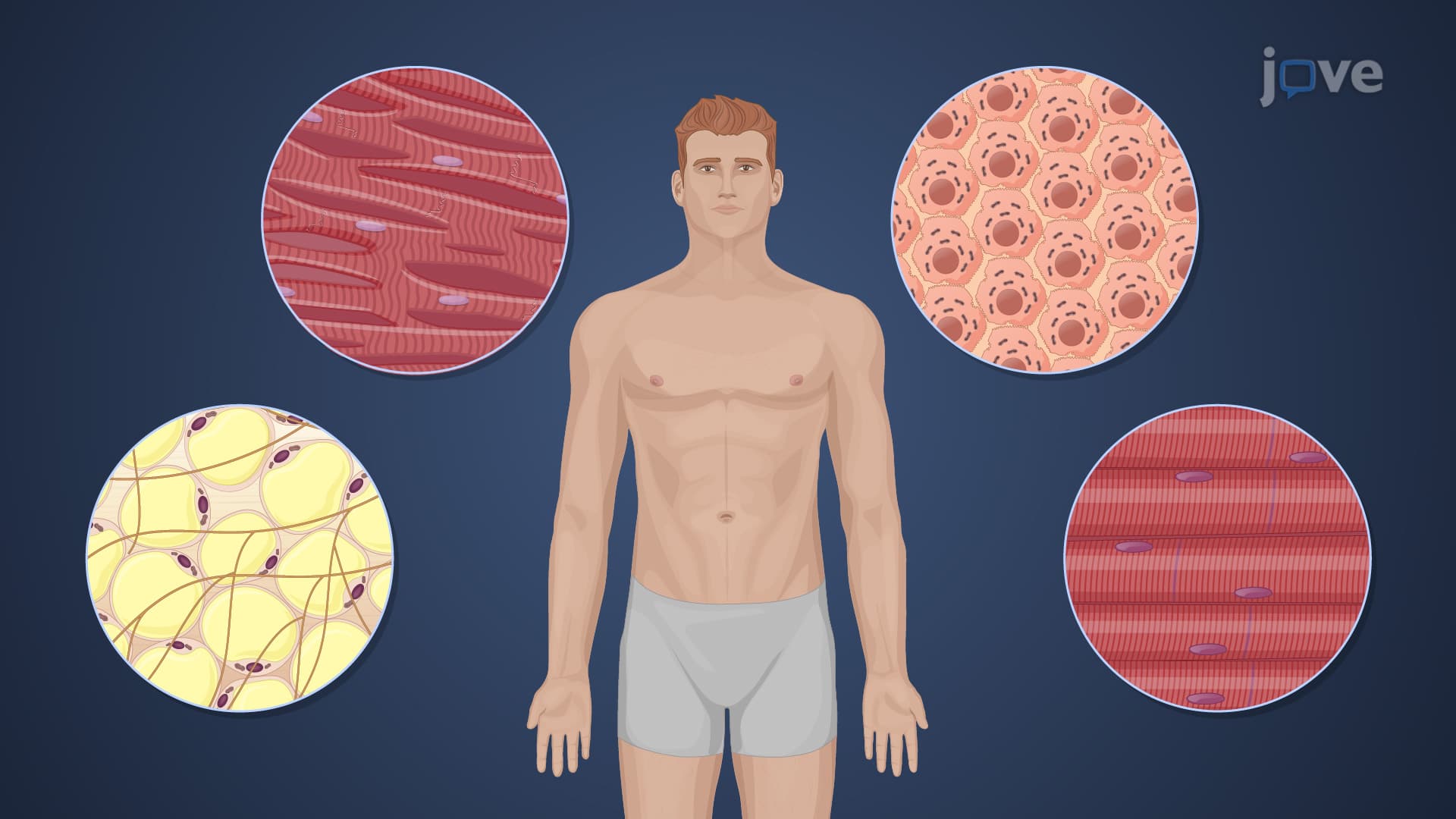
1. Drug Distribution Fundamentals: Drug distribution represents the bidirectional movement of medications between blood and tissue compartments through passive diffusion driven by concentration gradients. The process involves drug permeation through capillary walls into extracellular fluid, followed by membrane crossing into intracellular spaces. This rate-limiting step depends on tissue perfusion rates and membrane permeability. For example, when a patient receives intravenous morphine for pain management, the drug rapidly distributes from plasma to brain tissue due to high perfusion, while distribution to muscle tissue occurs more slowly due to different permeability characteristics.
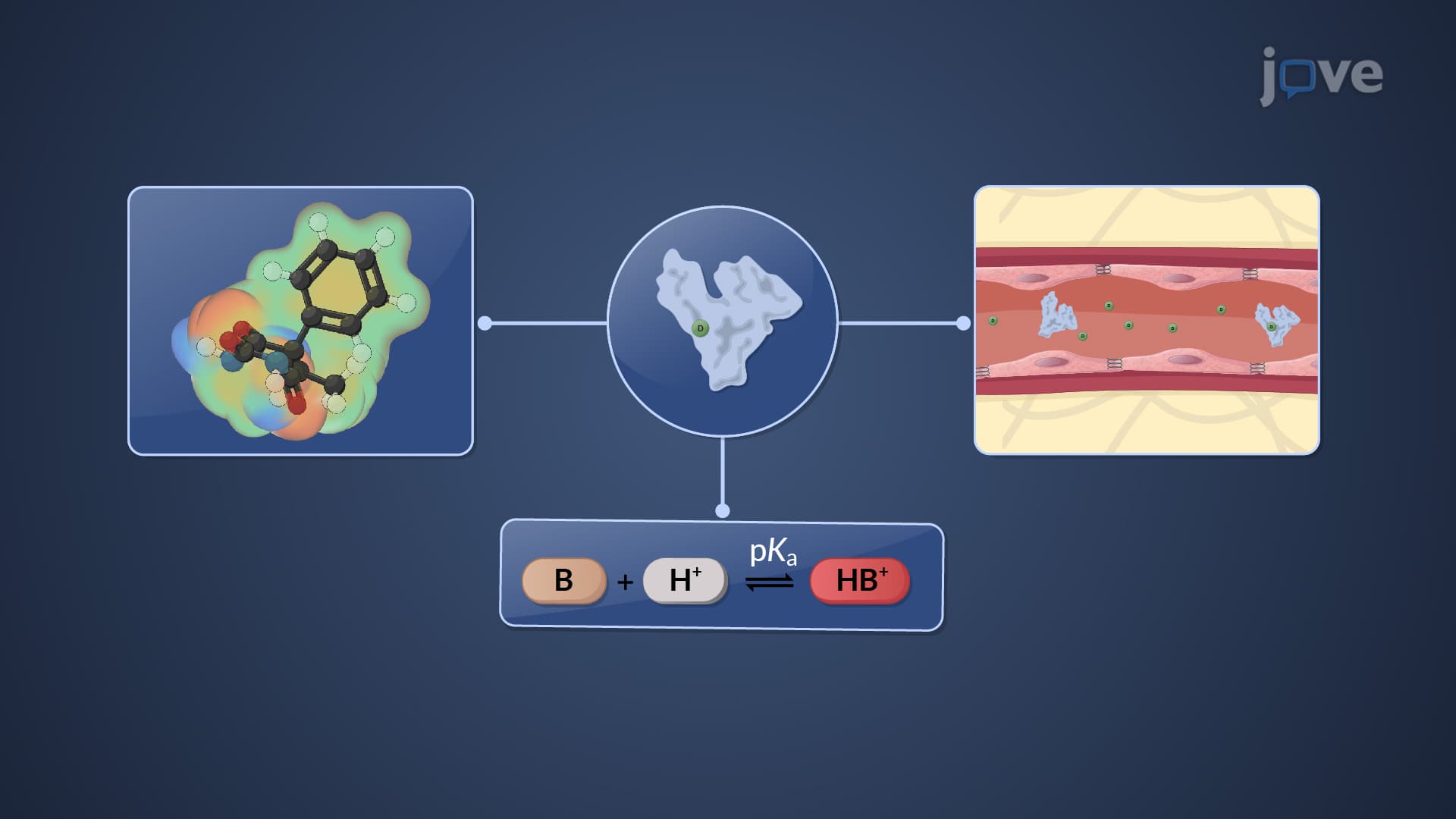
2. Tissue Permeability and Physicochemical Properties: A drug's ability to cross biological membranes depends on molecular size, ionization degree, partition coefficient, and stereochemical structure. Small, unionized, lipophilic molecules like propranolol easily traverse cell membranes, while large, polar, hydrophilic drugs like heparin require specialized transport systems. Blood pH changes significantly impact drug distribution - in barbiturate overdose treatment at US emergency departments, sodium bicarbonate administration creates alkalosis, increasing drug ionization and preventing further CNS penetration while enhancing urinary elimination through ion trapping mechanisms.
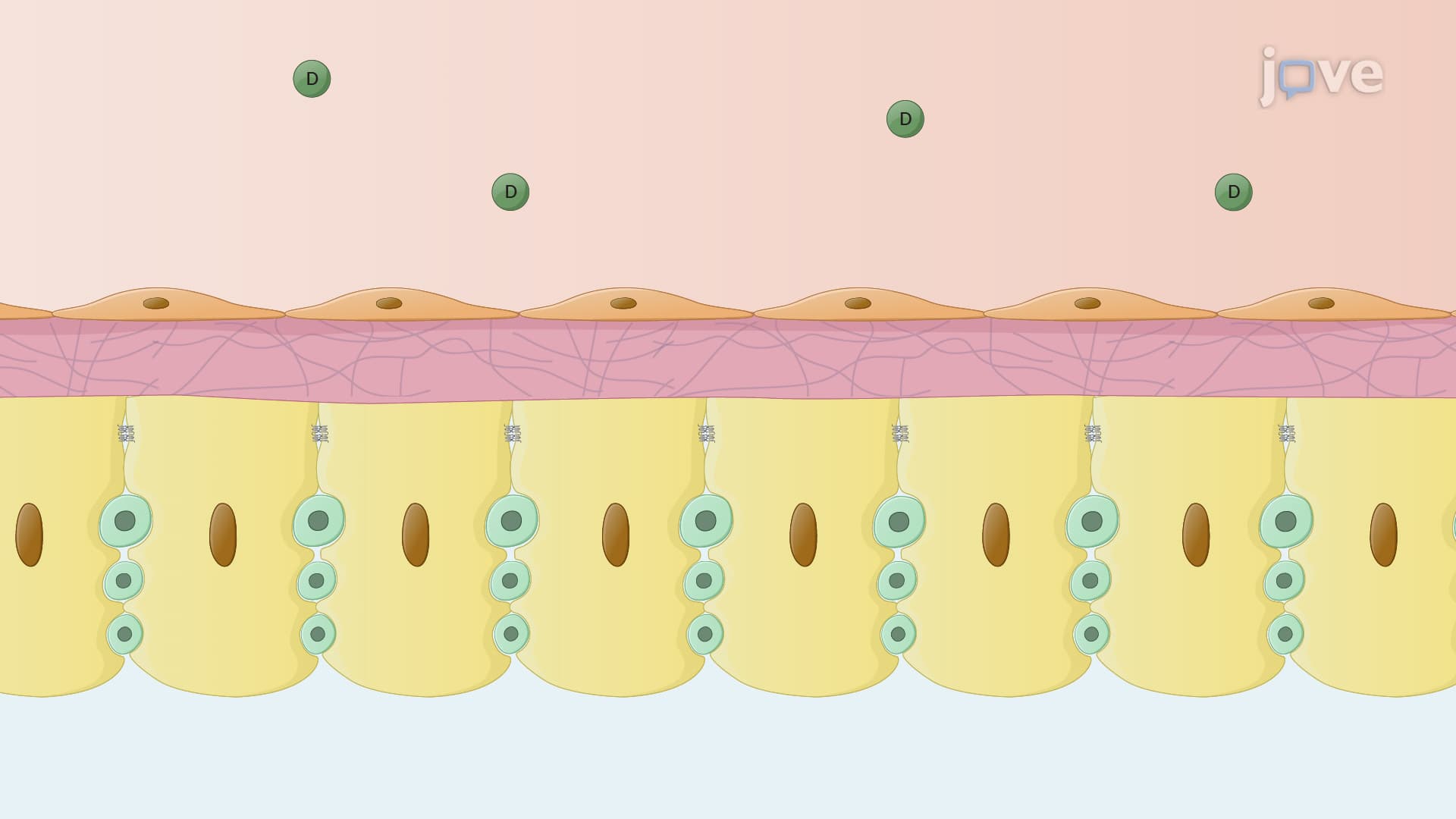
3. Physiological Barriers and Clinical Implications: Multiple barriers regulate drug access to specific tissues, critically impacting therapeutic outcomes. The blood-brain barrier restricts water-soluble drugs like dopamine, necessitating levodopa administration for Parkinson's disease treatment since levodopa crosses into the CNS where enzymatic conversion produces dopamine locally. The blood-placental barrier allows moderate to highly lipid-soluble drugs under 1000 Daltons to cross by diffusion, requiring careful medication selection during pregnancy. The blood-testis barrier, formed by Sertoli cell tight junctions, restricts cytotoxic drug passage, complicating male fertility treatments involving chemotherapy agents.
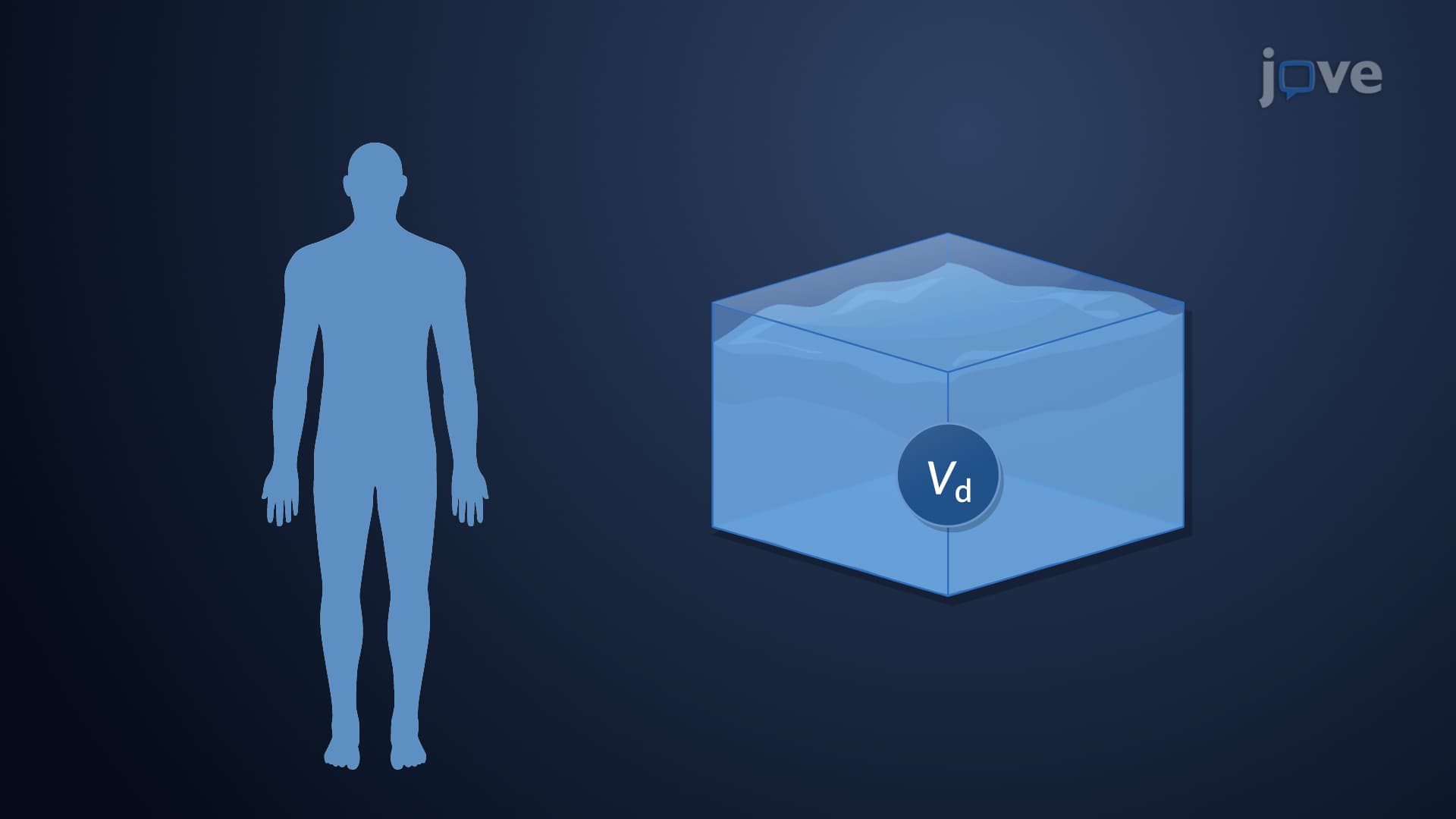
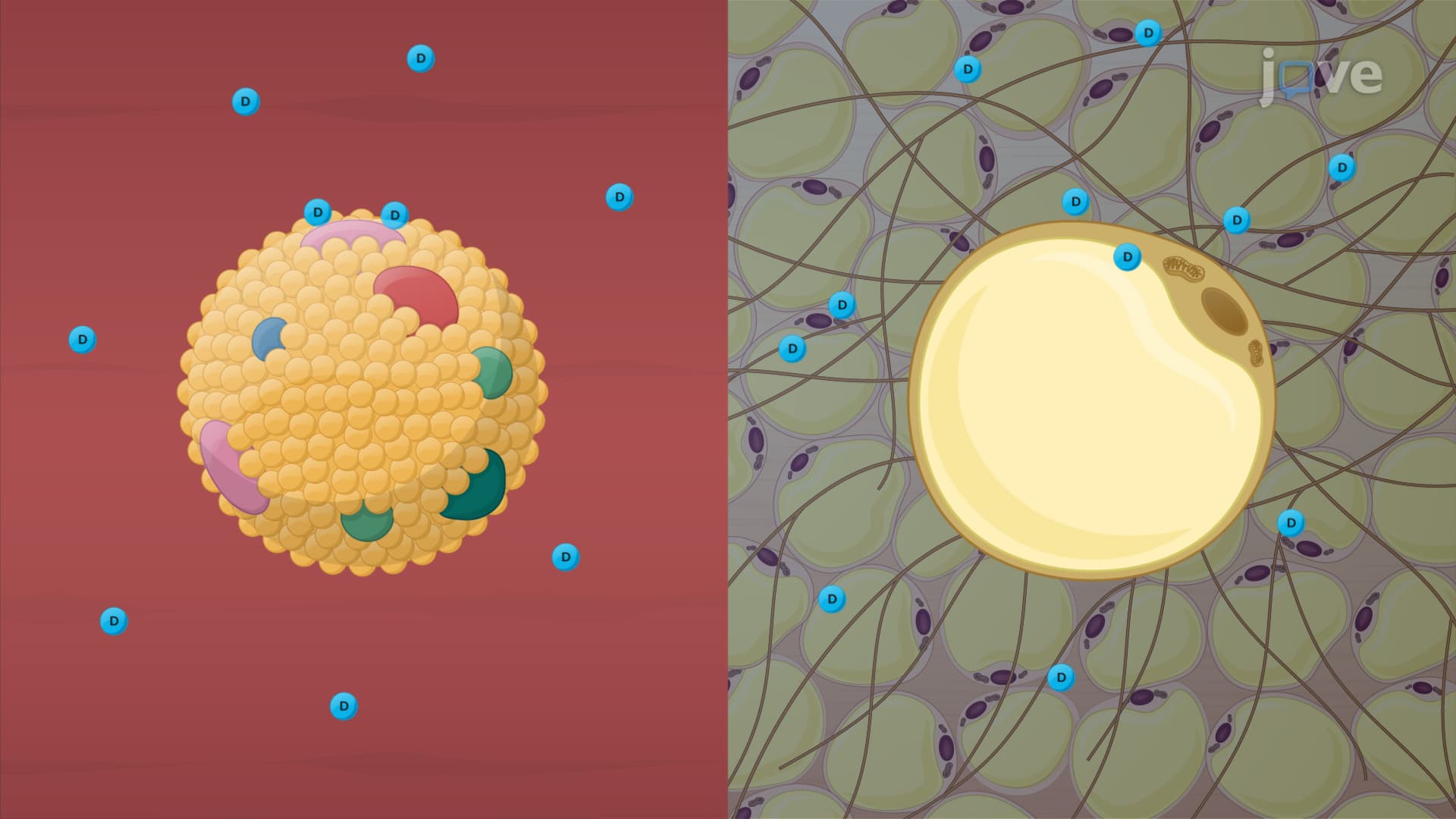
4. Volume of Distribution Applications: The apparent volume of distribution (Vd) represents the hypothetical body fluid volume into which a drug distributes, calculated from total drug amount and plasma concentration. Warfarin's high protein binding results in a small Vd (0.1 L/kg), indicating plasma confinement, while chloroquine's extensive tissue binding produces a large Vd (200 L/kg), reflecting widespread tissue distribution. This parameter guides dosing decisions - drugs with large Vd require loading doses for rapid therapeutic effects, while those with small Vd need careful monitoring to prevent plasma accumulation and toxicity in clinical settings.
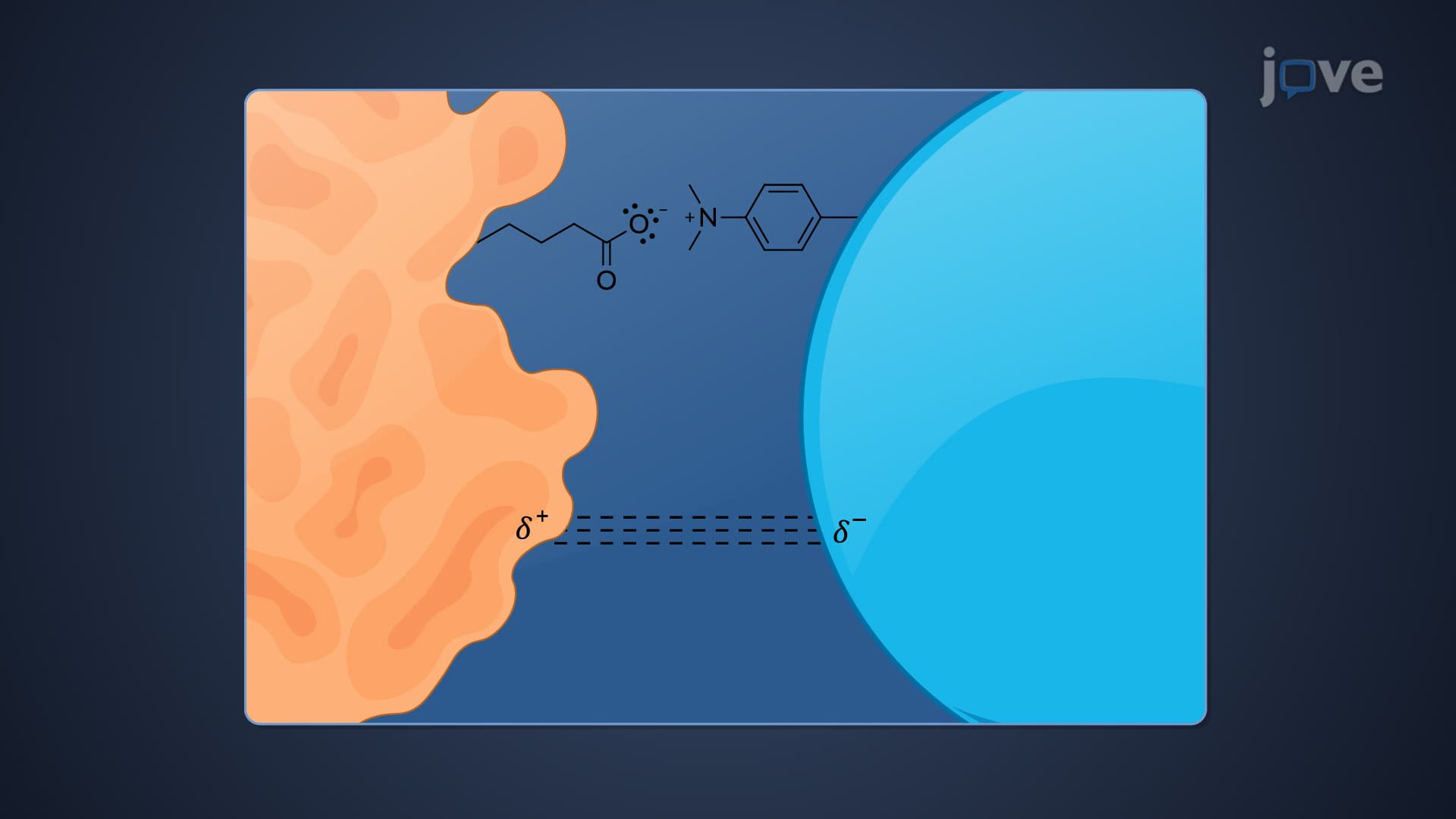
5. Protein Binding Mechanisms and Clinical Significance: Protein binding albumin interactions involve multiple binding sites with distinct drug specificities. Human serum albumin's Site I binds warfarin and NSAIDs like ibuprofen, while Site II accommodates benzodiazepines and cloxacillin. Alpha-1 acid glycoprotein binds basic drugs including lidocaine and propranolol. Displacement interactions create clinically significant effects - phenylbutazone displacing warfarin from albumin increases free warfarin concentration, potentially causing bleeding complications requiring INR monitoring adjustments in US anticoagulation clinics. Understanding these interactions prevents adverse drug events and optimizes therapeutic outcomes.