Loading video…

 7 Concepts
 352 views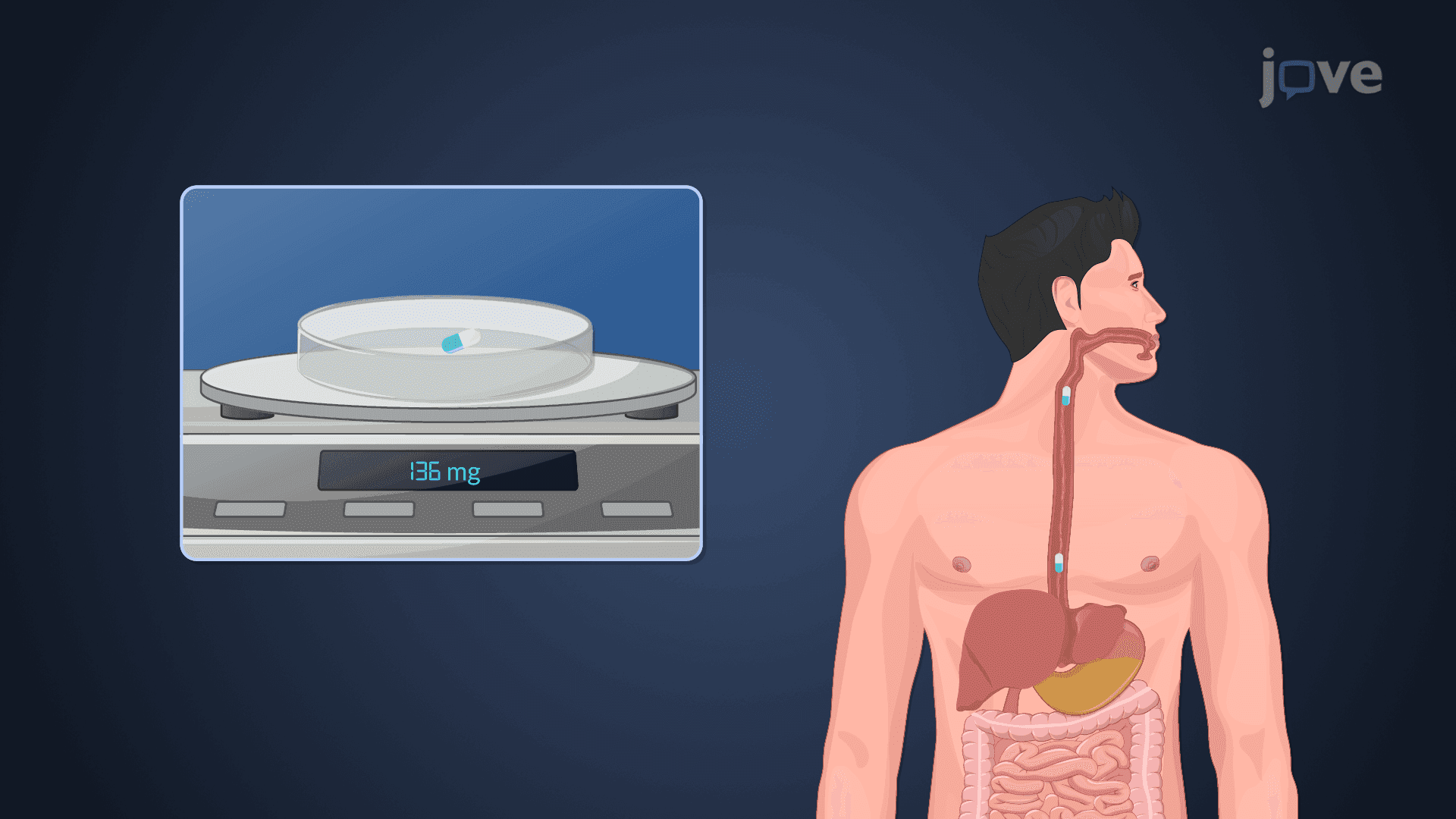

Video Summary: Formulation and Manufacturing Process Physical Tutorial
Did you know that the shape of a tablet can determine whether it gets stuck in your throat? The formulation manufacturing process physical properties of medications directly impact patient safety and treatment success. When Pfizer redesigned their large calcium tablets to be oval instead of round, patients reported significantly easier swallowing experiences. Understanding the Formulation And Manufacturing Process Physical Tutorial concepts is crucial for ensuring generic drugs work as effectively as their brand-name counterparts. Watch the full video on JoVE Coach to master this concept with expert-led visuals and step-by-step explanations.
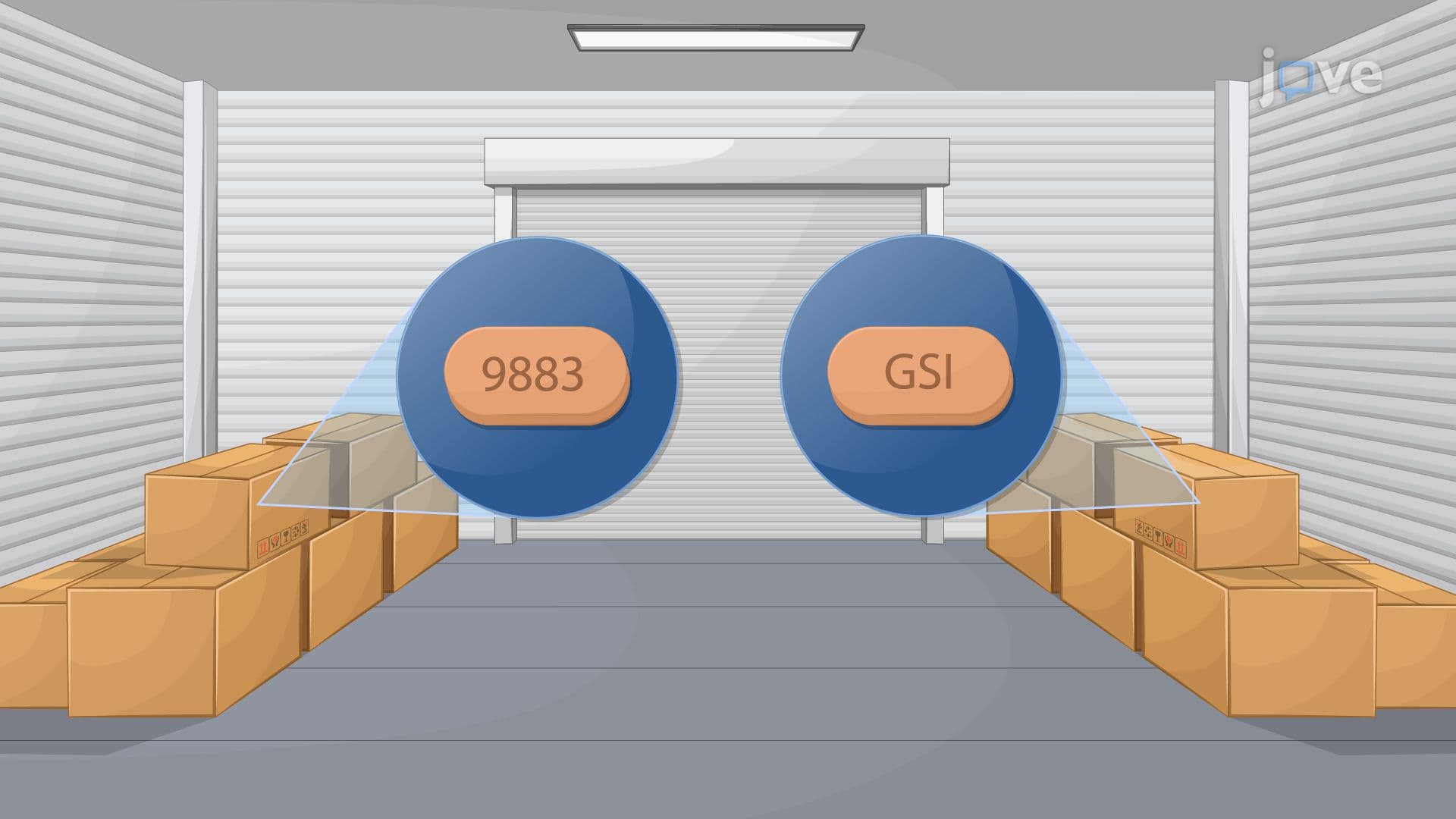
The formulation manufacturing process physical aspects represent a critical bridge between drug chemistry and patient outcomes. When pharmaceutical companies develop generic medications, they must ensure these products not only contain the same active ingredients as brand-name drugs but also perform identically in the human body. This therapeutic equivalence depends heavily on physical characteristics that might seem purely cosmetic but actually determine whether a medication reaches its intended target effectively.
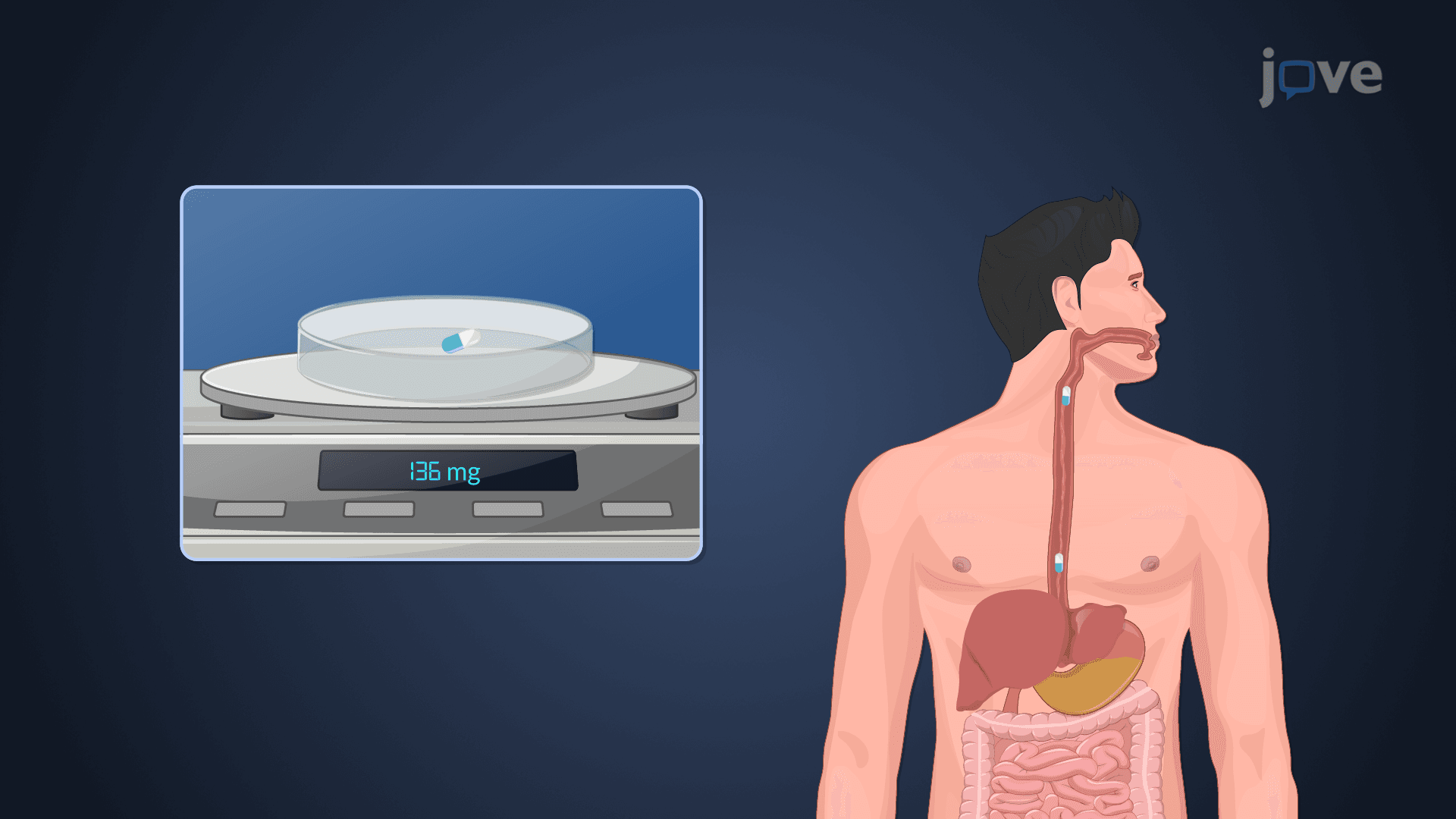
Physical dimensions directly impact how patients interact with their medications. The FDA requires generic manufacturers to demonstrate that their products perform comparably to reference drugs, and physical characteristics play a crucial role in this equivalence. Research conducted at major US medical centers has consistently shown that larger tablets increase the risk of esophageal impaction, where medications become lodged in the throat rather than reaching the stomach.
The oval versus round tablet debate represents a perfect example of evidence-based pharmaceutical design. Studies published in American pharmaceutical journals demonstrate that oval tablets, even when containing identical amounts of active ingredient, transit through the esophagus approximately 30% faster than round tablets of equivalent weight. This difference can prevent serious complications like medication-induced esophagitis, a condition that affects thousands of American patients annually.
The relationship between tablet weight and esophageal transit time follows counterintuitive physics principles that students often encounter in AP Physics courses. Heavier tablets actually move through the esophagus more quickly than lighter ones of similar size, due to gravitational forces overcoming surface tension effects. This principle has led major pharmaceutical companies like Johnson & Johnson and Merck to carefully optimize the density of their formulations.
Advanced formulation scientists must consider how tablets interact with saliva and esophageal secretions. Surface area calculations, similar to those studied in AP Calculus, determine how quickly medications begin dissolving. Tablets with greater surface area-to-volume ratios start disintegrating faster, which can be beneficial for rapid drug release but problematic if dissolution begins before the tablet reaches the stomach. This concept frequently appears on MCAT practice exams and pharmaceutical science coursework at universities like University of California San Francisco and Purdue University.
Related Micro-courses