Loading subject page…

1,779 views

Video Summary: Rate Programmed Modified Release Drug Delivery Systems Part Two
Rate-programmed modified-release drug delivery systems part two basics become critical knowledge when clinical teams, pharmacy leads, or healthcare managers need to make confident decisions about therapeutic protocols without second-guessing foundational mechanisms. Understanding rate-programmed modified-release drug delivery systems part two helps you lead those conversations with clarity. Watch the full video on JoVE Coach to master this concept with expert-led visuals and step-by-step explanations.
Picture this: you are leading a cross-functional review meeting. A formulation scientist references a hybrid delivery system. Your clinical lead assumes it functions like a standard matrix tablet. Your regulatory specialist is working from a reservoir-system mental model. The conversation stalls because your team is not operating from a shared framework. This is the exact problem that mastering rate-programmed modified-release drug delivery systems part two solves, not in a theoretical sense, but in the practical, meeting-room sense that moves decisions forward.
The gap is rarely intelligence, it is architecture. Most managers in pharmaceutical, clinical, or healthcare settings have surface-level familiarity with modified-release concepts but lack a structured mental model for distinguishing between system types. Without that structure, conversations about drug delivery quickly become either overly technical or frustratingly vague. The result is delayed decisions, misaligned expectations, and a team that silently operates on different assumptions. The three-system framework, reservoir, matrix, hybrid, gives you the architecture to fix that.
Think of rate-programmed delivery systems the way a manager thinks about delegation structures, each design reflects a different philosophy of control.
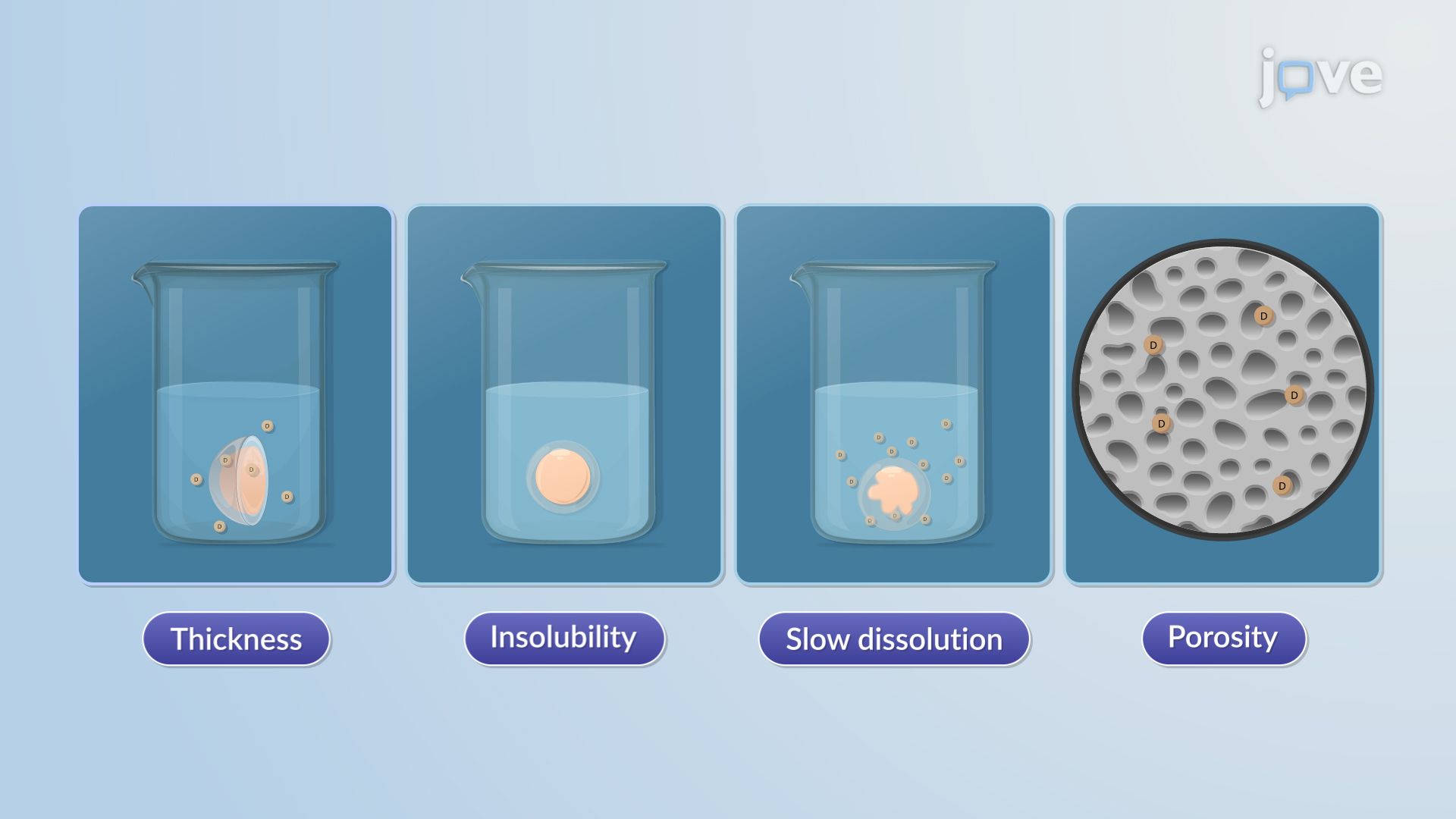
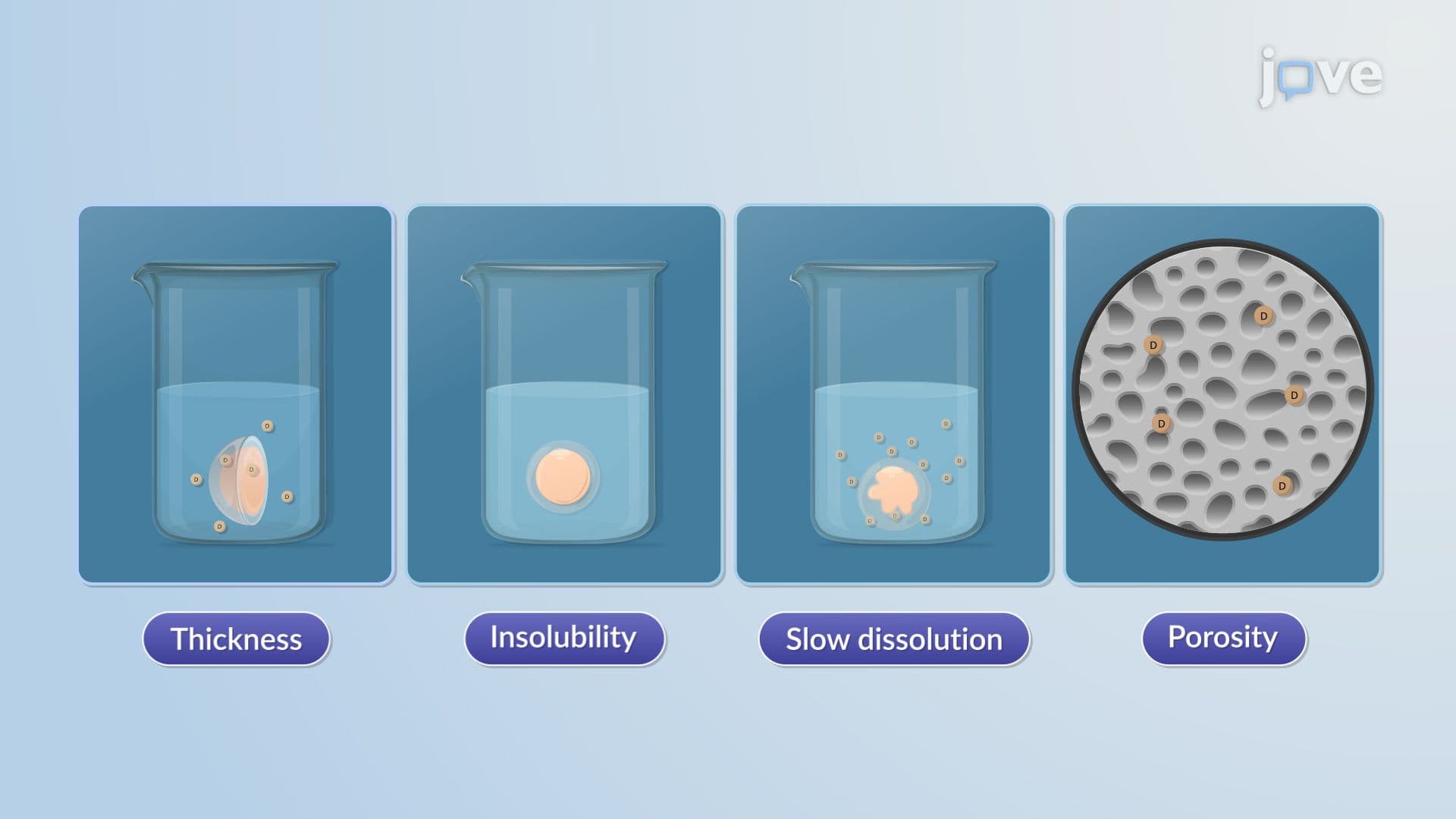
Reservoir systems are like centralized control: the drug core is enclosed within a rate-controlling membrane or film. The release rate is governed by the membrane's properties, thickness, polymer type, porosity. Non-swelling variants use polymers such as ethyl cellulose or polymethacrylates. Swelling-controlled variants use hydrating polymers like HPMC, where release is deliberately delayed until the membrane absorbs moisture. As a manager, you can frame this as "tight boundary control with predictable output."
Matrix systems are more like distributed accountability: the drug is embedded throughout a release-retarding material. Hydrophilic matrices use swellable polymers; hydrophobic matrices use waxes or ethyl cellulose, either with drug mixed into the polymer (porous) or dispersed in molten polymer (nonporous). The drug releases as the matrix erodes or diffuses. Frame this for your team as "built-in structure with flexibility at the execution layer."
Hybrid systems combine both philosophies: a drug-loaded matrix is coated first with a release-retarding material, then with a release-controlling polymer. This layered design captures the steady, predictable release of reservoir systems and the structural durability of matrix systems. In management terms, this is your high-trust, high-structure approach, best used when consistent performance across variable conditions is non-negotiable.
Use the three-system model as a pre-meeting alignment tool. Before any formulary, product development, or clinical protocol discussion, send your team a one-page reference distinguishing the three system types and their practical trade-offs. During the meeting, anchor decisions to system design logic: "Are we optimizing for boundary control, embedded distribution, or a layered combination?" This reframes abstract pharmacokinetic language into decision-relevant criteria your whole team, regardless of specialty, can engage with confidently. Apply the RACI model here: clarify who is Responsible for evaluating each system type, who is Accountable for the final recommendation, who needs to be Consulted (formulation scientists, clinical pharmacologists), and who simply needs to be Informed. That structure alone eliminates the meeting-room confusion described above.
The most frequent leadership mistake in this space is allowing technical fluency gaps to go unaddressed until a high-stakes decision is already on the table. Do not wait for a regulatory submission or a formulary challenge to discover that your team has mismatched mental models. Build shared vocabulary early, during onboarding or team development cycles. A second mistake is conflating system complexity with system superiority, hybrid designs are not inherently better than reservoir or matrix systems. Each serves a specific release-control need. Help your team evaluate fit-for-purpose, not prestige of complexity.
Related Micro-courses