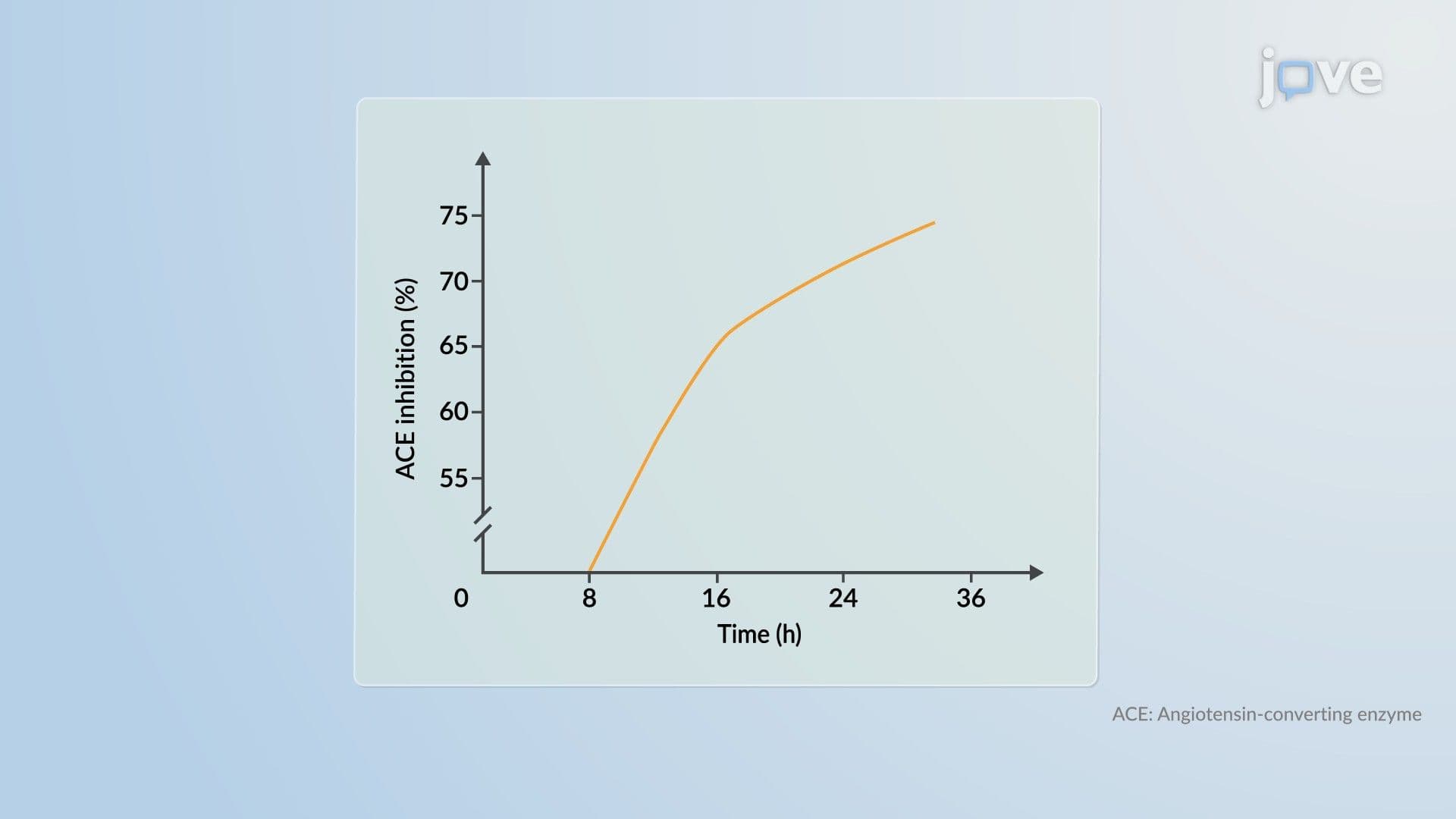
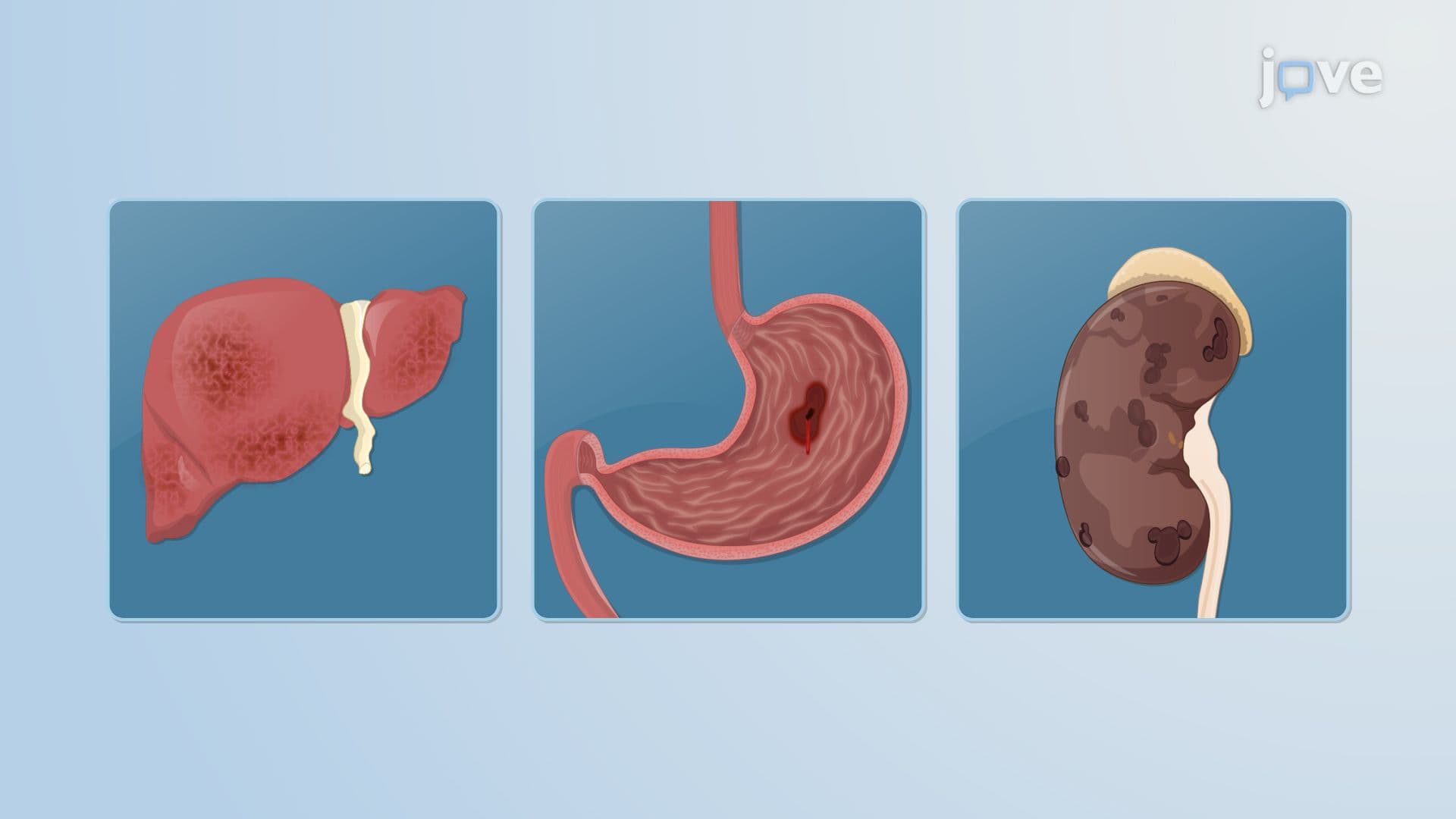
Loading video…

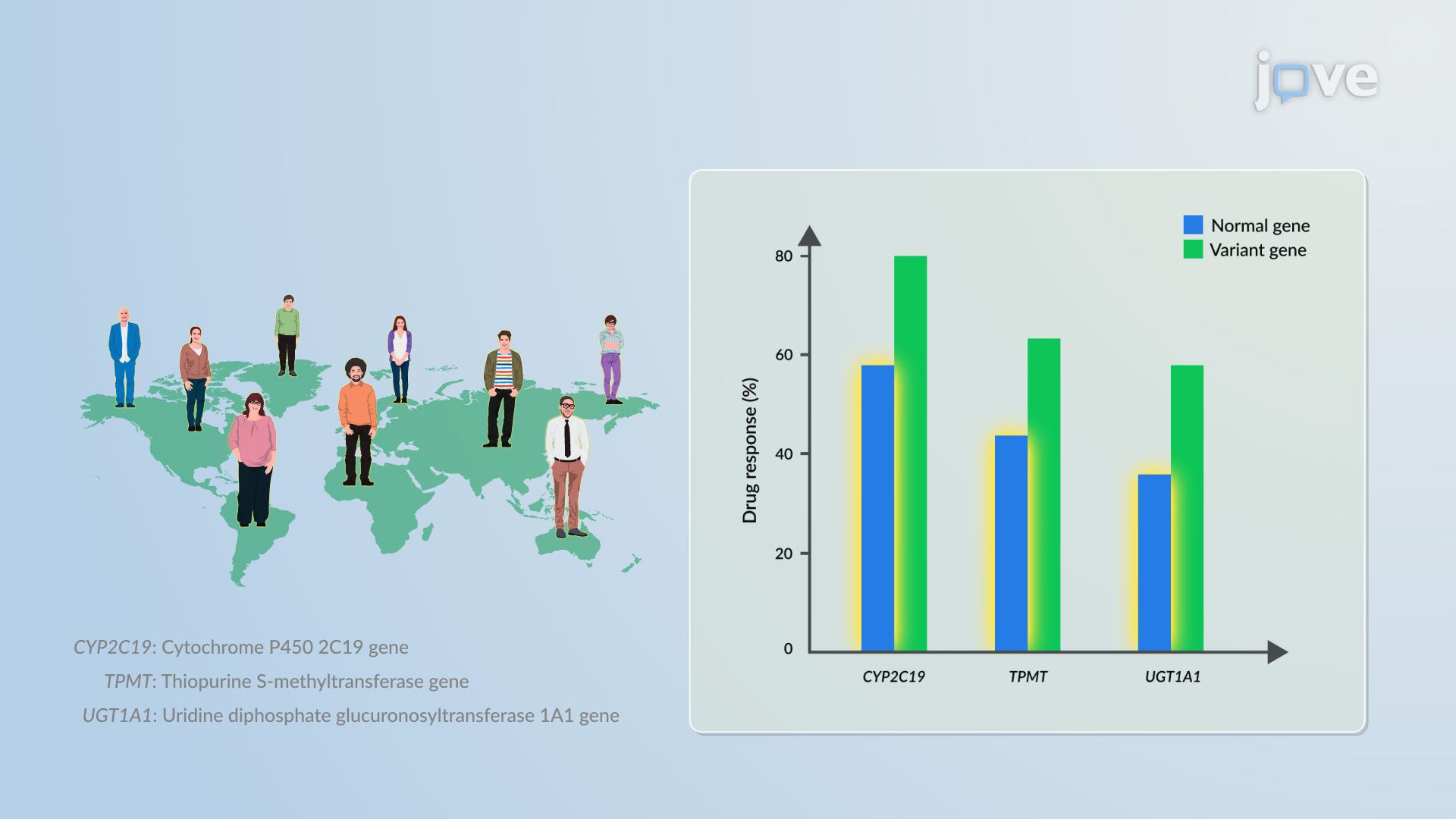
 9 Concepts
 2.2K views

Video Summary: What Is Pharmacogenetics and Pharmacogenomics
Pharmacogenetics and pharmacogenomics basics matter when treatment outcomes vary unexpectedly across individuals, a challenge that demands precise, evidence-based understanding. What is Pharmacogenetics and Pharmacogenomics? It's the science of how genetic makeup drives drug response, metabolism, and efficacy. Understanding these principles helps professionals make informed, personalized decisions that reduce risk and improve outcomes. Watch the full video on JoVE Coach to master this concept with expert-led visuals and step-by-step explanations.
Imagine a clinical setting where two individuals with identical diagnoses receive the same prescribed medication at the same dose. One responds well within days. The other experiences severe adverse reactions. Nothing in their charts explains the divergence, until genetic profiling enters the picture. This scenario plays out consistently across healthcare and pharmaceutical environments, and it sits at the heart of why pharmacogenetics and pharmacogenomics have become indispensable frameworks in modern medicine and life sciences.
Most professionals working in health, pharmaceutical, or biomedical fields are trained to treat protocols as universal. The foundational assumption, that a validated drug at a standard dose will behave predictably, breaks down at the individual genetic level. Research consistently shows that up to 75% of variability in how the body processes drugs is traceable to genetic differences, particularly in cytochrome P450 (CYP450) enzymes. These enzymes govern drug metabolism in the liver, and even subtle variations in the genes encoding them can render a patient a poor metabolizer, an ultra-rapid metabolizer, or anything in between. Missing this dimension means operating with an incomplete risk model.
The distinction between pharmacogenetics and pharmacogenomics provides a useful two-tier framework for analysis. Pharmacogenetics focuses narrowly, examining how a variation in a single gene alters a drug's effect. Pharmacogenomics operates at scale, mapping how patterns across the entire genome interact with pharmaceutical compounds. Think of it as the difference between troubleshooting one variable in a complex system versus auditing the whole system architecture. In practice, this means using pharmacogenetic data to explain a known, isolated reaction, while pharmacogenomic data informs the design of personalized medicine protocols from the ground up. Genome-wide screening tools and DNA chips have made the latter increasingly actionable, moving precision medicine from theoretical to operational.
For professionals in pharmaceutical development, clinical operations, or health informatics, the application is direct: pharmacogenomic testing generates the kind of individual-level data that supports treatment personalization, adverse event prediction, and formulary decision-making. For those in research or regulatory roles, understanding allele variants and their population frequencies is essential for designing inclusive clinical trials and interpreting heterogeneous outcome data. The practical step is to develop fluency in reading pharmacogenomic test outputs, understanding what a CYP2D6 poor metabolizer classification means for dosing, or how a specific HLA allele variant raises toxicity risk for a given compound. These are not abstract concepts; they are decision-support inputs that directly affect patient safety.
The most consequential error is treating genetic factors as secondary to environmental ones. Both matter, but genetic influences on drug metabolism are fixed at birth and highly heritable, they do not fluctuate with lifestyle or compliance. A second mistake is conflating the two fields: applying pharmacogenomic-level conclusions to single-gene questions, or vice versa, produces misaligned recommendations. Finally, relying on population averages to predict individual drug response, without incorporating genetic data, remains one of the most persistent gaps between evidence-based pharmacology and clinical practice. Closing that gap starts with understanding exactly what these fields measure and why it matters.
Related Micro-courses