Loading video…

 9 Concepts
 2.2K views


Video Summary: Beta2 Adrenergic Receptors Apo E Thymidylate Synthase In
β₂-Adrenergic Receptors, Apo E, Thymidylate Synthase in Pharmacogenetics of Drug Targets sits at the core of why identical treatments produce wildly different patient outcomes across teams and clinical populations. When a treatment protocol fails to deliver expected results, genetic variation, not poor adherence, is often the true driver. Mastering this concept sharpens how you interpret variability and apply personalized medicine principles. Watch the full video on JoVE Coach to master this concept with expert-led visuals and step-by-step explanations.
Imagine a clinical team administering the same chemotherapy protocol to two patients with identical diagnoses, similar health profiles, and the same stage of disease, yet one responds well and the other experiences significant treatment failure. No error in dosage. No adherence issue. The difference lies beneath the surface, written into each patient's genetic code. This is the challenge that pharmacogenetics of drug targets was built to address, and understanding it changes how professionals approach treatment planning at a fundamental level.
Most treatment protocols are built around population-level averages. The assumption, often implicit, is that a drug targeting a specific receptor or enzyme will behave consistently across patients. But β₂-adrenergic receptors, apolipoprotein E, and thymidylate synthase each demonstrate measurable polymorphisms that break this assumption in clinically significant ways.
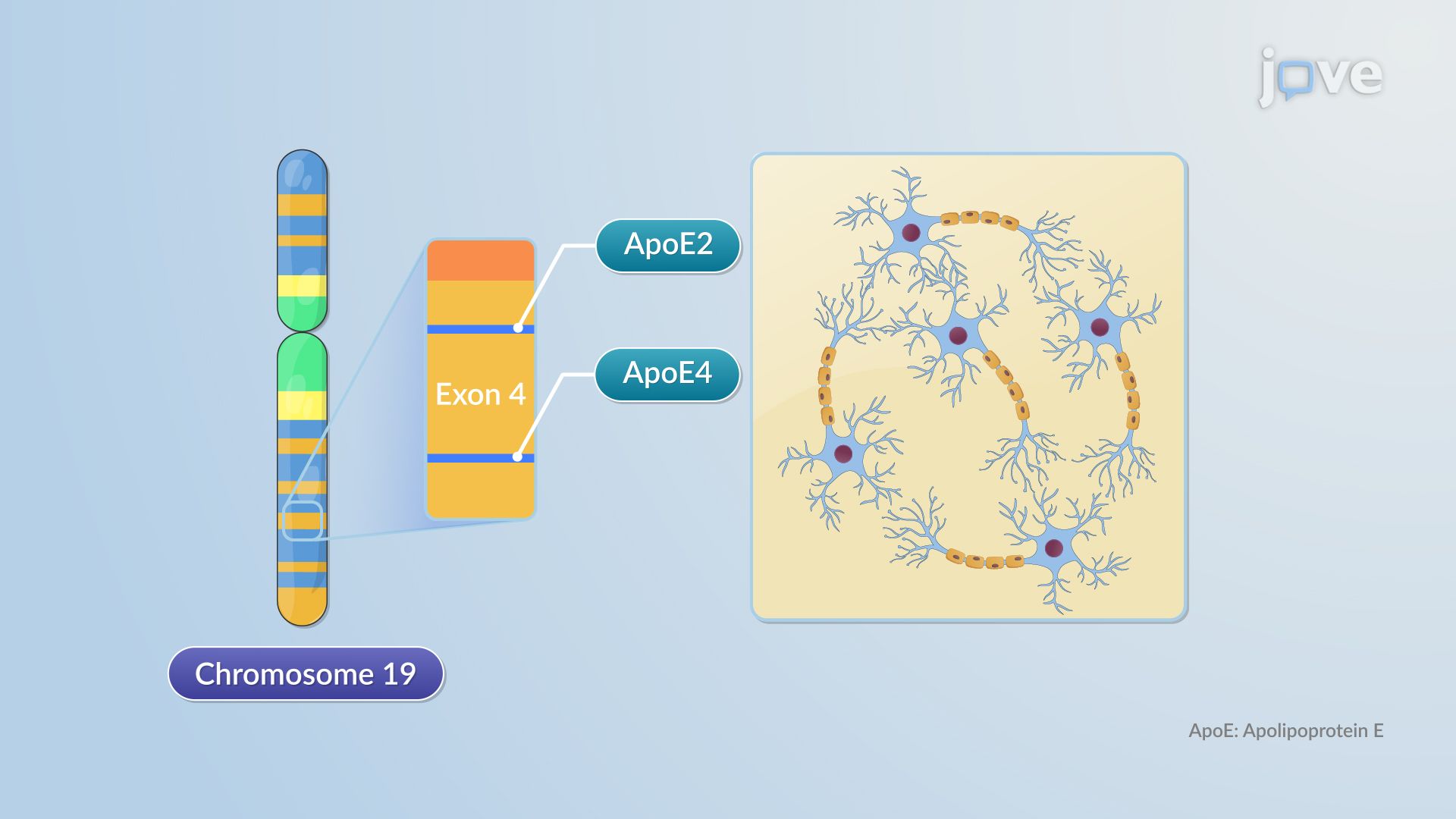
The β₂-adrenergic receptor, which governs critical cardiac and pulmonary functions, carries two well-documented polymorphisms tied to variable bronchodilator effectiveness and differential outcomes in heart failure management. Practitioners who overlook these variants risk misattributing treatment failure to patient behavior rather than biological incompatibility. The same logic applies to apoE4 carriers, who show reduced responsiveness to lipid-lowering drugs and worse cognitive outcomes under standard Alzheimer's treatment approaches.
Recognizing that variability is often *structural*, encoded in the patient's genome, is the first and most important shift in professional thinking.
A practical approach mirrors the Assess-Stratify-Personalize-Monitor model used in precision medicine workflows:
1. Assess, Before initiating therapy, identify whether pharmacogenomic testing is available and clinically indicated for the drug target involved (e.g., TS genotyping before 5-fluorouracil chemotherapy). 2. Stratify, Group patients by genotype risk. A patient carrying the 3R/3R thymidylate synthase genotype faces meaningfully poorer cancer treatment outcomes and warrants an adjusted protocol or alternative agent. 3. Personalize, Use allele variant data to inform dosing, drug selection, or combination strategies, particularly for apoE4-positive patients on lipid-lowering or cognitive therapies. 4. Monitor, Track outcomes against genetic predictions. When response diverges from expectation, revisit whether untested genetic factors may be contributing.
This framework converts abstract genetic data into actionable clinical decisions without requiring every practitioner to become a geneticist.
The most frequent error is treating pharmacogenomic information as a specialty concern, relevant only in oncology or rare disease contexts. In reality, β₂-adrenergic receptor polymorphisms affect common cardiac and respiratory drug responses encountered daily in general clinical practice.
A second mistake is conflating drug metabolism polymorphisms (such as CYP450 enzyme variants) with drug *target* polymorphisms. CYP450 variants affect how the body processes a drug; target gene variants affect whether the drug can produce its intended biological effect. Both matter, but they require different clinical responses. Confusing the two leads to misguided dose adjustments when the real issue is receptor-level incompatibility.
Finally, avoid delaying personalized medicine integration until genetic testing becomes universal. Even partial data, a known apoE genotype, for instance, is actionable and should actively inform therapy selection rather than sit unused in a patient record.
When reviewing a case where expected drug response is absent or reduced, run through three rapid questions: Does this drug target a receptor or enzyme known to carry population-relevant polymorphisms? Has the patient been tested, and if so, what does the allele data show? Does the current protocol account for this patient's genetic profile, or is it defaulting to a population-average assumption?
These questions, applied consistently, shift clinical practice from reactive troubleshooting toward proactive, genetics-informed personalized medicine. The science of β₂-adrenergic receptors, apo E, and thymidylate synthase in pharmacogenetics of drug targets is not theoretical. It has immediate, practical implications for every treatment decision involving variable drug response.
Related Micro-courses