Loading subject page…

1,256 views

Video Summary: Dosage Regimen Multiple Oral Dosage Explained
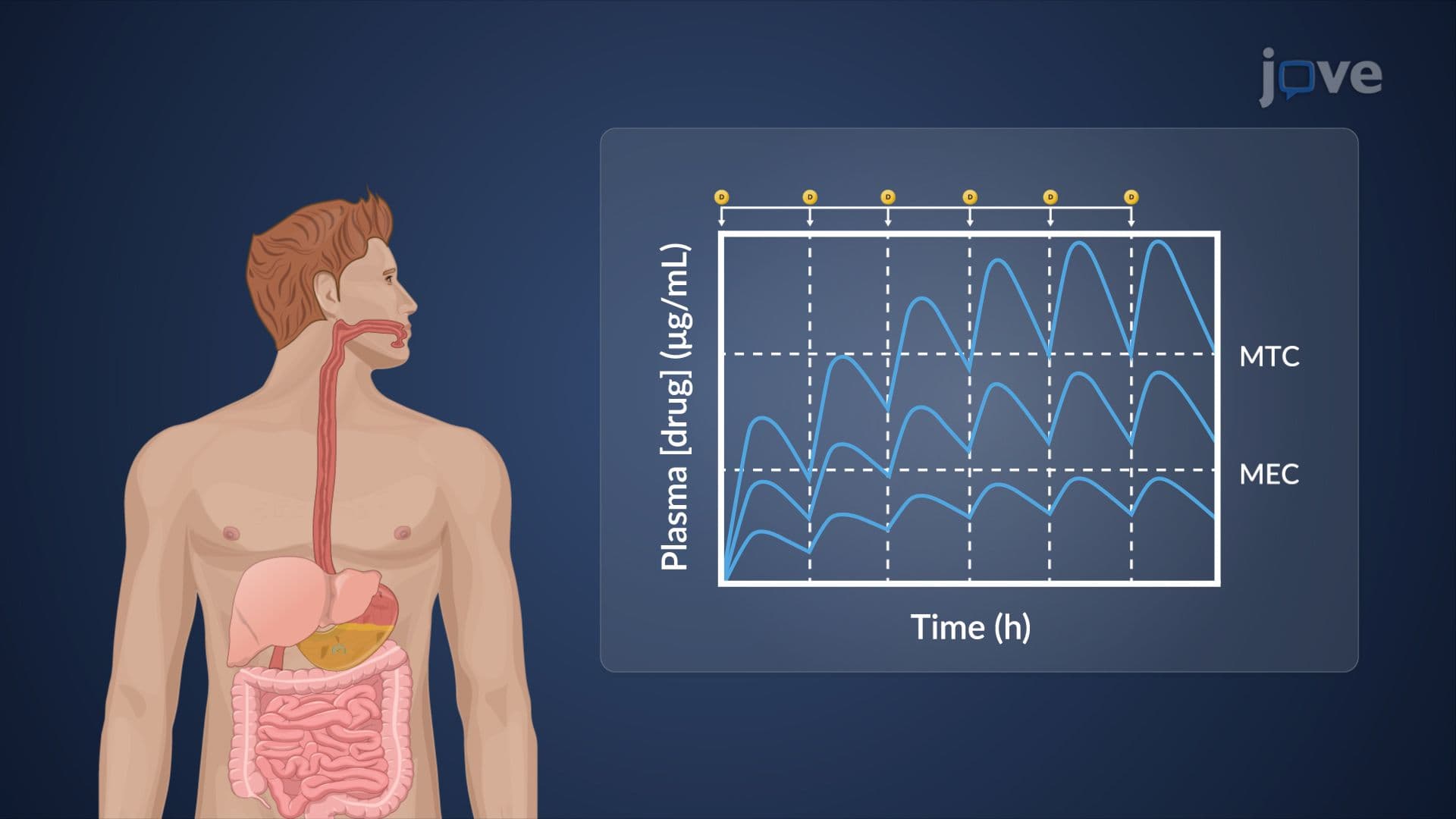
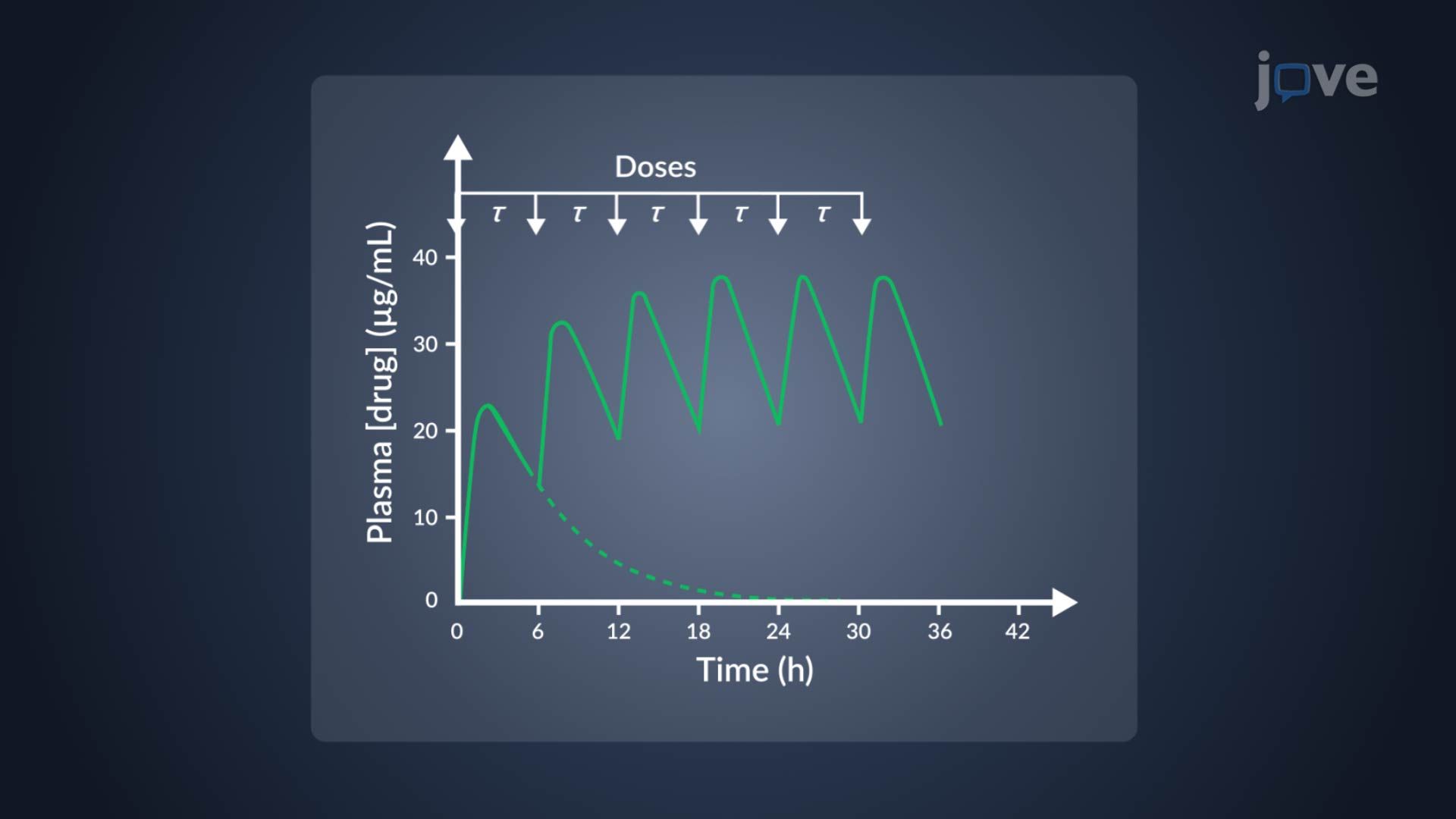
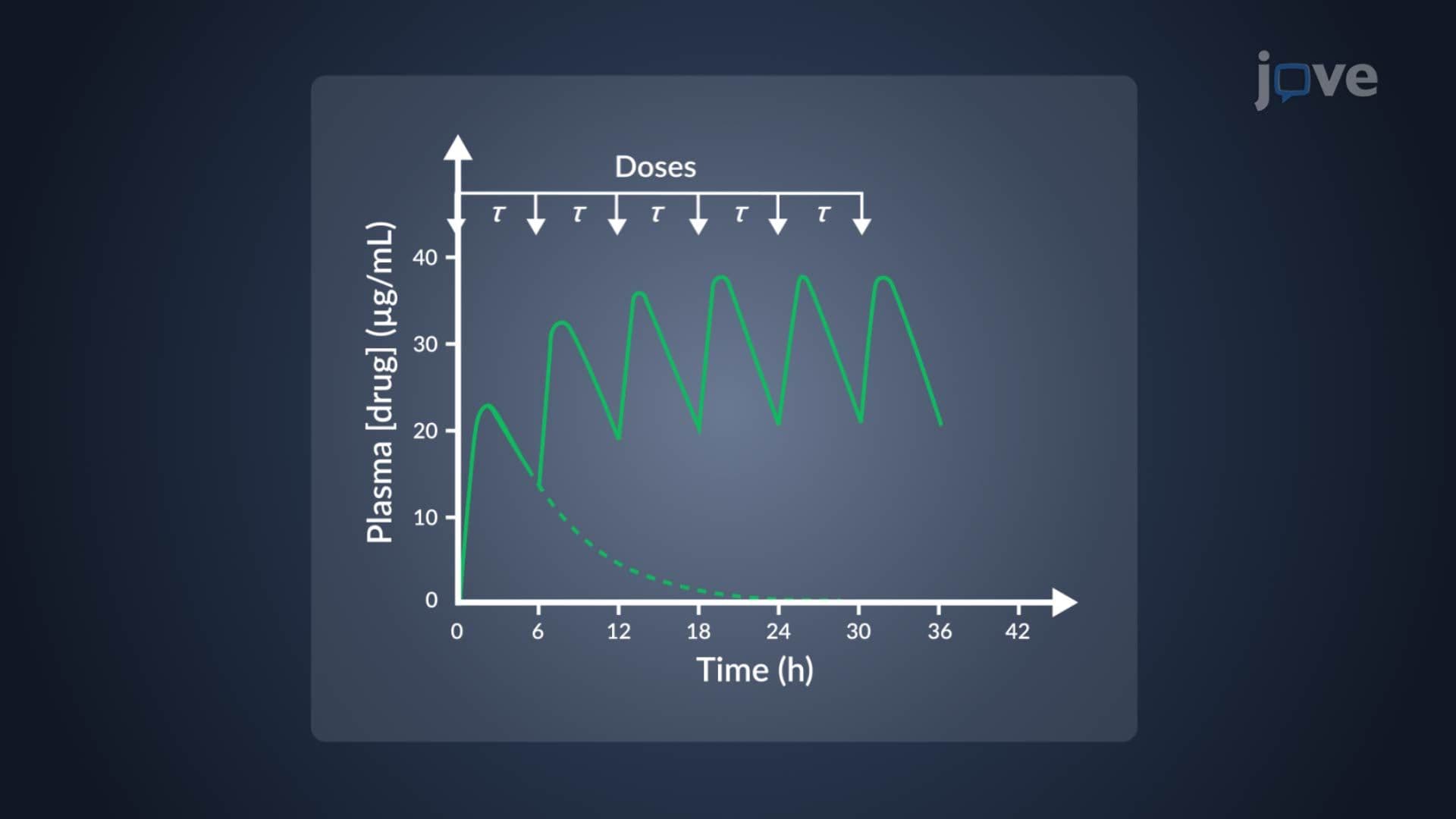
Why do patients taking antibiotics need to maintain strict dosing schedules every 8 hours? Understanding dosage regimen multiple oral administration reveals how drug levels create predictable peaks and valleys in your bloodstream. When multiple oral doses are given repeatedly, like with warfarin for stroke prevention, the body reaches a steady state where drug absorption balances elimination. This Dosage Regimen Multiple Oral Dosage Explained concept is crucial for safe, effective medication management. Watch the full video on JoVE Coach to master this concept with expert-led visuals and step-by-step explanations.
When medications are administered repeatedly through oral routes, the body's response follows predictable pharmacokinetic principles. Unlike single-dose scenarios, multiple dosing creates a complex interplay between drug absorption, distribution, and elimination that healthcare professionals must carefully manage.
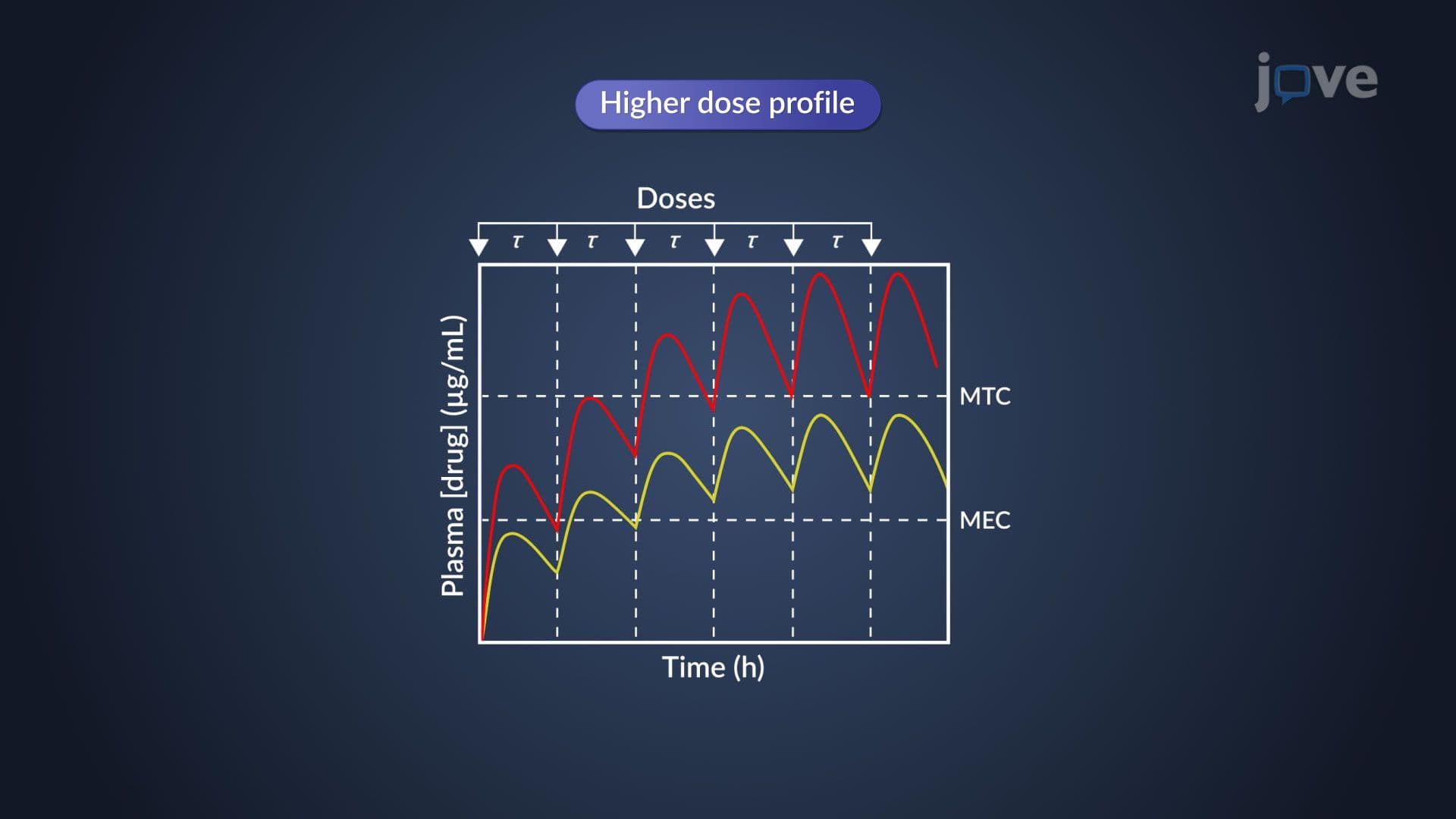
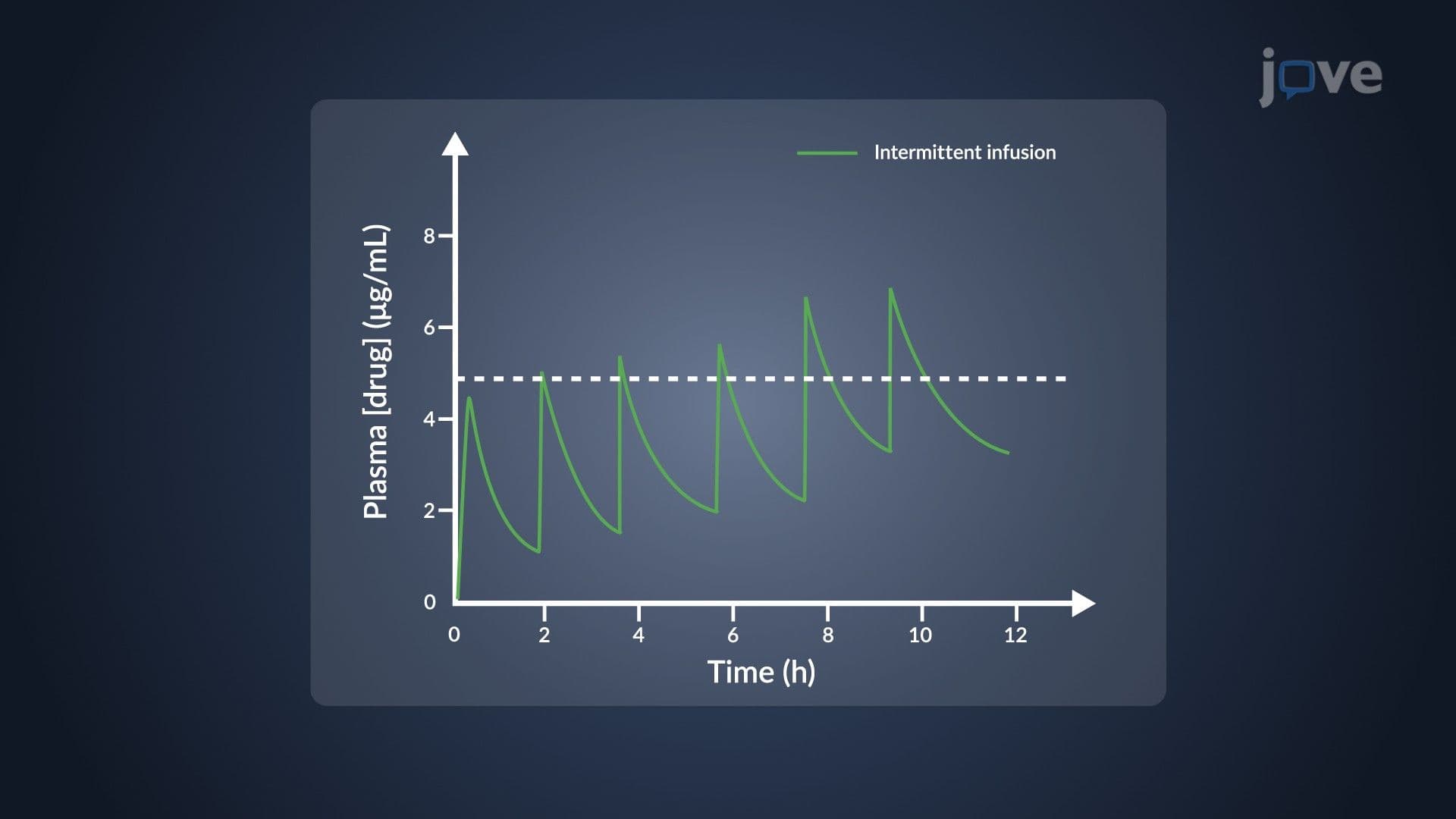
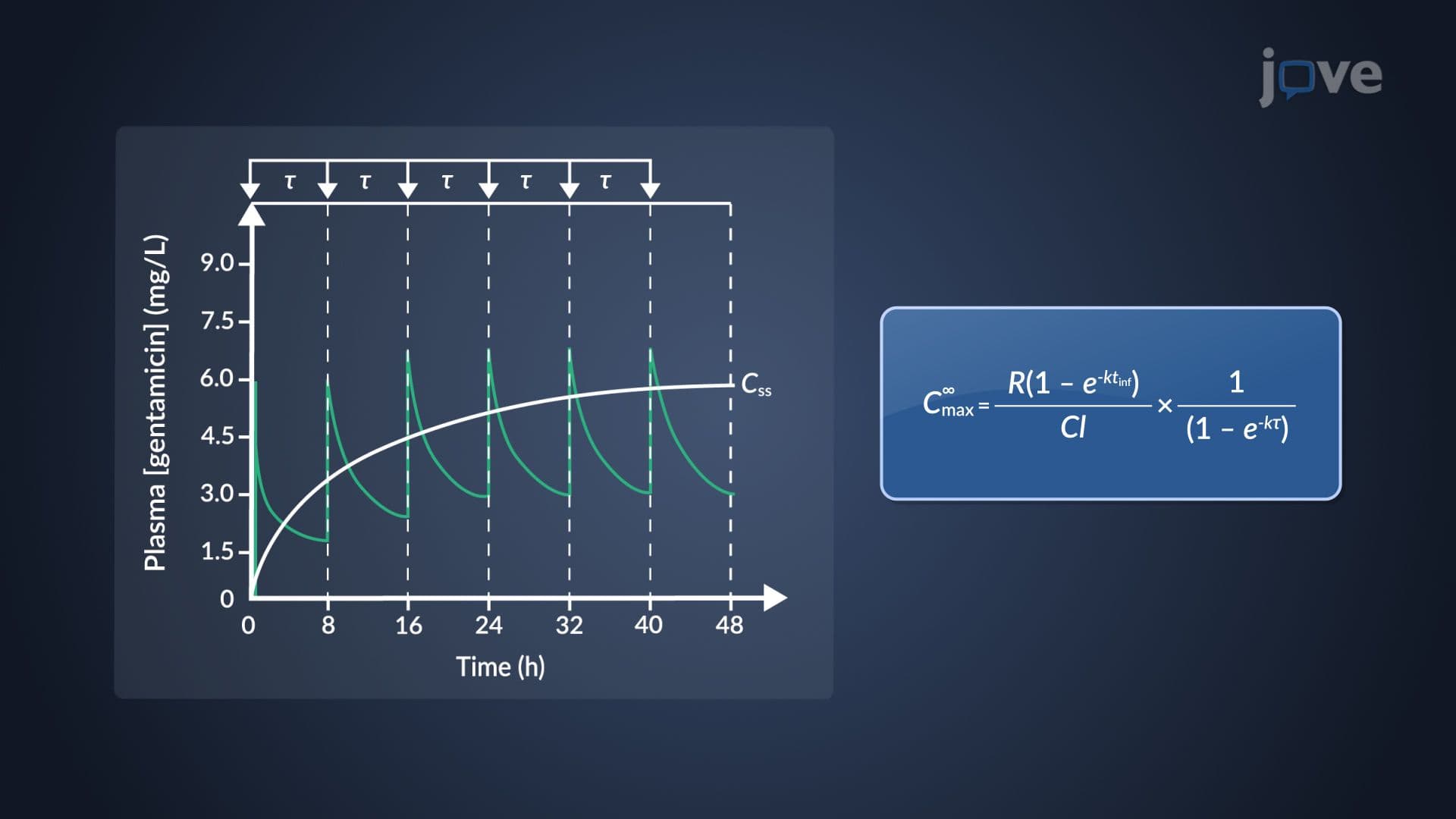
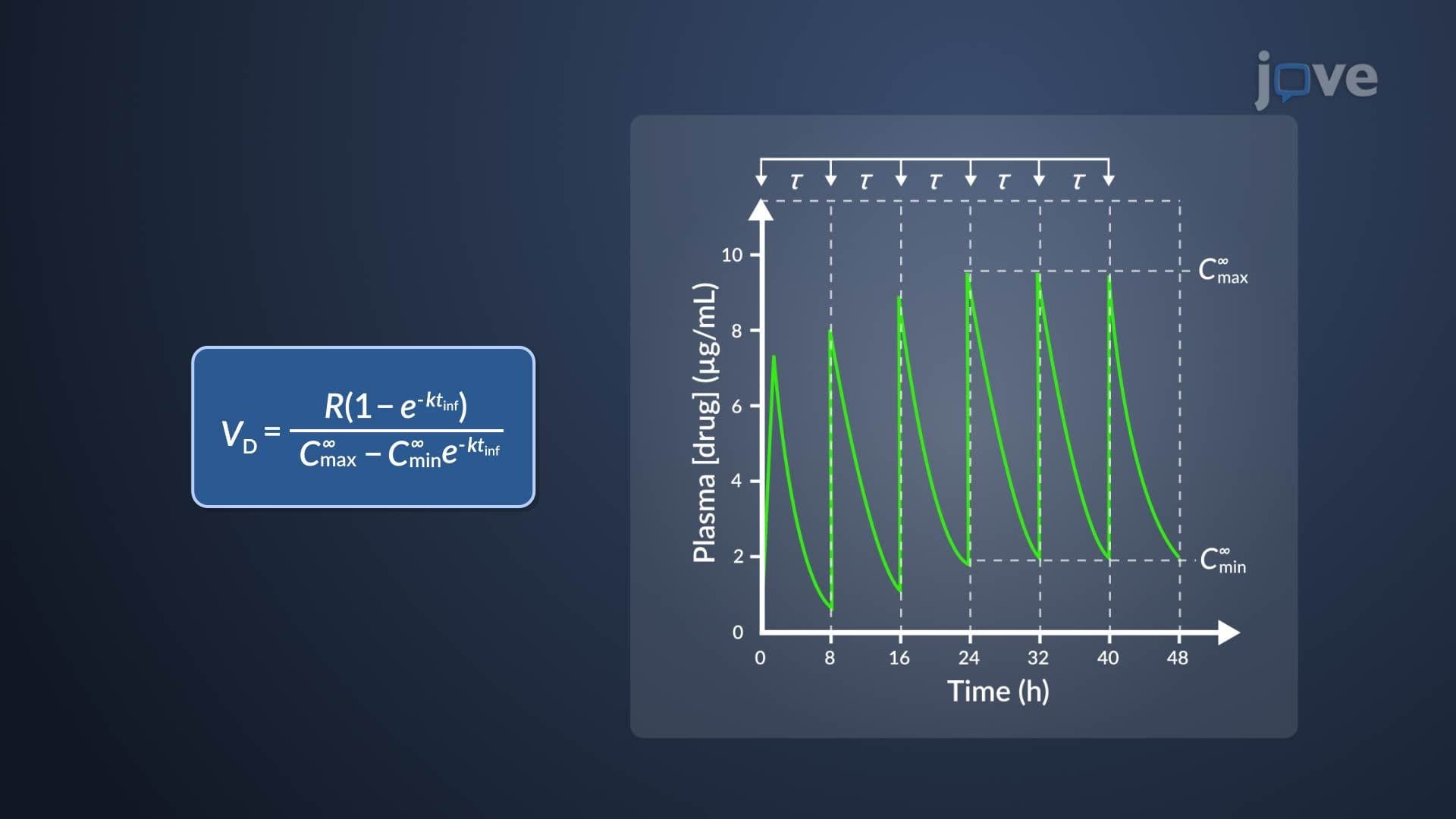
The cornerstone of multiple oral dosing lies in achieving steady state-a pharmacokinetic equilibrium where drug input equals drug elimination. This typically occurs after approximately 4-5 elimination half-lives. For example, digoxin (used for heart failure) has a half-life of 36 hours, so steady state is reached after about 7-8 days of consistent dosing. During this period, plasma concentrations oscillate between predictable maximum (Cmax) and minimum (Cmin) values.
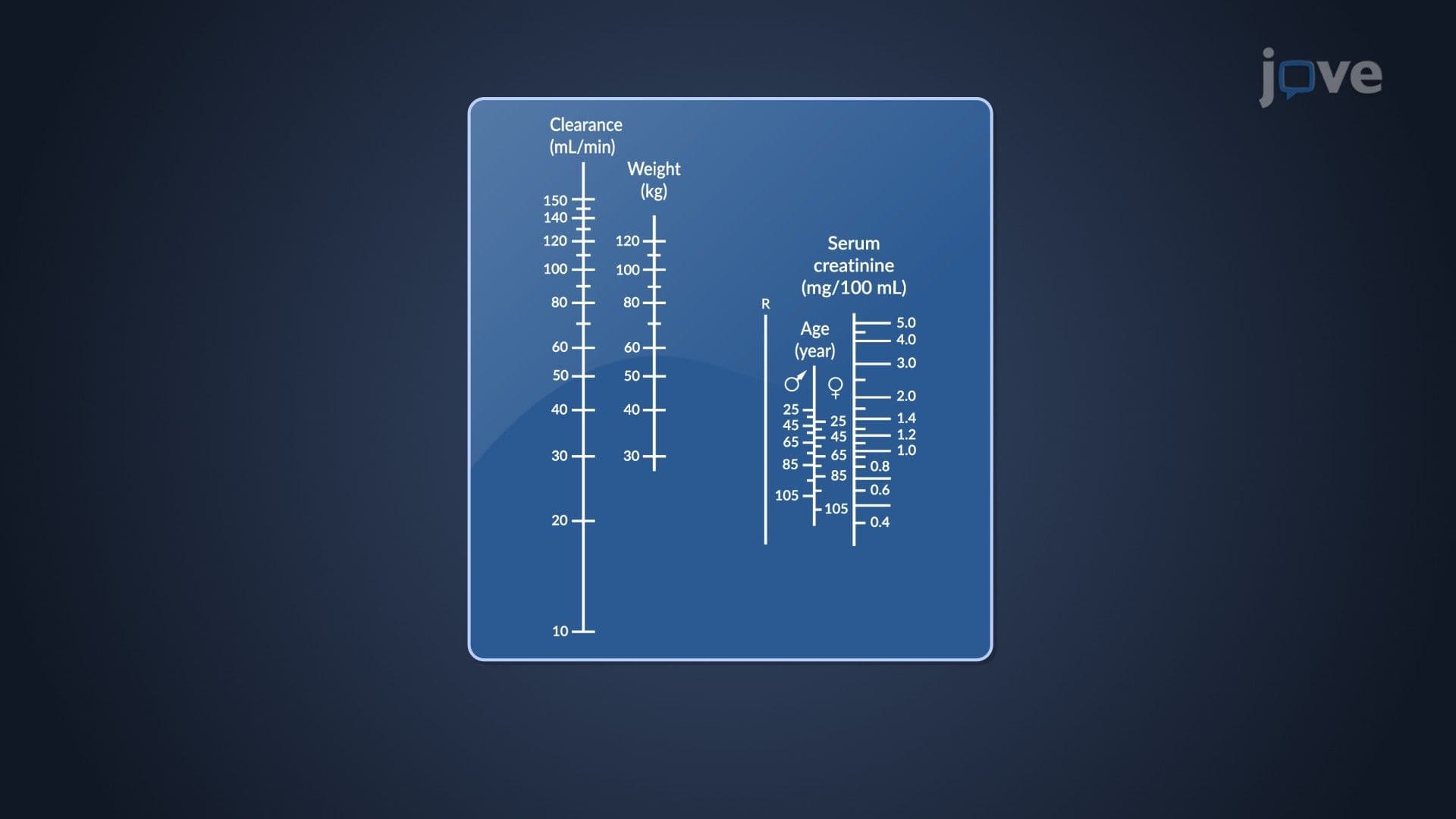
The average steady-state concentration (Css,avg) becomes the critical parameter for therapeutic efficacy. This value depends directly on clearance-patients with reduced kidney function will have lower clearance, resulting in higher average concentrations and potentially requiring dose adjustments. This concept frequently appears on MCAT pharmacology sections and NCLEX questions testing medication safety.
Drugs with narrow therapeutic indices present unique challenges in multiple dosing regimens. Warfarin exemplifies this complexity-its anticoagulant effects require careful monitoring through INR (International Normalized Ratio) values rather than standard half-life calculations. A small increase in dose can shift a patient from therapeutic anticoagulation to dangerous bleeding risk.
For these high-risk medications, clinicians often employ smaller, more frequent doses to minimize peak-to-trough fluctuations. This strategy maintains the same average concentration while reducing potentially toxic peaks. USMLE Step 1 commonly tests this principle through clinical vignettes involving drugs like phenytoin or lithium.
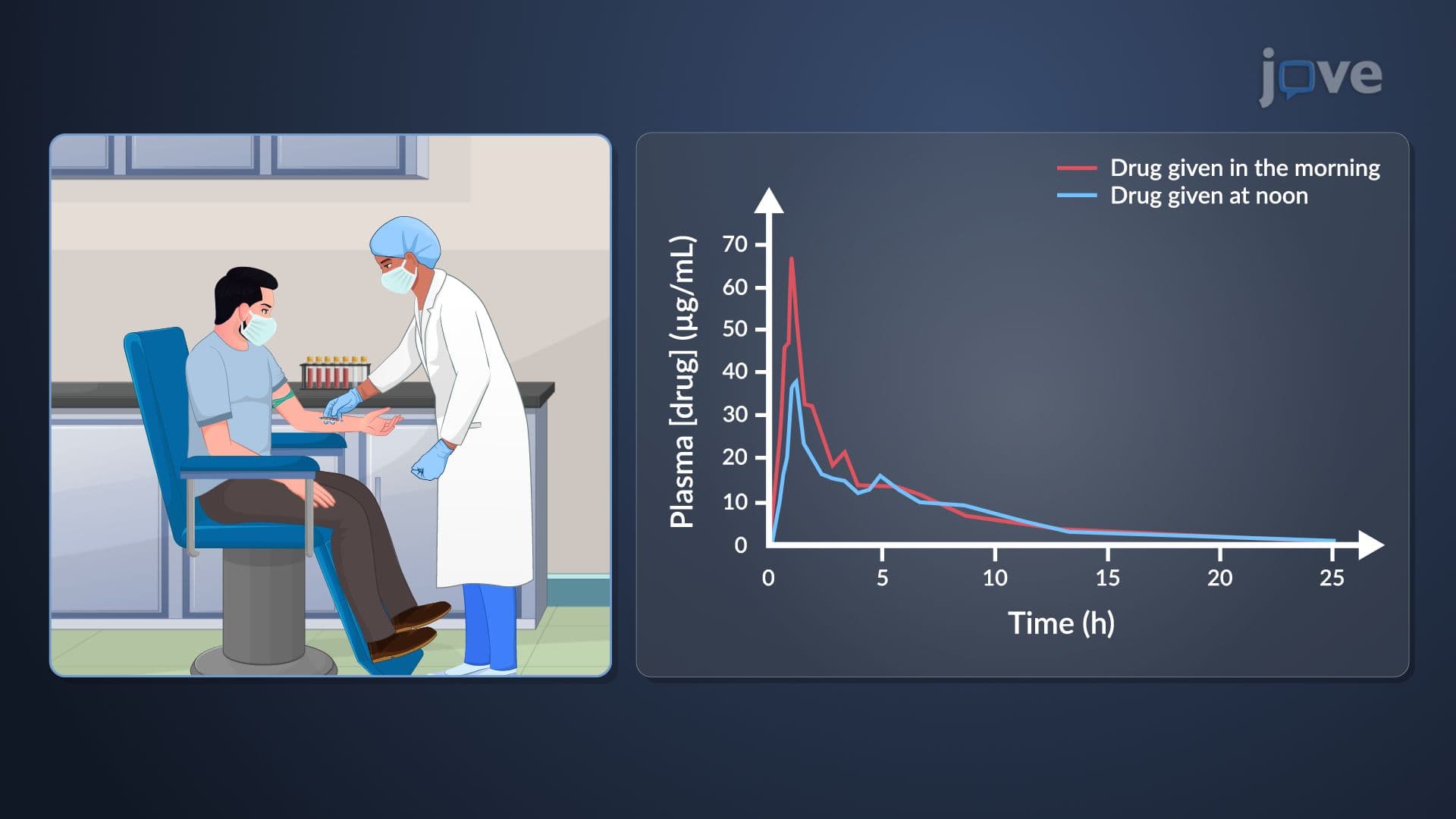
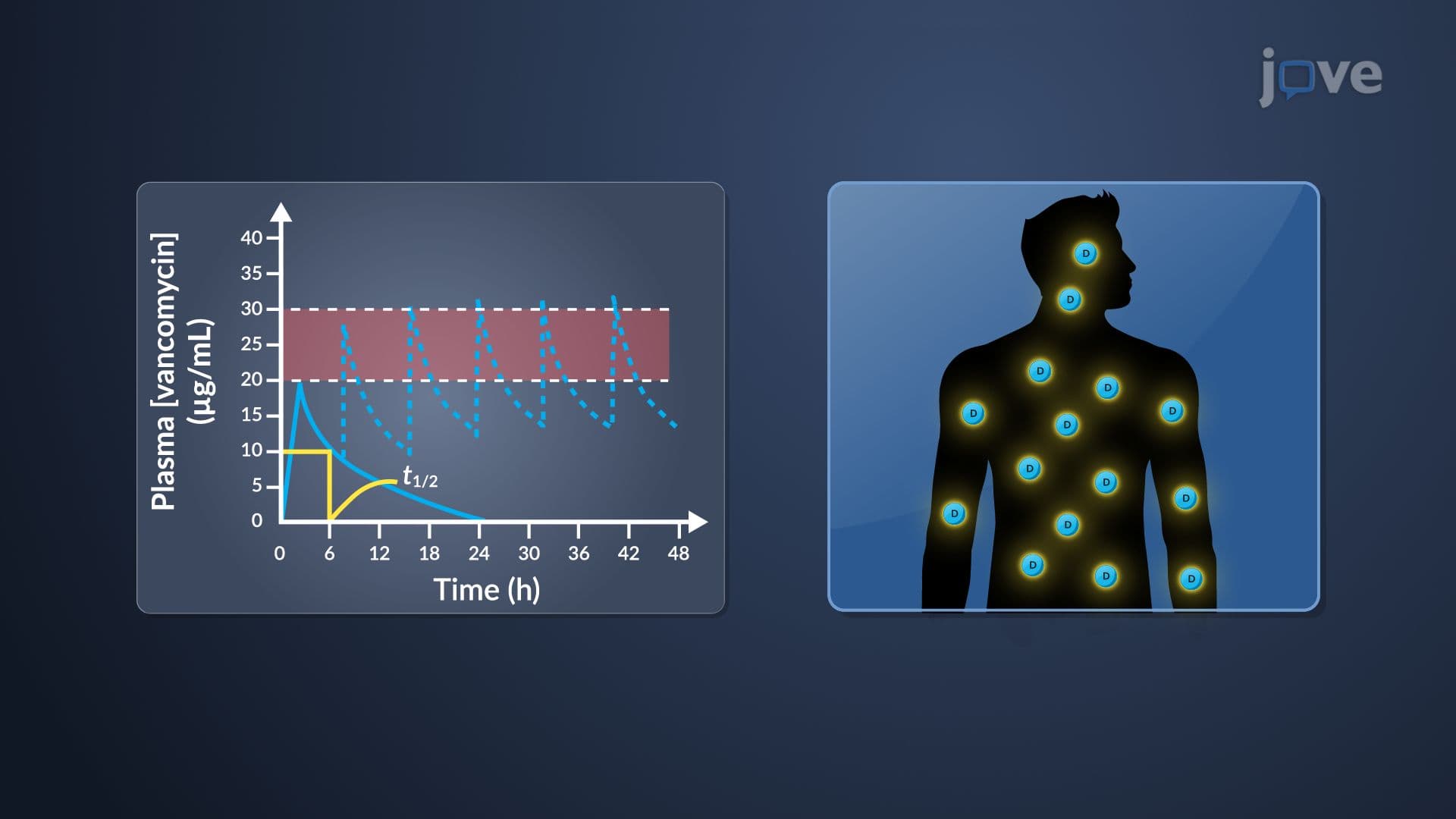
Modern pharmacy practice integrates pharmacokinetic principles with therapeutic drug monitoring (TDM). Hospitals routinely measure plasma levels for drugs like vancomycin, where both efficacy and nephrotoxicity depend on maintaining appropriate peak and trough concentrations. The dosing interval often aligns with the elimination half-life, but patient-specific factors-age, kidney function, drug interactions-may necessitate individualized adjustments.
Advanced pharmacy students and residents learn to calculate loading doses for rapid steady-state achievement and maintenance doses for sustained therapeutic levels. These calculations form the foundation for board certification exams and clinical practice competency assessments.
Related Micro-courses