Loading subject page…

1,256 views

Video Summary: Dosage Regimens Partial Pharmacokinetic Parameters Explained
Ever wonder why your doctor prescribes specific medication doses without knowing exactly how your body will process that drug? Dosage regimens partial pharmacokinetic calculations allow healthcare providers to determine safe, effective medication doses even when complete drug absorption data isn't available. For instance, when prescribing antibiotics like amoxicillin, clinicians often assume 100% bioavailability to prevent underdosing infections. This approach to Dosage Regimens Partial Pharmacokinetic Parameters Explained relies on population averages and conservative assumptions to protect patient safety. Watch the full video on JoVE Coach to master this concept with expert-led visuals and step-by-step explanations.
Dosage regimens partial pharmacokinetic parameters represent a critical bridge between theoretical drug science and practical clinical medicine. When complete pharmacokinetic profiles-detailed maps of how drugs move through the human body-are unavailable, healthcare providers must still determine safe and effective medication doses for their patients.
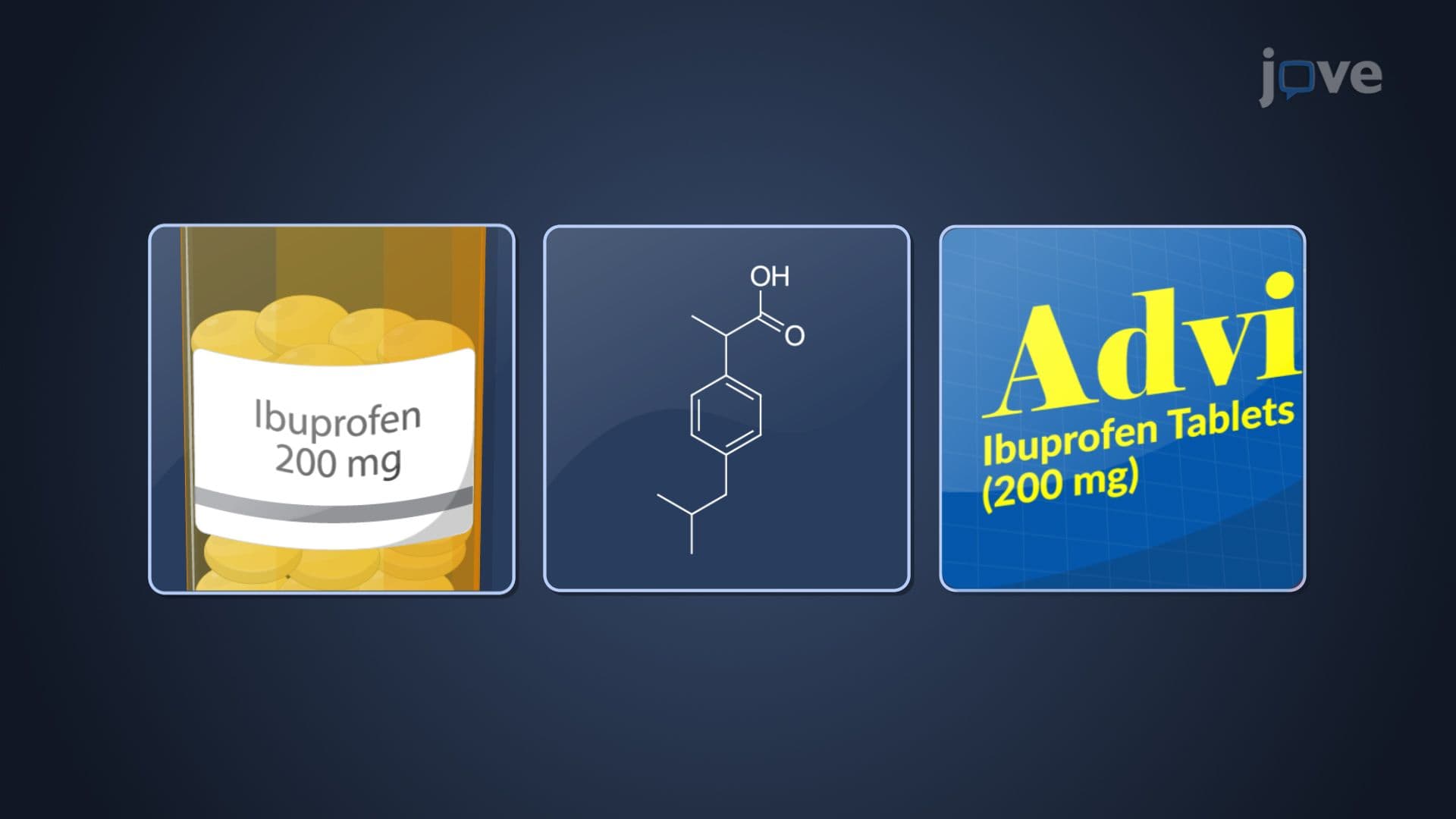
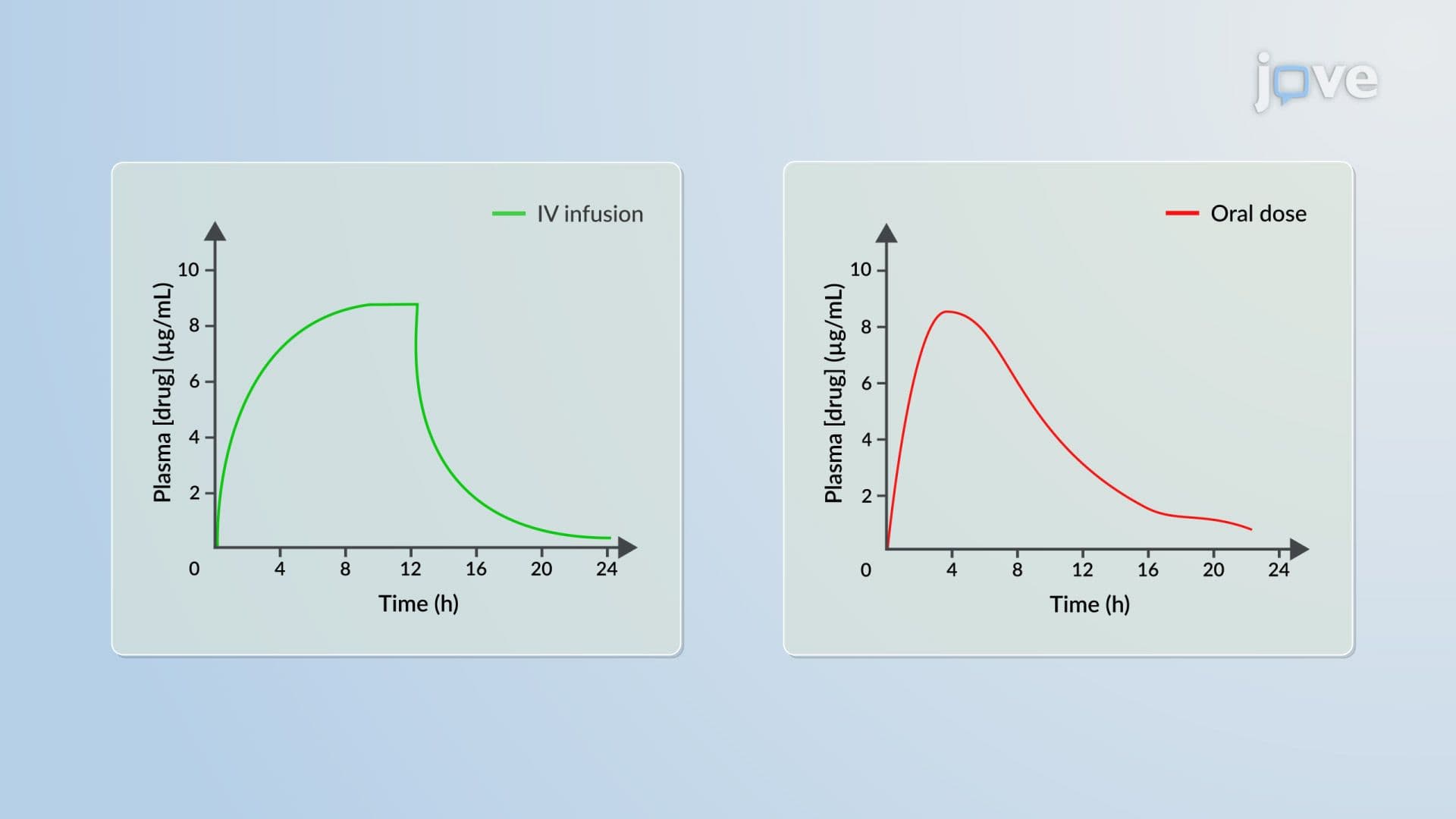
The most fundamental assumption in partial pharmacokinetic modeling involves setting the bioavailability factor (F) to 1.0 or 100%. This conservative approach assumes complete drug absorption, even when actual absorption rates may be lower. For example, when prescribing oral medications like ibuprofen or acetaminophen, pharmacists calculate doses assuming full absorption. If actual bioavailability is only 80%, patients receive adequate medication rather than dangerous overdoses.
This safety-first methodology particularly impacts medications with narrow therapeutic windows, such as warfarin (blood thinner) or digoxin (heart medication). The FDA requires extensive bioavailability studies for these high-risk drugs, but many common medications rely on population-based assumptions for dosing guidelines.
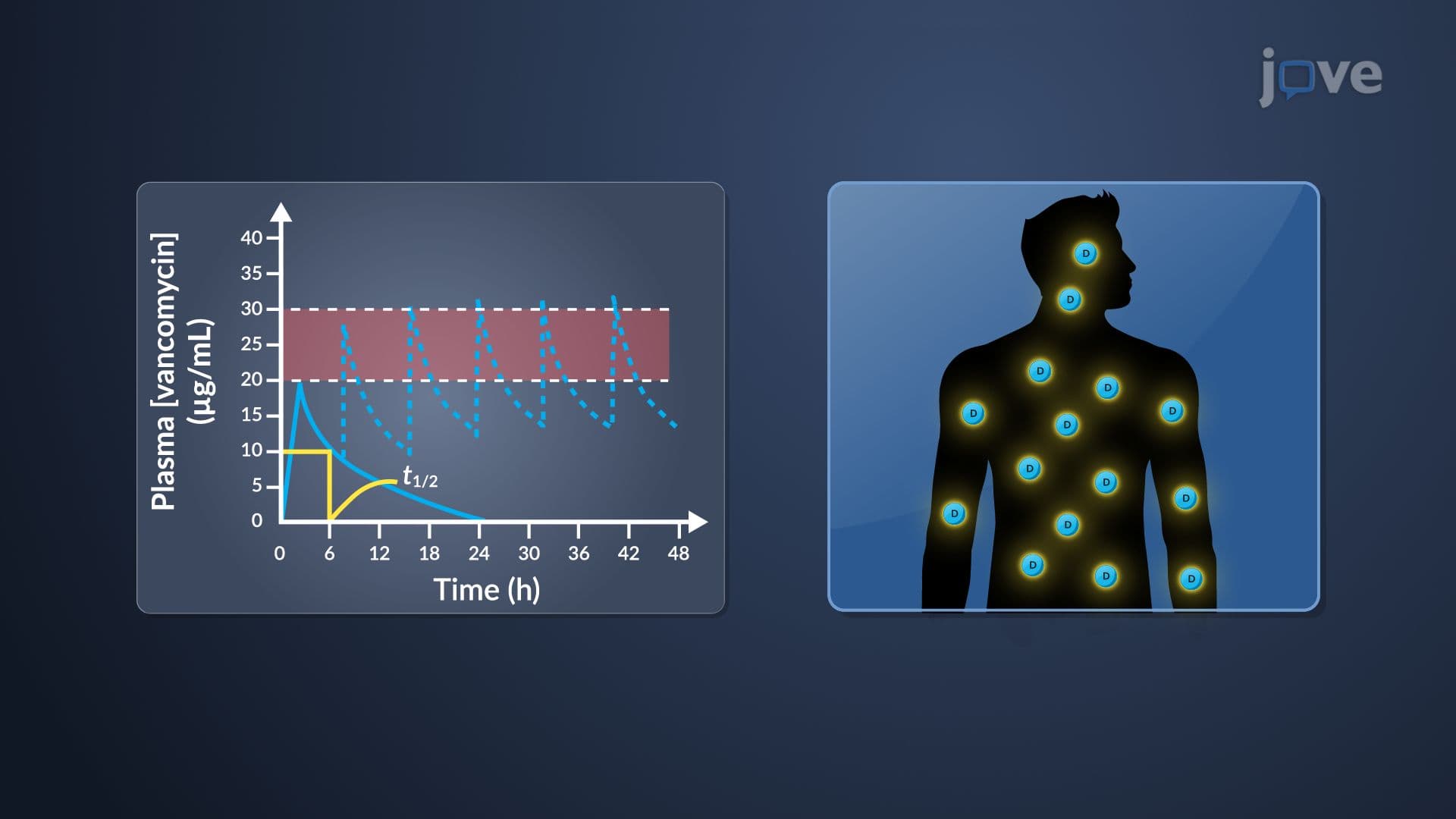
Population pharmacokinetics uses statistical analysis of large patient groups to establish dosing standards. Rather than studying individual patient responses extensively, researchers collect limited serum drug concentration samples from diverse populations. This approach has revolutionized therapeutic drug monitoring, especially for antibiotics like vancomycin used in US hospitals.
Modern computerized databases enable healthcare systems like Kaiser Permanente and Mayo Clinic to analyze thousands of patient responses simultaneously. These statistical tools help identify optimal dosing patterns across different demographic groups, accounting for factors like age, weight, kidney function, and genetic variations.
Students preparing for the MCAT encounter pharmacokinetic principles in biological sciences passages, while nursing students face these concepts on NCLEX examinations. Pre-pharmacy students studying for PCAT exams must understand how bioavailability assumptions impact drug calculations. College-level pharmacology courses typically dedicate entire units to dosage regimen calculations, making this knowledge essential for academic success in health sciences programs.
Related Micro-courses