Loading subject page…

1,256 views

Video Summary: Dose Size and Dosing Frequency Explained
Ever wonder why your doctor prescribes two aspirin tablets every eight hours instead of six tablets once daily? Dose size dosing frequency determines whether medications like insulin for diabetics work safely and effectively. Understanding dose size and dosing frequency explained helps predict whether plasma drug levels will stay within the therapeutic window-too low means no effect, too high risks dangerous side effects. For example, the antibiotic amoxicillin requires specific timing to maintain infection-fighting levels while avoiding toxicity. Watch the full video on JoVE Coach to master this concept with expert-led visuals and step-by-step explanations.
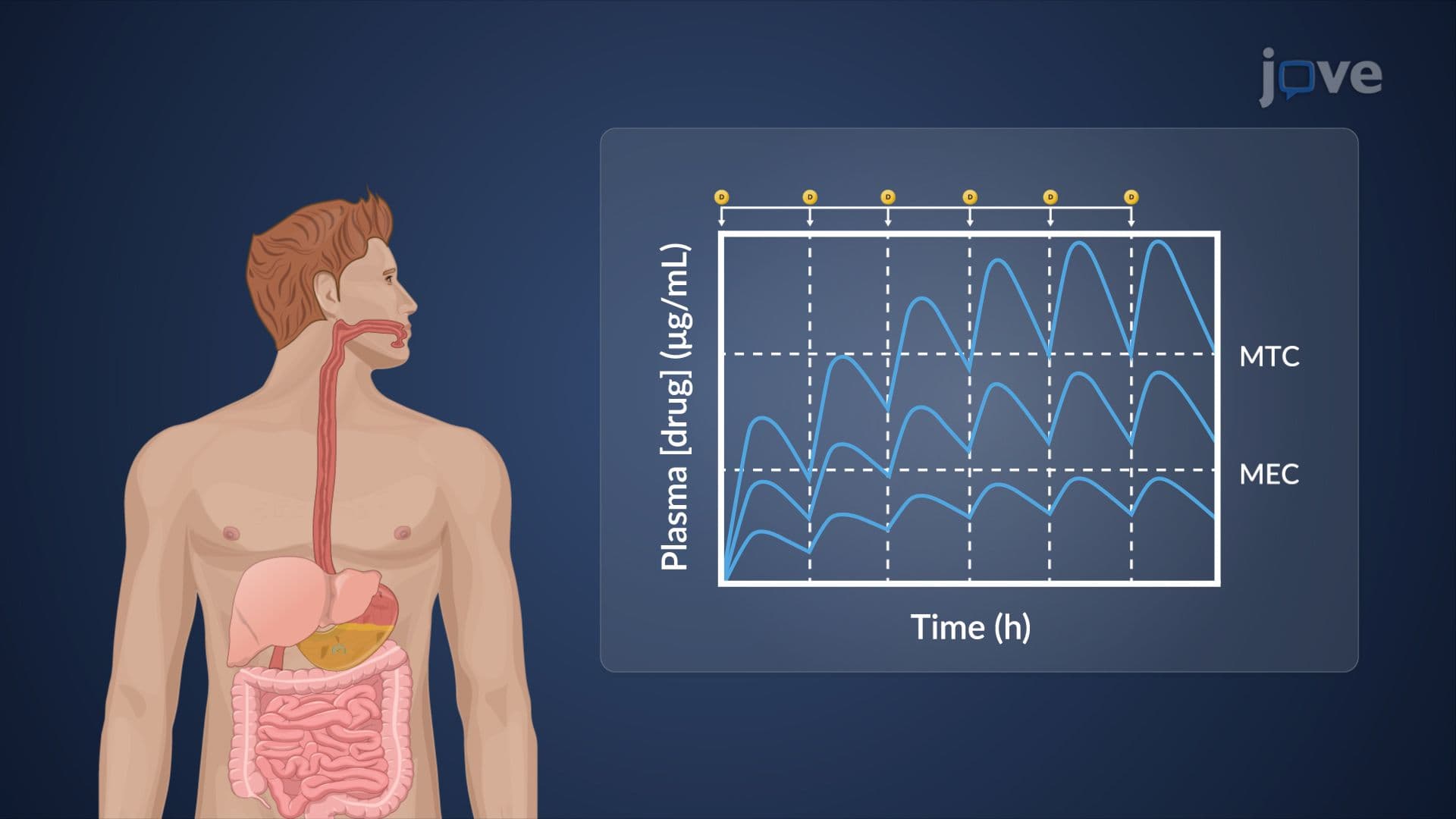
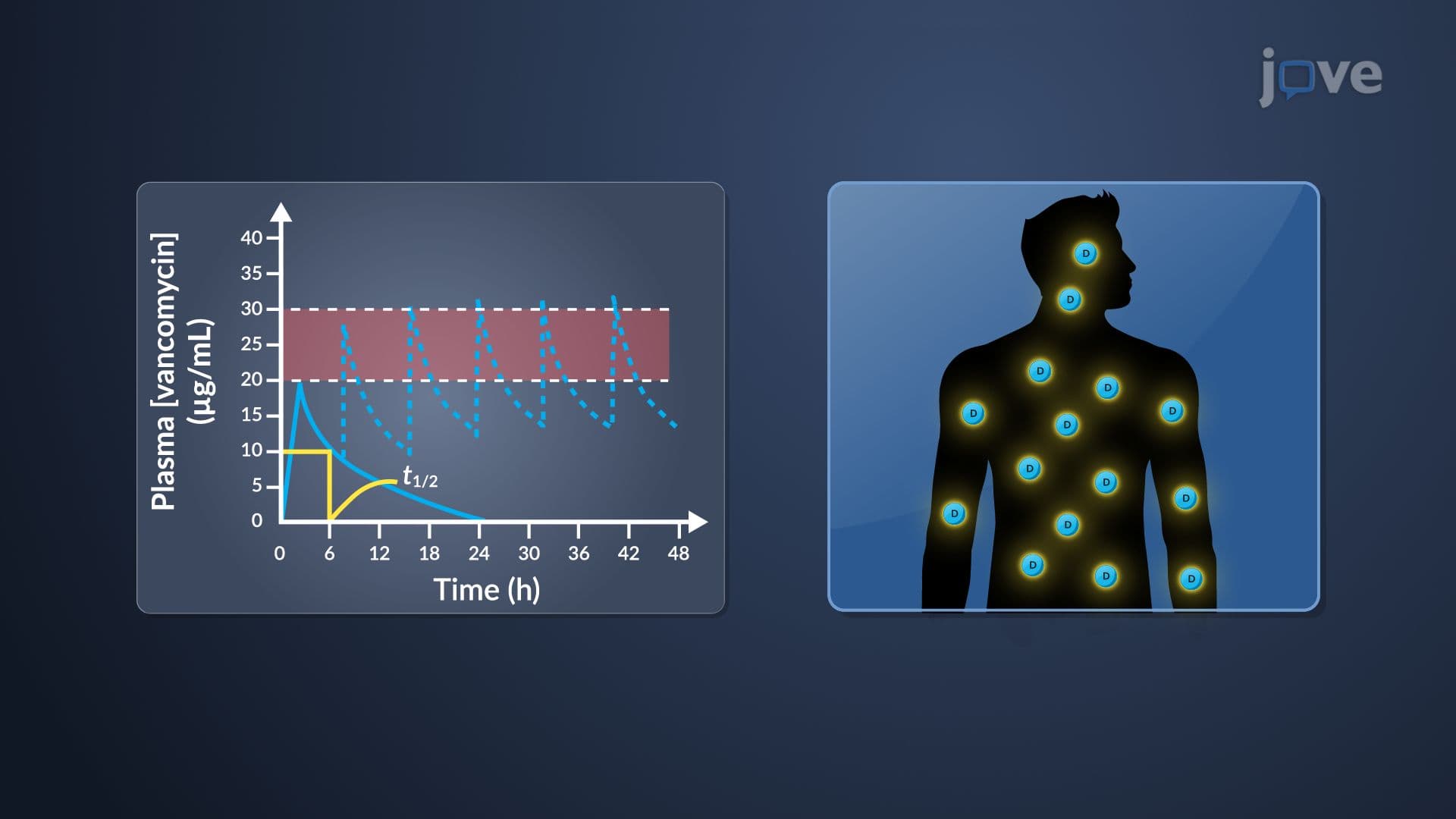
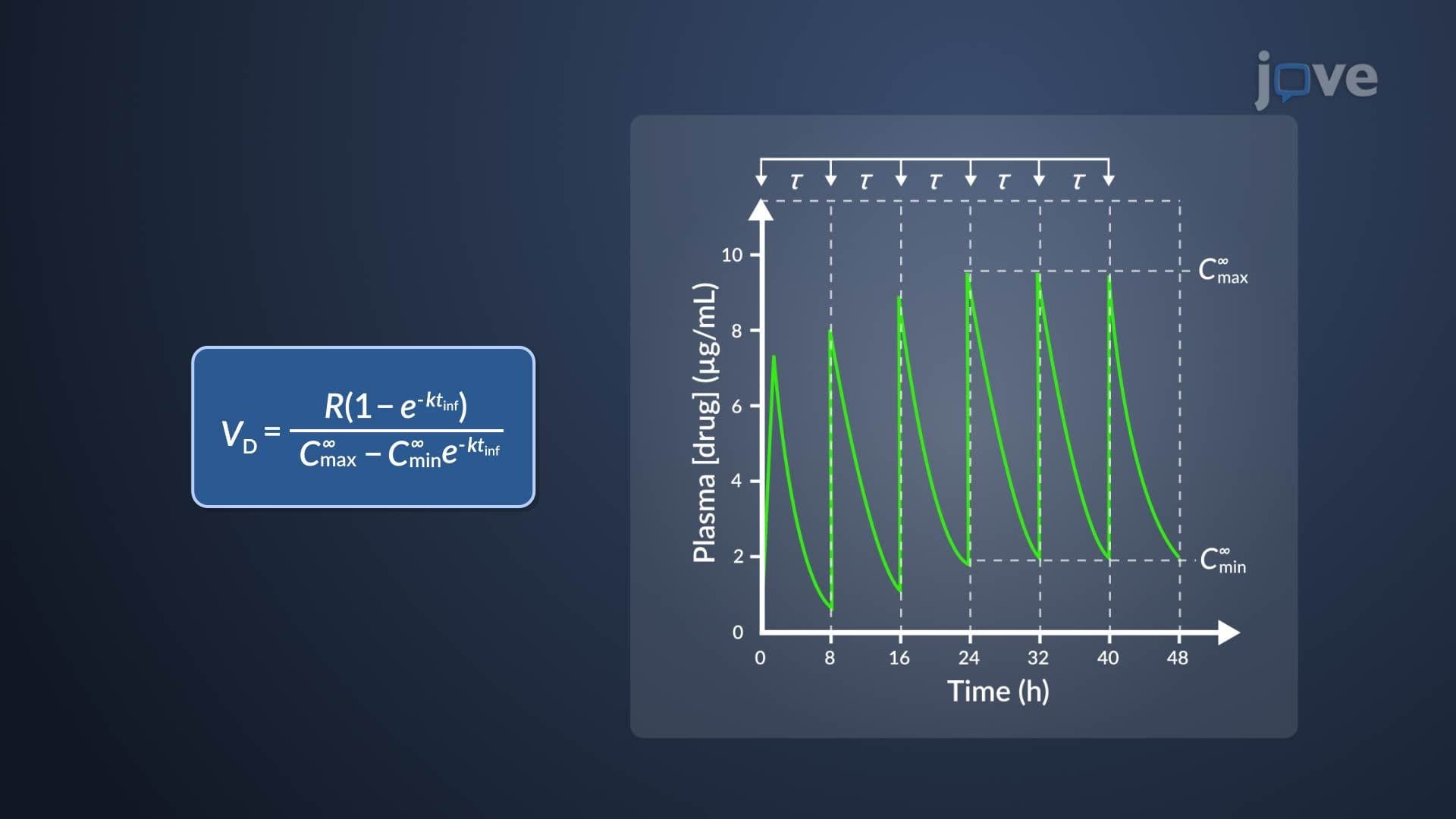
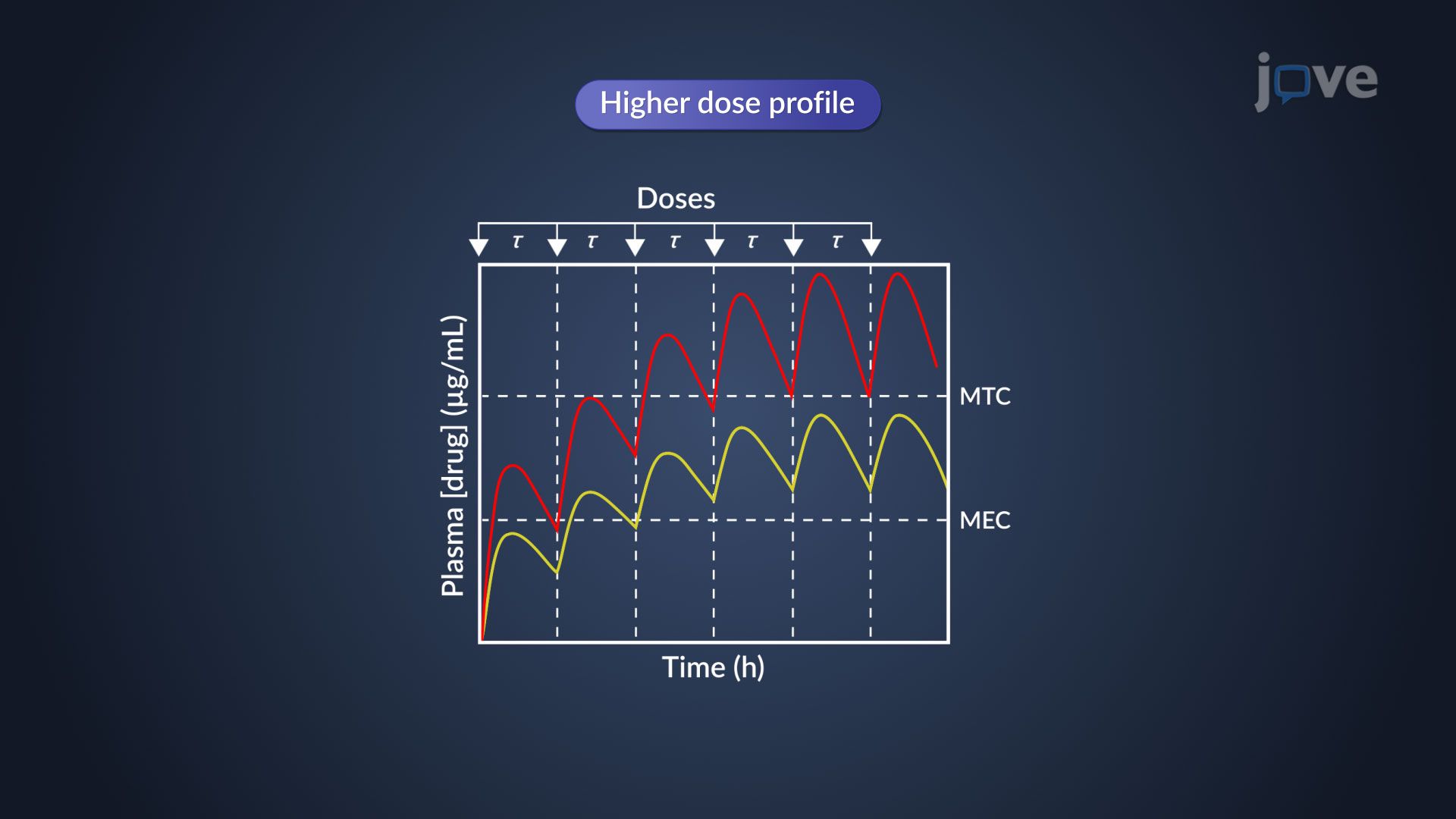
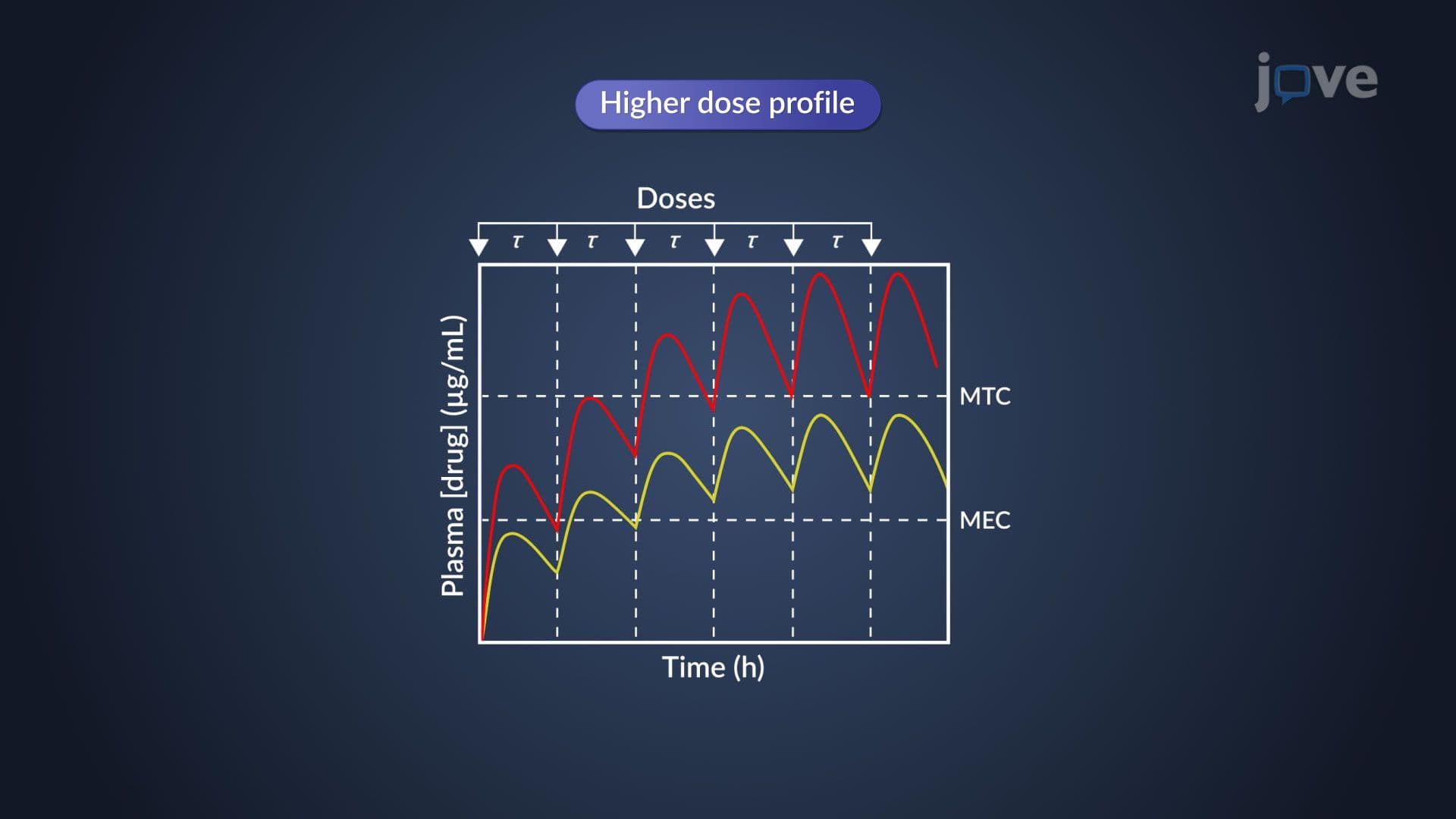
Dose size and dosing frequency represent two critical pharmacokinetic variables that determine drug safety and efficacy. Dose size refers to the quantity of medication administered at each dosing interval, while dosing frequency describes how often doses are given. These parameters work together to maintain plasma drug concentrations within the therapeutic window-the range between minimum effective concentration (MEC) and minimum toxic concentration (MTC).
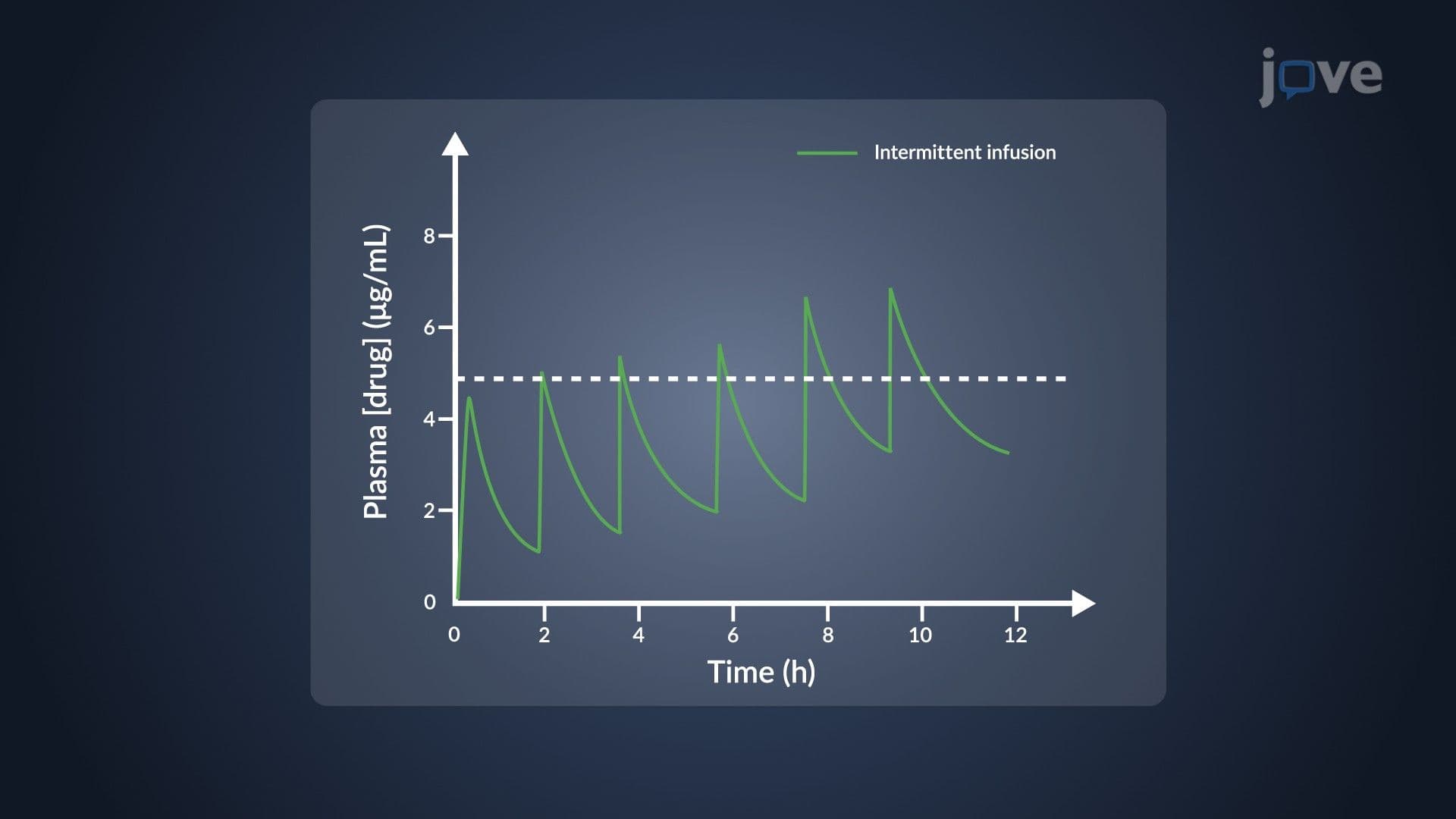
The relationship between dose size and plasma fluctuations follows predictable patterns. Smaller doses create gentler oscillations around steady-state levels, reducing the risk of both subtherapeutic and toxic concentrations. Conversely, larger doses produce dramatic peaks that may exceed toxic thresholds, followed by valleys that could drop below therapeutic levels.
Consider warfarin, a blood thinner with a narrow therapeutic index. Patients typically receive small daily doses (2-10 mg) rather than large weekly doses because even slight overdosing can cause dangerous bleeding, while underdosing fails to prevent blood clots. This contrasts with penicillin, which has a wide therapeutic margin allowing larger, less frequent doses without significant toxicity risk.
Healthcare providers consider multiple factors when optimizing dose size and dosing frequency. Drugs eliminated rapidly from the body, like many antibiotics, require frequent dosing to maintain effective levels. Extended-release formulations solve this challenge by providing sustained drug release, allowing once-daily dosing for medications that would otherwise require multiple daily doses.
Patient compliance also influences dosing decisions. The HIV medication efavirenz demonstrates this principle-its long half-life enables once-daily dosing, dramatically improving adherence compared to older HIV drugs requiring multiple daily doses.
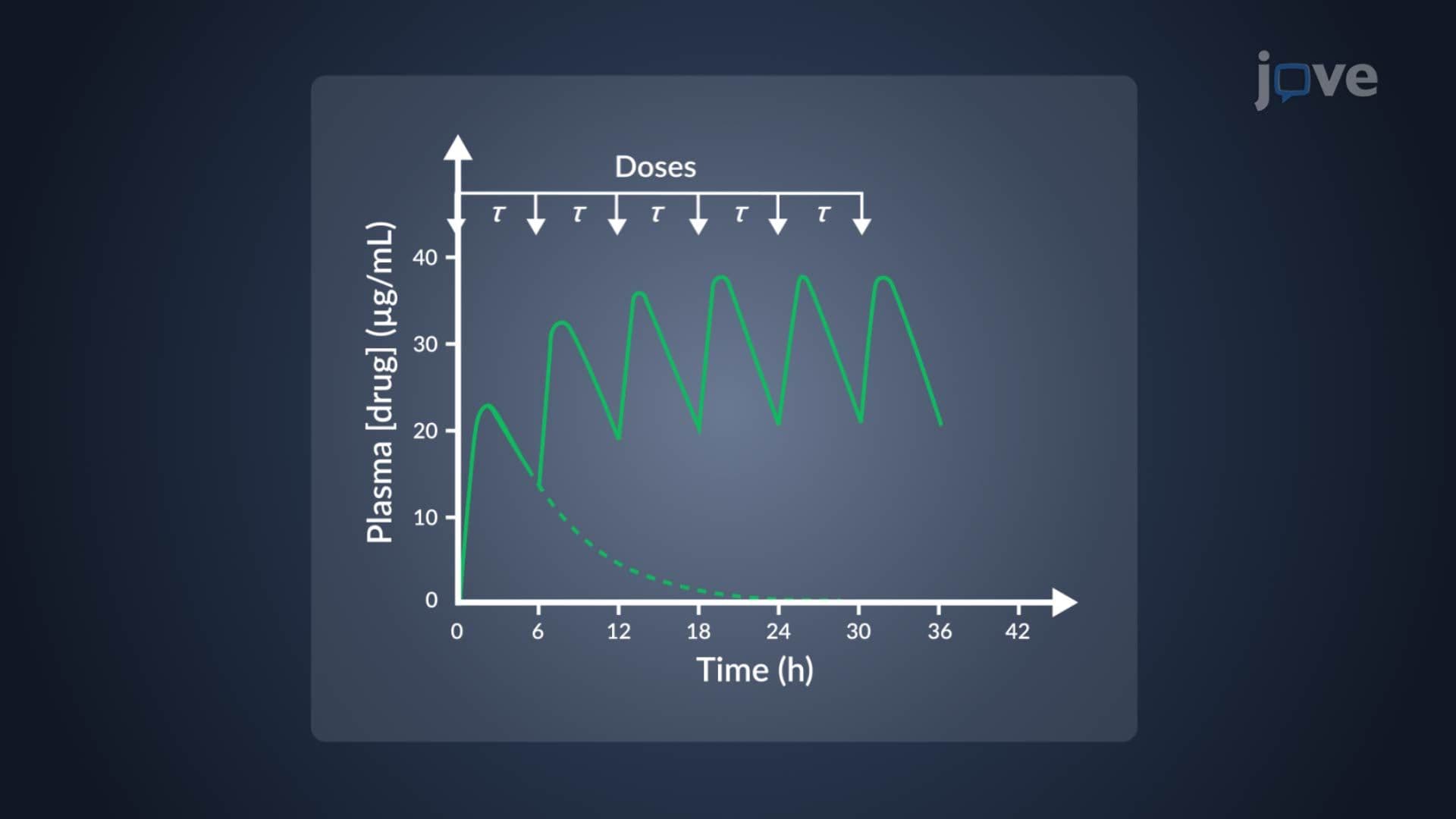
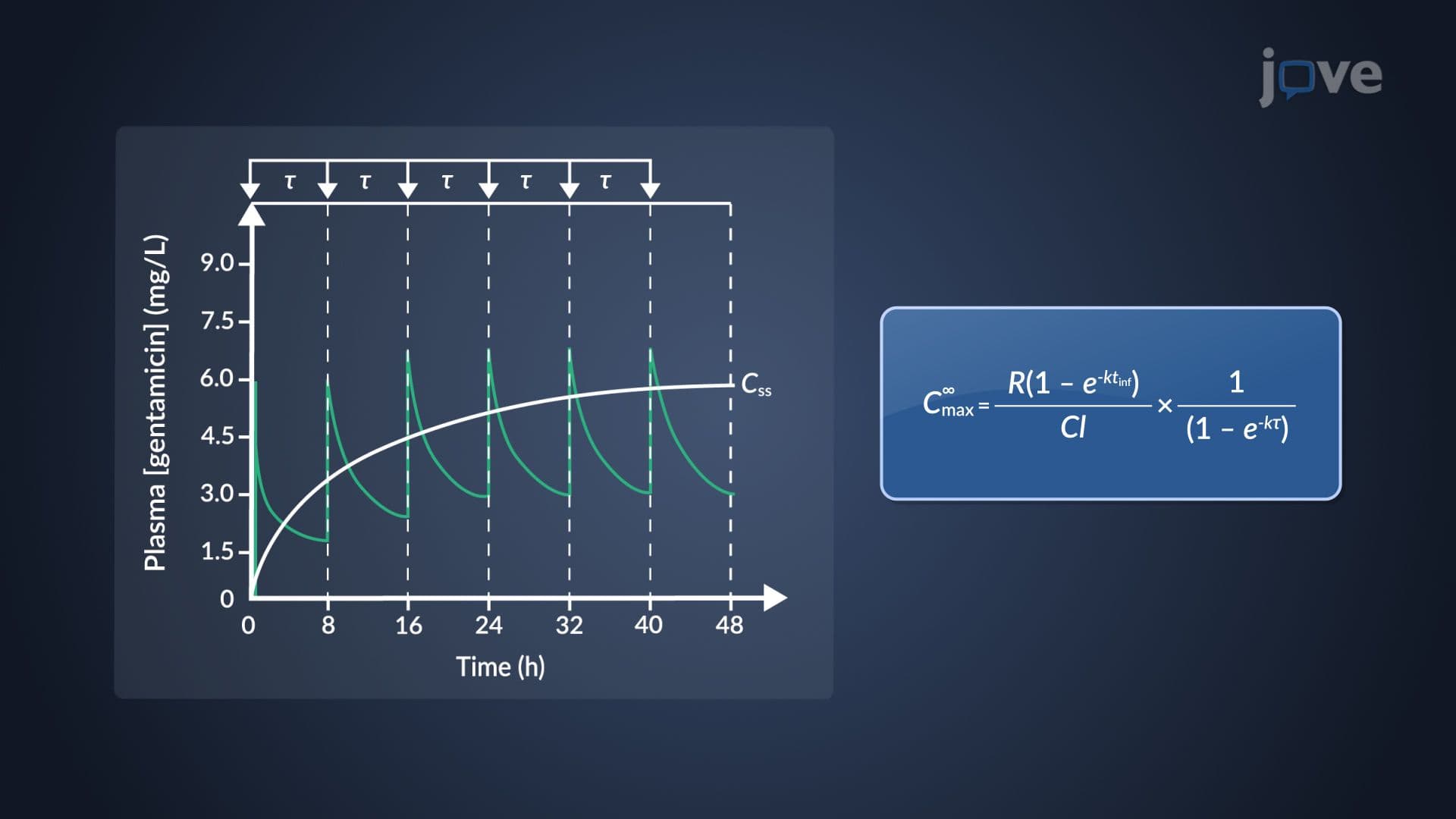
Students preparing for the MCAT, USMLE, or college pharmacology exams frequently encounter dose size and frequency calculations. These problems typically involve determining steady-state concentrations, calculating dosing intervals based on half-life, or predicting plasma concentration curves. Understanding that steady-state occurs after approximately five half-lives helps solve complex pharmacokinetic scenarios.
For AP Biology students, these concepts connect to enzyme kinetics and homeostasis principles, illustrating how biological systems maintain equilibrium through regulated input and elimination processes.
Related Micro-courses