Loading video…

 18 Concepts
 1.3K views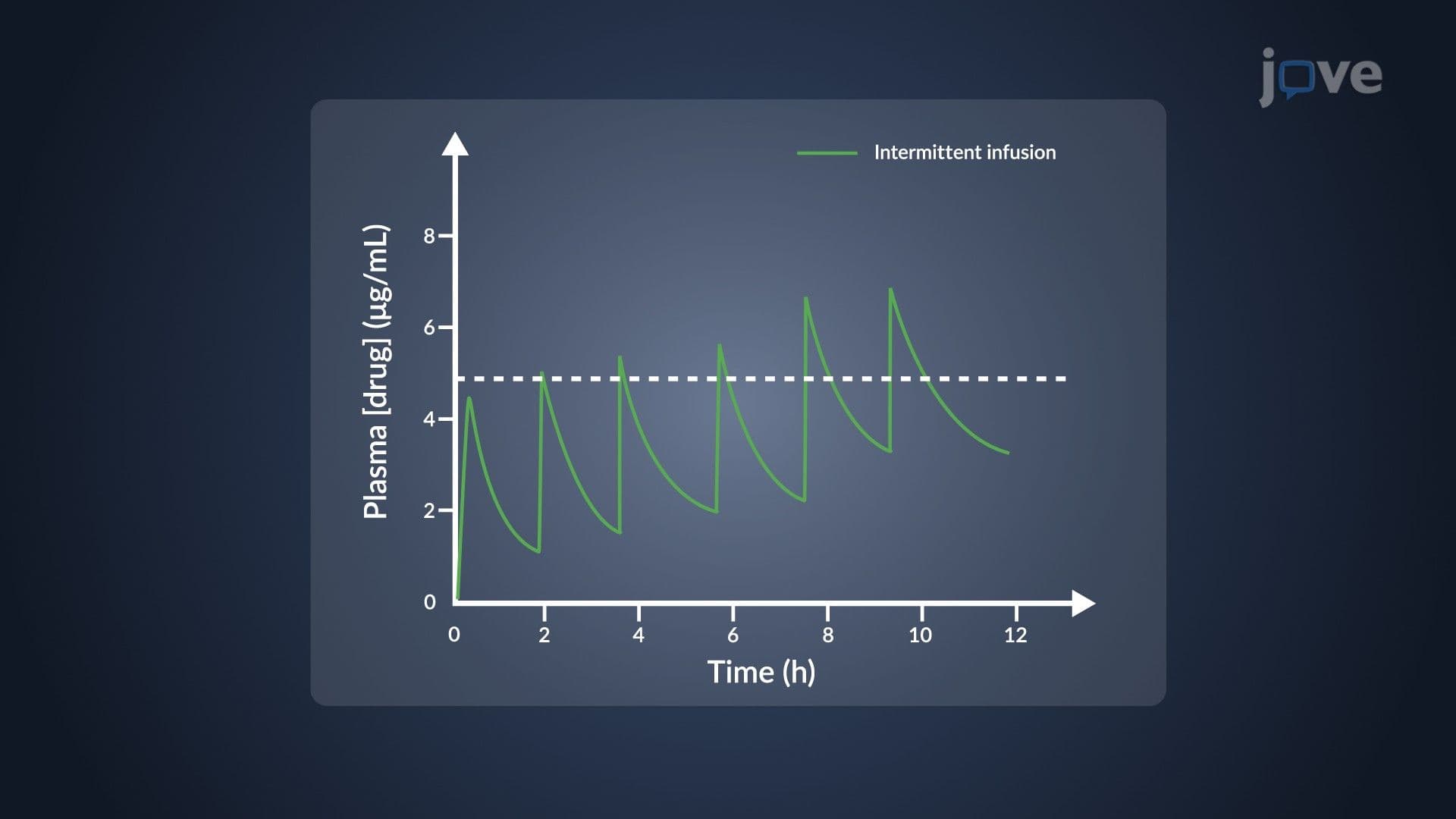

Video Summary: Drug Accumulation Patterns During Intermittent Iv Infusions
Did you know that drug accumulation during multiple dosing can mean the difference between therapeutic success and dangerous toxicity? Drug accumulation patterns during intermittent IV infusions create a controlled peak-and-trough pattern that optimizes treatment while minimizing side effects. For example, gentamicin requires carefully timed high peaks for bacterial killing and low troughs to protect kidney function in US hospitals. Watch the full video on JoVE Coach to master this concept with expert-led visuals and step-by-step explanations.
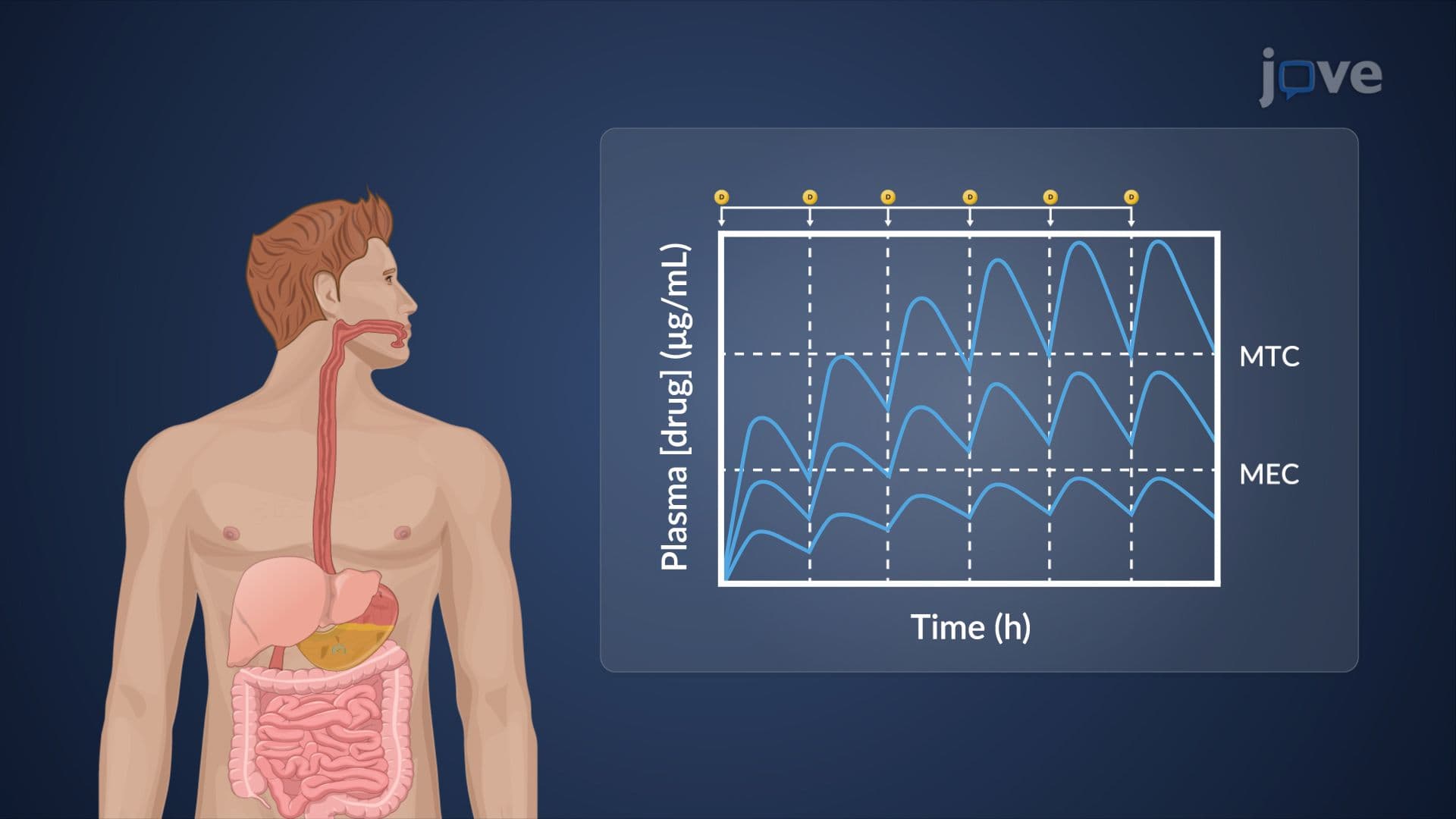
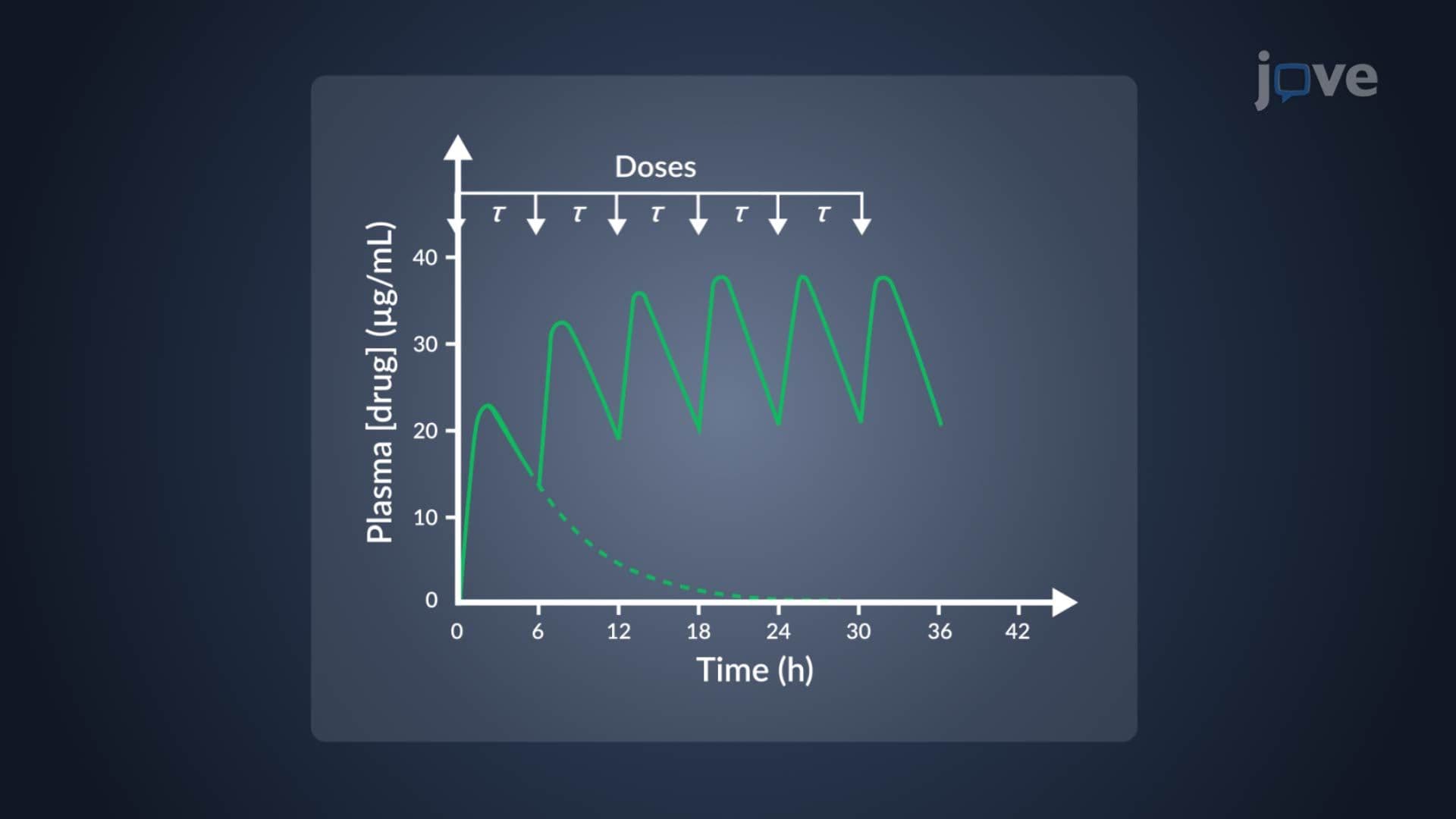
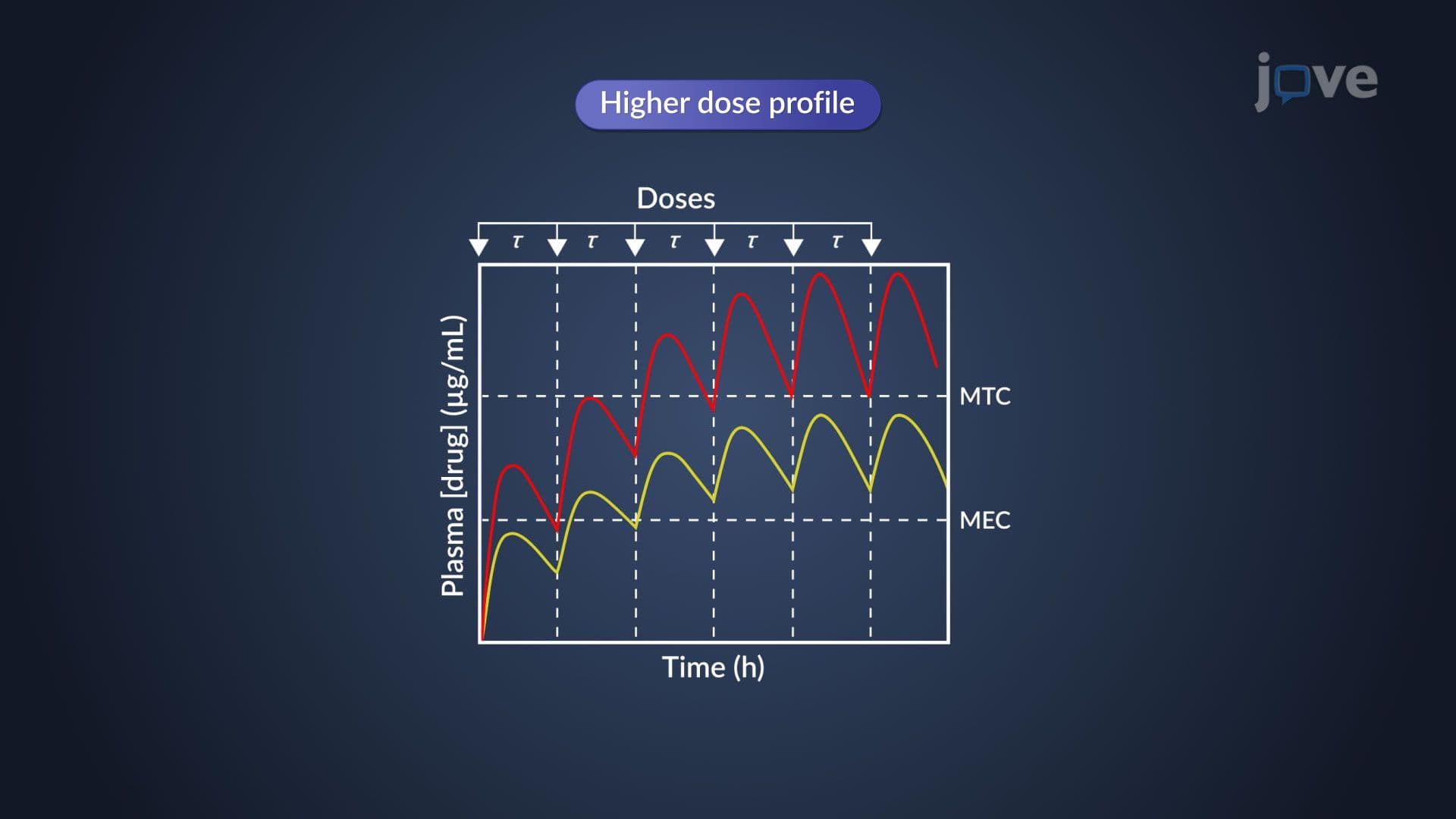
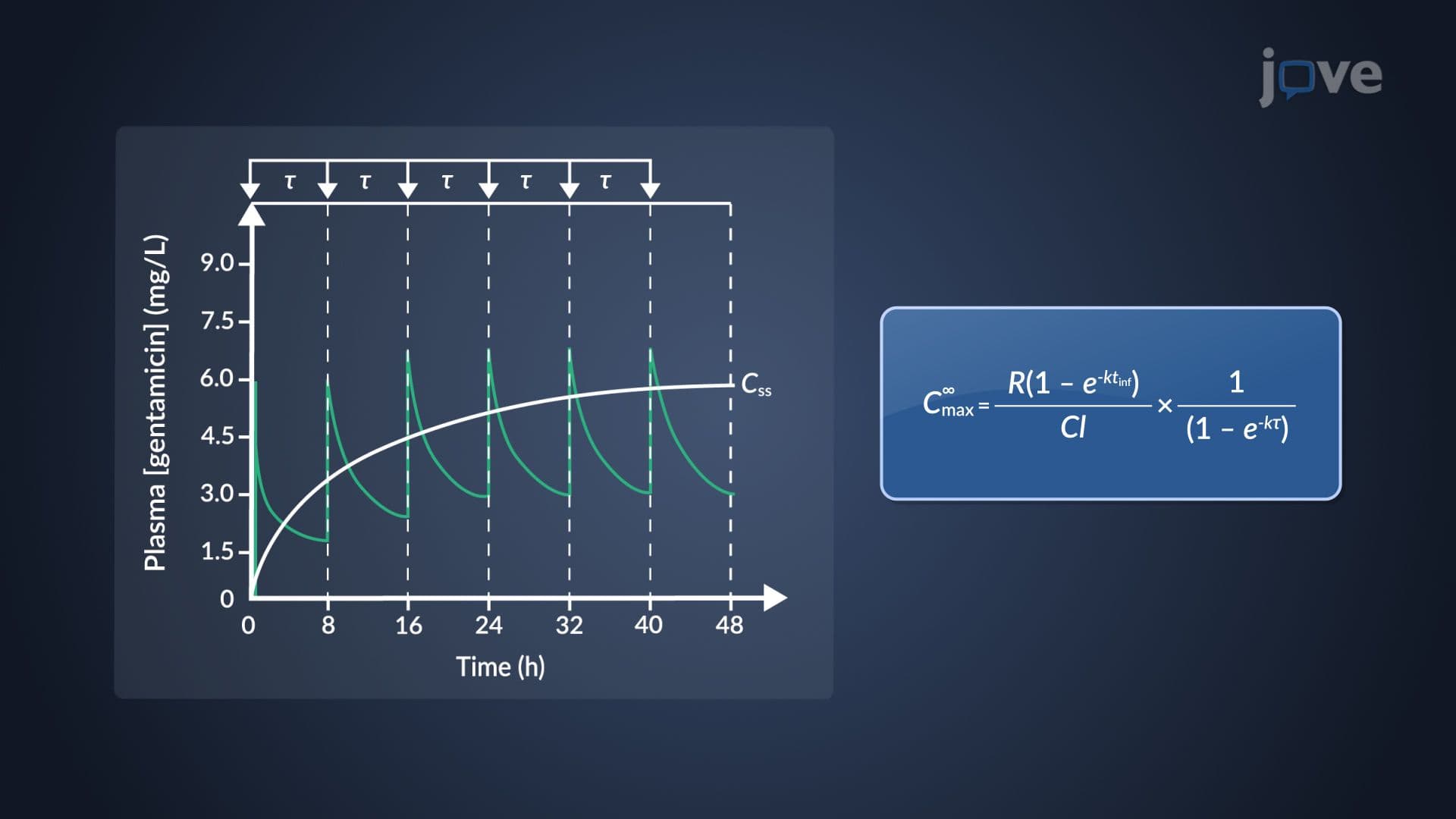
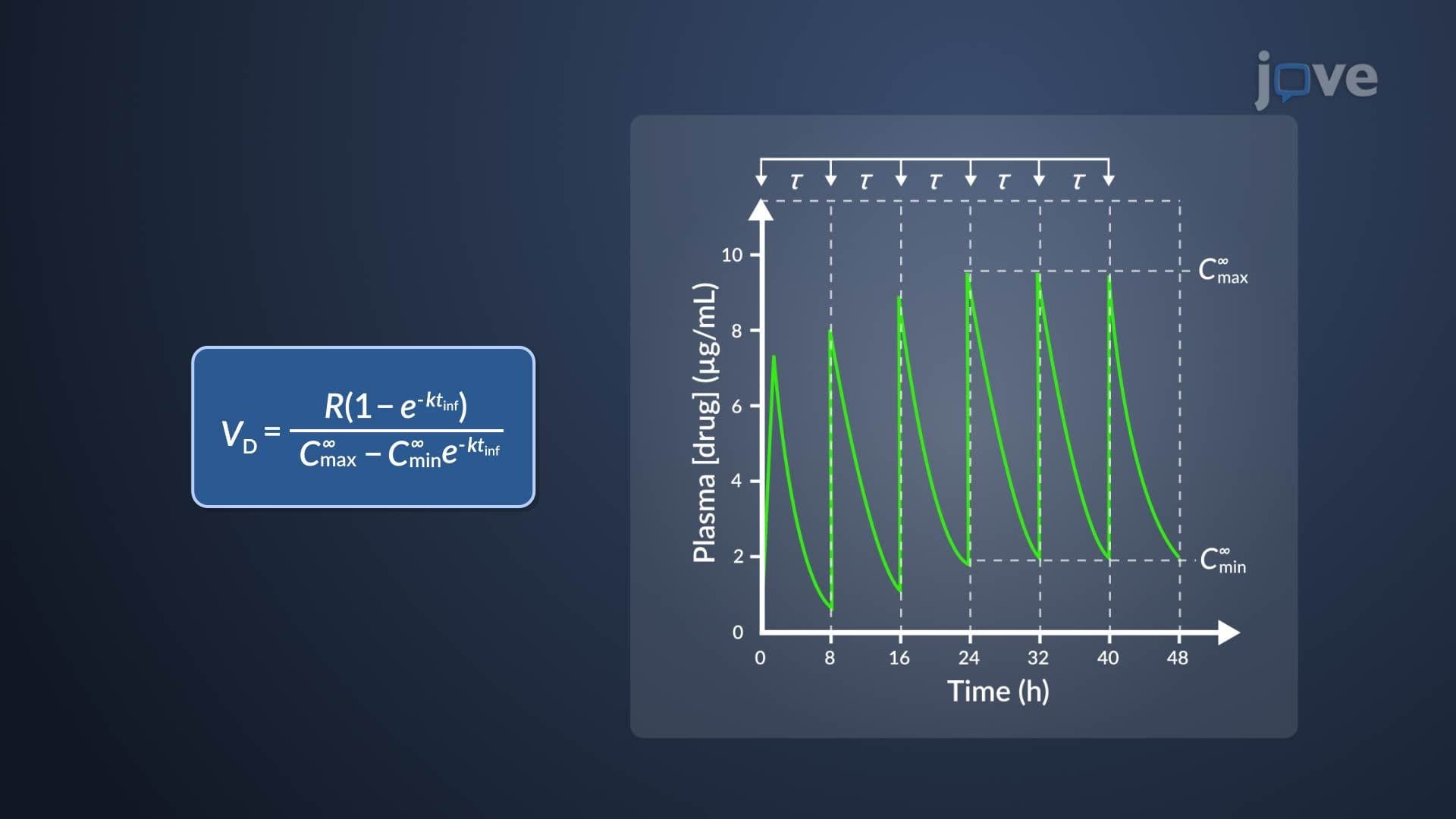
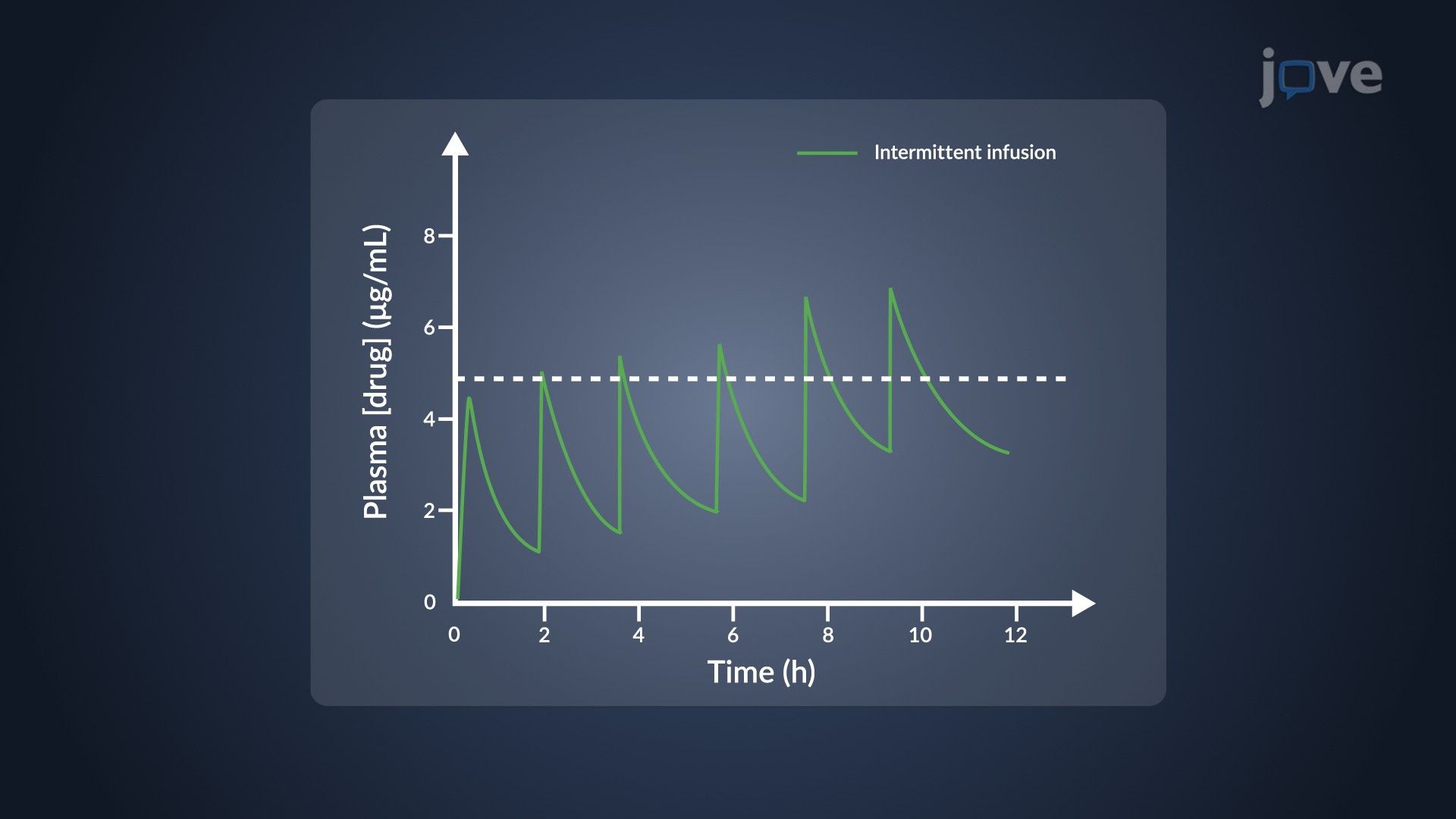
Drug accumulation during multiple dosing through intermittent IV infusions represents a sophisticated approach to medication delivery that balances therapeutic effectiveness with patient safety. Unlike the steady plateau achieved with continuous infusions, intermittent dosing creates a rhythmic pattern of drug levels that rise during infusion and fall during elimination periods.
The fundamental principle underlying drug accumulation during definition involves the interplay between drug input and elimination. During each infusion cycle, medications enter the bloodstream at a controlled rate (R), building to peak concentrations. Once the infusion stops, first-order elimination kinetics take over, causing drug levels to decline exponentially. This creates the characteristic saw-tooth pattern essential for many therapeutic protocols.
The mathematical foundation involves modified continuous infusion equations. During infusion, concentration builds according to the relationship between infusion rate, dose size (D), and infusion time (t inf). Post-infusion concentrations follow first-order elimination: C(t) = C stop × e^(-kt), where C stop represents the concentration when infusion ends, and k is the elimination rate constant.
Drug accumulation overview becomes particularly relevant in US hospital settings where aminoglycosides like gentamicin demonstrate this concept perfectly. The FDA-approved dosing protocols require peak levels of 5-10 mg/L for efficacy against gram-negative bacteria, while trough levels must remain below 2 mg/L to prevent nephrotoxicity and ototoxicity. This narrow therapeutic window exemplifies why understanding accumulation patterns is crucial for healthcare professionals.
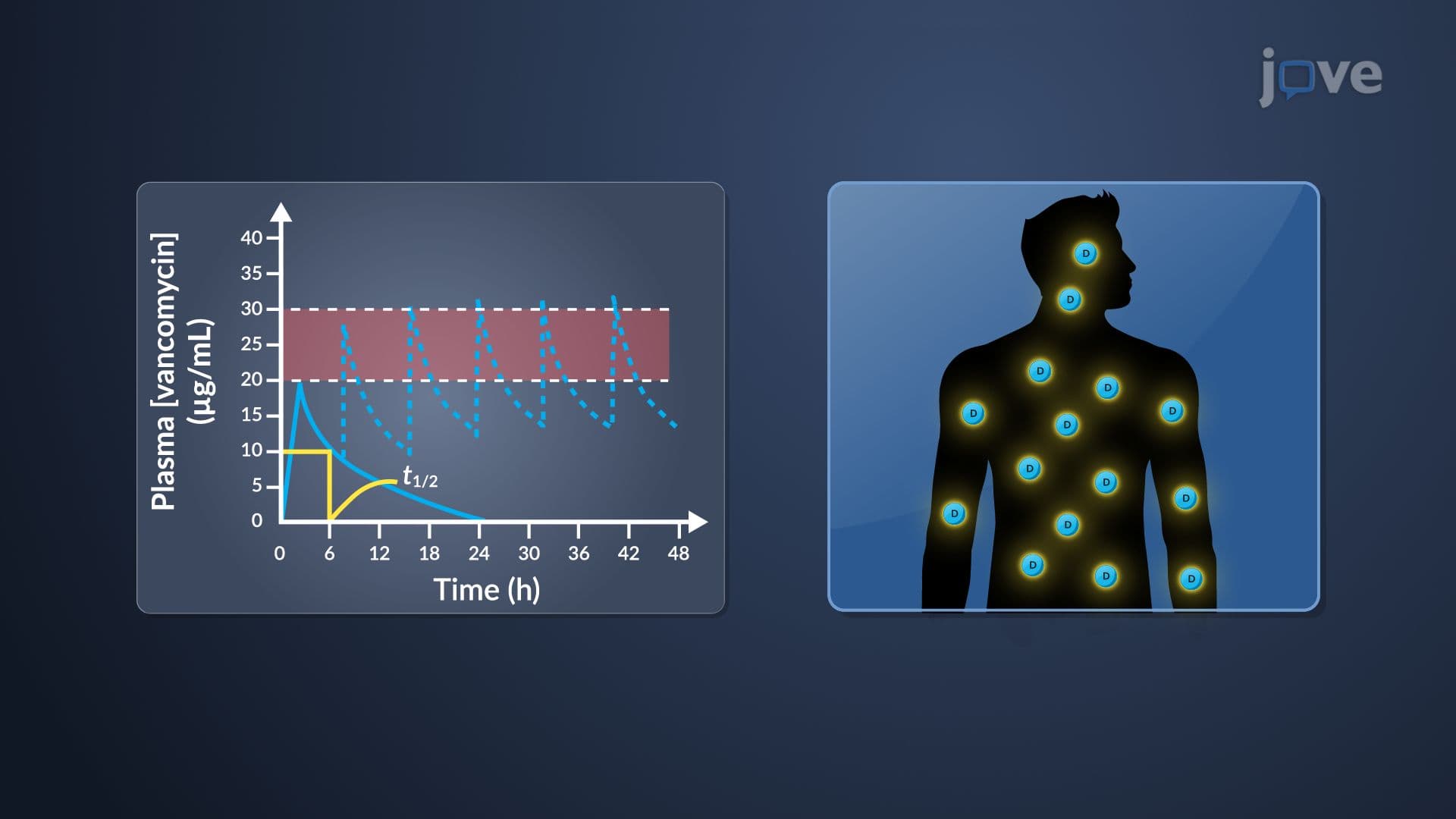
Similarly, vancomycin therapy in US medical centers relies on intermittent dosing to maintain therapeutic levels while minimizing kidney damage. The drug accumulation during multiple dosing: intermittent iv infusions study guide principles apply directly to these real-world scenarios where patient outcomes depend on precise concentration control.
Students preparing for the MCAT, USMLE, or nursing examinations like NCLEX frequently encounter questions about drug accumulation kinetics. AP Biology and college-level pharmacology courses emphasize these concepts as foundational knowledge for understanding therapeutic drug monitoring. The ability to predict steady-state achievement and calculate concentration changes represents essential competencies for future healthcare professionals.
Understanding these patterns also proves valuable in advanced placement chemistry courses, where students learn to apply kinetic principles to biological systems. The mathematical relationships governing drug accumulation during notes often appear in quantitative sections of standardized tests, making mastery of these concepts essential for academic success.
Related Micro-courses