Loading video…

 18 Concepts
 1.3K views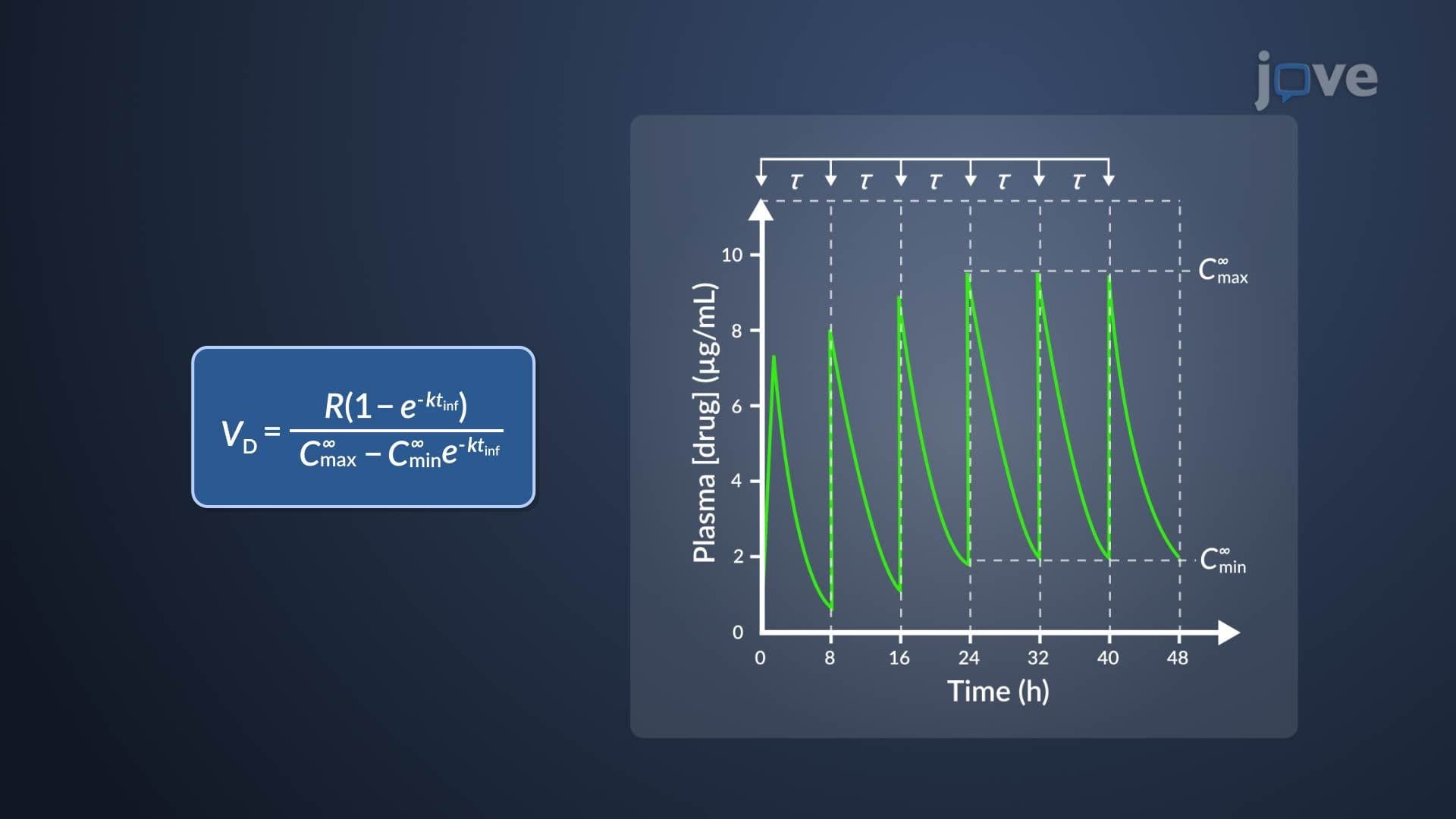

Video Summary: Estimation of K and Vd Explained
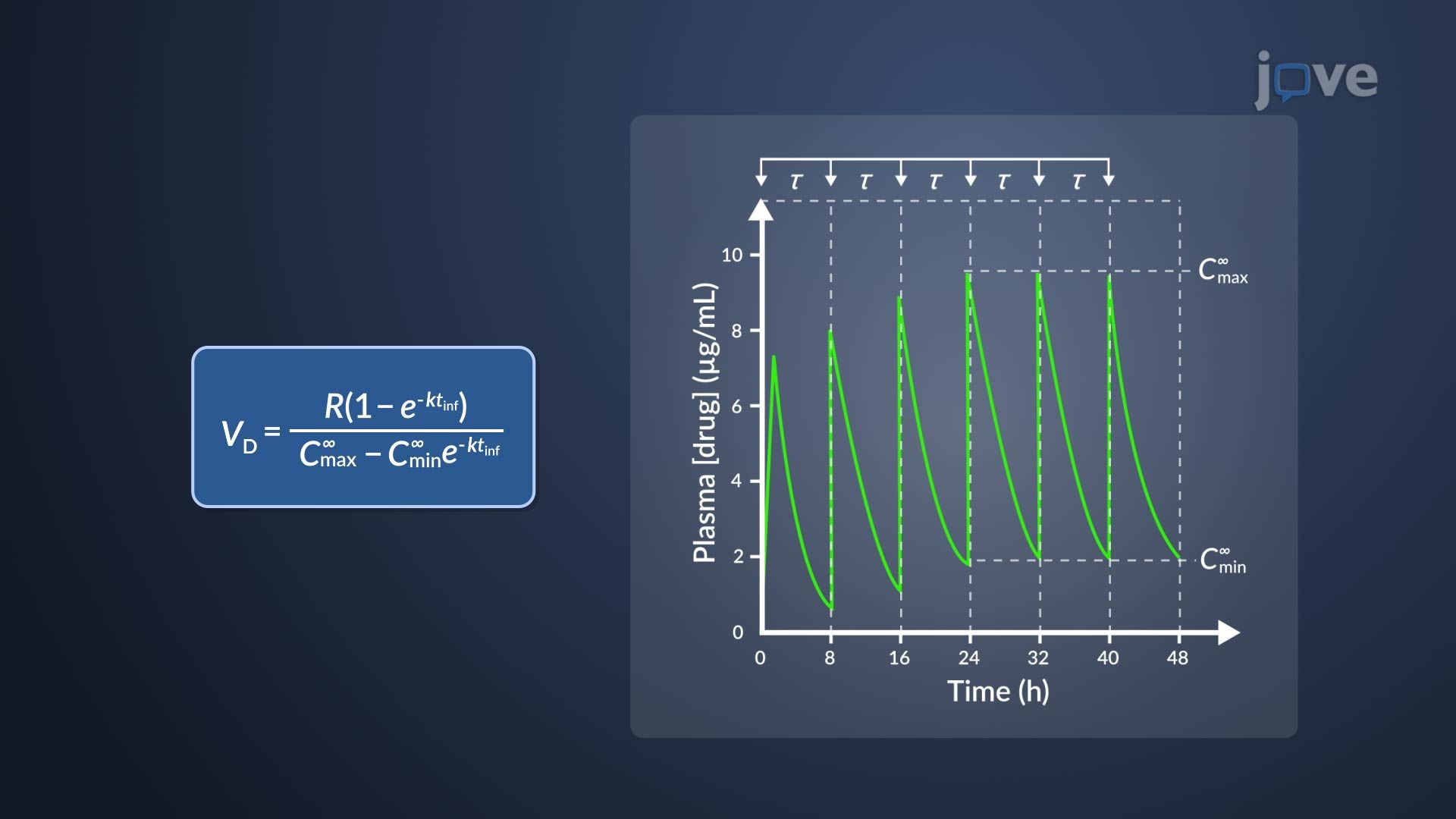
Did you know that calculating the wrong dose of gentamicin could mean the difference between curing a life-threatening infection and causing kidney damage? The estimation of k and vd involves determining two critical pharmacokinetic parameters: the elimination rate constant (k) and volume of distribution (Vd) that guide precise antibiotic dosing. For patients at Johns Hopkins Hospital receiving intravenous aminoglycosides, these calculations ensure therapeutic drug levels while minimizing toxicity. Watch the full video on JoVE Coach to master this concept with expert-led visuals and step-by-step explanations.
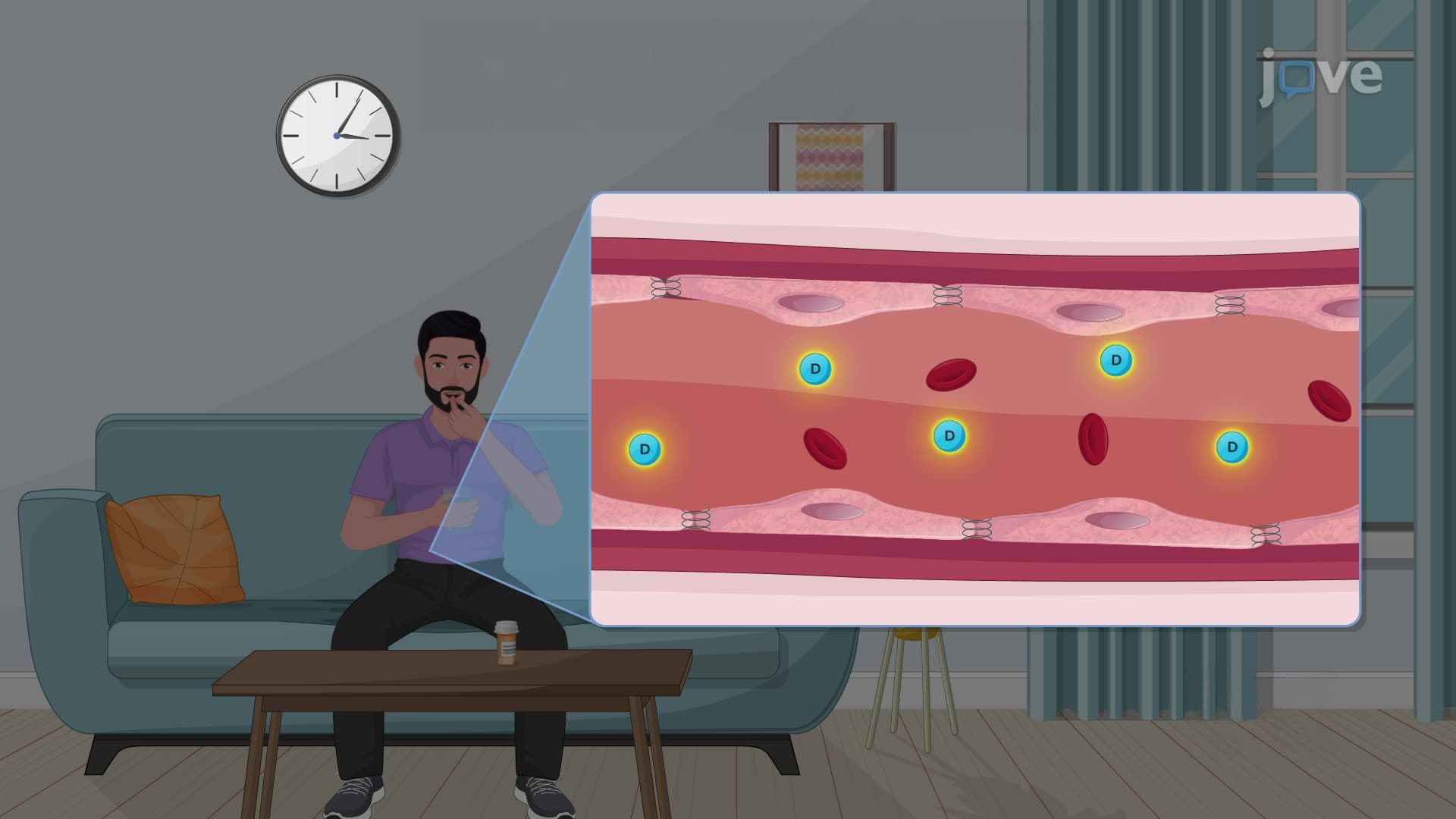
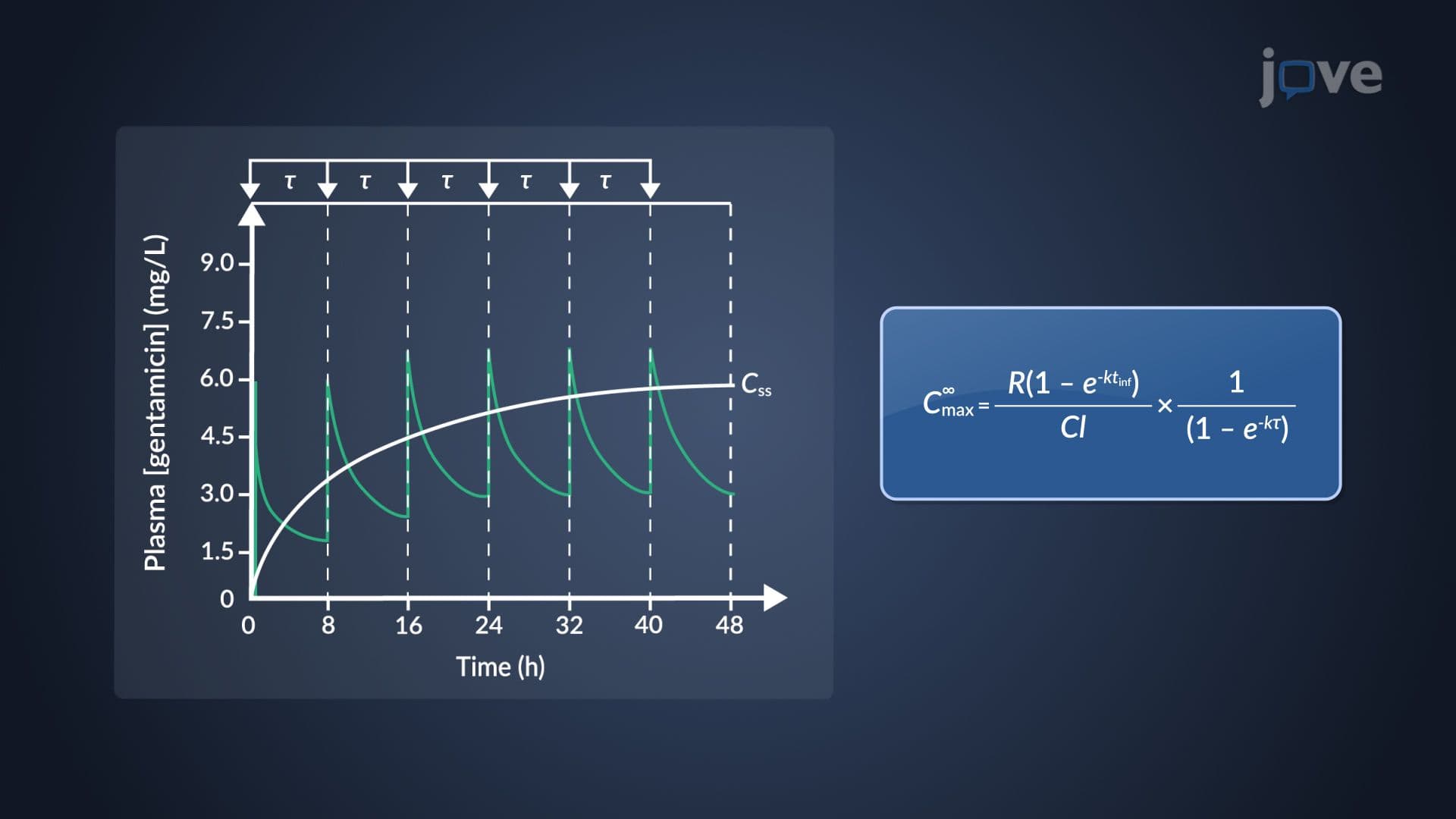
The estimation of k and vd represents a cornerstone of clinical pharmacokinetics, particularly crucial for narrow therapeutic index drugs like aminoglycosides. The elimination rate constant (k) quantifies how quickly a drug is removed from the body, typically measured in units of inverse time (hr⁻¹). Meanwhile, the volume of distribution (Vd) describes the theoretical volume into which a drug distributes, helping predict plasma concentrations after dosing.
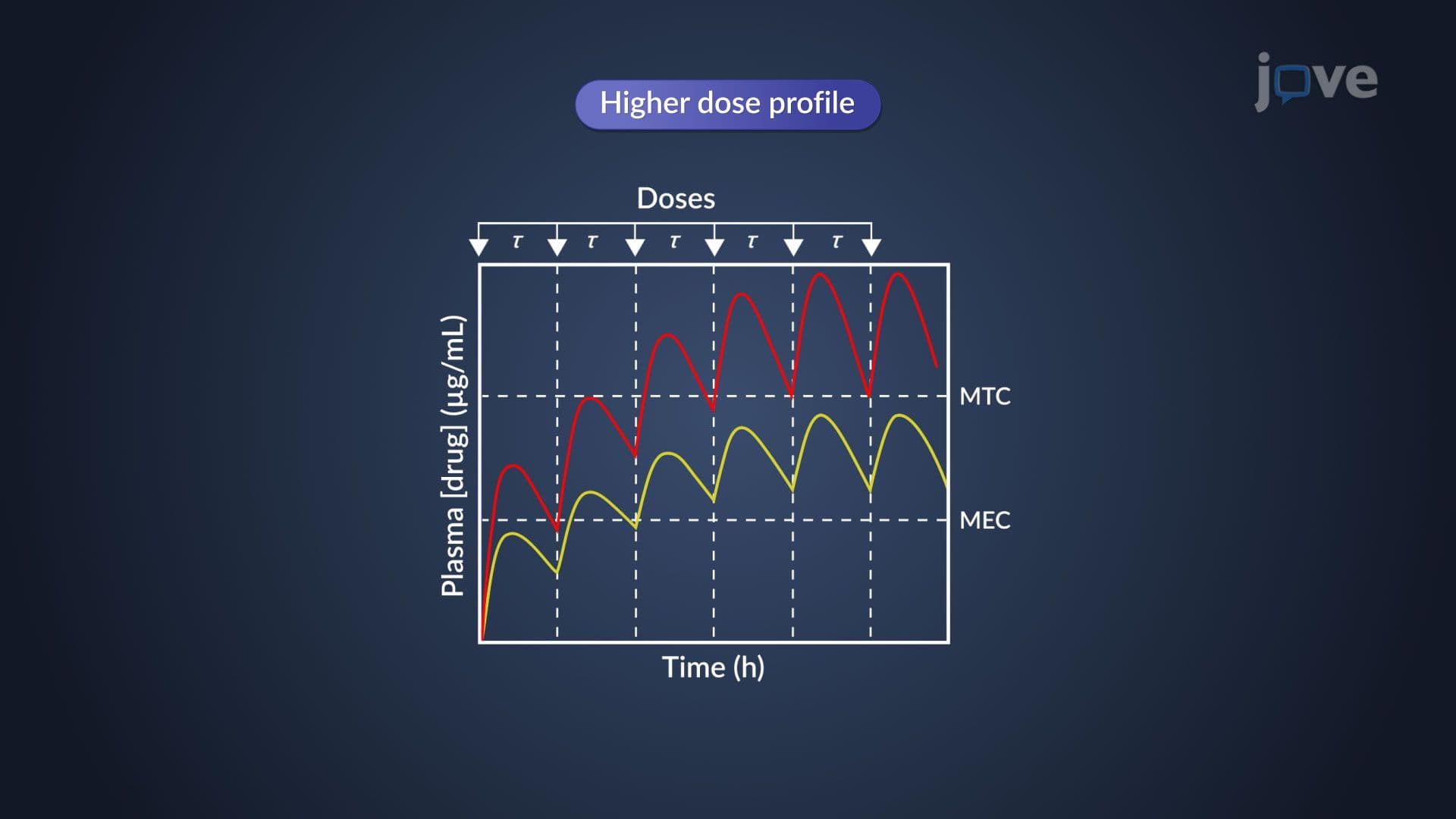
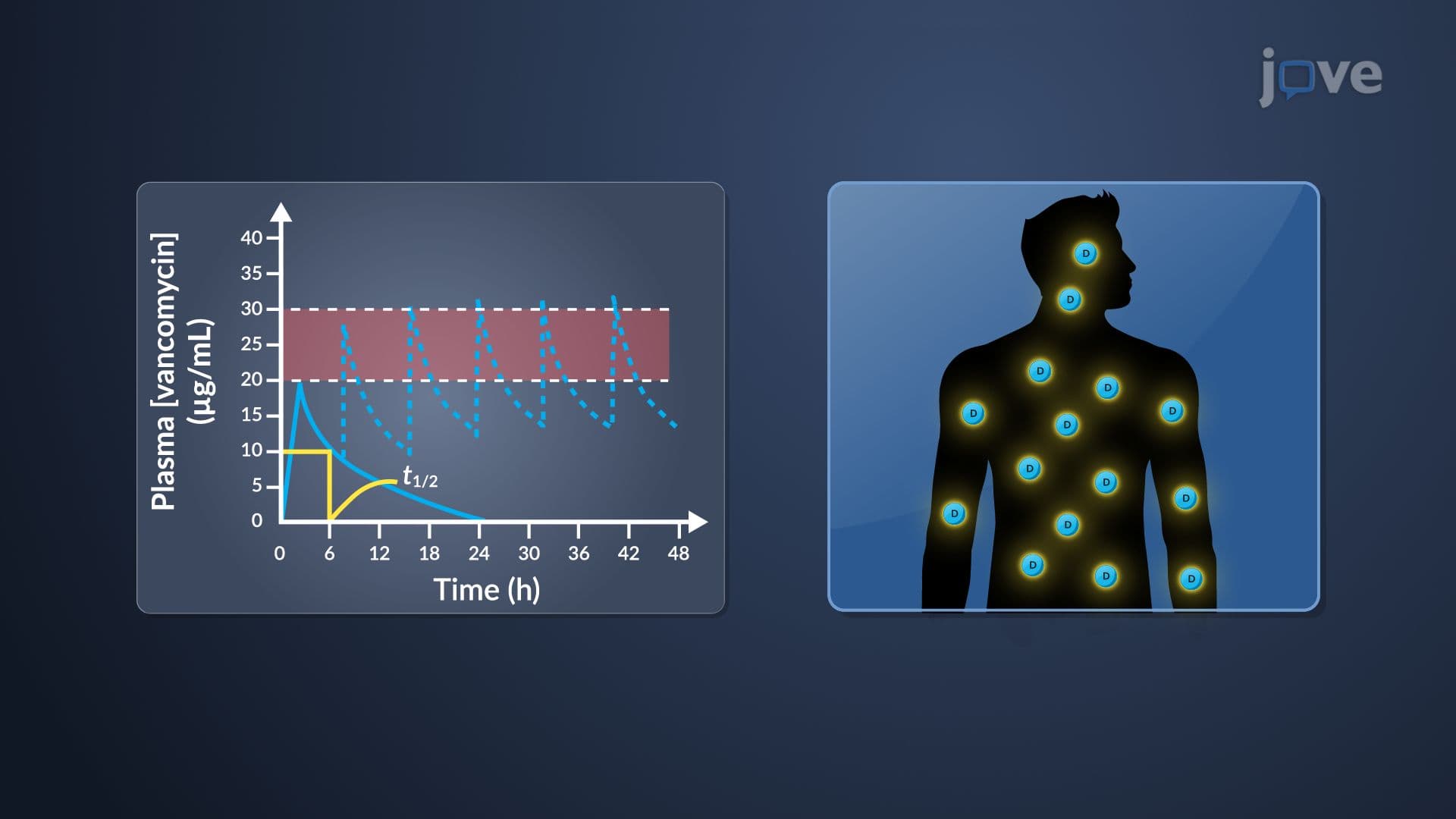
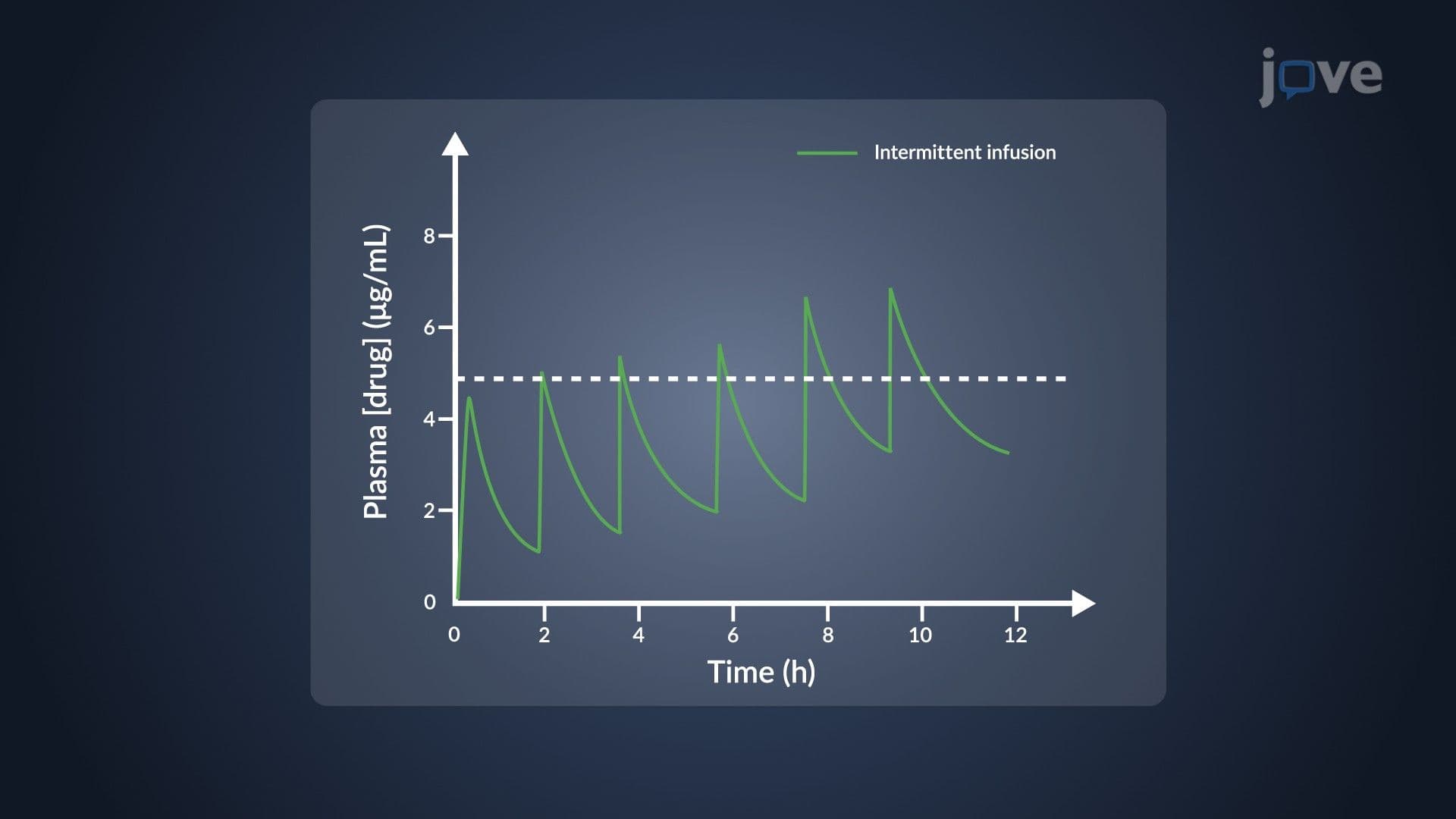
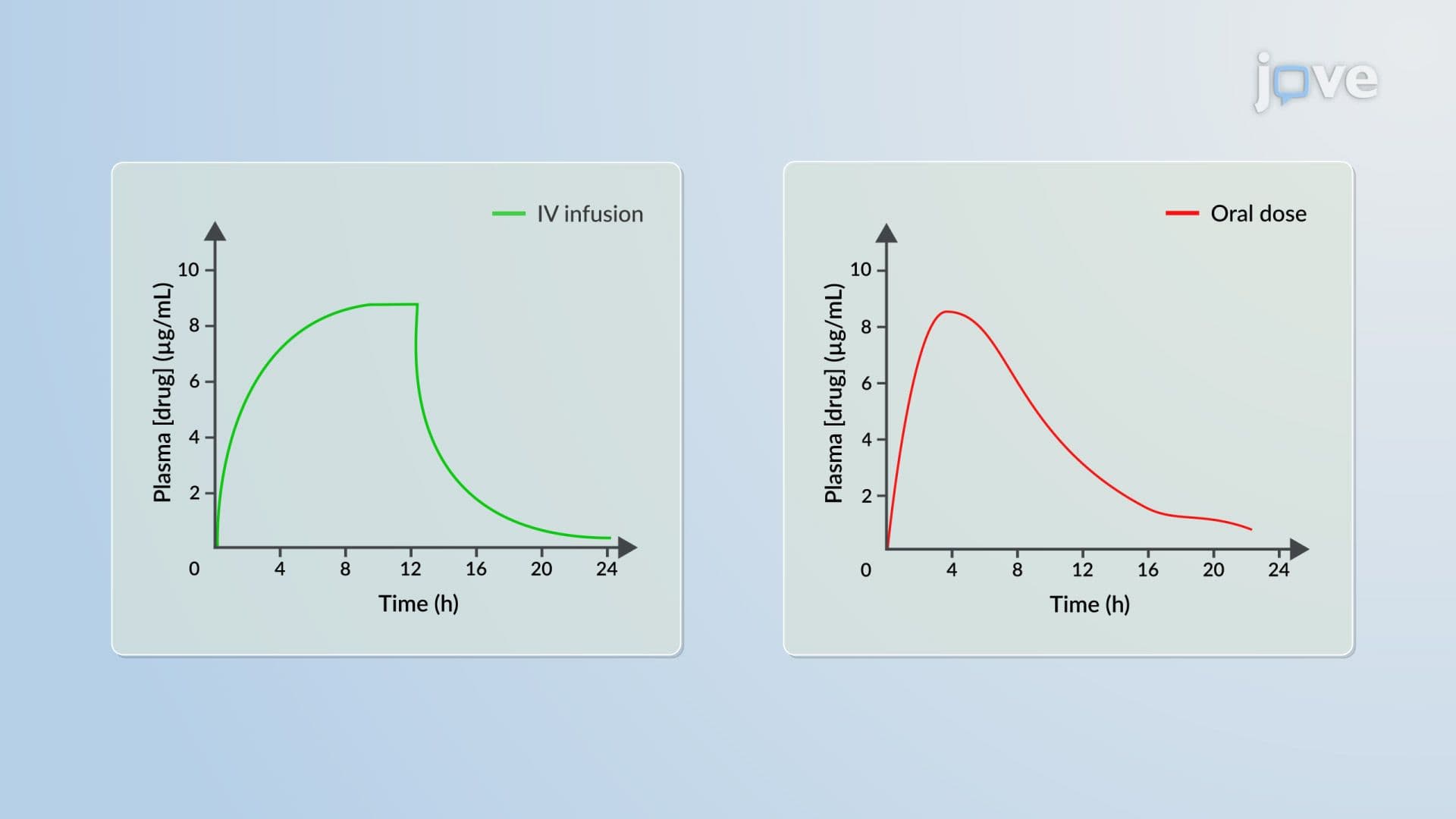
Aminoglycosides like gentamicin, tobramycin, and amikacin require precise dosing calculations because their therapeutic window is narrow-too little fails to treat infection, while excess causes ototoxicity and nephrotoxicity. At major US medical centers like Mayo Clinic and Cleveland Clinic, pharmacists routinely perform these calculations for ICU patients with severe gram-negative infections. The target peak gentamicin concentration of 6-10 μg/mL for life-threatening infections must be balanced against trough levels below 2 μg/mL to prevent toxicity.
Healthcare professionals use simplified one-compartment pharmacokinetic models to estimate k and Vd from minimal blood samples. This approach assumes rapid drug distribution, avoiding complex multi-compartment calculations. The elimination rate constant relates to half-life through the equation: k = 0.693/t½. For a typical patient, gentamicin's elimination follows first-order kinetics, where the rate of drug removal is proportional to plasma concentration.
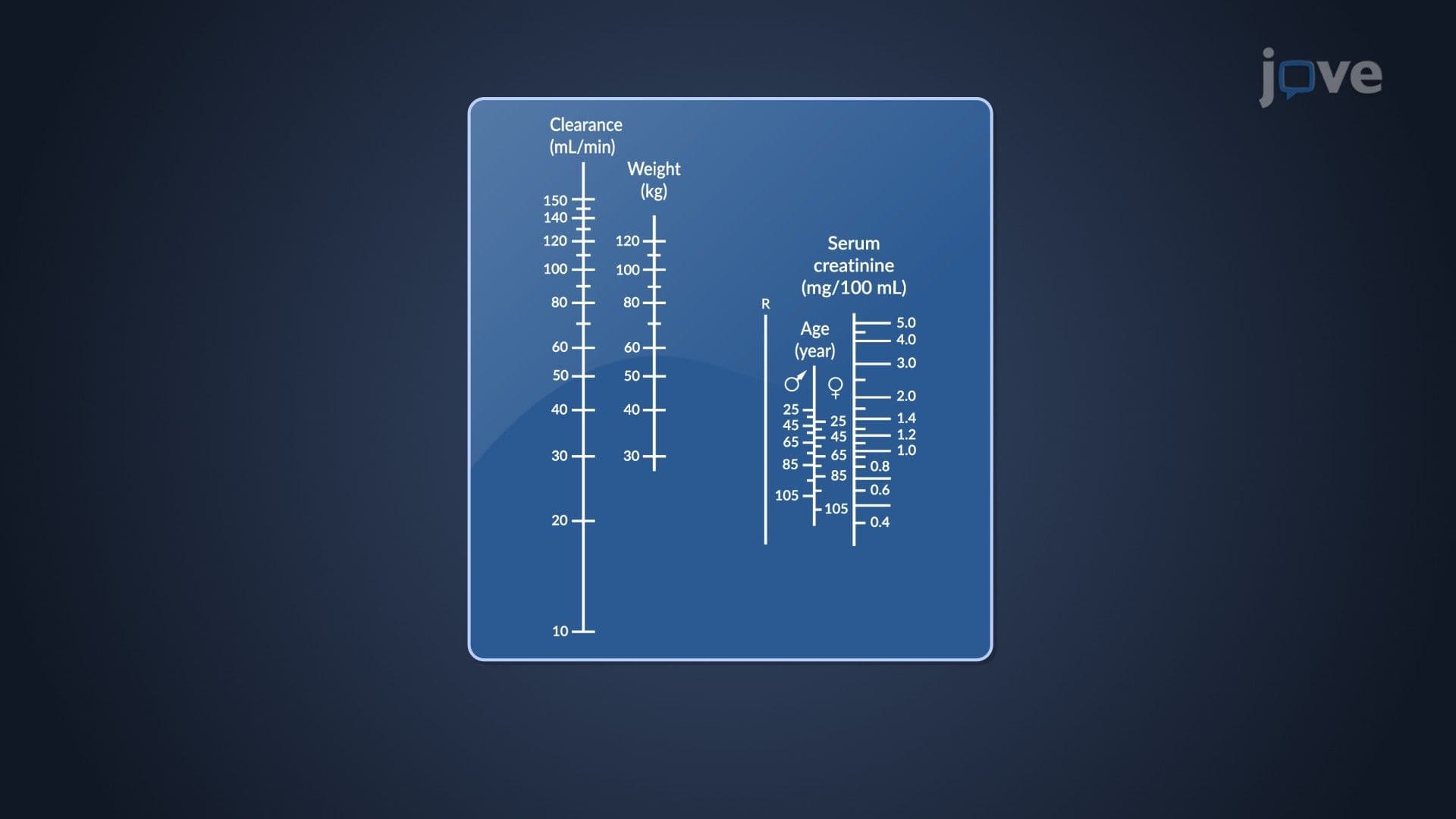
Pharmacy students preparing for NAPLEX examinations and medical students studying for USMLE Step 1 frequently encounter aminoglycoside dosing calculations. These concepts appear regularly on MCAT pharmacology sections, where test-takers must interpret concentration-time graphs and calculate dosing intervals. In clinical rotations at institutions like Johns Hopkins or Mass General, students learn to adjust doses based on patient-specific factors including age, weight, and creatinine clearance-all parameters that influence both k and Vd values.
Related Micro-courses