Loading subject page…


1,256 views


Video Summary: Multiple Dosing Parameters Loading and Maintenance Dose Determination
Did you know that when emergency room doctors at Johns Hopkins administer digitalis to heart failure patients, they must calculate two completely different doses to save lives? Multiple dosing parameters: loading strategies ensure medications reach therapeutic levels immediately, while maintenance doses keep them there. Understanding Multiple Dosing Parameters: Loading and Maintenance Dose Determination is crucial for anyone pursuing healthcare careers, from pharmacy to nursing. Watch the full video on JoVE Coach to master this concept with expert-led visuals and step-by-step explanations.
In clinical pharmacology, achieving optimal drug therapy requires mastering two fundamental dosing strategies. Loading doses serve as the initial "sprint" to rapidly reach therapeutic drug levels, while maintenance doses function as the steady "marathon pace" to sustain those levels. This concept becomes particularly critical when treating conditions like atrial fibrillation with digoxin or bacterial infections with antibiotics, where delayed therapeutic effect could prove life-threatening.
Loading doses overcome the natural delay inherent in drug absorption and distribution. For drugs following one-compartment pharmacokinetics-where the medication distributes rapidly and uniformly throughout body tissues-the loading dose calculation follows a straightforward relationship: Loading Dose = (Desired Concentration × Volume of Distribution) / (Salt Form × Bioavailability). This formula assumes immediate distribution, making it ideal for drugs like lidocaine or propranolol when administered intravenously.
The simplified clinical formula represents this as: LD = (Cp × Vd) / (S × F), where Cp represents the target plasma concentration, Vd is the volume of distribution, S accounts for the salt form correction, and F represents bioavailability. Students preparing for the MCAT or pharmacy school entrance exams frequently encounter these calculations in pharmacokinetics sections.
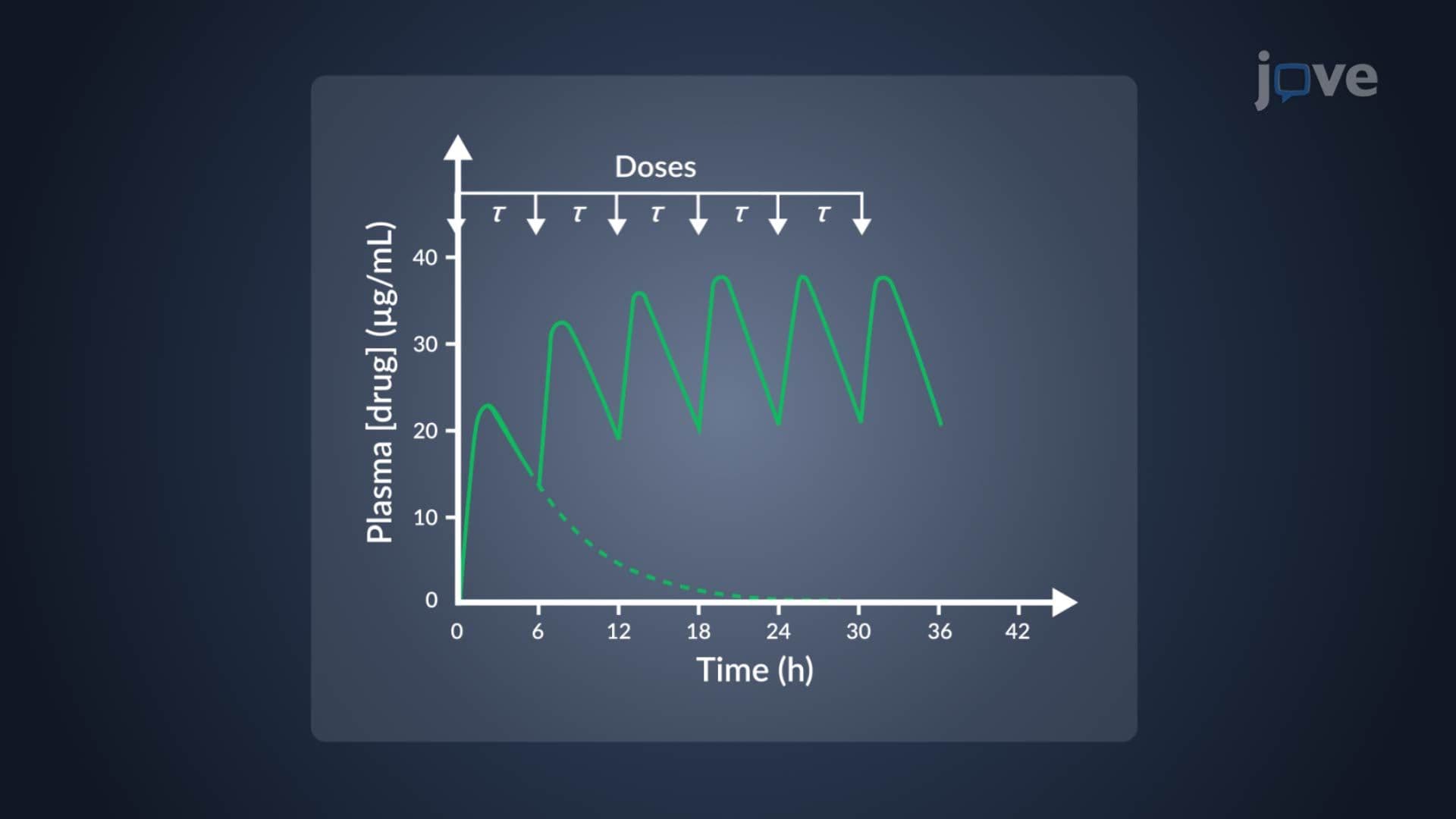
Maintenance doses prevent the inevitable decline in drug concentration due to metabolism and elimination. The dose ratio-the mathematical relationship between loading and maintenance doses-ensures therapeutic levels persist without dangerous accumulation. For most drugs, maintenance dosing follows first-order kinetics, where a constant percentage of the drug is eliminated per unit time.
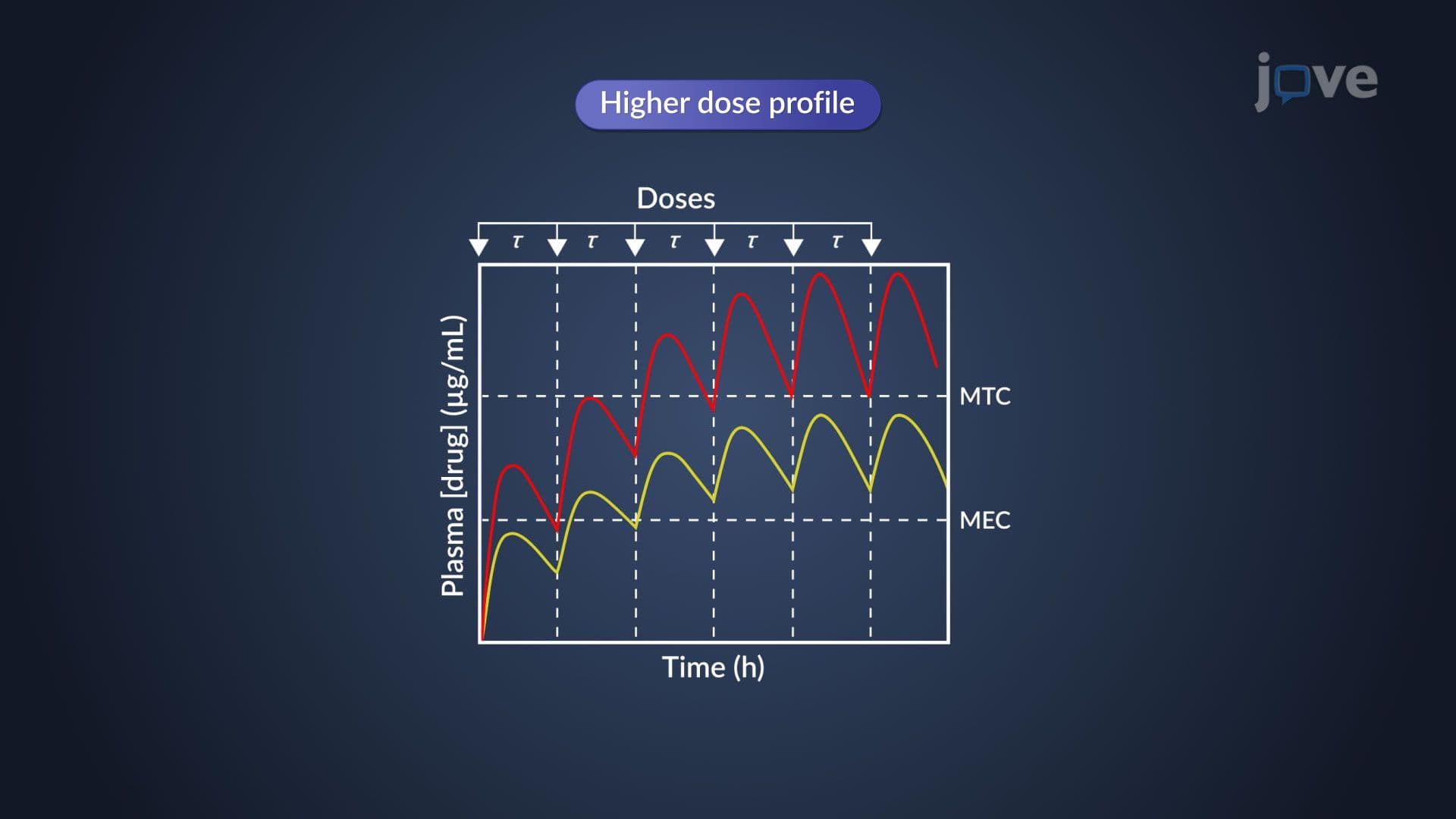
This principle explains why patients taking medications like warfarin or phenytoin require careful monitoring. The maintenance dose must precisely balance input and elimination rates to maintain concentrations within the narrow therapeutic window. College pharmacology courses emphasize this balance, as miscalculations can lead to either therapeutic failure or toxicity.
Real-world applications demonstrate these principles daily in US hospitals. Emergency physicians administering amiodarone for life-threatening arrhythmias must account for its complex three-compartment kinetics, making standard loading dose formulas inadequate. Similarly, anesthesiologists using propofol understand that its rapid redistribution from brain to muscle and fat tissues requires modified dosing strategies.
The limitations become apparent with drugs exhibiting multicompartment behavior, where initial distribution to highly perfused organs occurs rapidly, followed by slower redistribution to less perfused tissues. This complexity requires advanced pharmacokinetic modeling beyond basic loading dose calculations, highlighting why clinical pharmacologists undergo specialized training in therapeutic drug monitoring.
Related Micro-courses