Loading subject page…

1,256 views
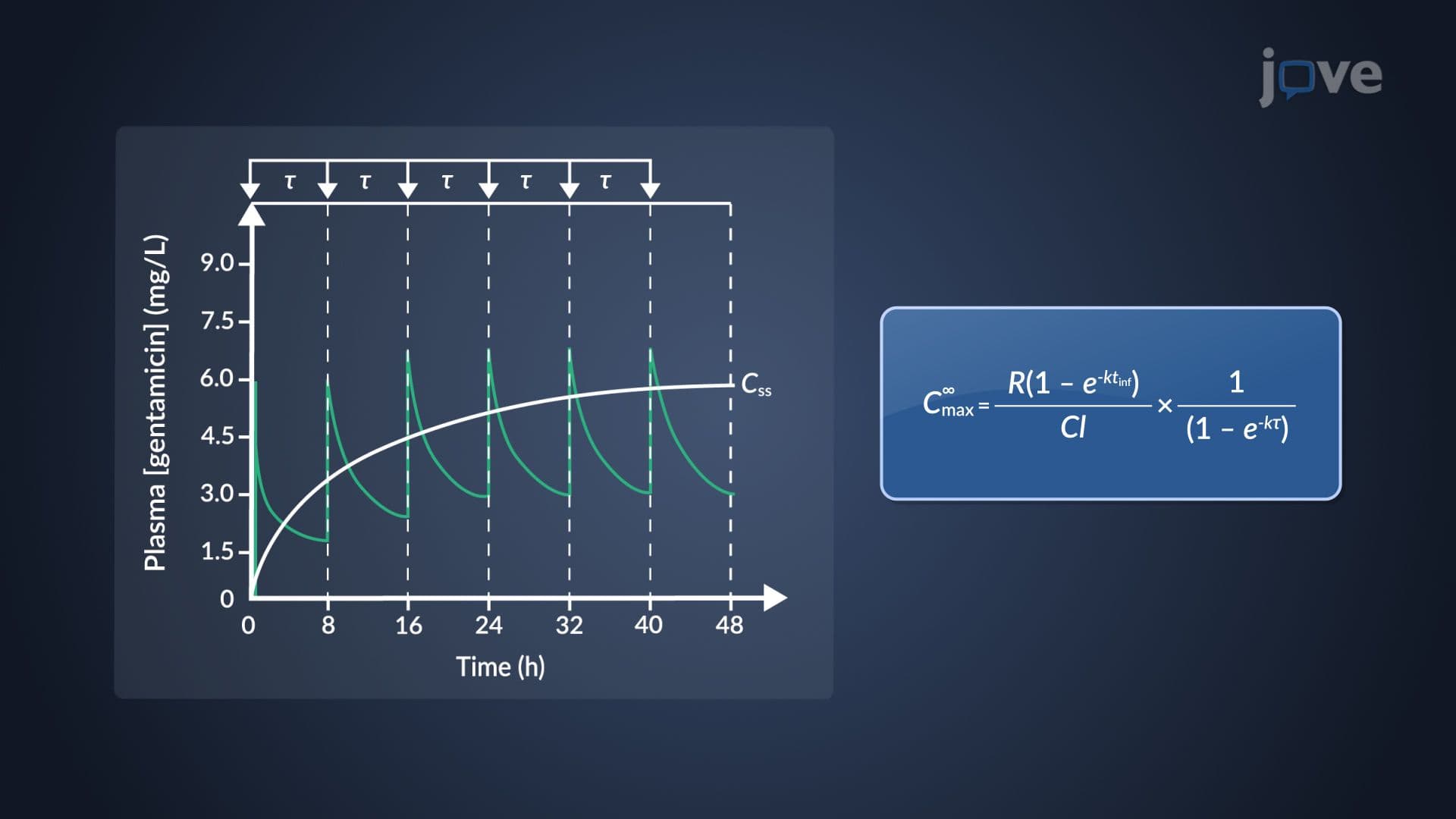

Video Summary: Multiple Dosing Parameters Steady State Minimum and Maximum Concentrations
Did you know that 40% of medication errors in US hospitals stem from improper dosing calculations? Understanding multiple dosing parameters: steady-state becomes critical when administering life-saving antibiotics like gentamicin, where too little won't fight infection and too much can damage kidneys. The concept of Multiple Dosing Parameters: Steady-State Minimum and Maximum Concentrations helps clinicians predict exactly when drug levels peak and when they drop to safe minimums during repeated IV infusions. Watch the full video on JoVE Coach to master this concept with expert-led visuals and step-by-step explanations.
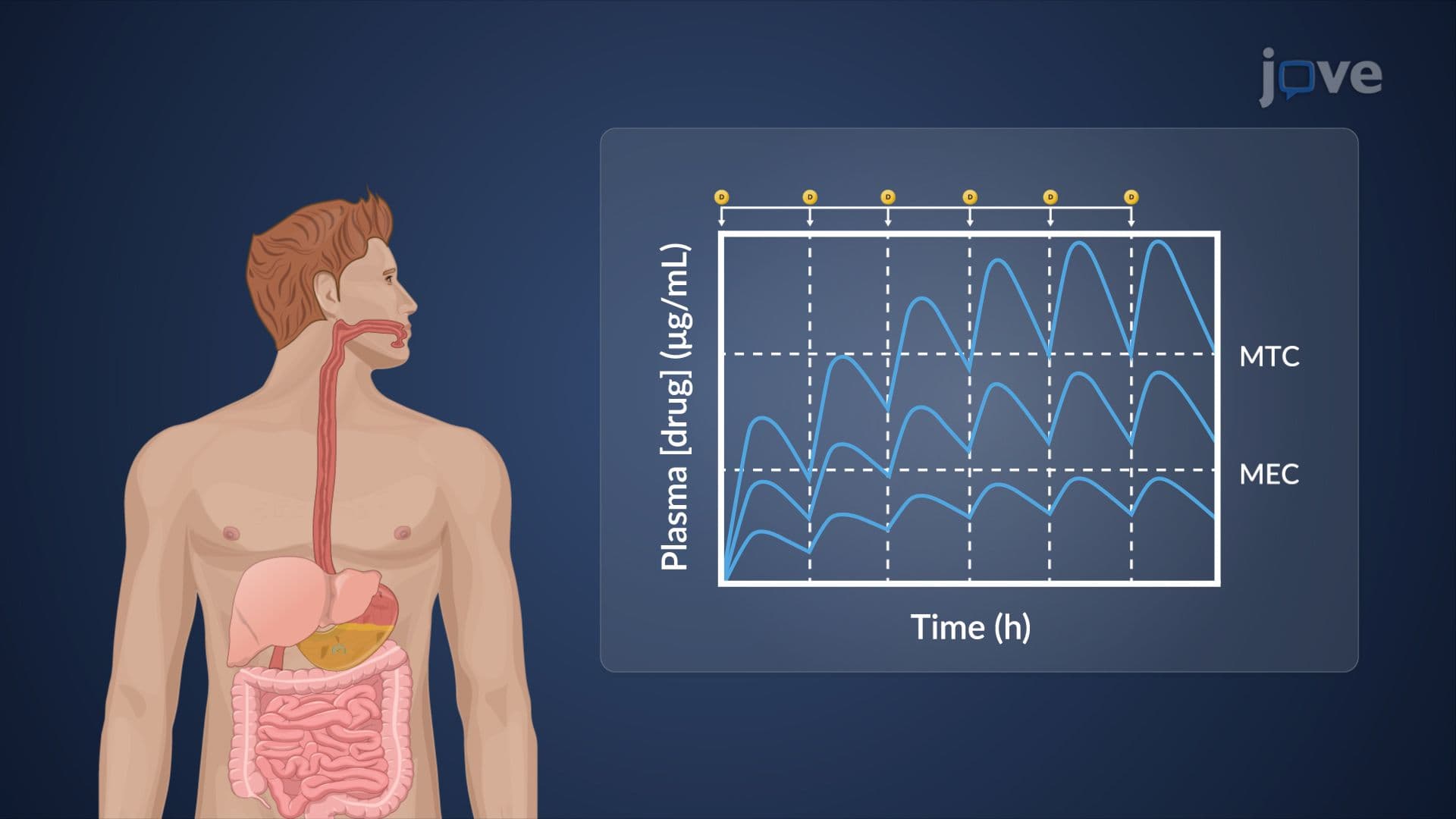
When medications are given repeatedly at regular intervals, the body reaches a predictable balance called steady-state. This pharmacokinetic principle is fundamental to safe and effective drug therapy, particularly for narrow therapeutic index drugs like the antibiotic gentamicin used in US hospitals.
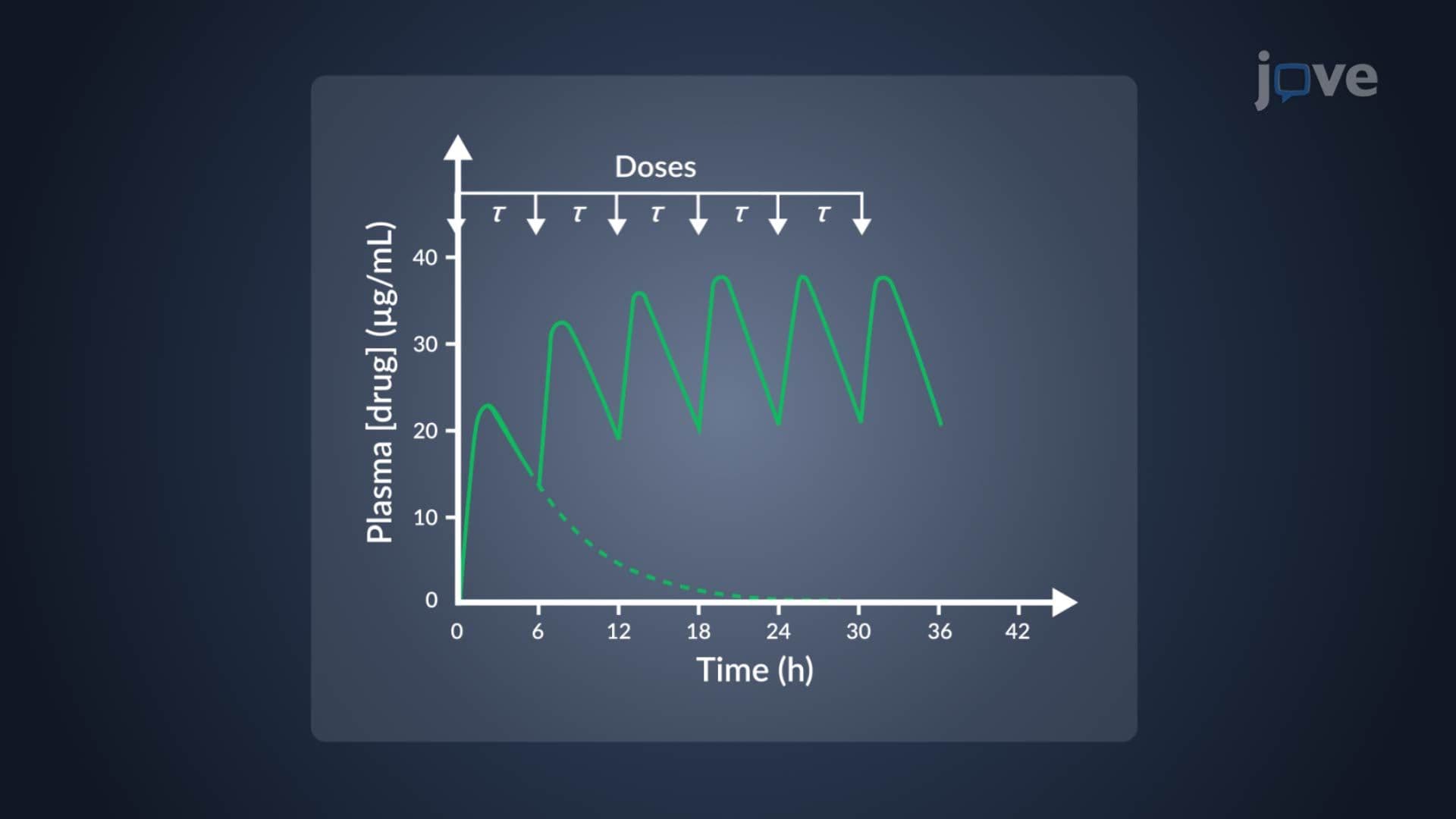
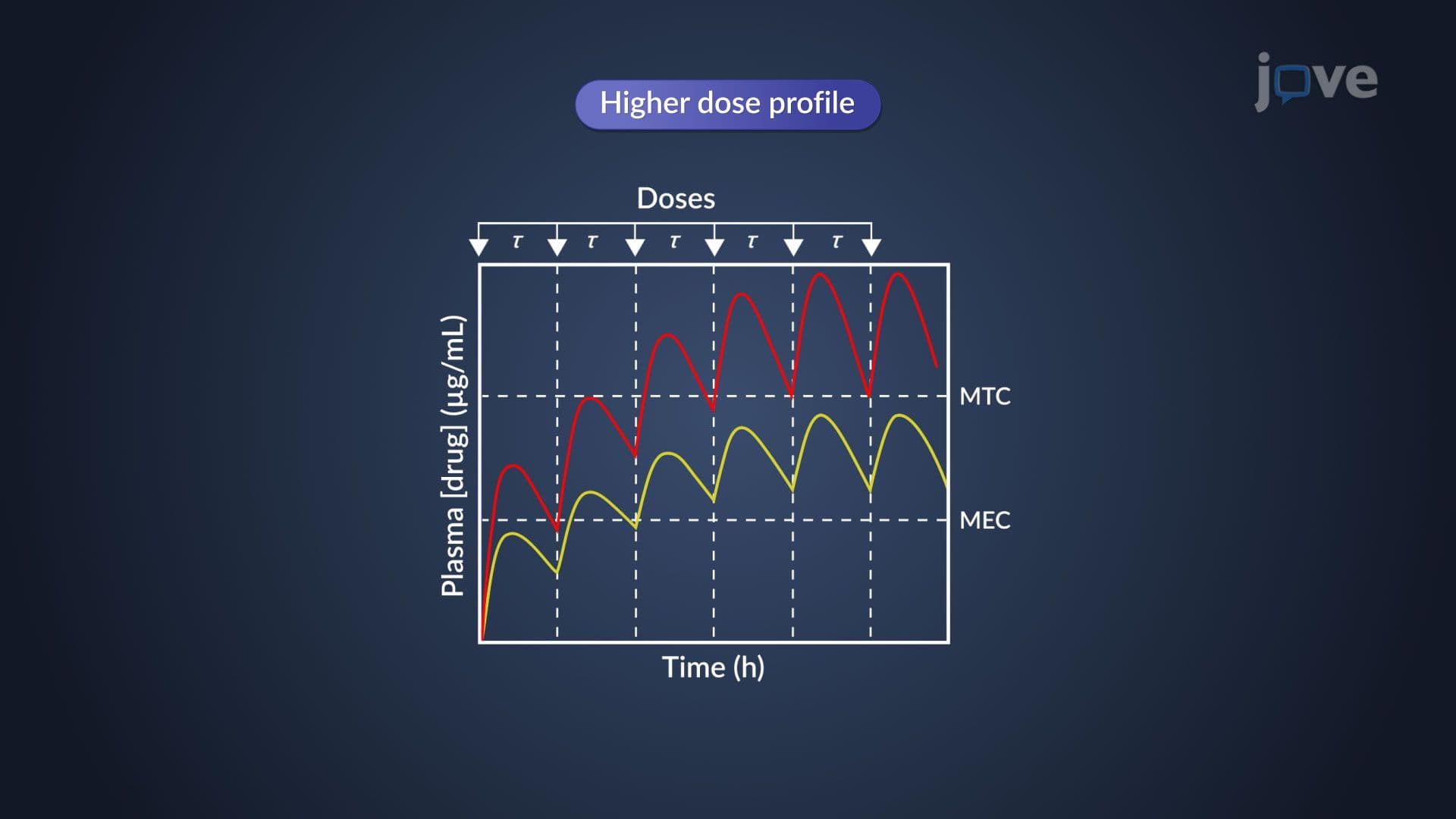
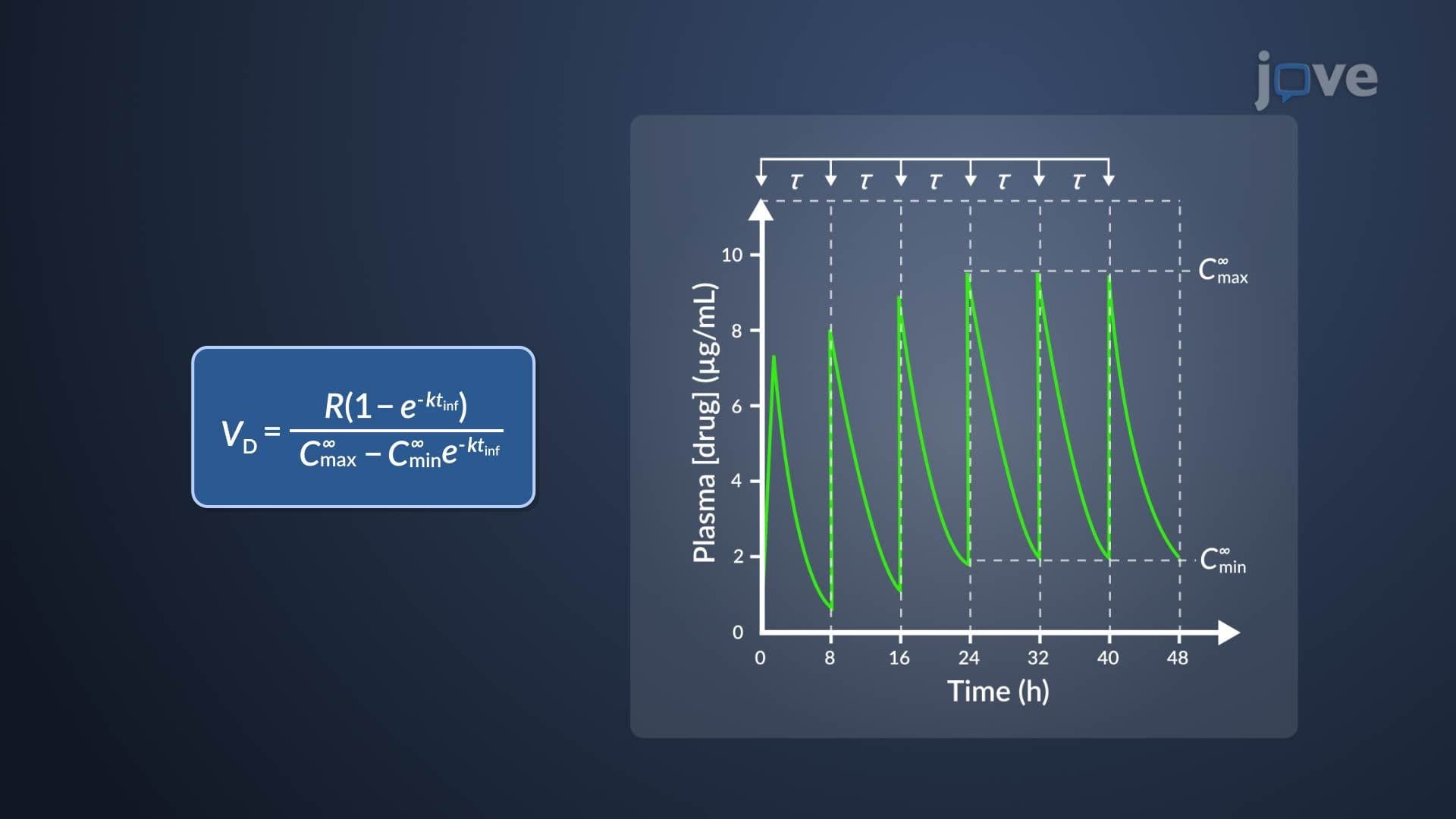
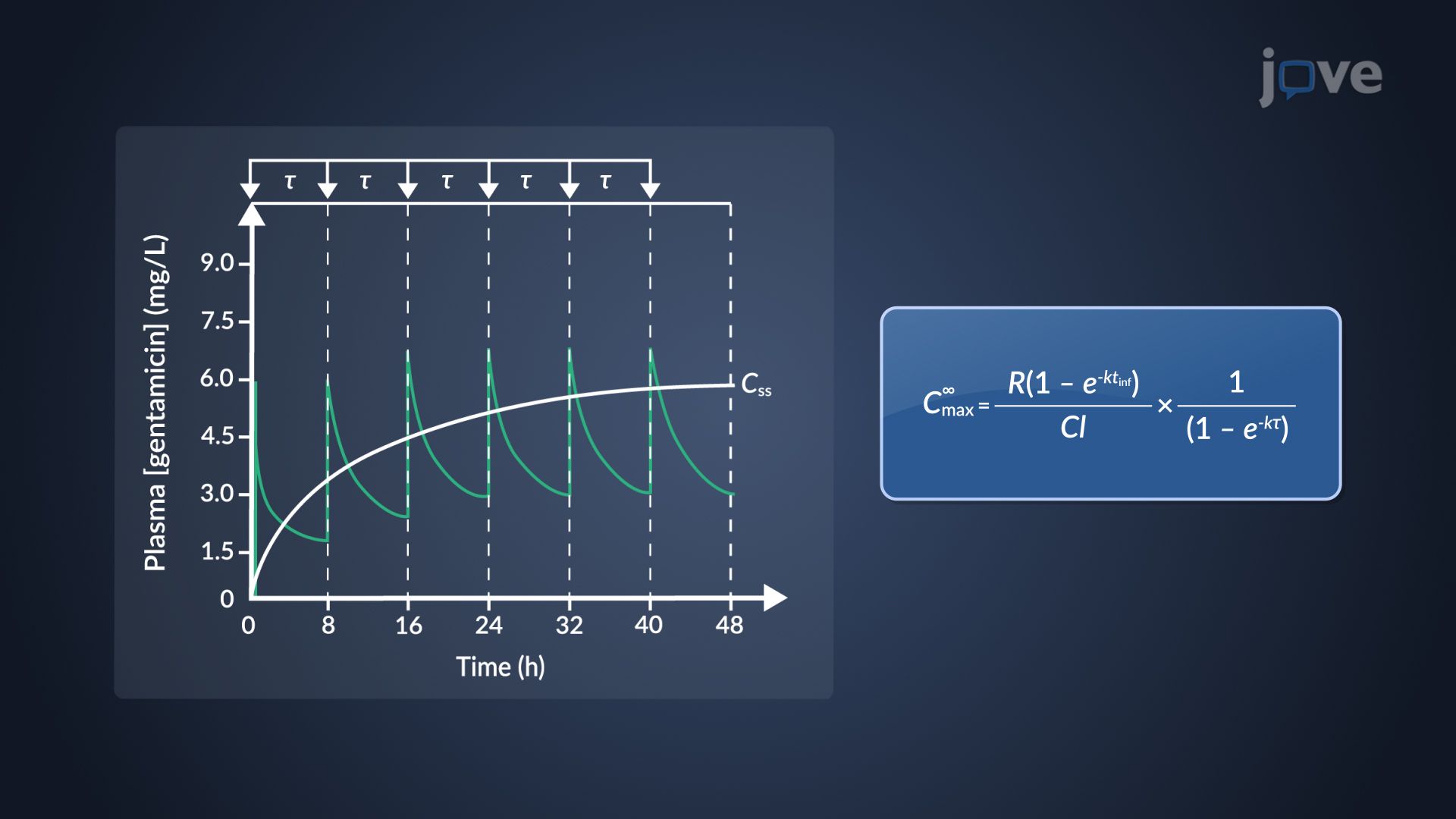
At steady-state, drug input equals drug elimination, creating predictable maximum (peak) and minimum (trough) concentrations. The accumulation factor, calculated as 1/(1 - e^(-k × τ)), where k is the elimination rate constant and τ is the dosing interval, determines how much drug builds up compared to a single dose.
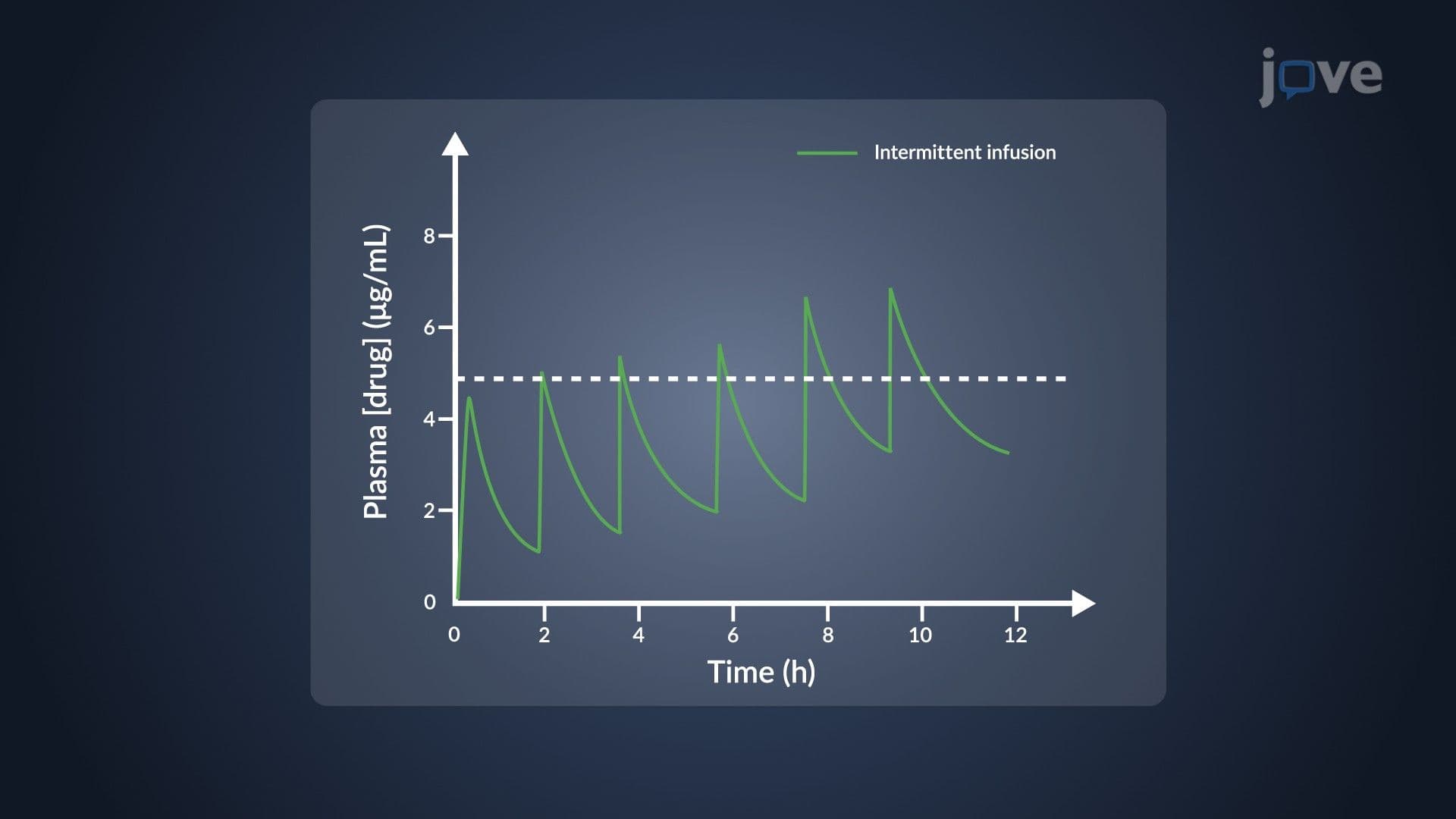
For intermittent IV infusions, the maximum concentration occurs immediately after infusion completion. This peak level is higher than after a single dose due to residual drug from previous doses. The mathematical relationship involves the infusion rate, elimination kinetics, and the crucial accumulation factor that accounts for repeated dosing.
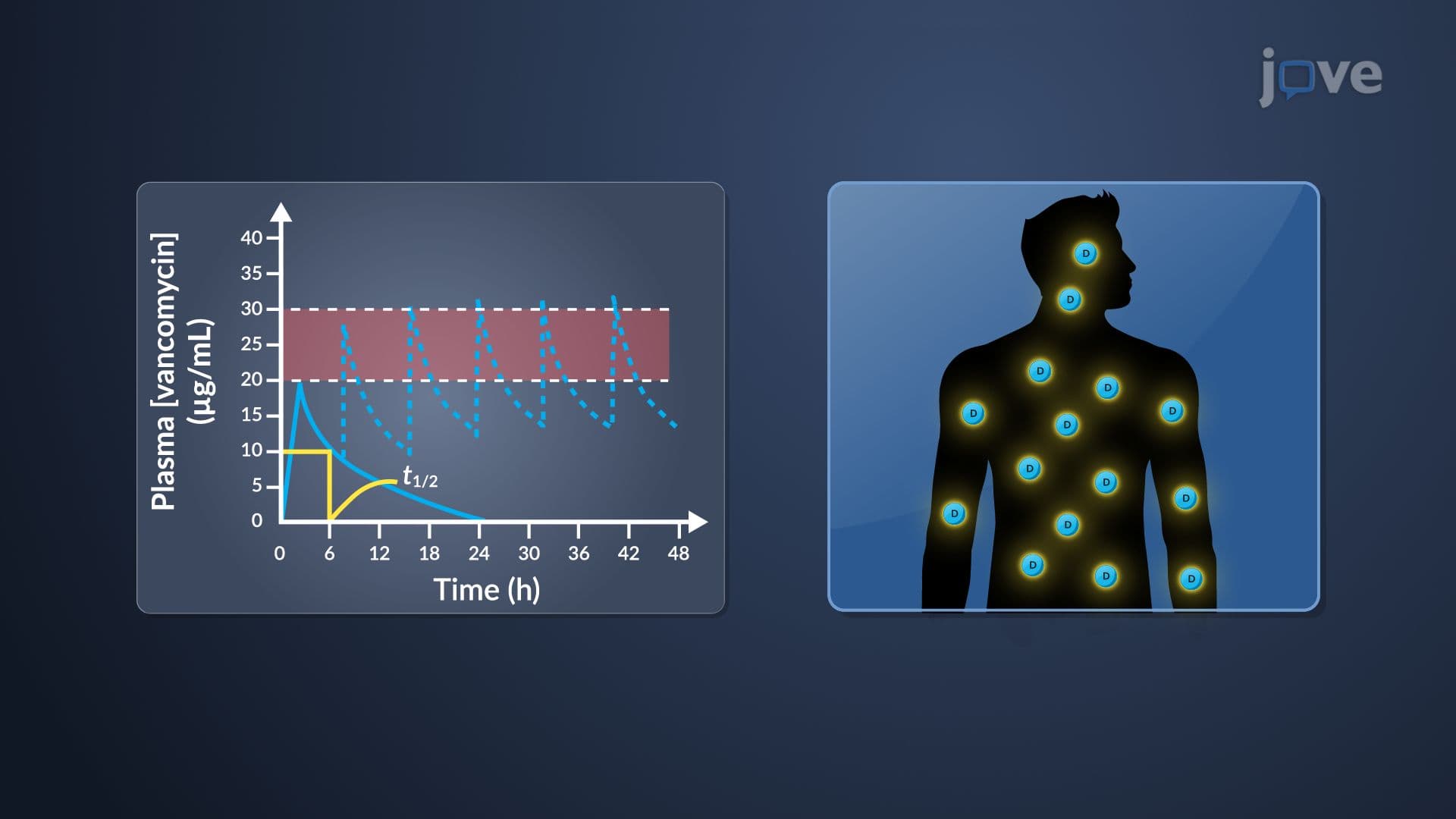
In American hospitals, gentamicin dosing exemplifies these principles. A typical regimen might involve 1-hour IV infusions every 8 hours. Clinicians use steady-state calculations to ensure peak levels reach therapeutic targets (5-10 mg/L) while keeping trough levels safe (< 2 mg/L) to prevent ototoxicity and nephrotoxicity.
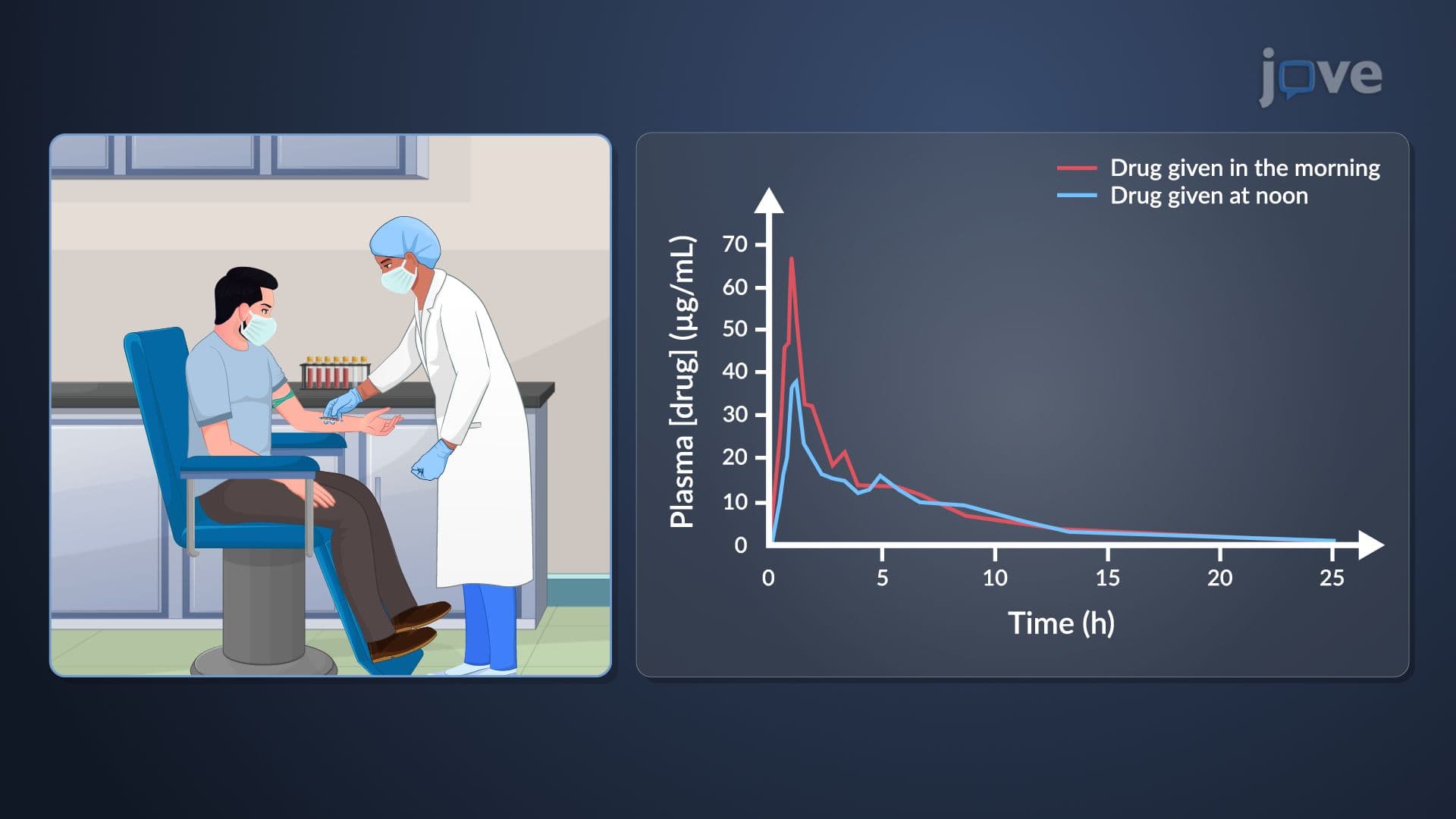
The timing becomes critical: samples for peak levels are drawn 30 minutes after infusion completion, while trough samples are collected just before the next dose. These measurements validate that calculated predictions match actual patient responses.
Students preparing for the MCAT encounter these concepts in pharmacology sections, while nursing students face similar problems on the NCLEX-RN. Pre-pharmacy students in college-level pharmacokinetics courses work through these calculations extensively, as they form the foundation for clinical dosing software used nationwide.
Understanding these parameters also appears in AP Biology contexts when studying enzyme kinetics and drug metabolism. The mathematical relationships mirror other biological processes where input and output reach equilibrium, making this knowledge transferable across STEM disciplines.
Related Micro-courses