Loading video…

 18 Concepts
 1.3K views

Video Summary: What Is Dosage Regimen Individualization
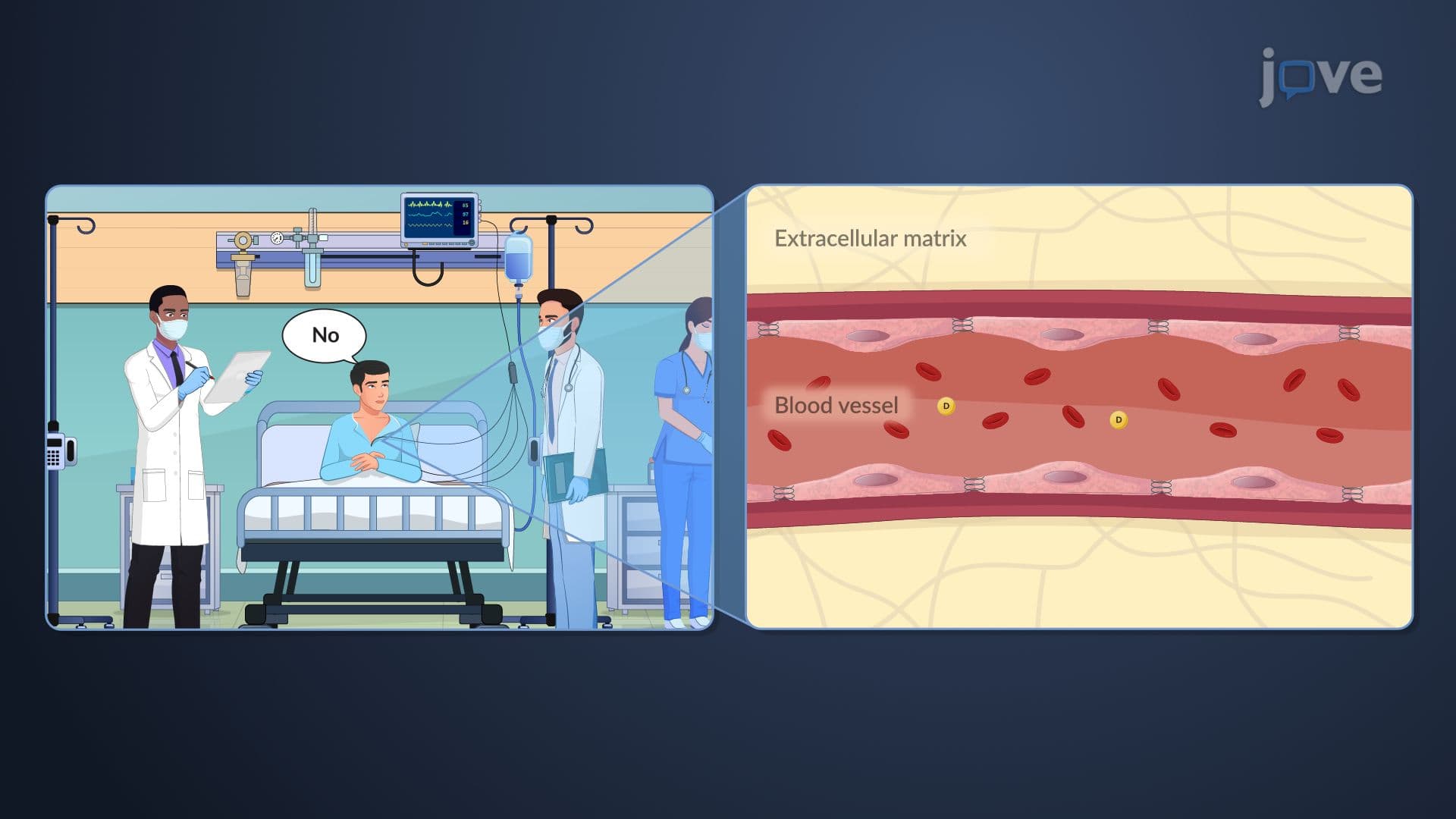
Did you know that the same dose of blood thinner that saves one patient's life could cause dangerous bleeding in another? Dosage regimen individualization addresses this critical challenge by customizing medication doses to match each person's unique biological response. For example, warfarin dosing at Johns Hopkins Hospital varies dramatically between patients-some need 1mg daily while others require 10mg for the same therapeutic effect. This personalized approach to dosage regimen individualization considers genetics, age, disease state, and drug interactions to optimize treatment outcomes while minimizing adverse effects. Watch the full video on JoVE Coach to master this concept with expert-led visuals and step-by-step explanations.
Dosage regimen individualization represents a cornerstone of modern pharmacotherapy, moving beyond the traditional "one-size-fits-all" approach to medication dosing. This concept recognizes that identical drug doses can produce vastly different therapeutic outcomes in different patients due to biological variability. The practice involves systematically adjusting dose strength, frequency, and duration based on patient-specific factors to achieve optimal therapeutic outcomes.
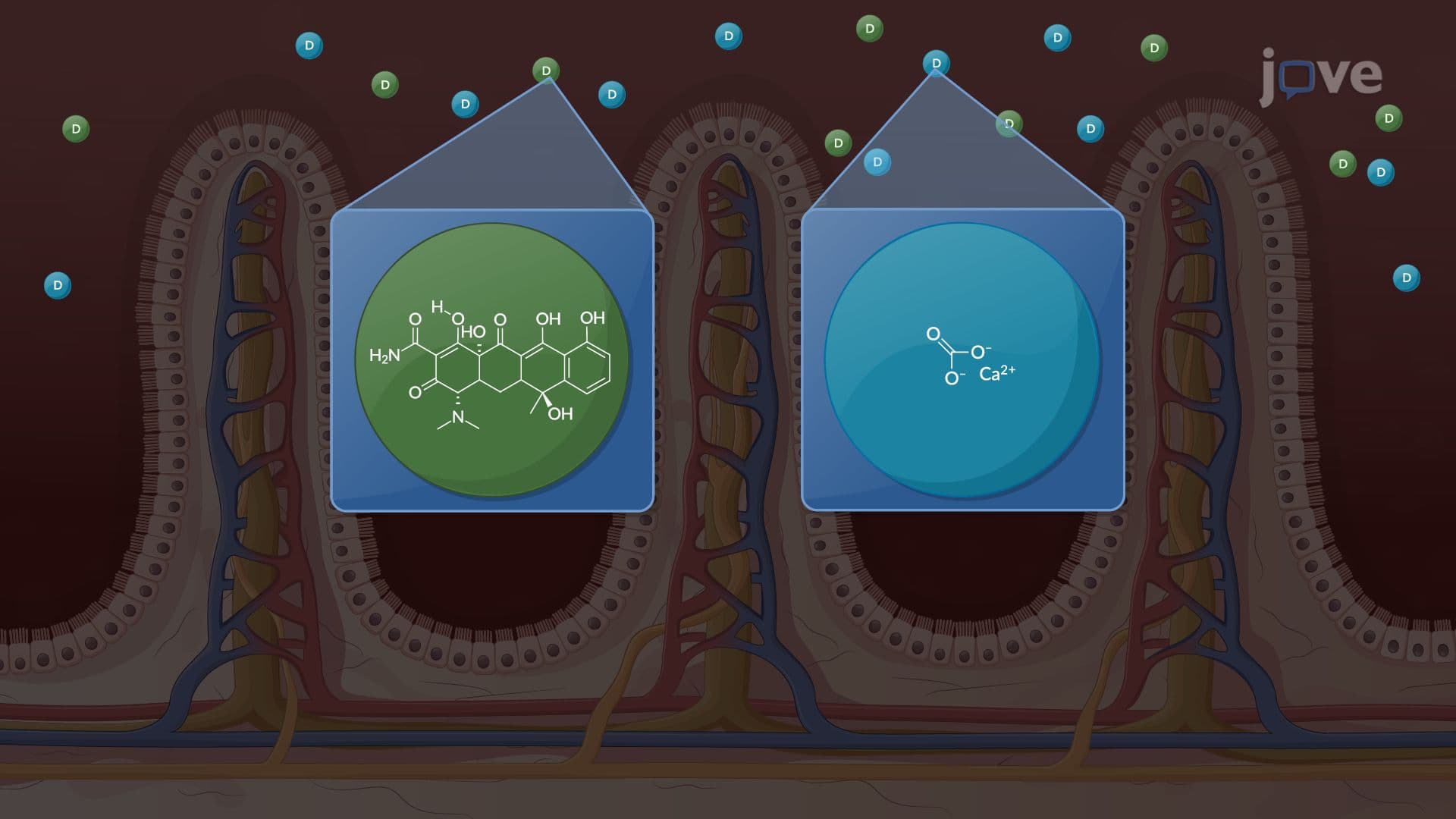
The foundation of individualized dosing lies in understanding two critical types of variability. Pharmacokinetic variability affects how the body processes medications-encompassing absorption, distribution, metabolism, and elimination. Pharmacodynamic variability influences how patients respond to drugs at the receptor level, even when plasma concentrations remain identical. These variations explain why a standard 20mg dose of the antidepressant fluoxetine might be therapeutic for one patient but ineffective or toxic for another.
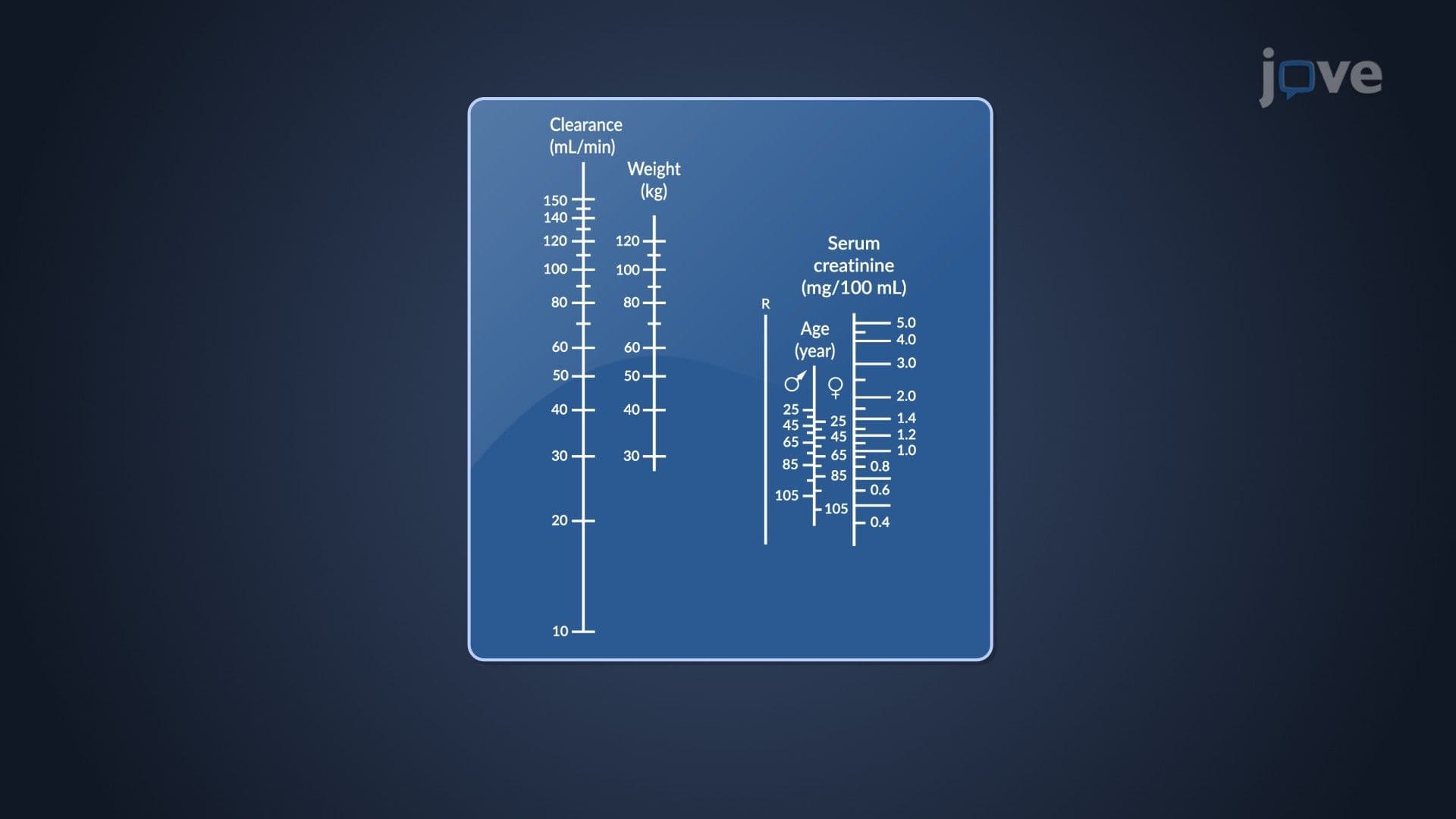
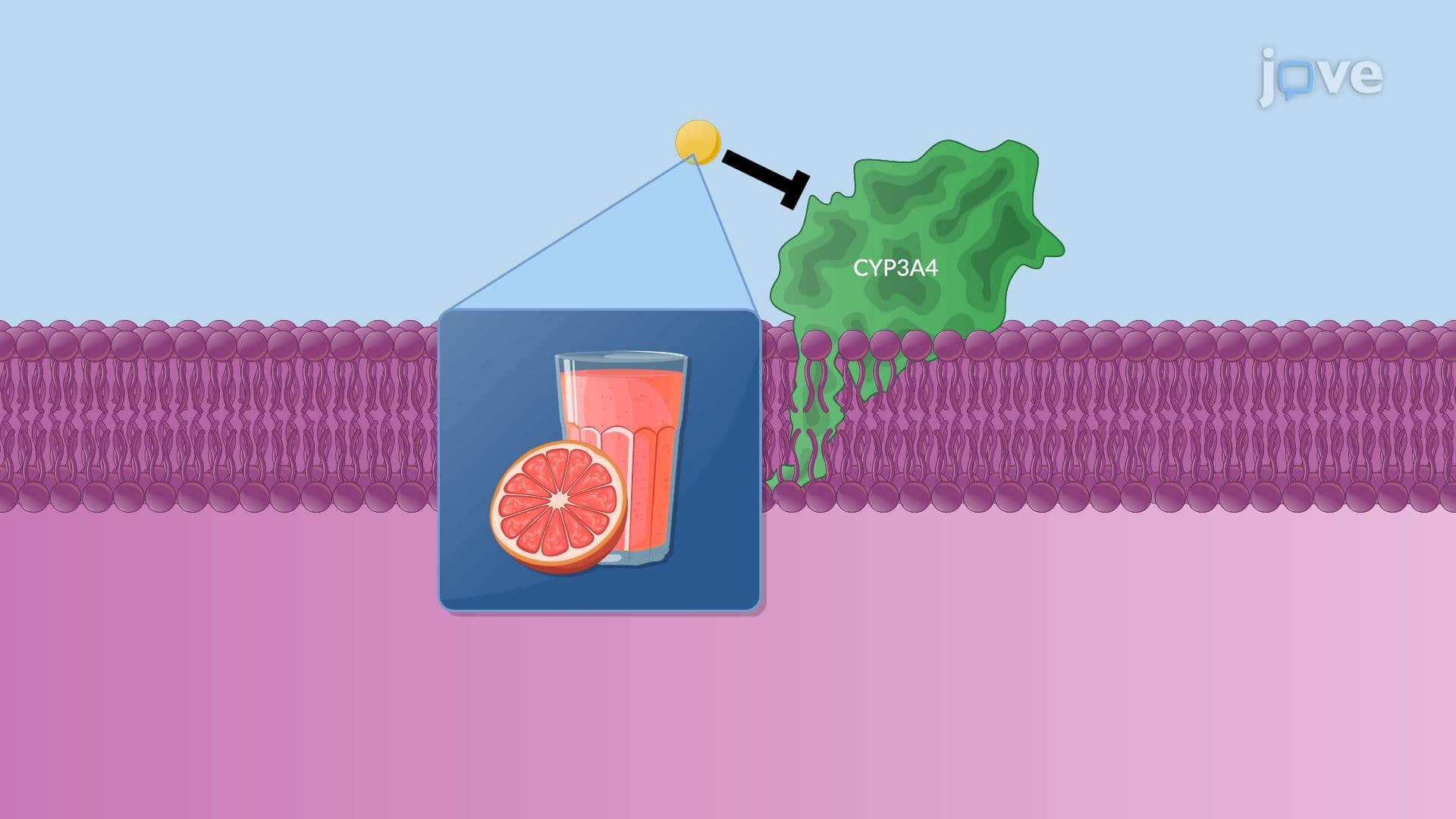
Several patient-specific factors necessitate dosage individualization. Genetic polymorphisms significantly impact drug metabolism, particularly involving cytochrome P450 enzymes. For instance, patients with poor CYP2D6 metabolism require reduced doses of drugs like codeine or metoprolol. Age-related physiological changes also demand dose modifications-elderly patients typically need lower doses due to decreased renal function and altered drug distribution.
Disease states further complicate dosing decisions. Patients with liver cirrhosis require substantial dose reductions for hepatically metabolized drugs like propranolol. Similarly, kidney disease necessitates dose adjustments for renally eliminated medications such as digoxin. These considerations frequently appear in MCAT pharmacology questions and college pharmacokinetics courses.
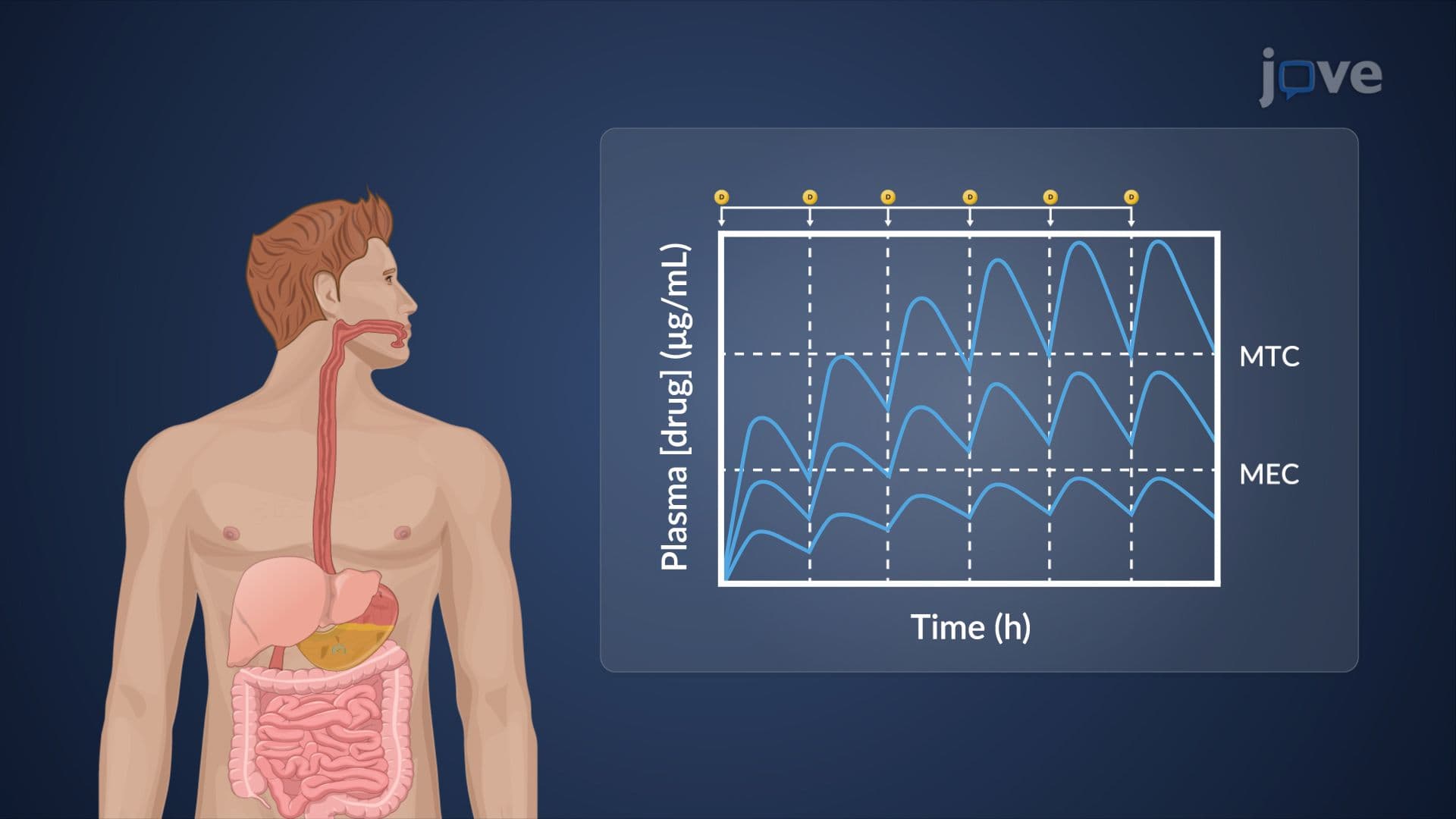
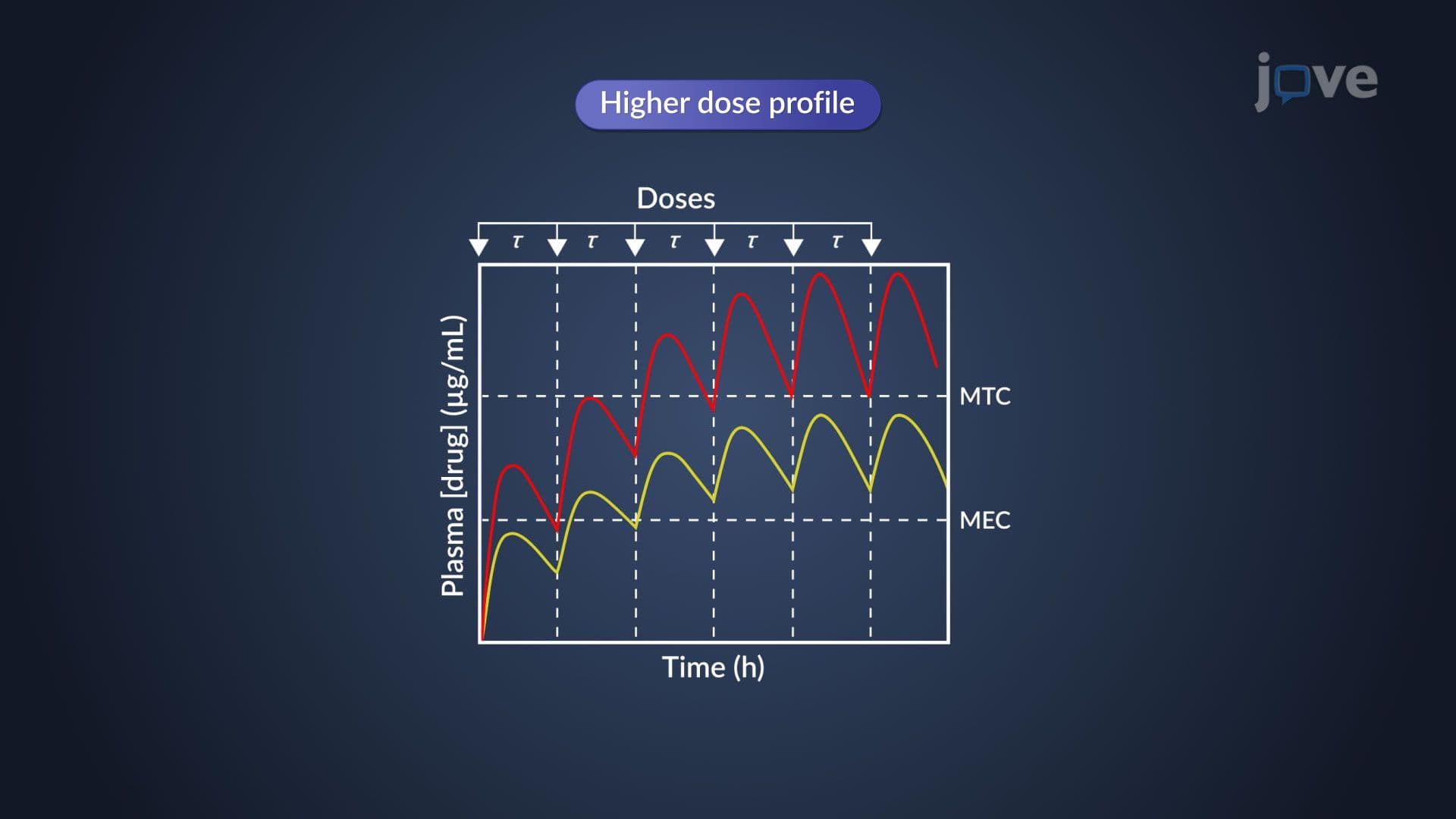
The therapeutic index-the ratio between toxic and therapeutic doses-determines individualization urgency. Narrow therapeutic index drugs like lithium, digoxin, and warfarin require meticulous individualization because small dose changes can shift patients from therapeutic to toxic ranges. The FDA mandates therapeutic drug monitoring for many such medications.
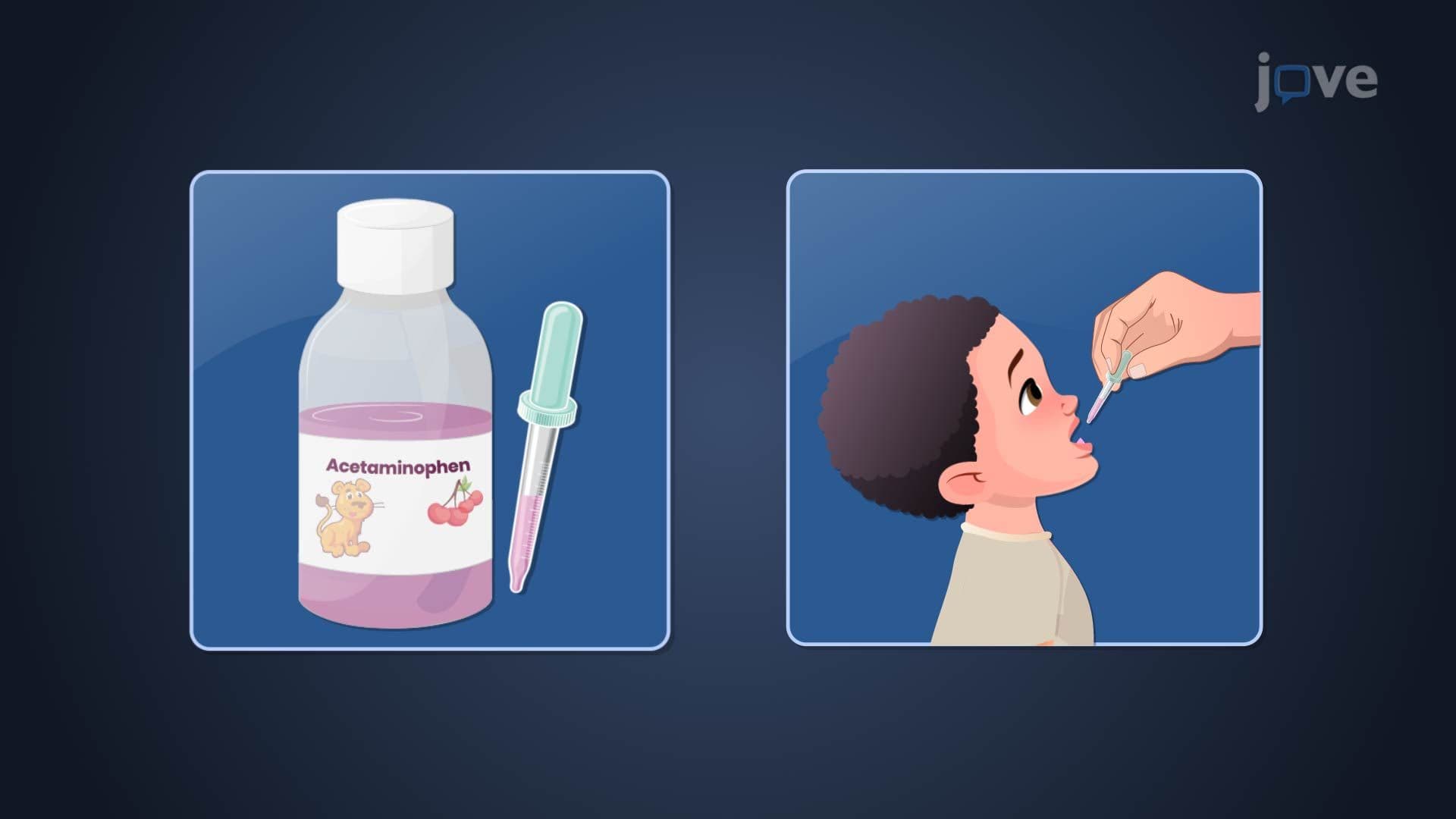
Conversely, drugs with wide therapeutic indices, including most over-the-counter medications and GRAS substances, tolerate broader dosing ranges without significant safety concerns. Acetaminophen exemplifies this principle-standard doses work safely across most populations, though individualization remains important for pediatric patients or those with liver disease.
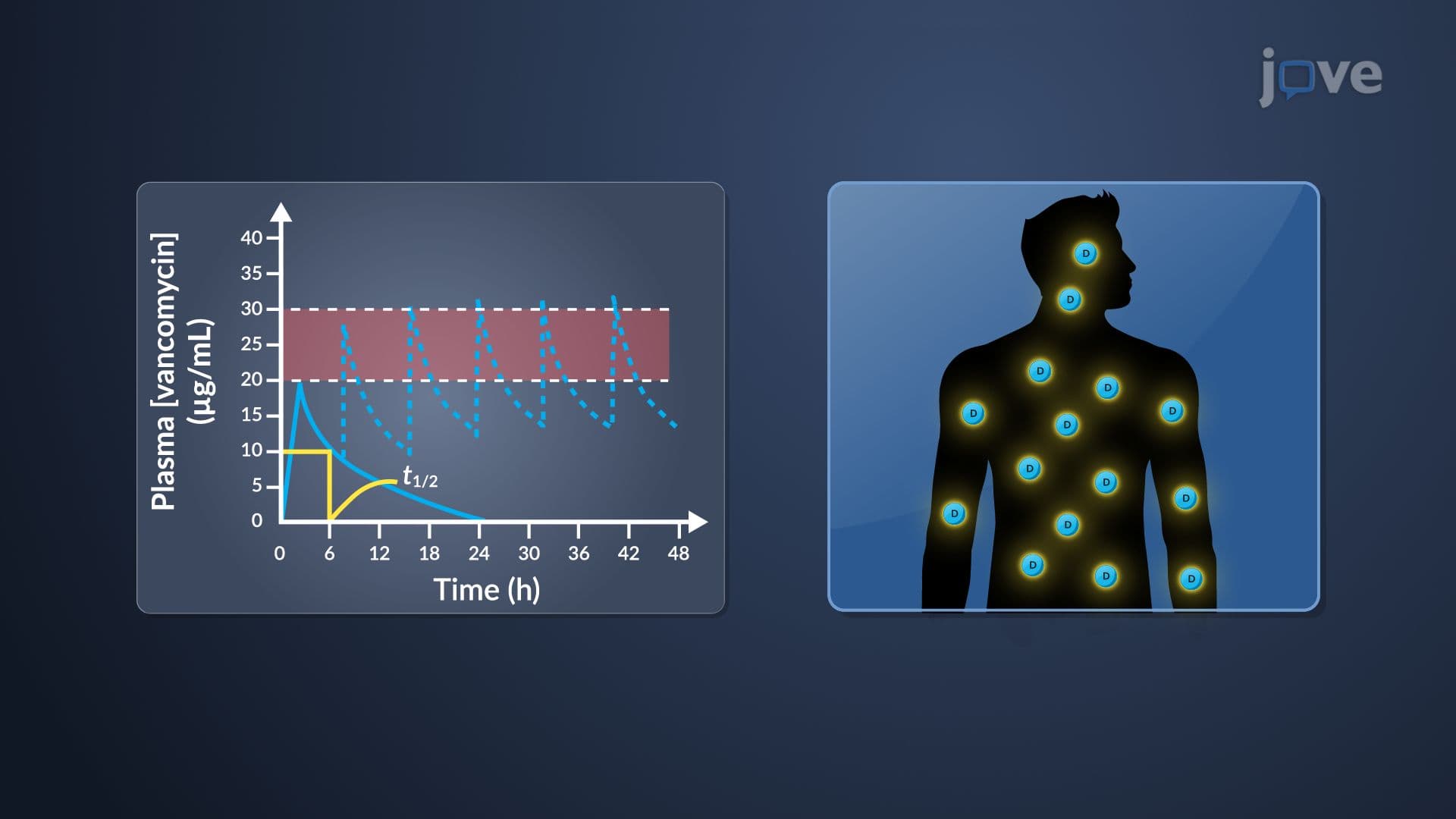
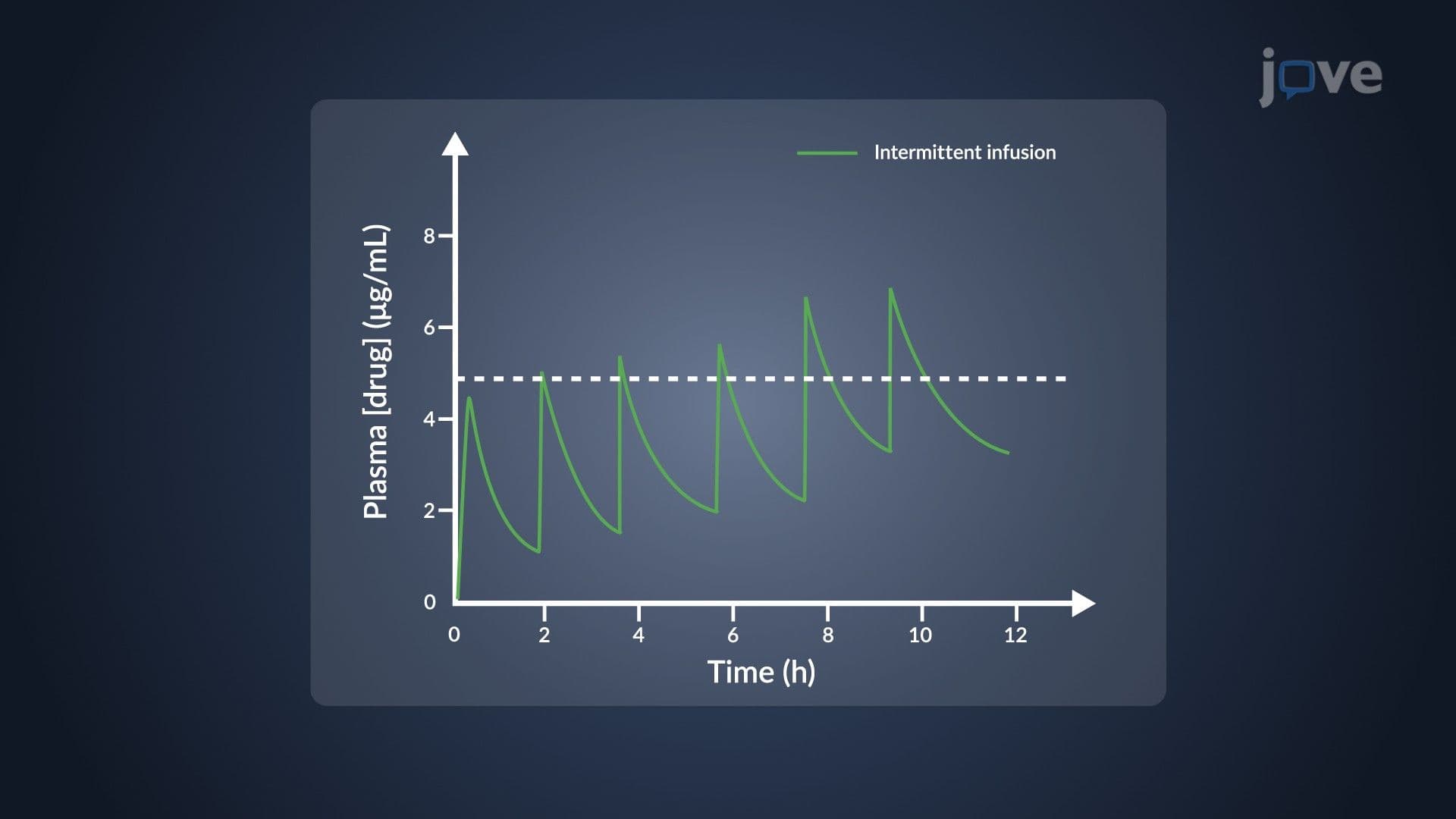
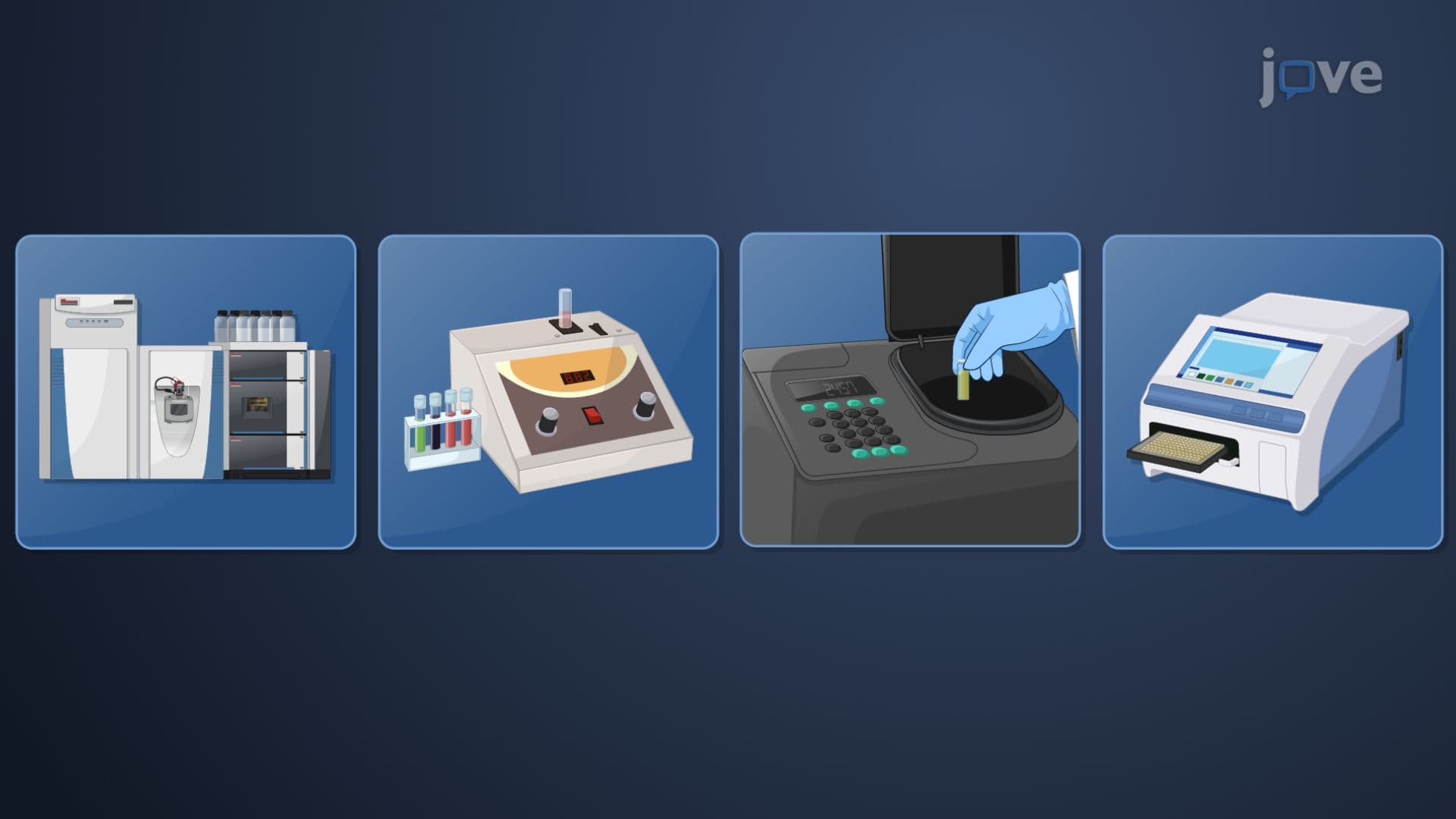
Successful dosage individualization relies on systematic approaches including population pharmacokinetic modeling, therapeutic drug monitoring, and clinical response assessment. Healthcare providers at institutions like Mayo Clinic and Cleveland Clinic routinely use pharmacogenomic testing to guide initial dosing decisions, particularly for medications like clopidogrel and abacavir where genetic variants significantly impact efficacy or safety.
Related Micro-courses