Loading video…


 25 Concepts
 13.6K views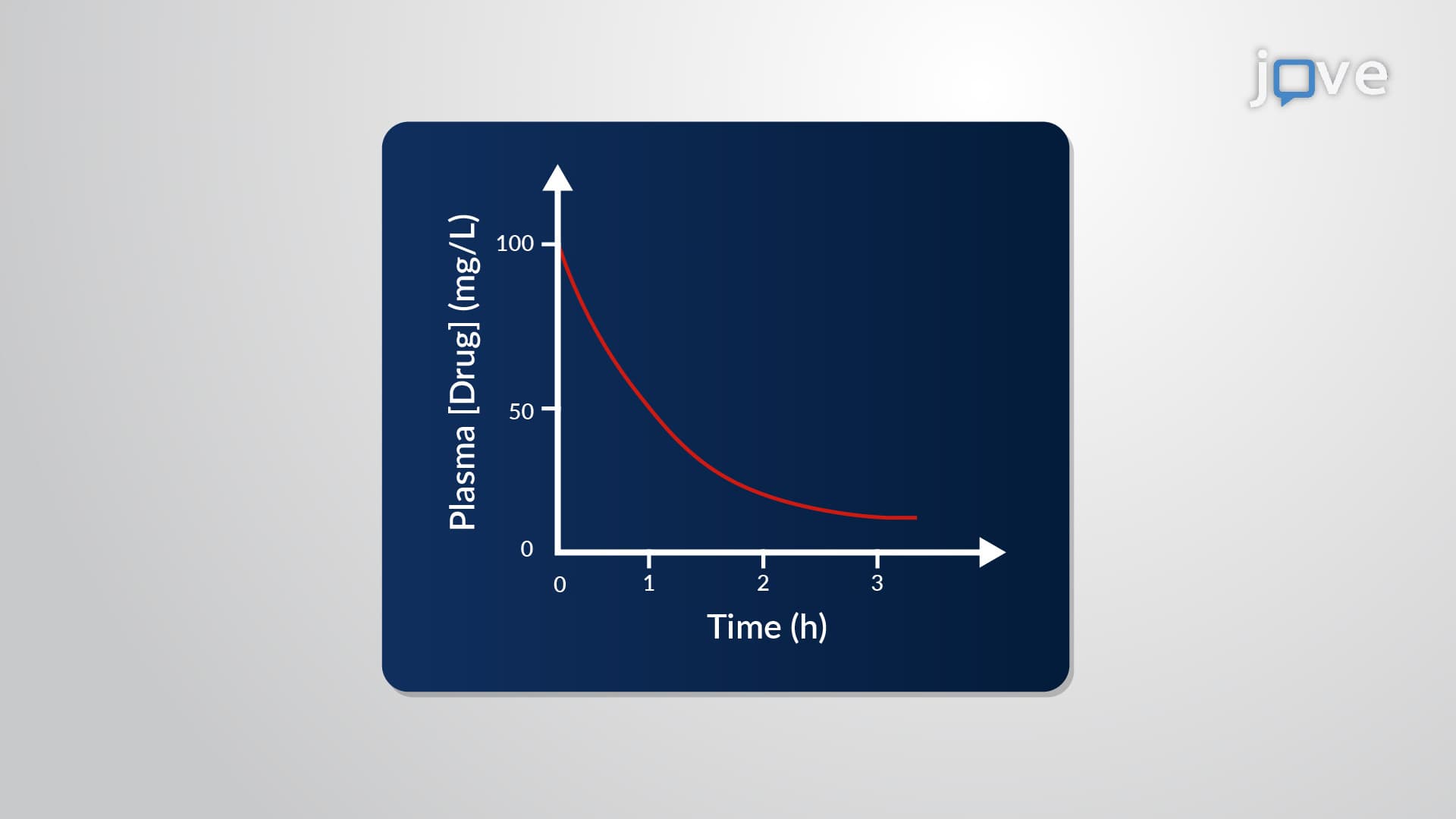

Video Summary: Elimination Kinetics First Order and Zero Order Processes
Ever wonder why your morning coffee keeps you alert for hours while aspirin seems to work at a steady pace? Elimination kinetics: first-order and zero-order processes explain how drugs like caffeine are cleared exponentially from your body, while medications like aspirin follow a constant elimination rate. Understanding these fundamental pharmacokinetic principles helps explain why some medications require precise timing while others maintain steady therapeutic effects. Watch the full video on JoVE Coach to master this concept with expert-led visuals and step-by-step explanations.
Drug elimination represents one of the most critical aspects of pharmacokinetics, determining how long medications remain active in your system. When physicians prescribe medications, they rely on predictable elimination patterns to ensure therapeutic efficacy while minimizing toxicity. The two primary elimination patterns-first-order and zero-order kinetics-fundamentally differ in how the body processes and clears drugs.
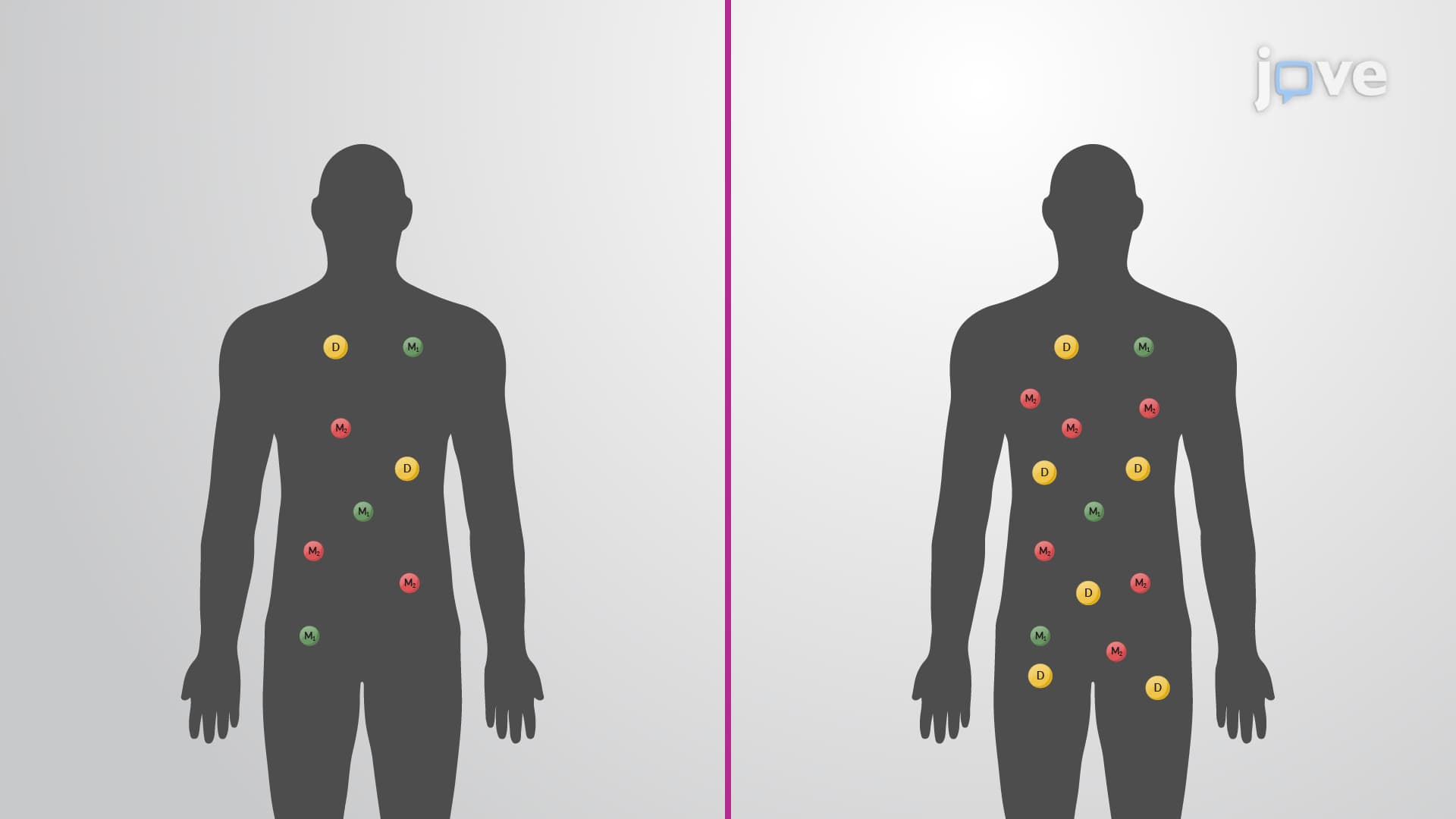
First-order kinetics governs the elimination of most medications you encounter, from antibiotics like amoxicillin to pain relievers like ibuprofen. In this process, a constant fraction (not amount) of the drug is eliminated per unit time. Imagine your body as having unlimited metabolic capacity-regardless of drug concentration, the elimination machinery never becomes overwhelmed.
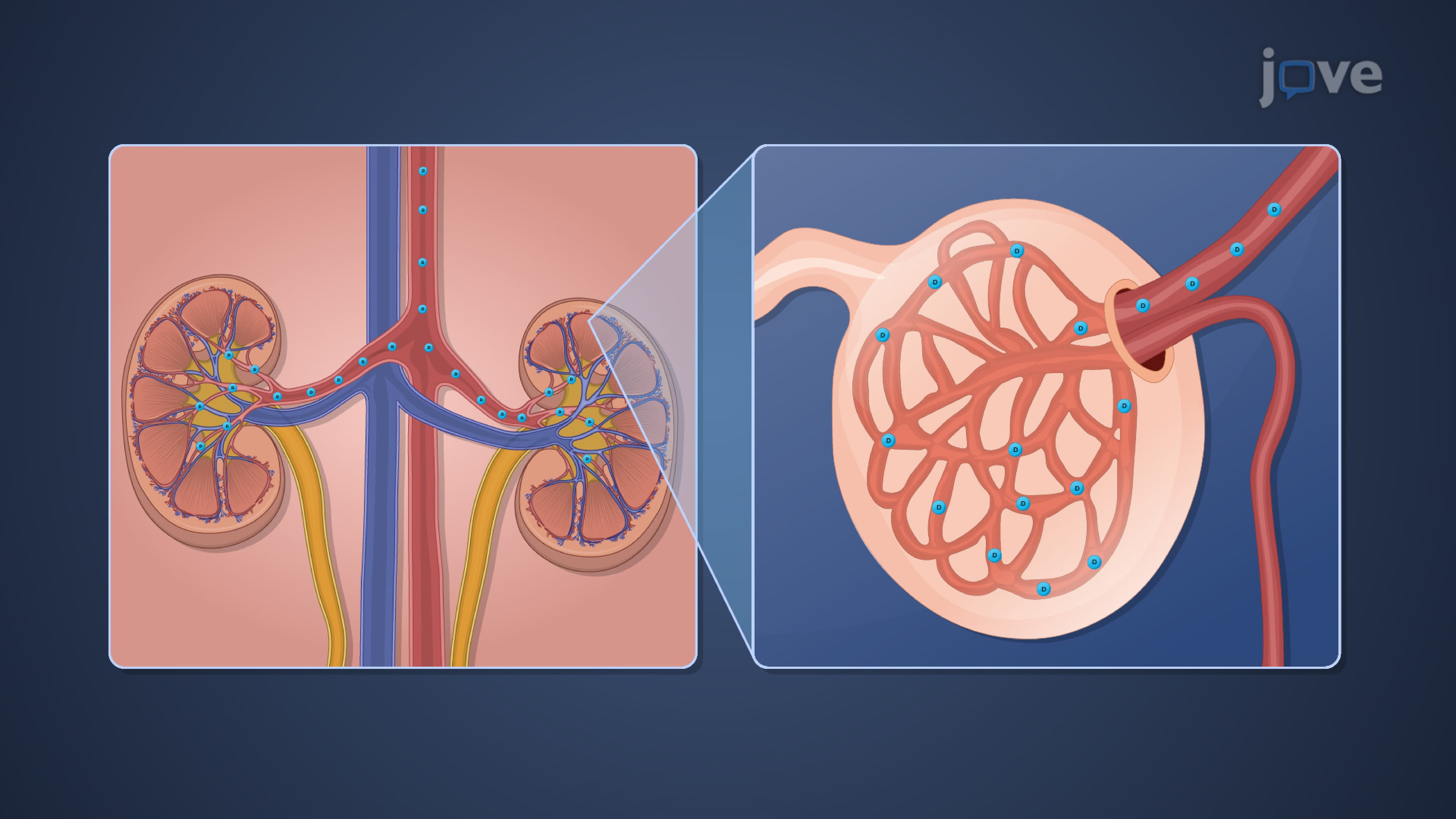
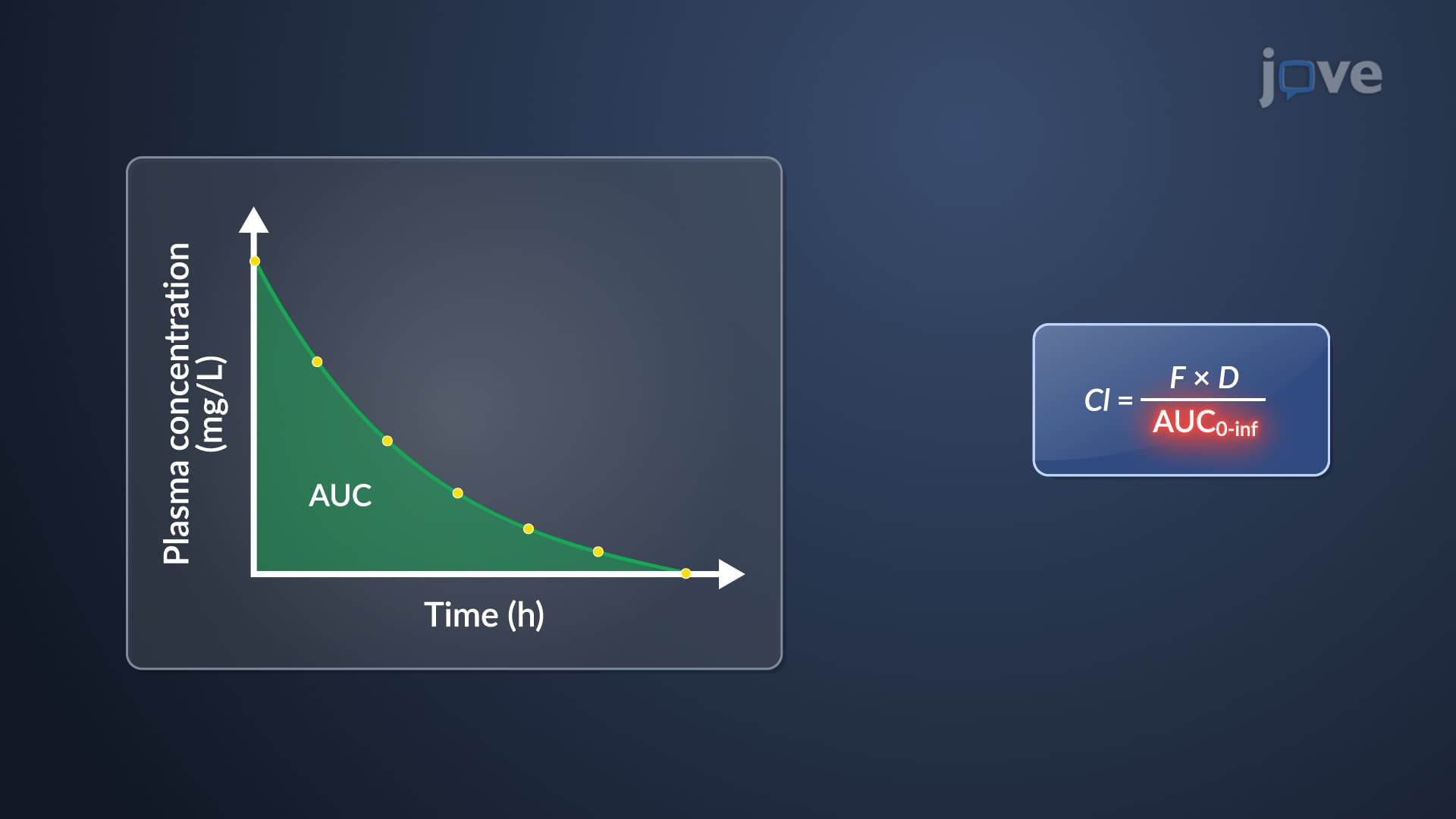
The mathematical relationship involves clearance (CL), which relates elimination rate to plasma concentration. For first-order processes, clearance remains constant, creating the characteristic exponential decay curve when plotting drug concentration versus time. This explains why caffeine's alerting effects gradually diminish-each hour, approximately the same percentage gets metabolized, not the same absolute amount.
This concept frequently appears on MCAT pharmacokinetics sections and AP Biology exams covering enzyme kinetics. Students often encounter this in college biochemistry courses when studying Michaelis-Menten kinetics, where drug concentrations remain well below the enzyme's Km value.
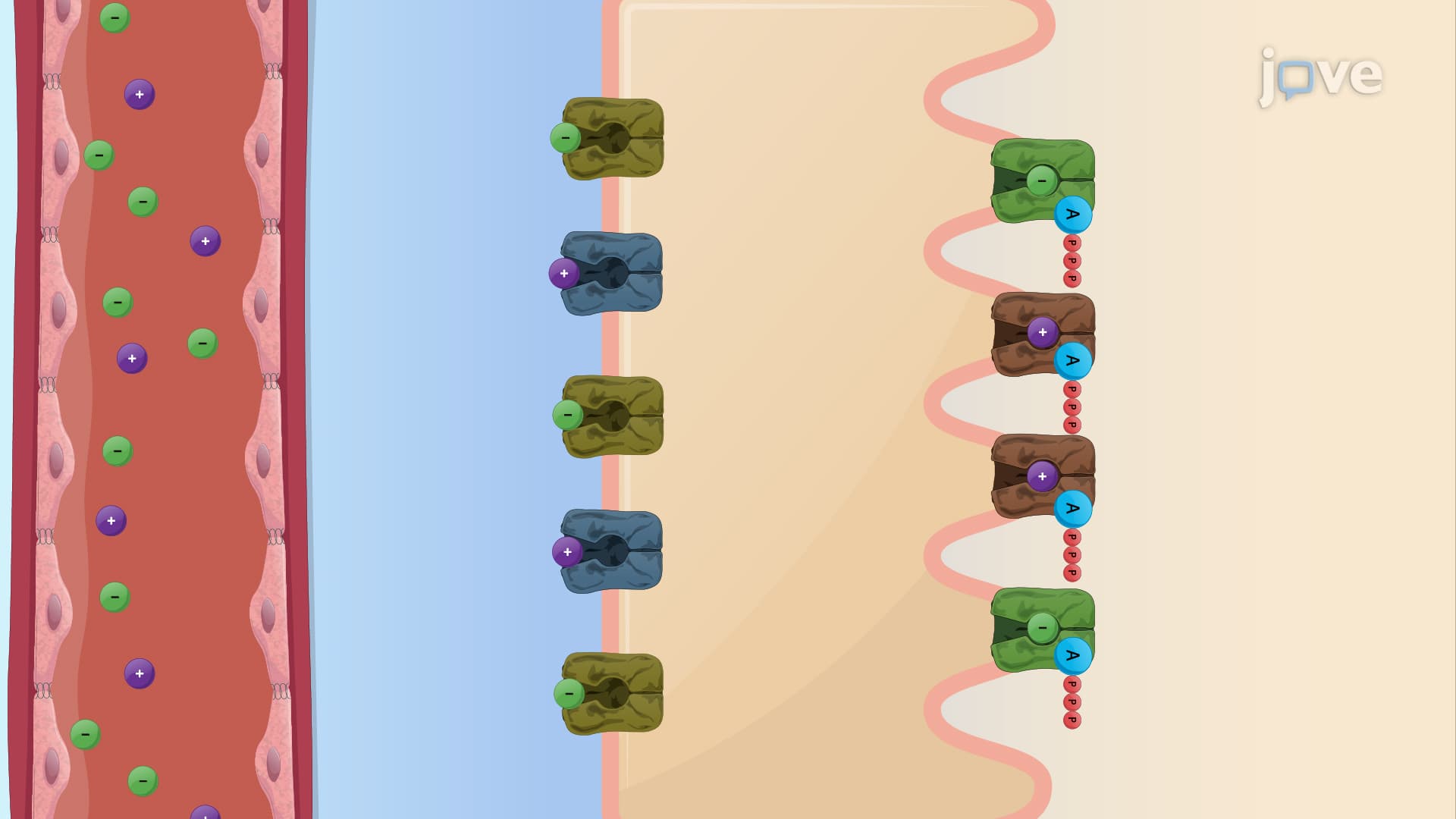
Zero-order kinetics occurs when high drug concentrations saturate the elimination machinery, particularly metabolic enzymes. Classic examples include phenytoin (an anti-seizure medication) and high-dose aspirin therapy. Unlike first-order processes, zero-order elimination removes a constant amount-not percentage-of drug per unit time.
Consider phenytoin: at therapeutic doses, the liver's metabolic enzymes become saturated. Whether the blood concentration is 15 mg/L or 25 mg/L, the liver can only process approximately the same absolute amount hourly. This creates a linear, not exponential, concentration-time relationship and explains why small dose increases can dramatically elevate blood levels, potentially causing toxicity.
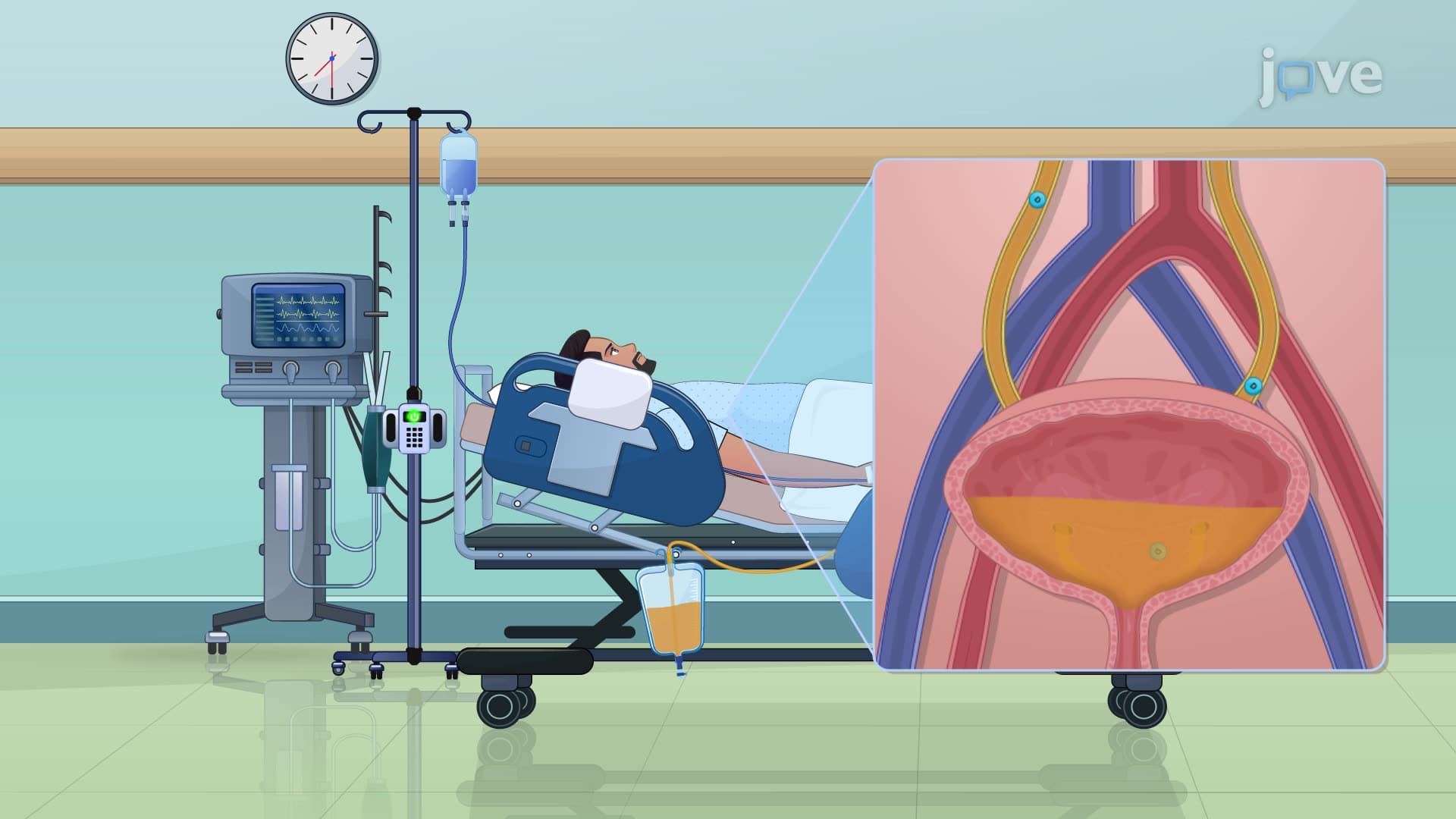
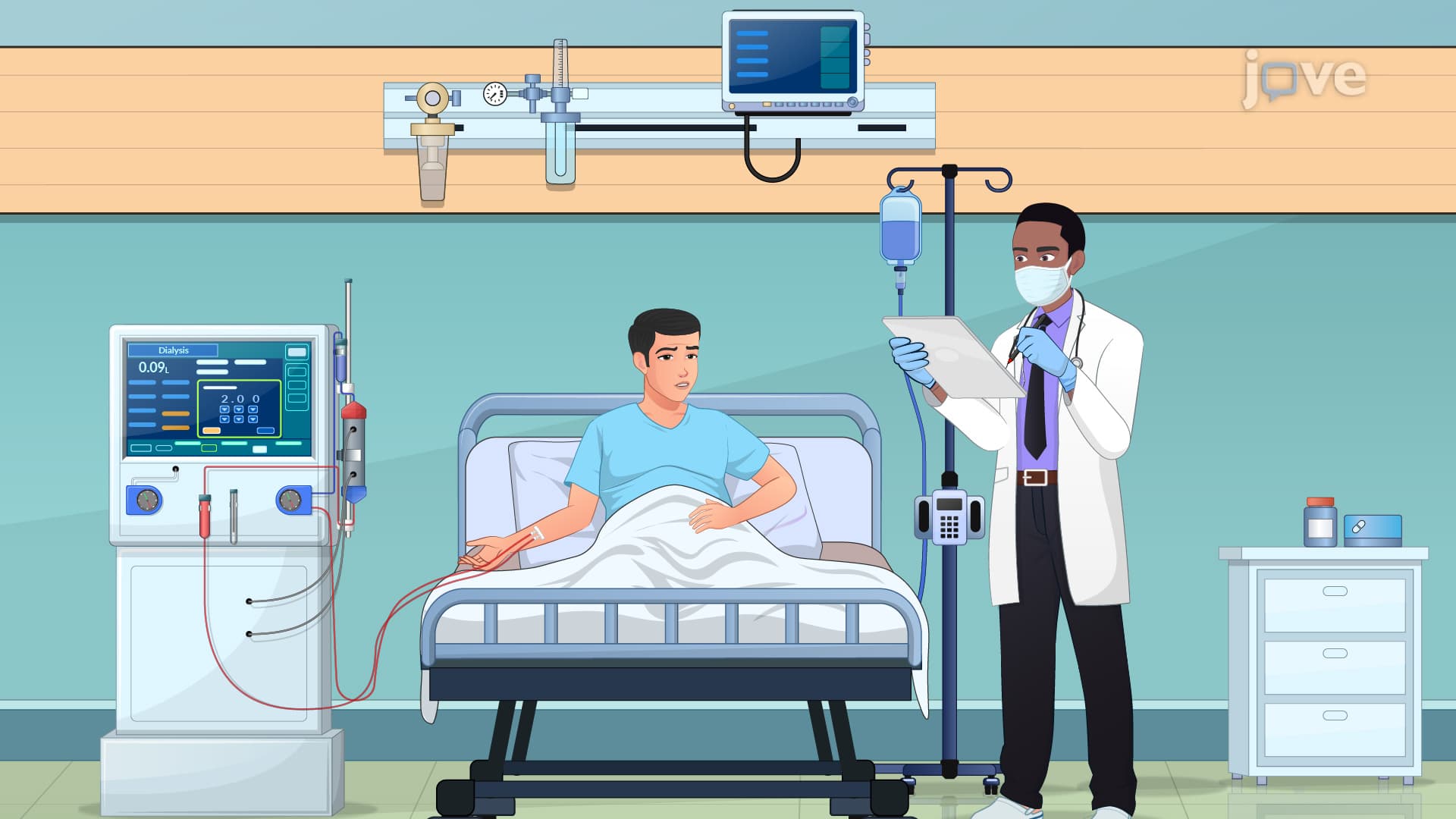
Understanding these kinetic principles proves essential for safe medication management. Zero-order drugs require careful therapeutic drug monitoring-hospitals routinely check phenytoin levels because the narrow therapeutic window combined with saturable elimination creates significant toxicity risks. The FDA mandates specific monitoring protocols for these medications.
For USMLE Step 1 preparation, students must recognize that zero-order elimination leads to non-linear pharmacokinetics, where doubling the dose doesn't simply double the steady-state concentration. This concept also appears in NCLEX-RN examinations when testing nursing students' understanding of medication safety and monitoring requirements.
Related Micro-courses