Loading video…

 25 Concepts
 13.6K views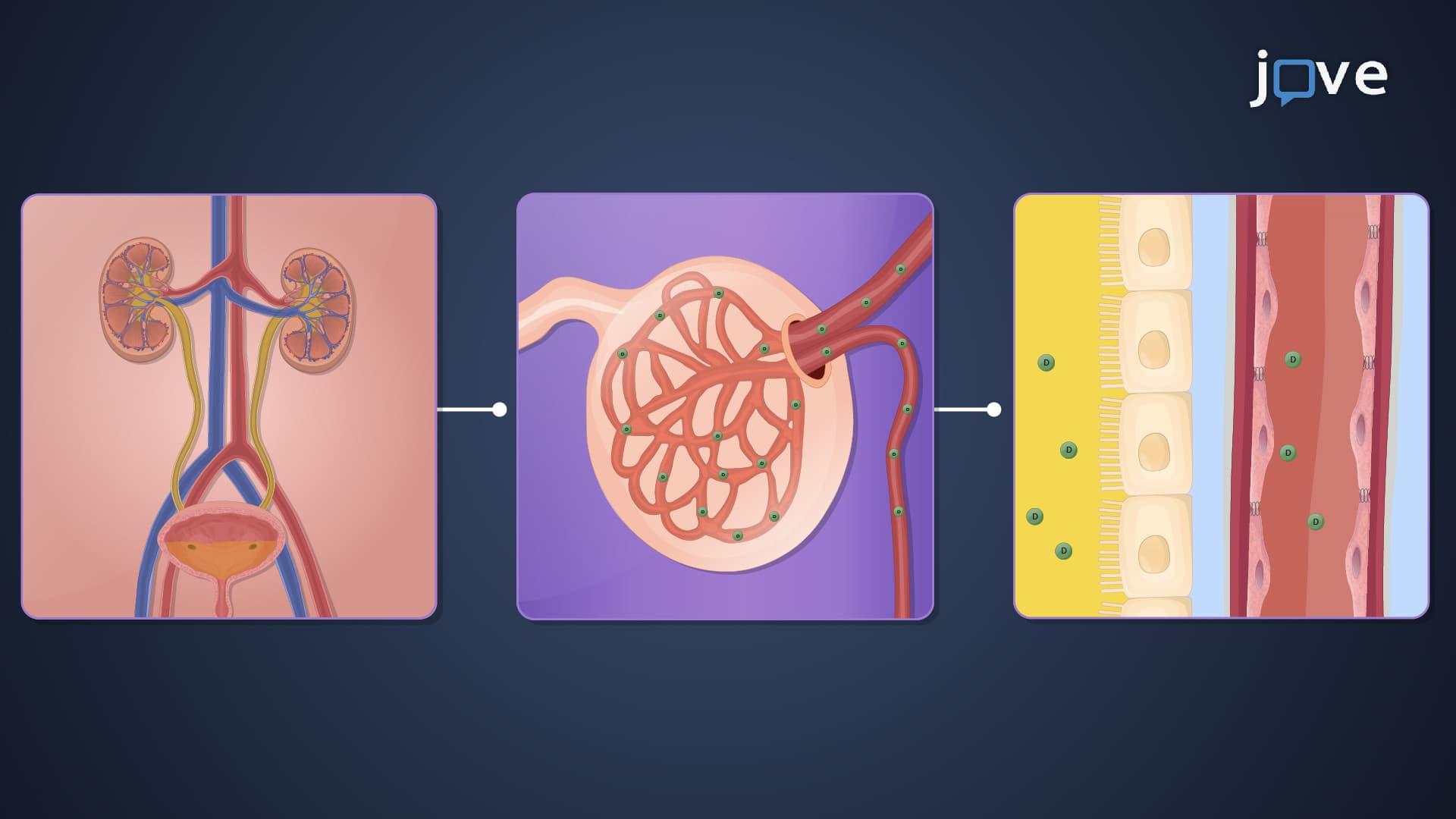

Video Summary: Renal Drug Clearance Comparison Between Explained
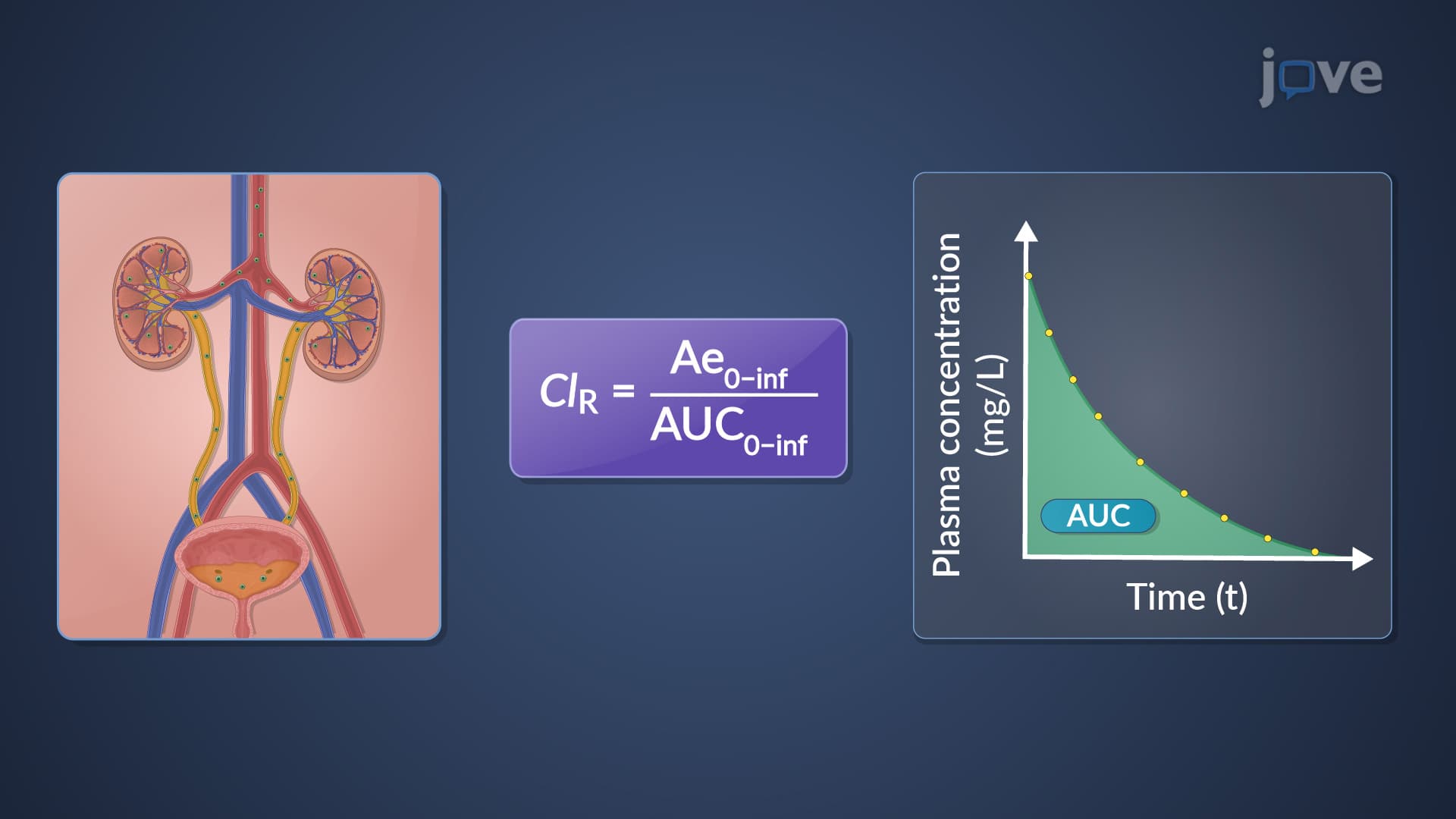
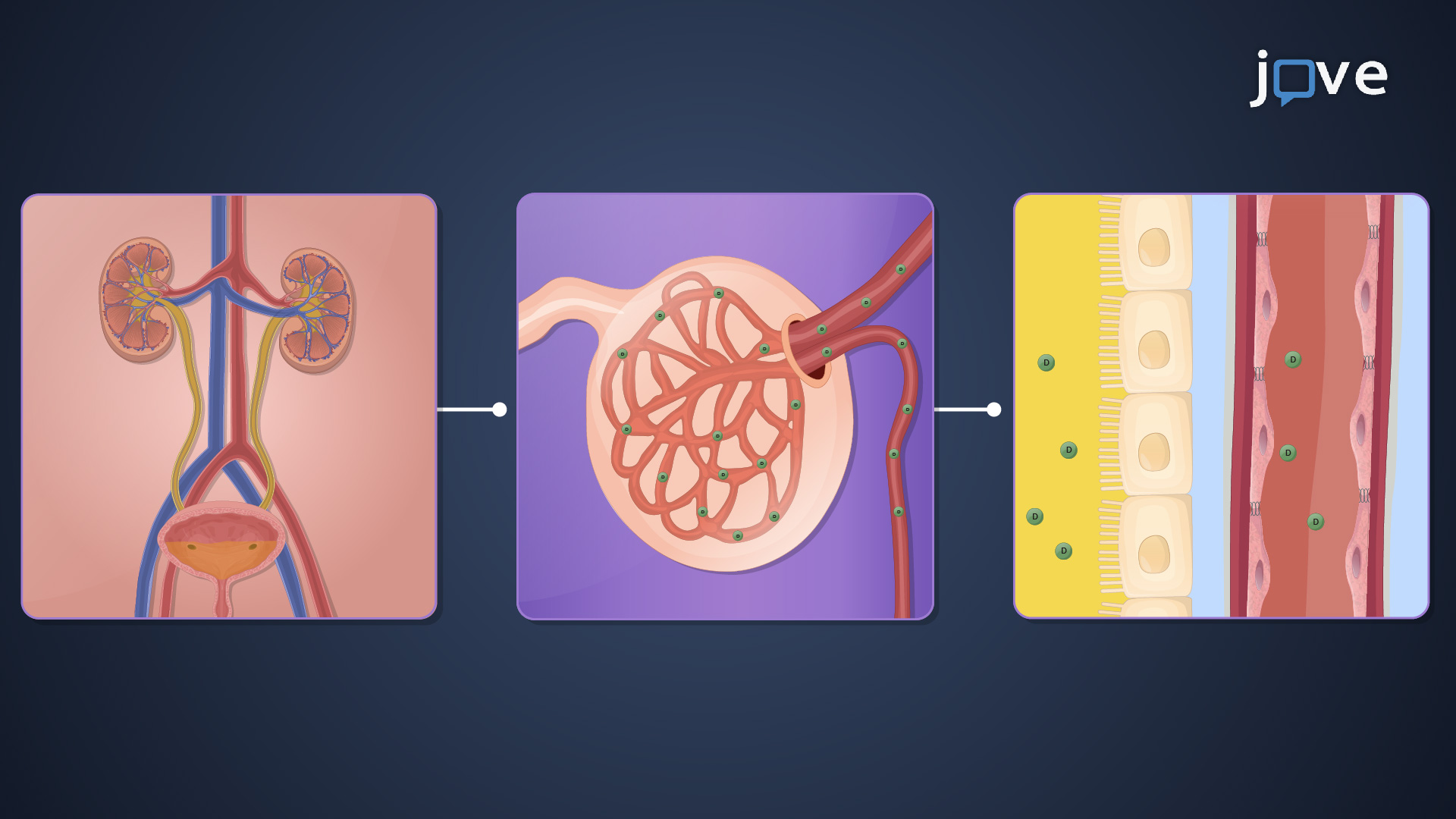
Did you know that understanding renal drug clearance comparison between different mechanisms can determine whether a patient receives the right medication dosage? Renal drug clearance comparison between explained involves analyzing how kidneys eliminate drugs through filtration, secretion, and reabsorption processes. For instance, when treating patients with kidney disease at Johns Hopkins Hospital, physicians must compare drug clearance rates to inulin's standard filtration rate. Watch the full video on JoVE Coach to master this concept with expert-led visuals and step-by-step explanations.
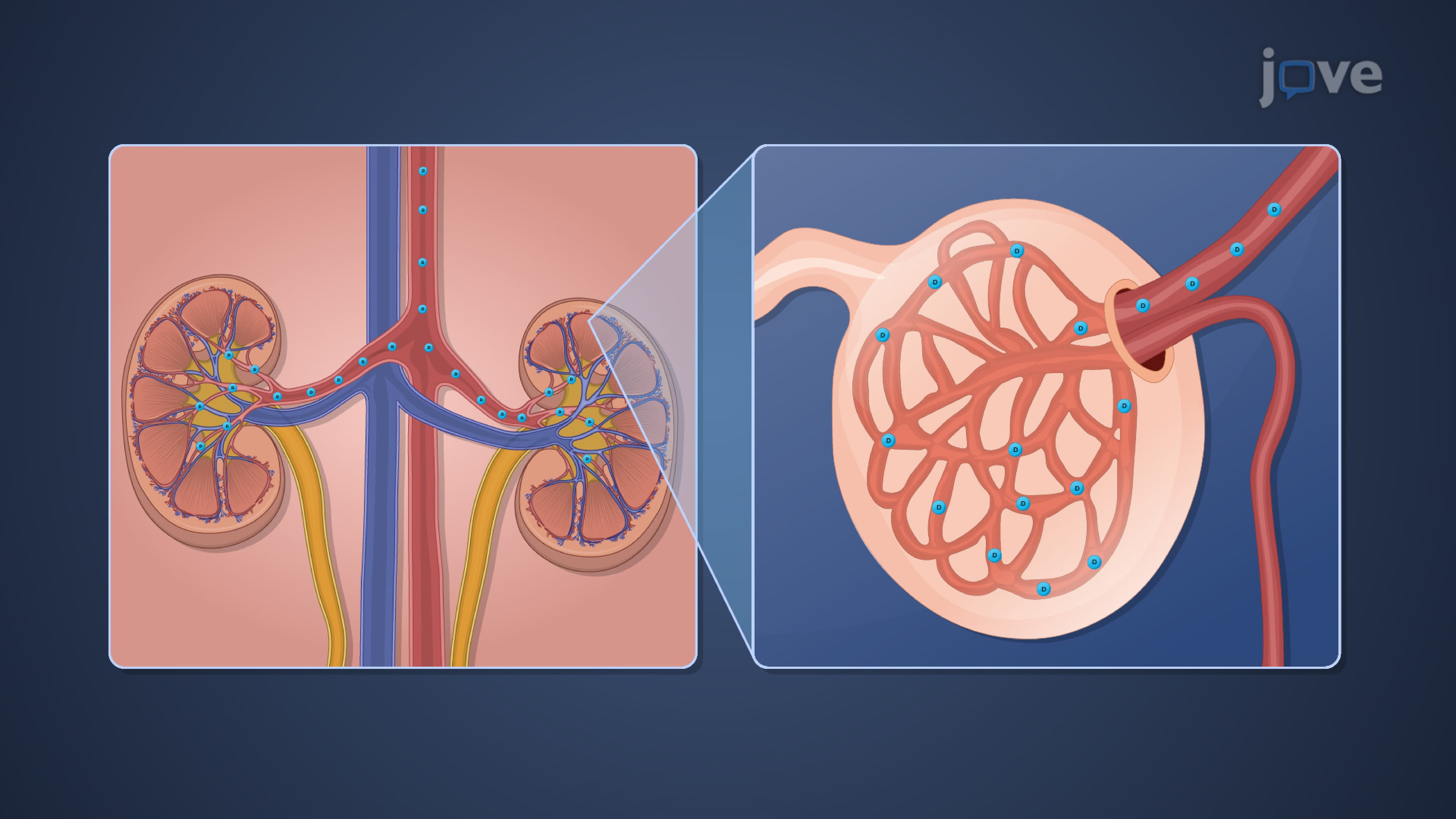
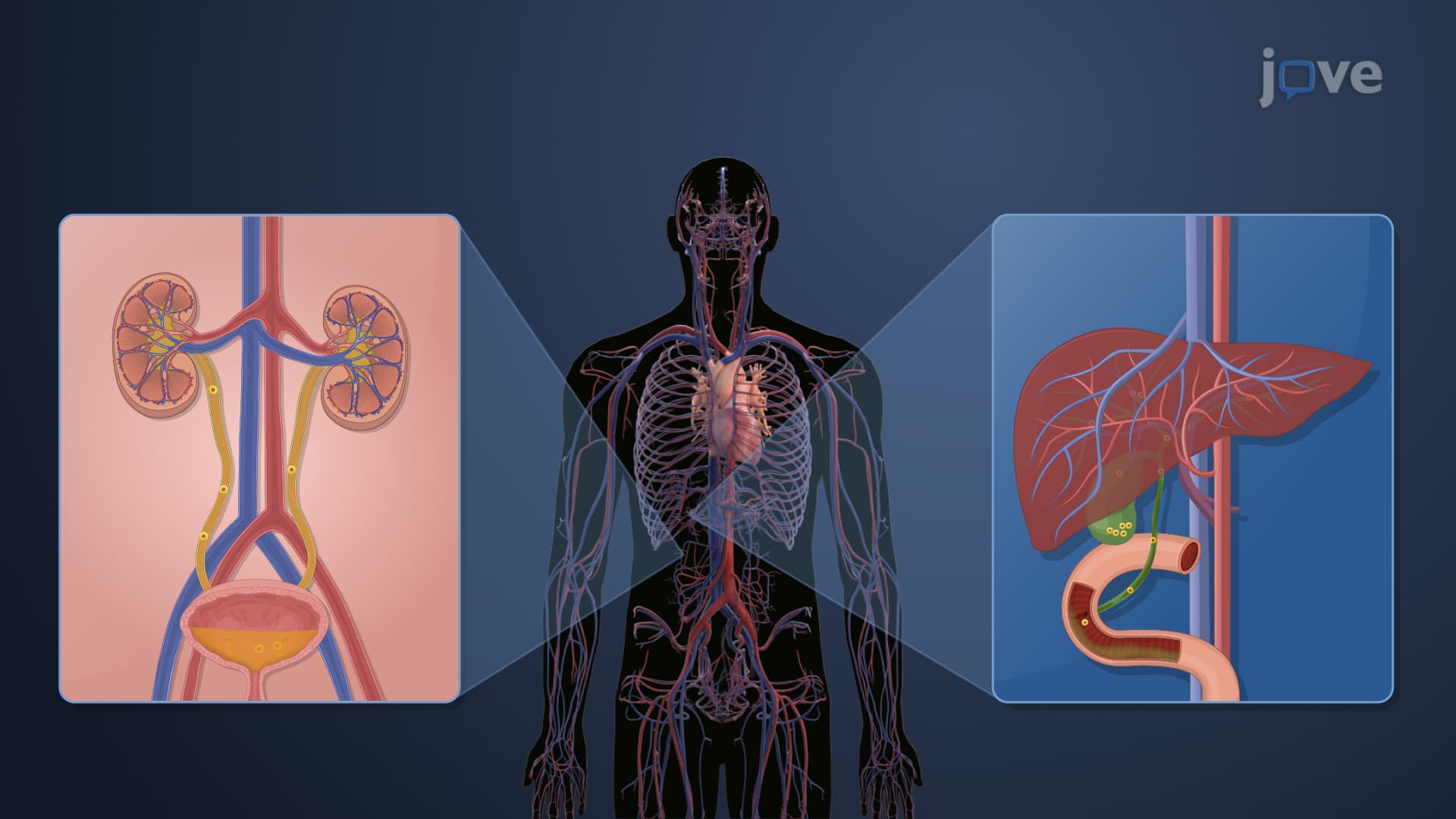
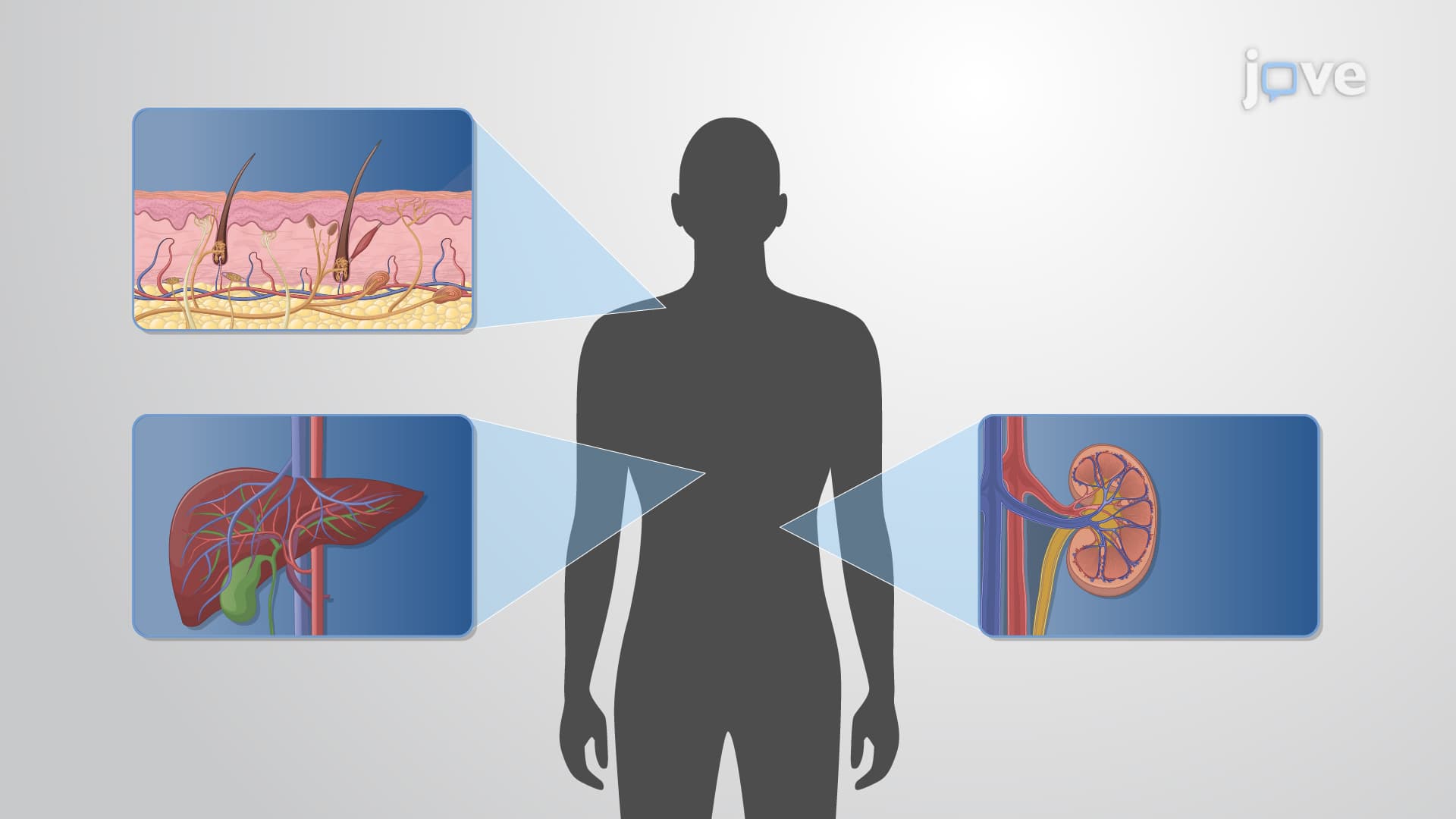
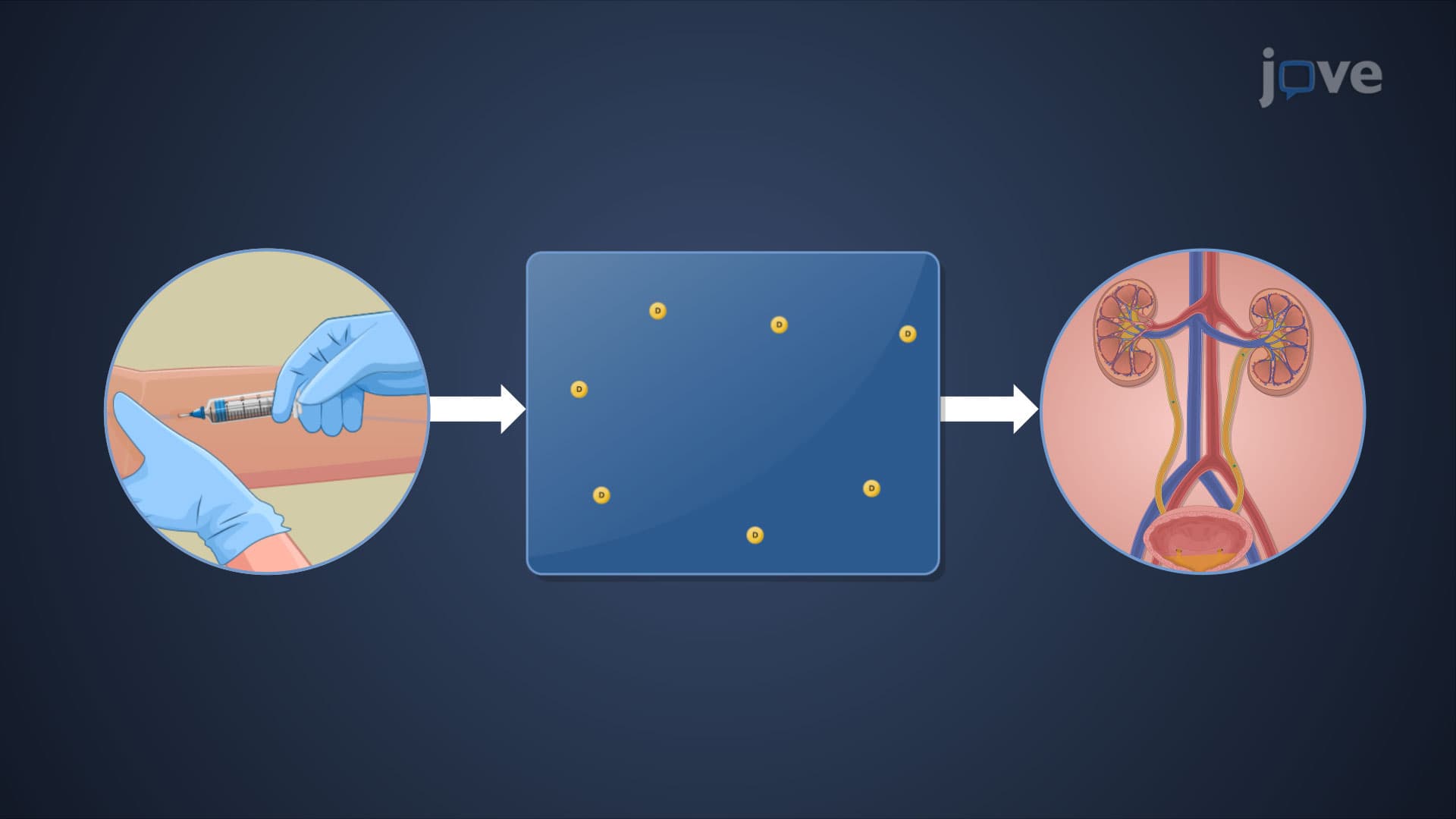
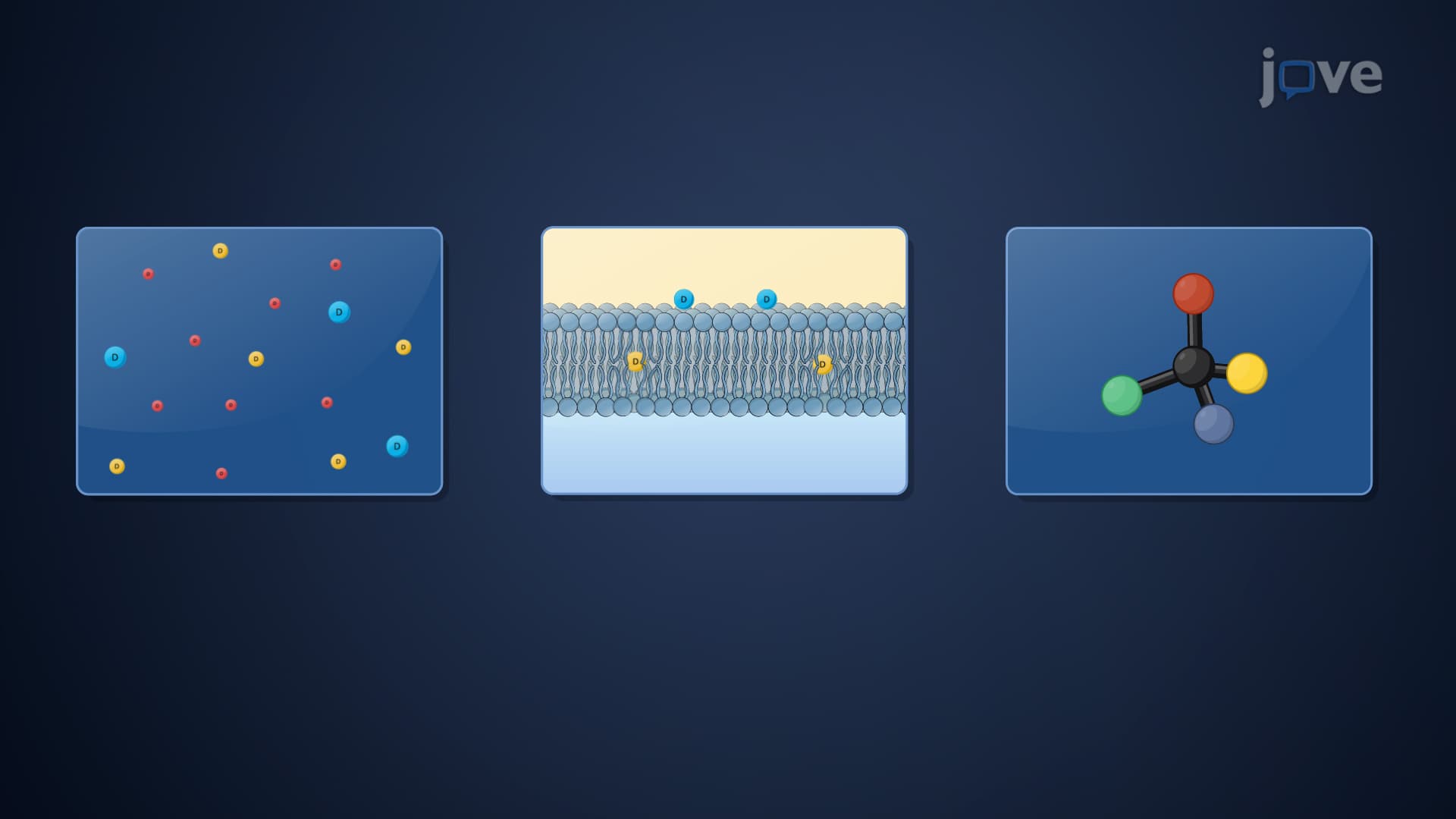
Renal drug clearance represents a fundamental concept in pharmacology that determines how effectively the kidneys remove medications from the bloodstream. This process involves three distinct mechanisms working together: glomerular filtration, active tubular secretion, and passive tubular reabsorption. Understanding these pathways is crucial for medical professionals and students preparing for exams like the MCAT, USMLE, or college pharmacology courses.
Healthcare professionals use inulin as the benchmark for measuring pure glomerular filtration because this substance undergoes complete filtration without any secretion or reabsorption. When a drug's renal clearance equals inulin clearance (approximately 120 mL/min in healthy adults), it indicates the medication is eliminated solely through filtration. For example, the antibiotic gentamicin closely mirrors inulin clearance, making it an excellent marker for kidney function assessment in American hospitals.
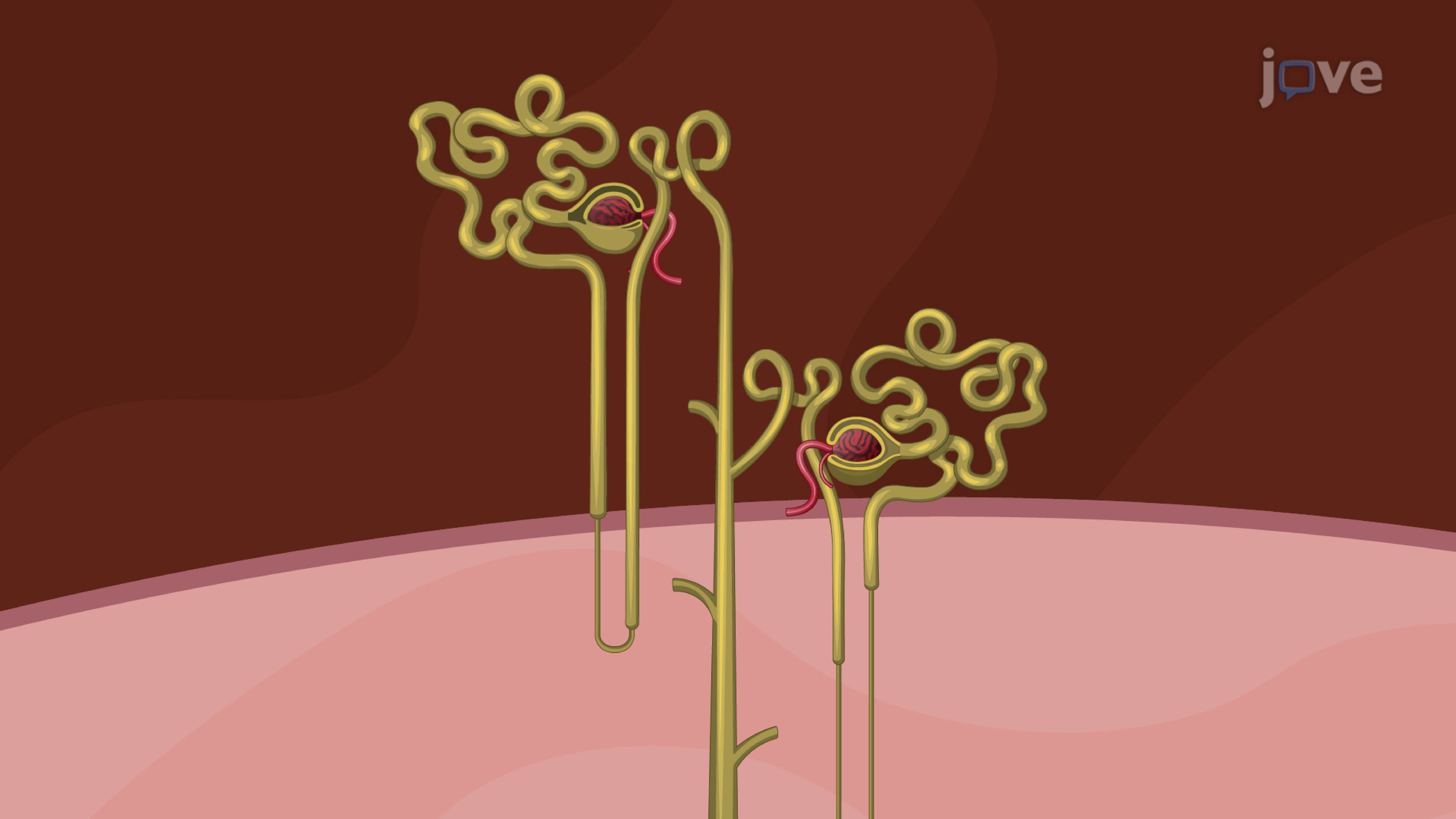
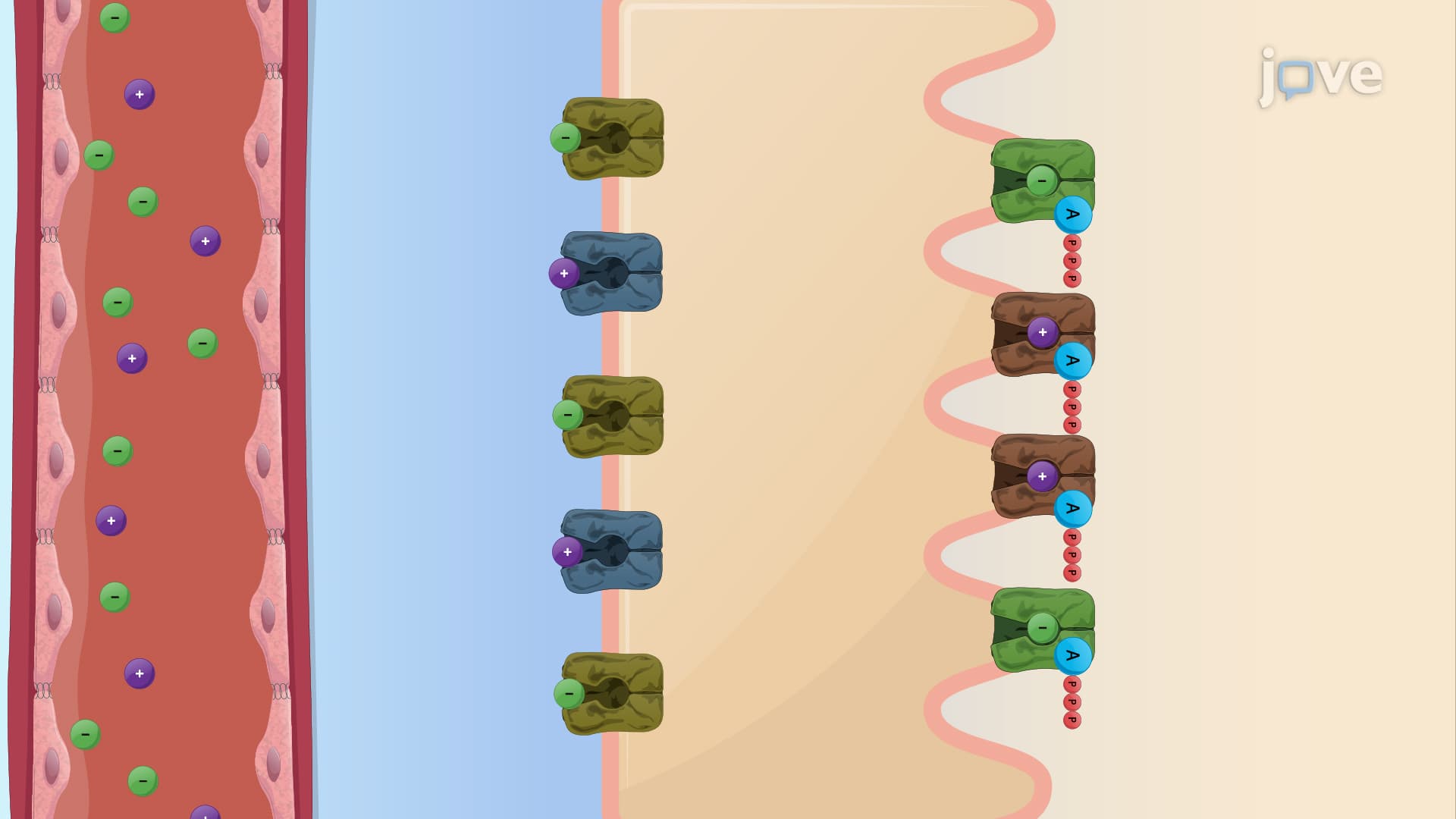
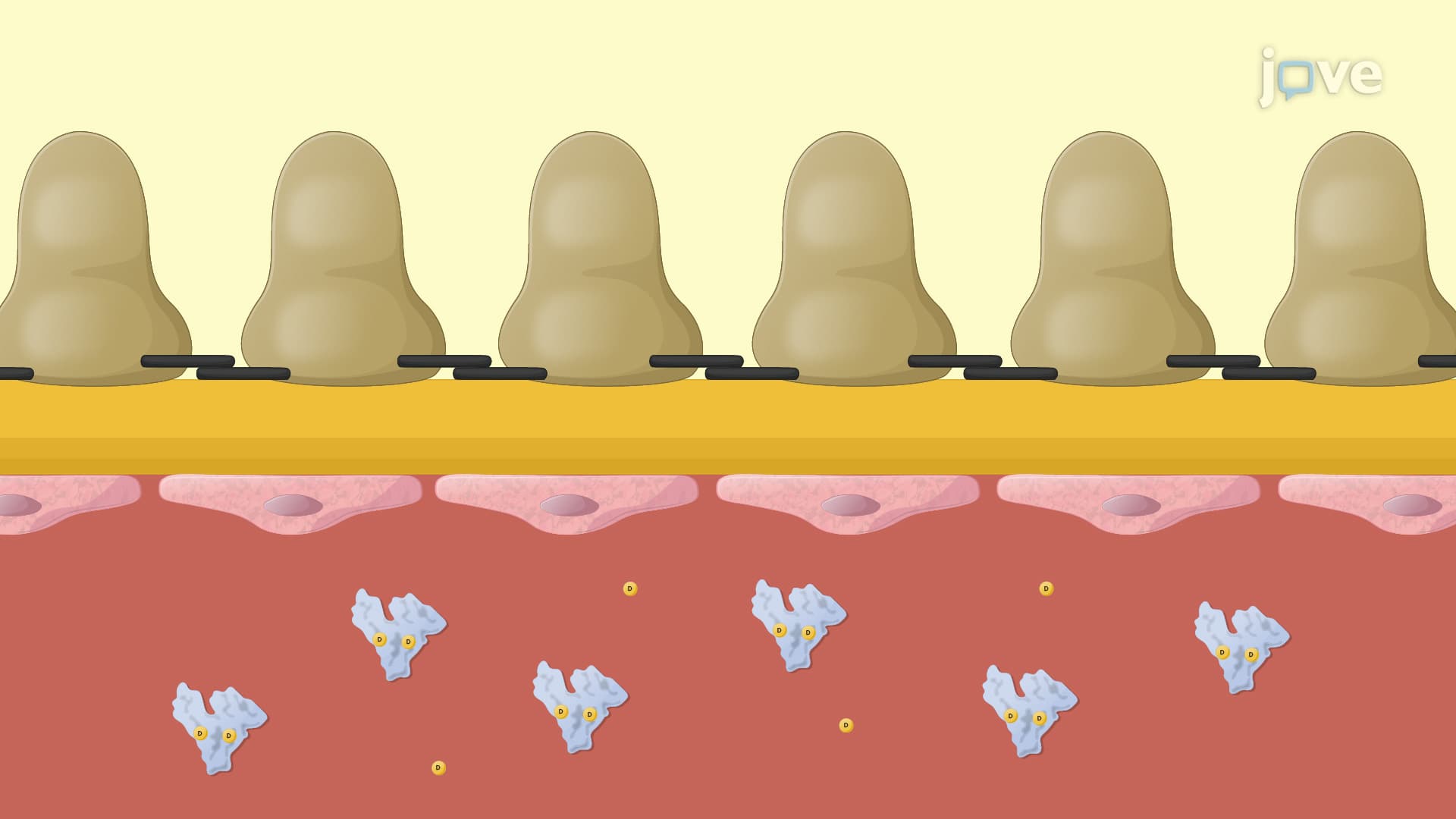
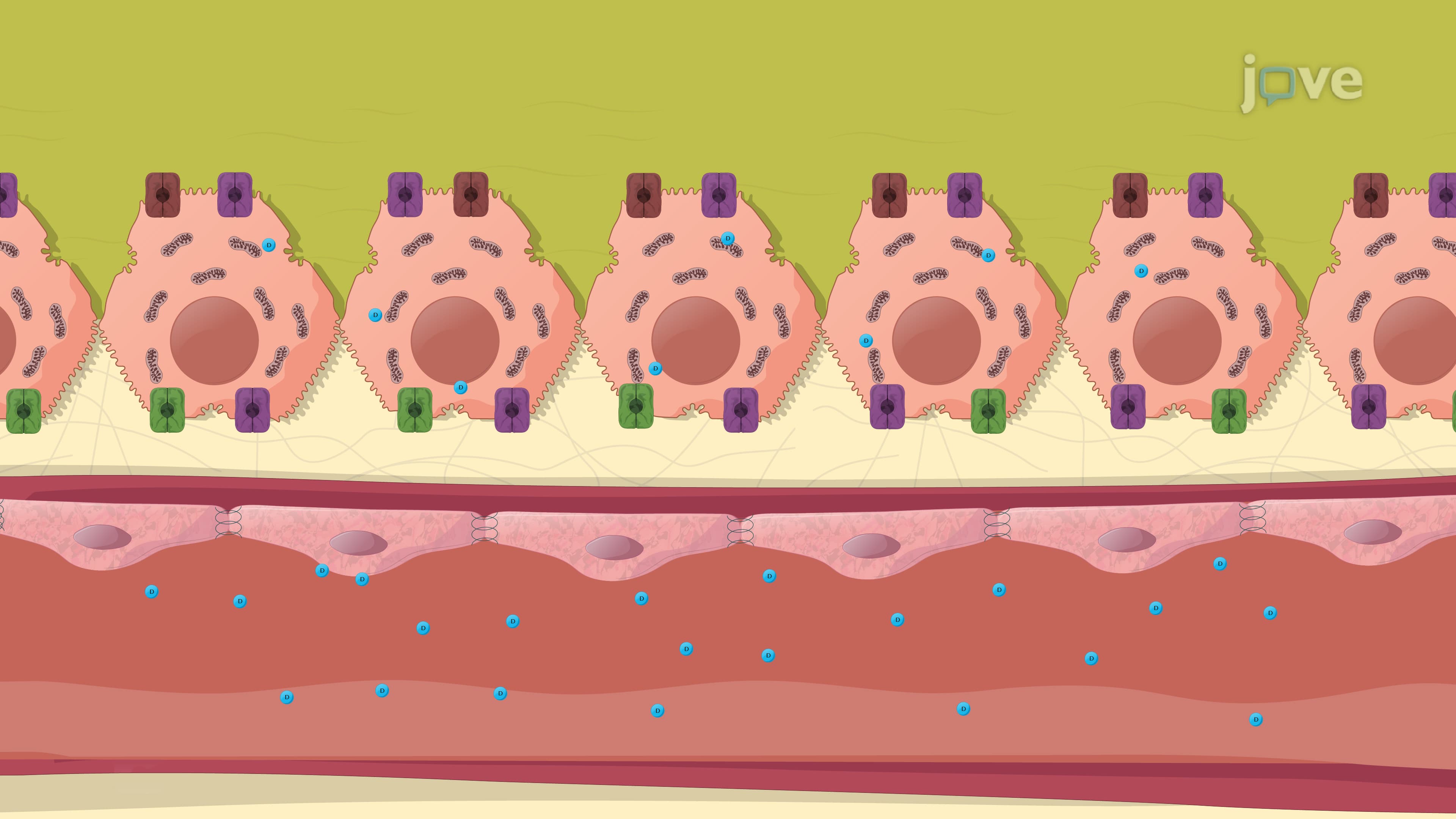
When drug clearance exceeds the glomerular filtration rate, active tubular secretion is occurring. Para-aminohippuric acid (PAH) demonstrates this principle perfectly, with clearance rates reaching 650 mL/min-far exceeding normal GFR. This elevated clearance indicates that specialized transport proteins in the proximal tubules actively pump the substance from blood into urine. Common medications like furosemide and penicillin exhibit similar secretion patterns, requiring careful dosing considerations.
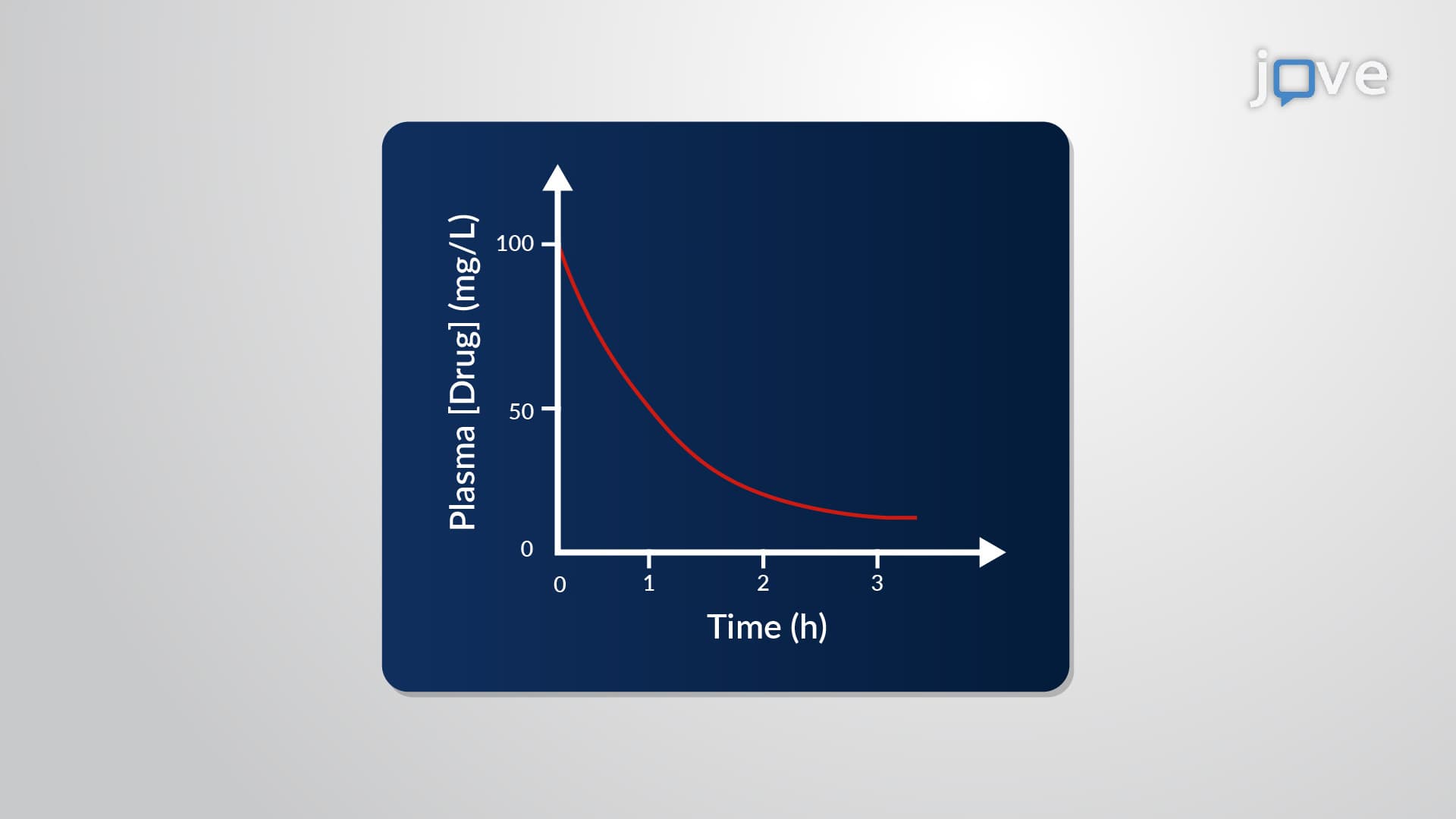
At therapeutic doses, many drugs maintain constant clearance rates through linear elimination. However, at higher concentrations, active transport systems become saturated, following Michaelis-Menten kinetics. This saturation explains why some medications require different dosing strategies at various concentration levels. For instance, the diabetes medication metformin shows decreased renal clearance at higher doses due to transporter saturation, influencing prescribing guidelines in American clinical practice.
Understanding these concepts proves essential for AP Biology students, pre-med undergraduates, and nursing students taking the NCLEX or HESI A2 exams, where renal physiology frequently appears in pharmacology sections.
Related Micro-courses