Loading video…


 25 Concepts
 13.6K views

Video Summary: What Is Clearance Models Compartment Models
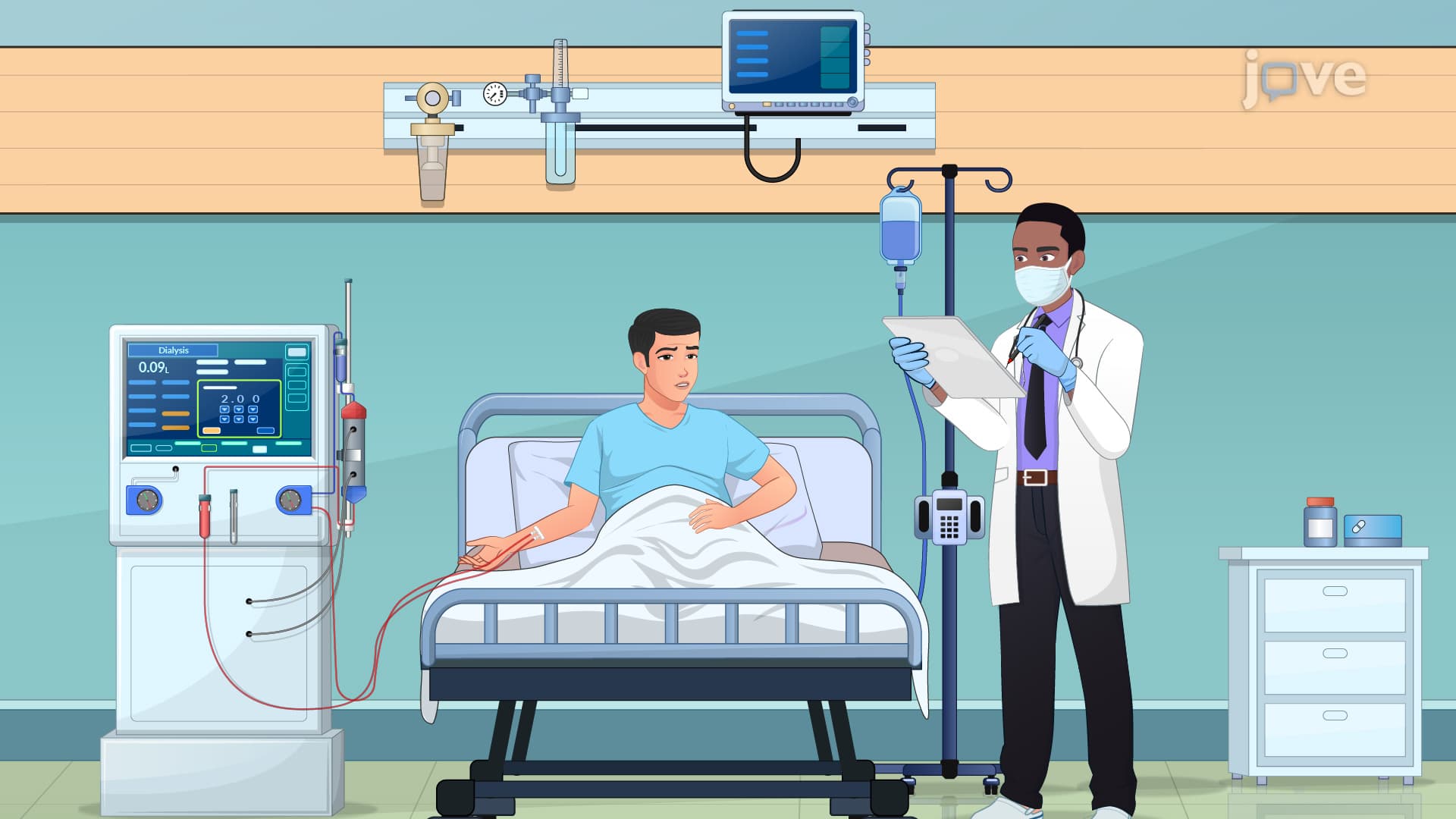
Ever wonder how doctors determine the right dosage of vancomycin for a hospital patient? Clearance models compartment models provide the mathematical framework that makes precise drug dosing possible by tracking how medications move through different body spaces. These models help predict whether a drug like the antibiotic vancomycin will reach therapeutic levels in tissues while avoiding toxic accumulation in the bloodstream. Watch the full video on JoVE Coach to master this concept with expert-led visuals and step-by-step explanations.
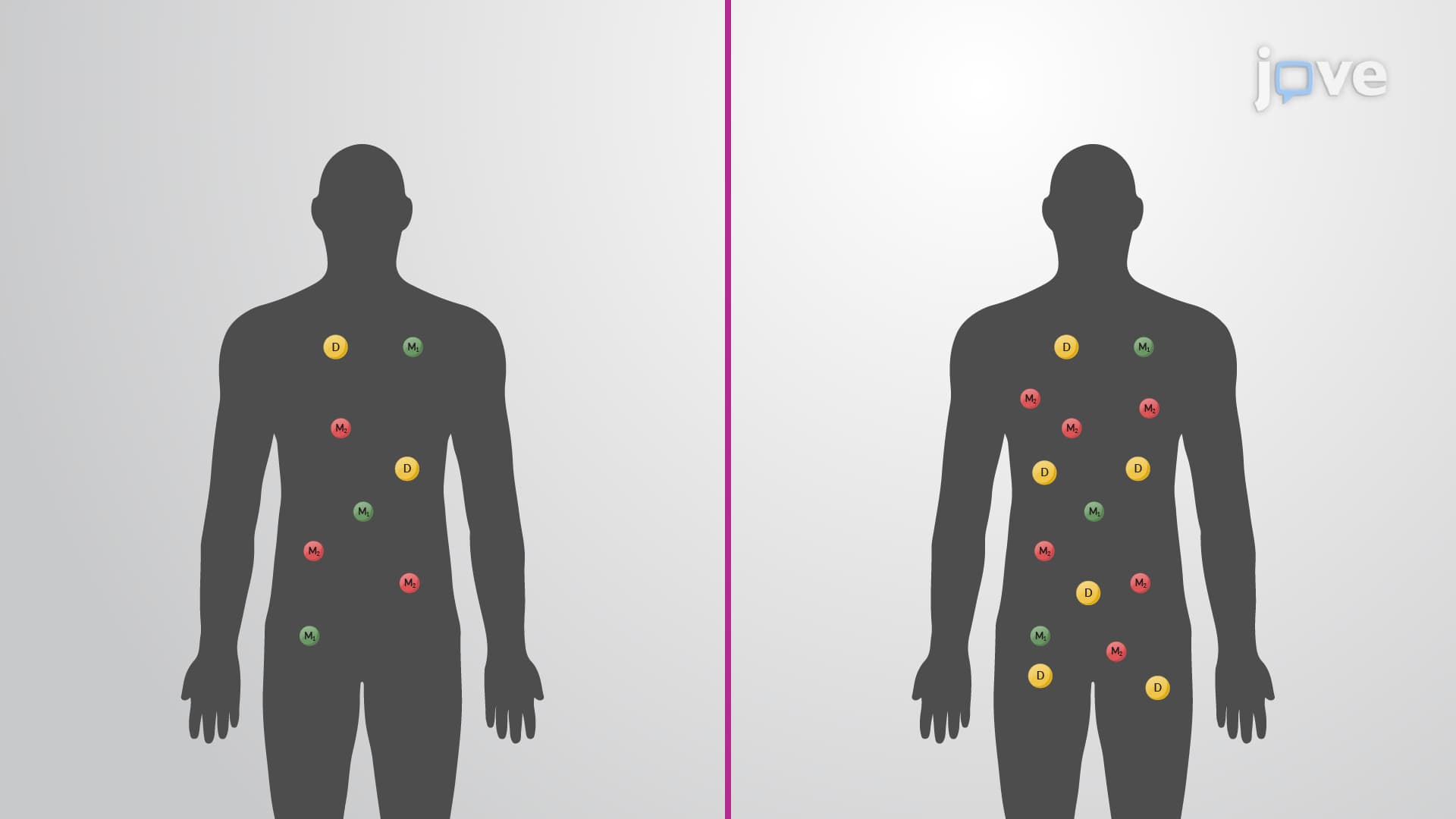
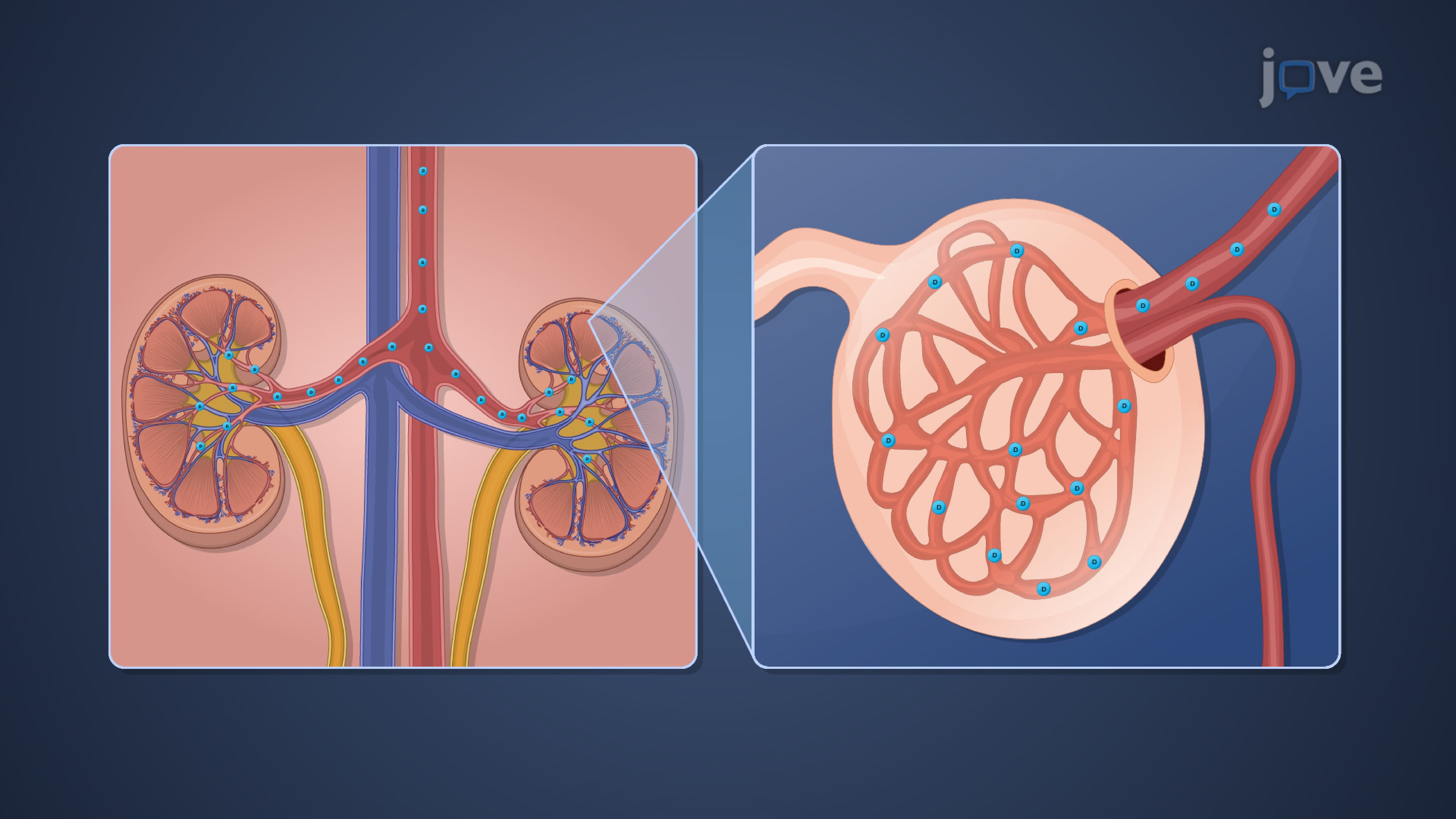
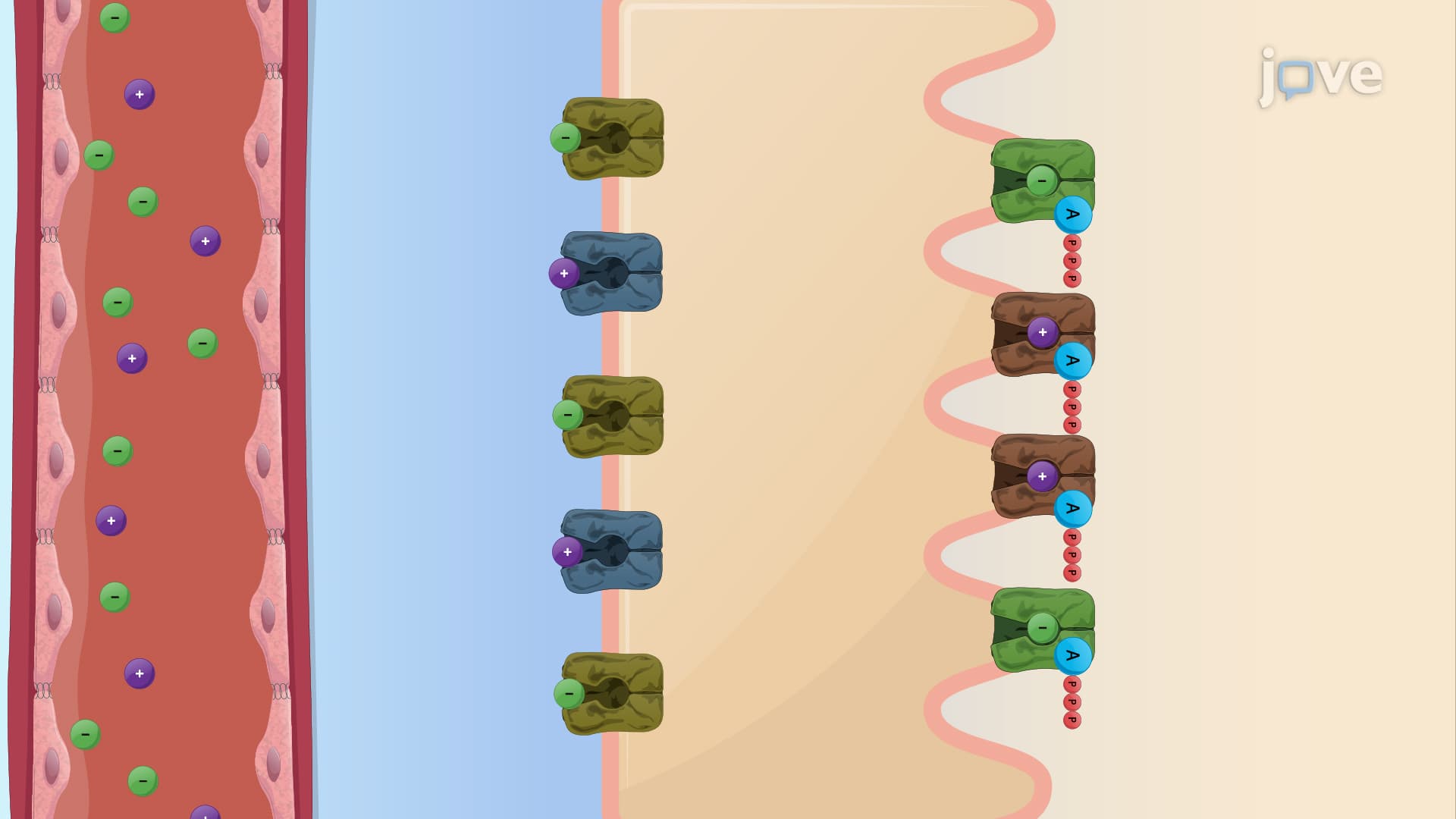
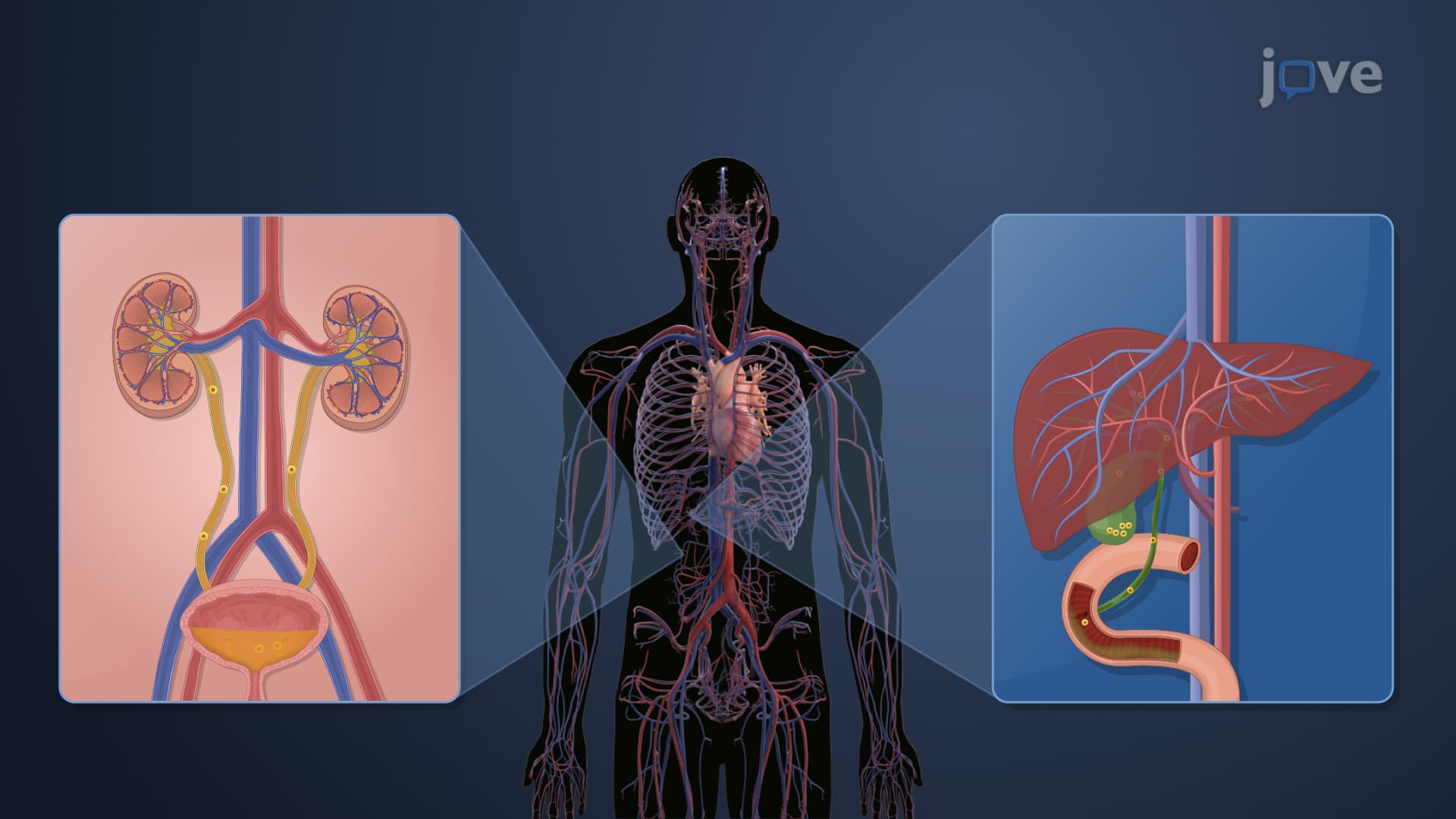
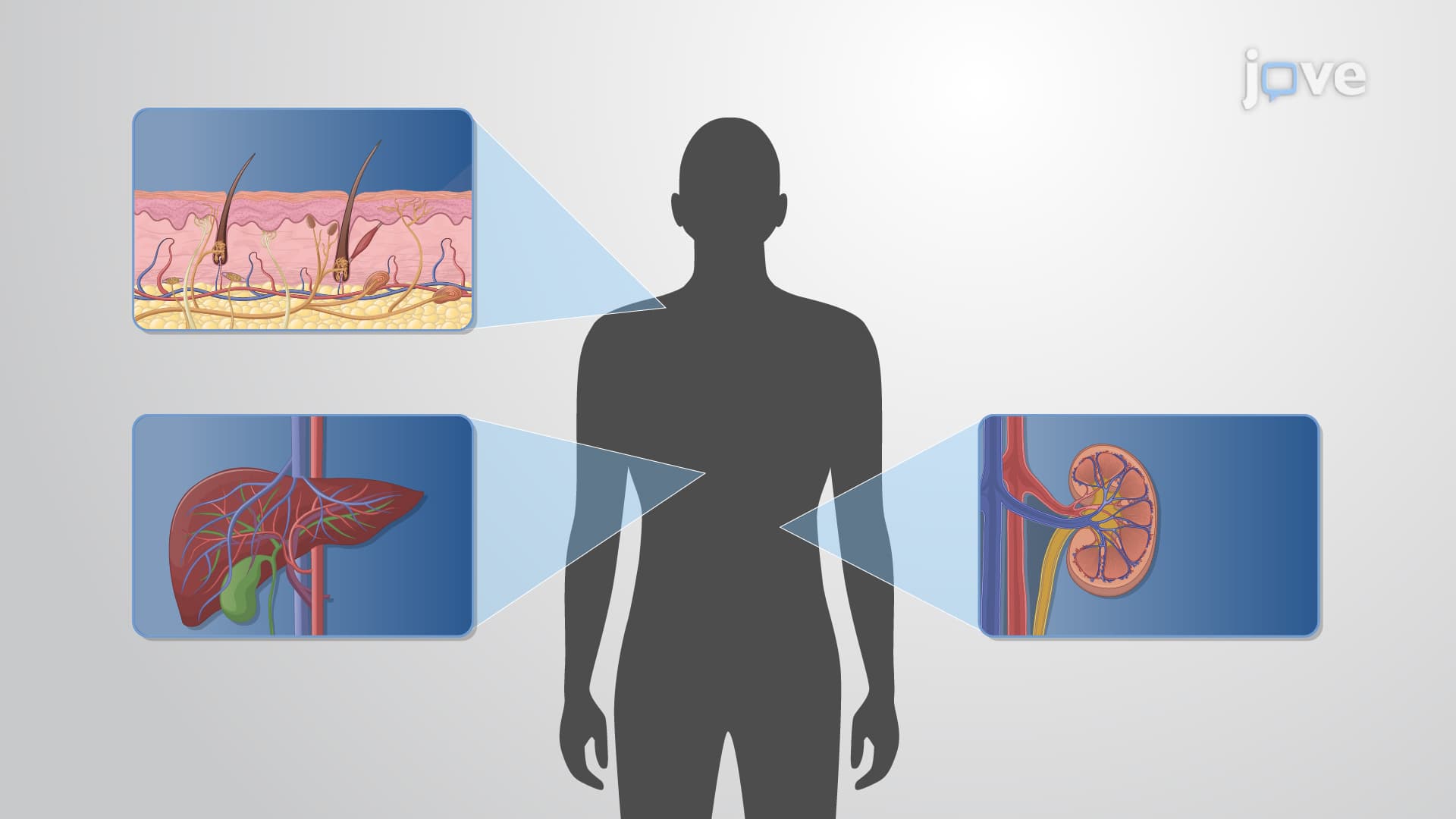
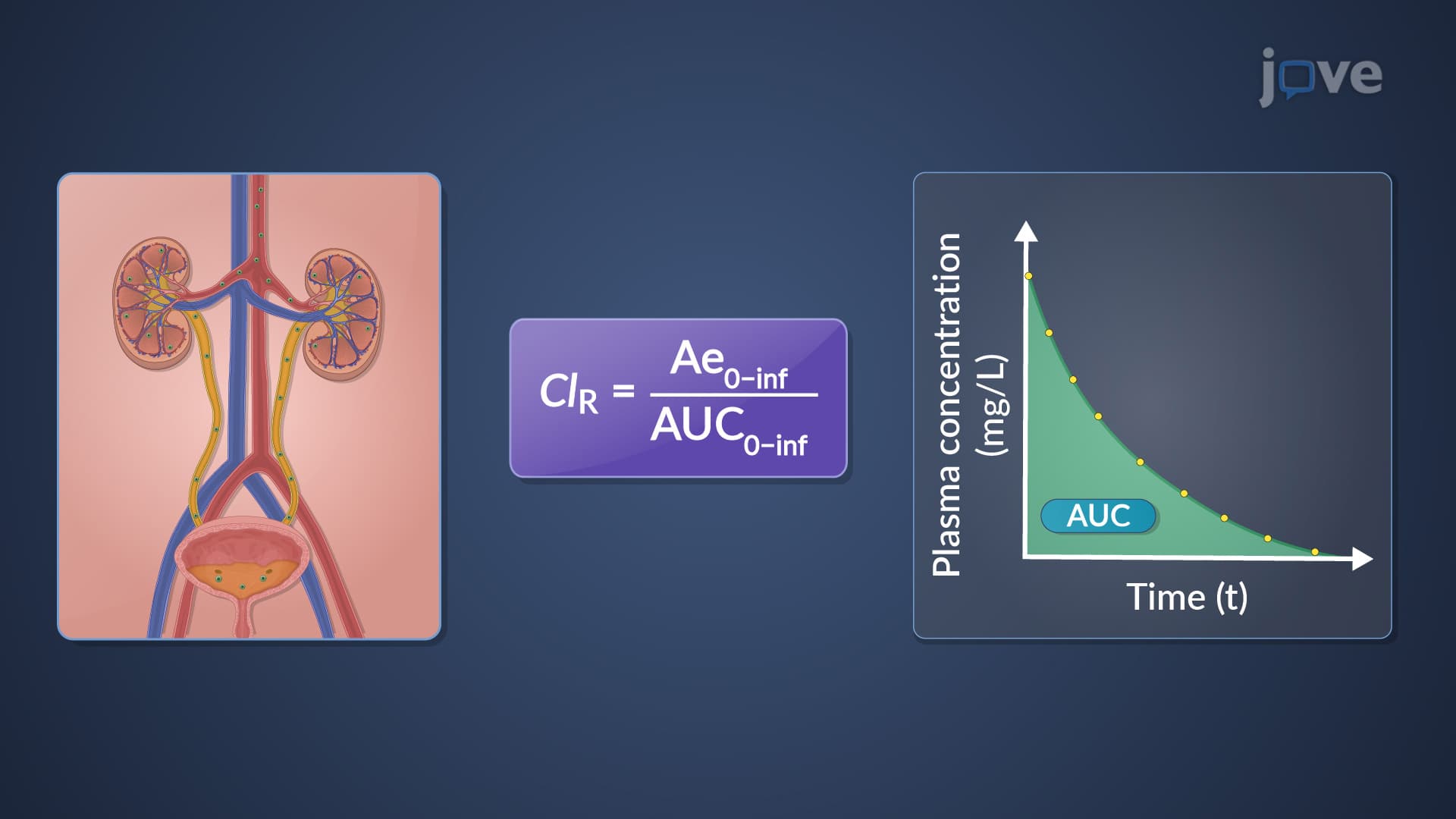
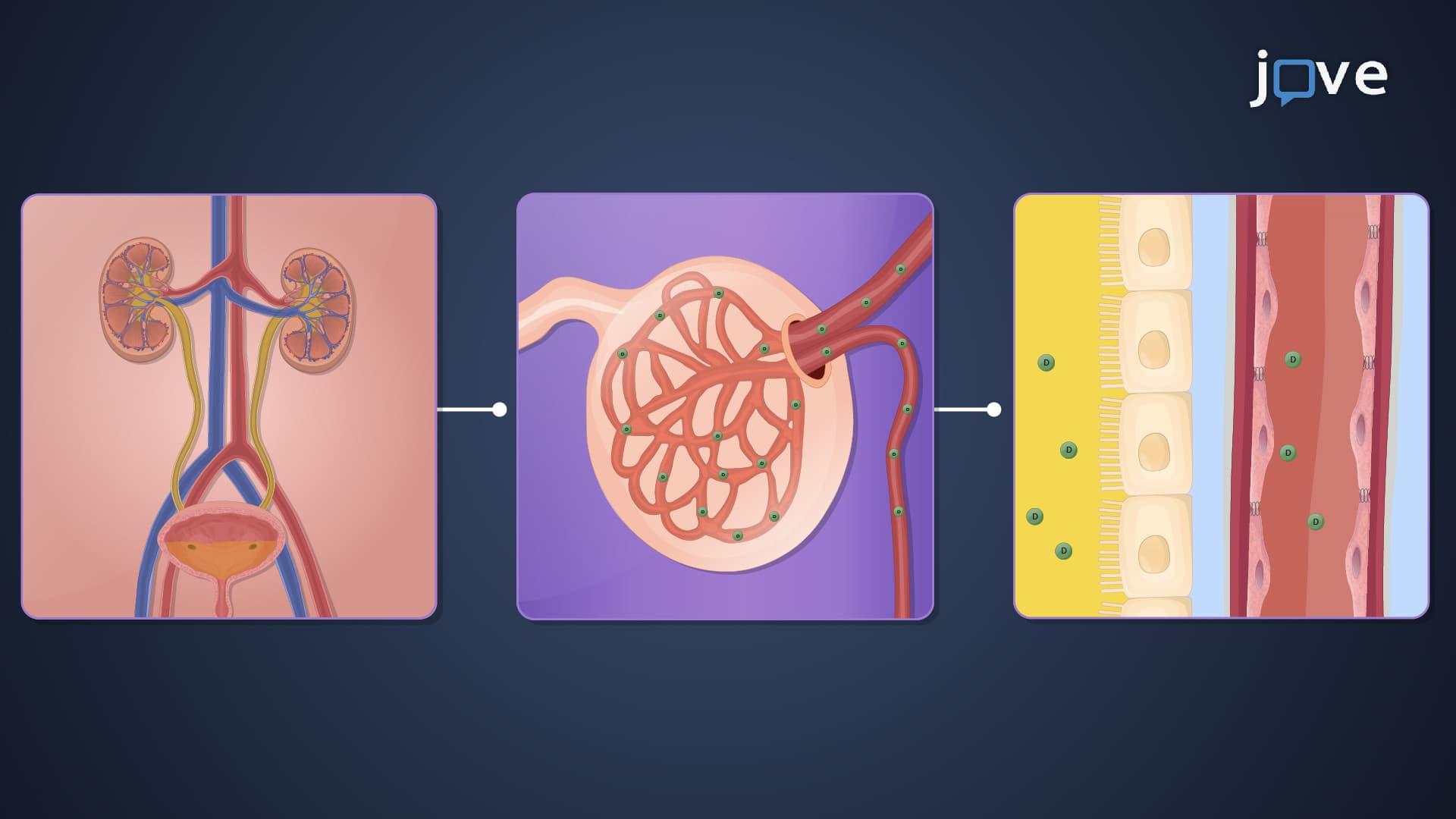
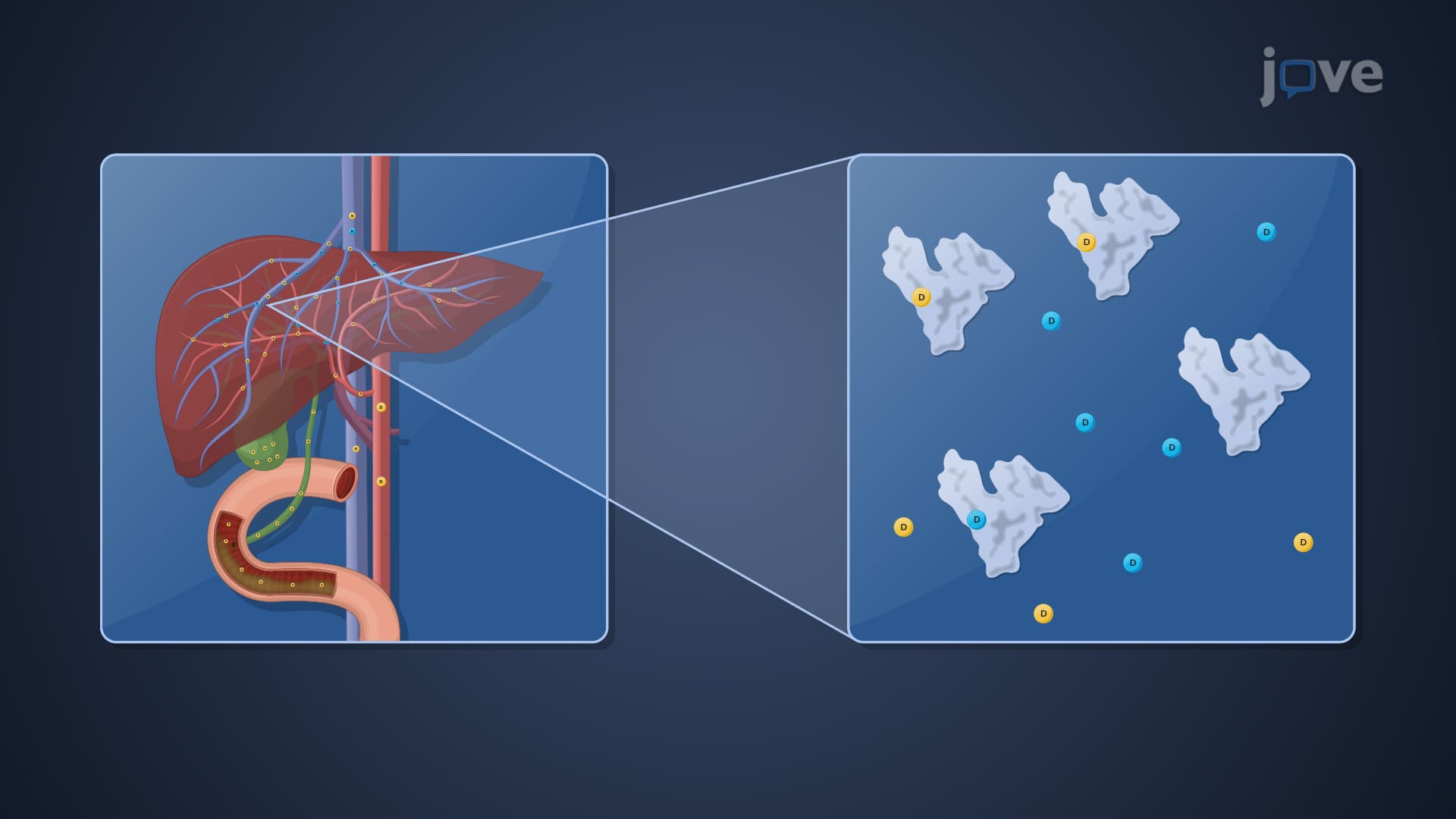
Clearance models compartment models serve as the mathematical foundation for predicting how drugs move through the human body and get eliminated over time. These models divide the body into theoretical spaces or "compartments" that help clinicians and researchers understand drug distribution and clearance patterns. The central compartment represents plasma and well-perfused organs like the liver and kidneys, where drug elimination primarily occurs.
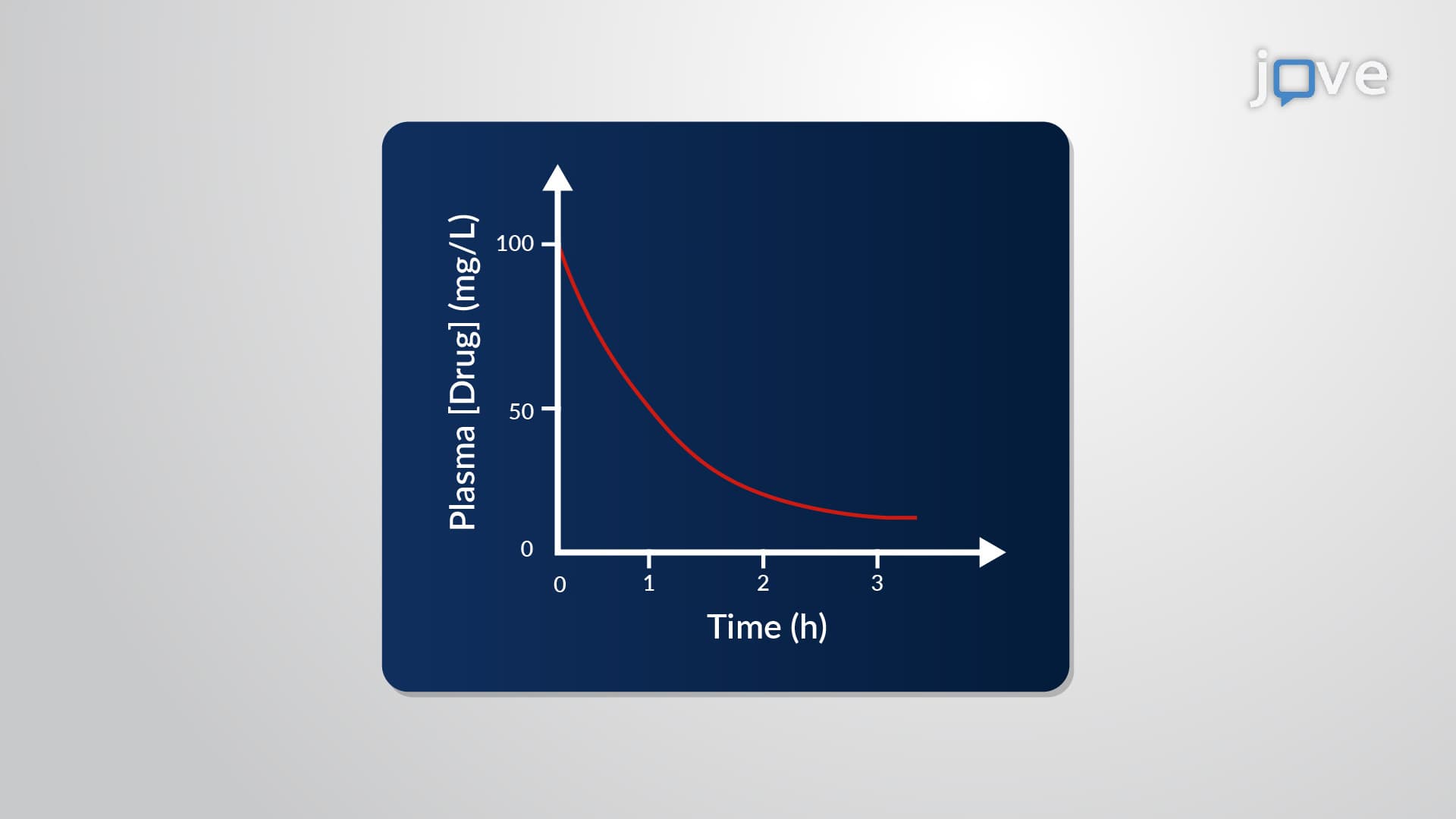
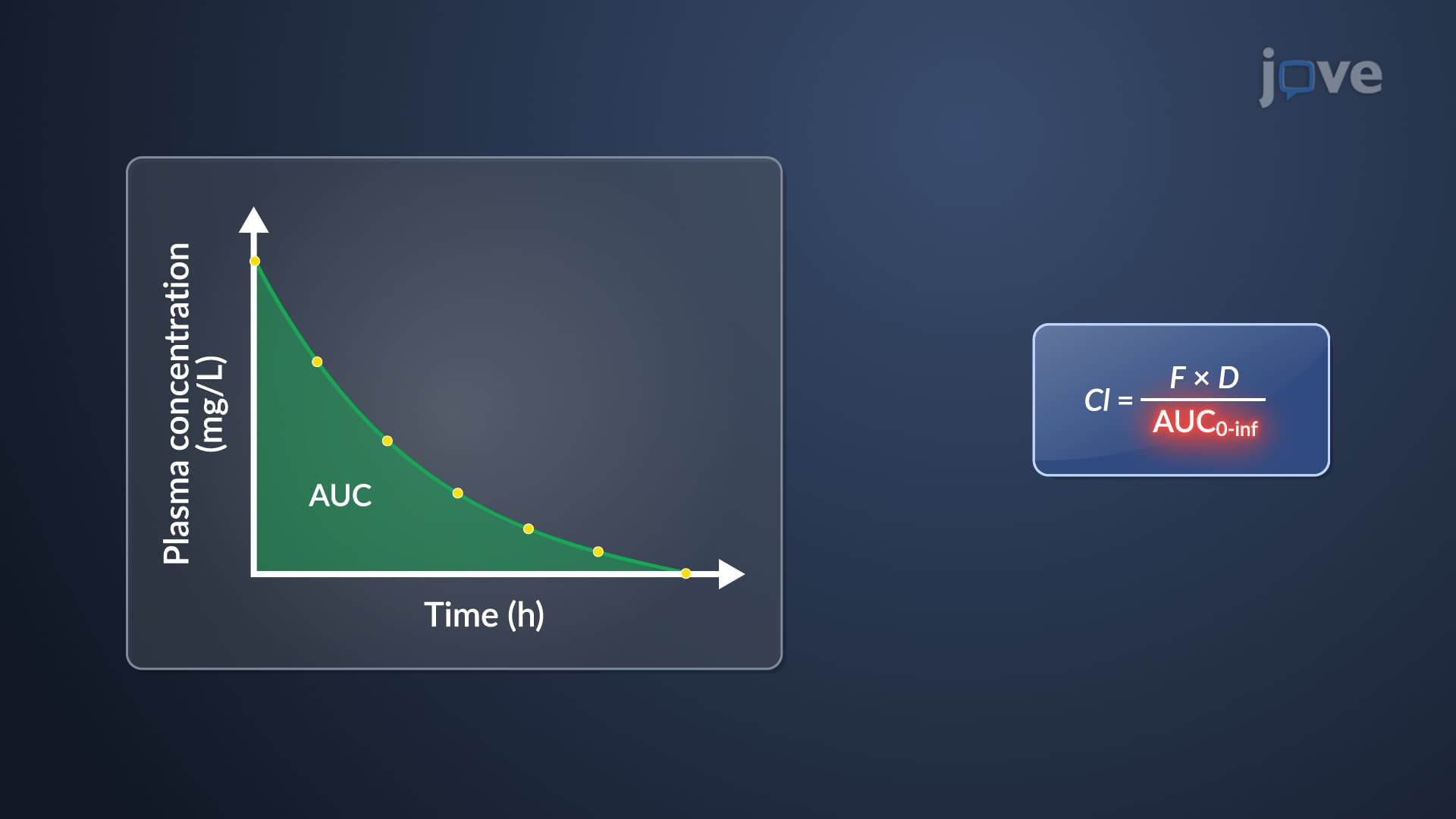
The one-compartment model works best for highly polar, water-soluble drugs that distribute quickly and uniformly throughout the body. Aminoglycoside antibiotics like gentamicin exemplify this model perfectly. When administered intravenously in US hospitals, these drugs rapidly equilibrate between plasma and tissues, making their pharmacokinetics predictable using a single compartment. The clearance formula becomes straightforward: Clearance = k × Vss, where k represents the terminal elimination rate constant and Vss is the steady-state volume of distribution.
Students preparing for the MCAT or pharmacy school entrance exams should remember that this model assumes immediate distribution, which explains why it works well for drugs that don't significantly accumulate in specific tissues. The flip-flop phenomenon becomes crucial here-when oral absorption occurs slower than elimination, the apparent terminal rate constant actually reflects absorption kinetics rather than elimination, potentially confusing clearance calculations.
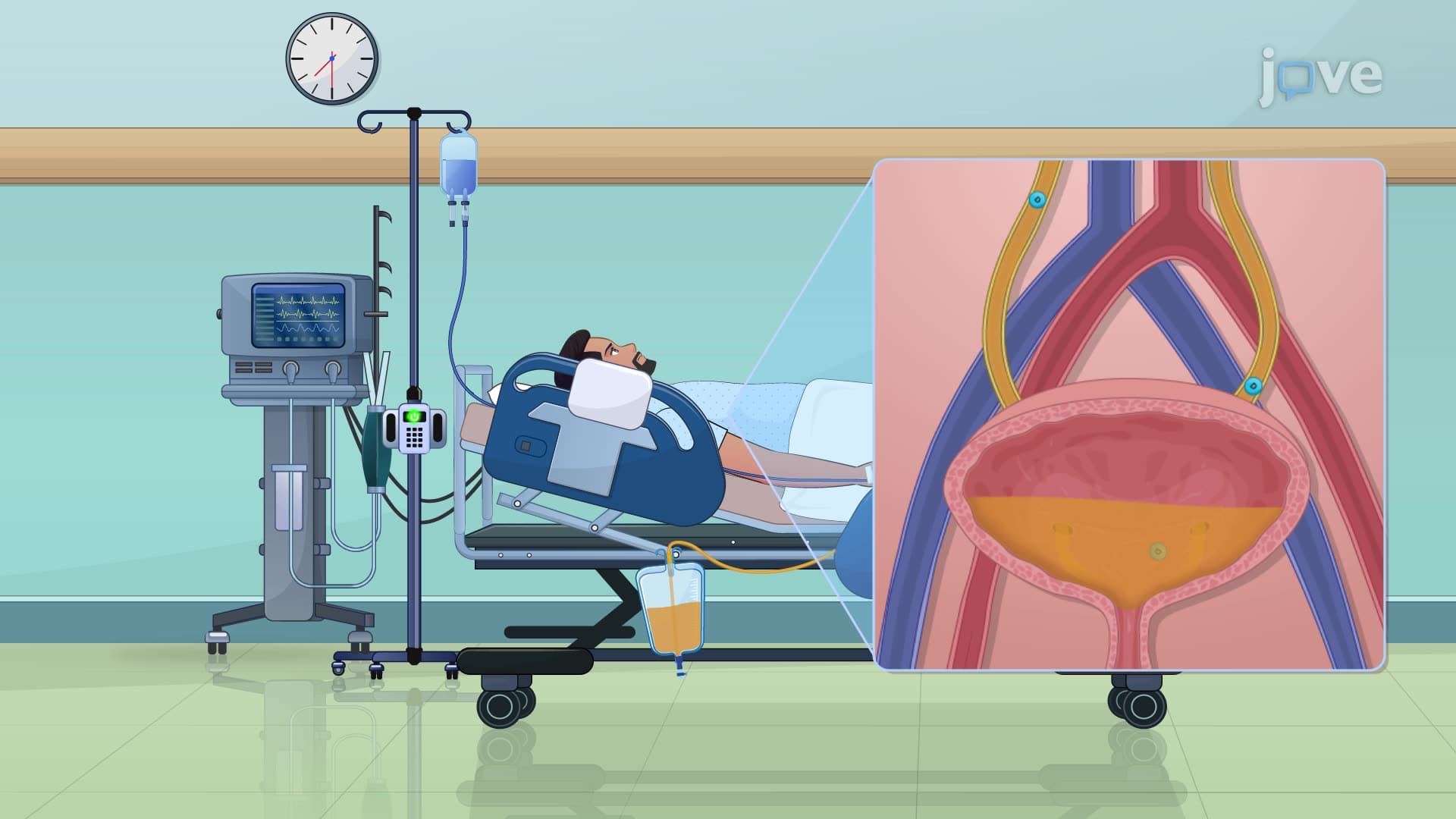
More complex drugs require the two-compartment model, which accounts for initial distribution to well-perfused organs followed by slower distribution to poorly perfused tissues. Vancomycin, a critical antibiotic used in US intensive care units for methicillin-resistant Staphylococcus aureus (MRSA) infections, demonstrates classic two-compartment behavior. After IV administration, vancomycin rapidly distributes to the central compartment before slowly penetrating peripheral tissues.
This model introduces distributional clearance-the theoretical volume of central compartment blood completely cleared of drug per unit time due to distribution to peripheral compartments. For USMLE Step 1 preparation, understanding this concept helps explain why vancomycin requires loading doses followed by maintenance dosing to achieve therapeutic tissue concentrations while avoiding nephrotoxicity.
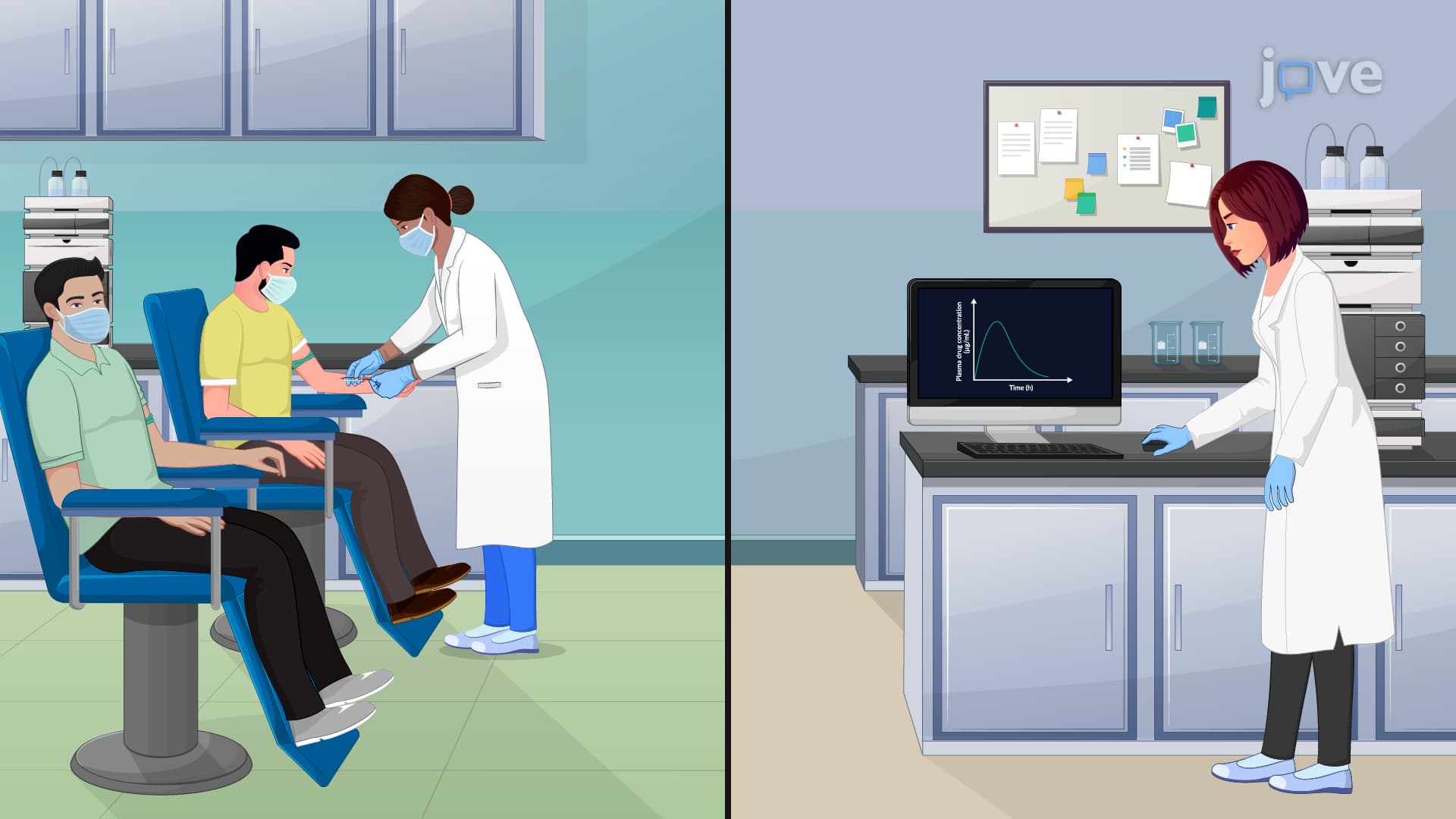
These models directly impact therapeutic drug monitoring in US healthcare settings. Hospitals routinely measure vancomycin serum levels to optimize dosing using two-compartment model principles. Similarly, aminoglycoside dosing protocols rely on one-compartment model predictions to prevent ototoxicity and nephrotoxicity. Students encountering these concepts in pharmacology courses should focus on matching drug properties to appropriate models rather than memorizing complex equations.
Related Micro-courses