Loading video…


 25 Concepts
 13.6K views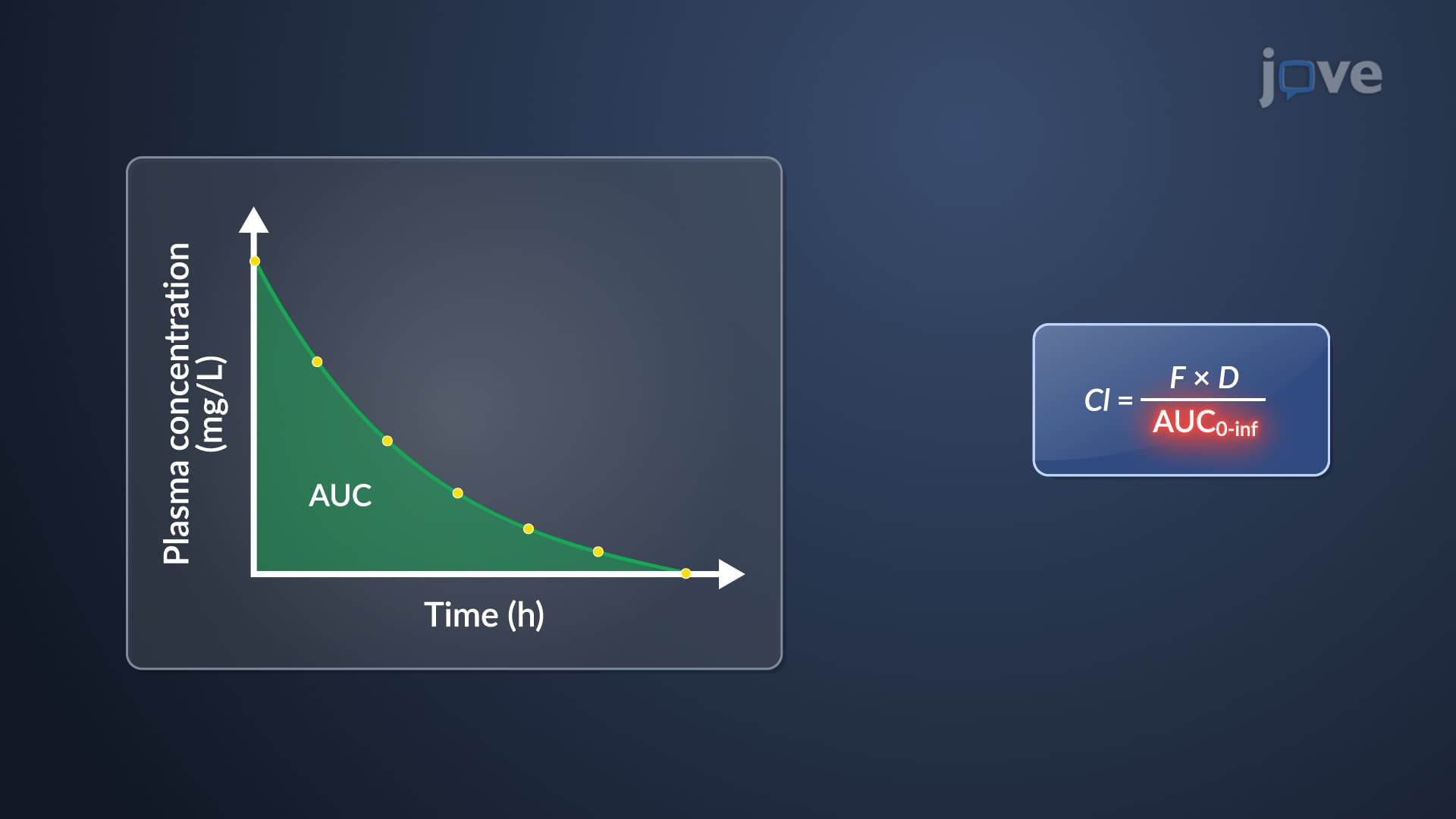

Video Summary: What Is Clearance Models Noncompartmental Models
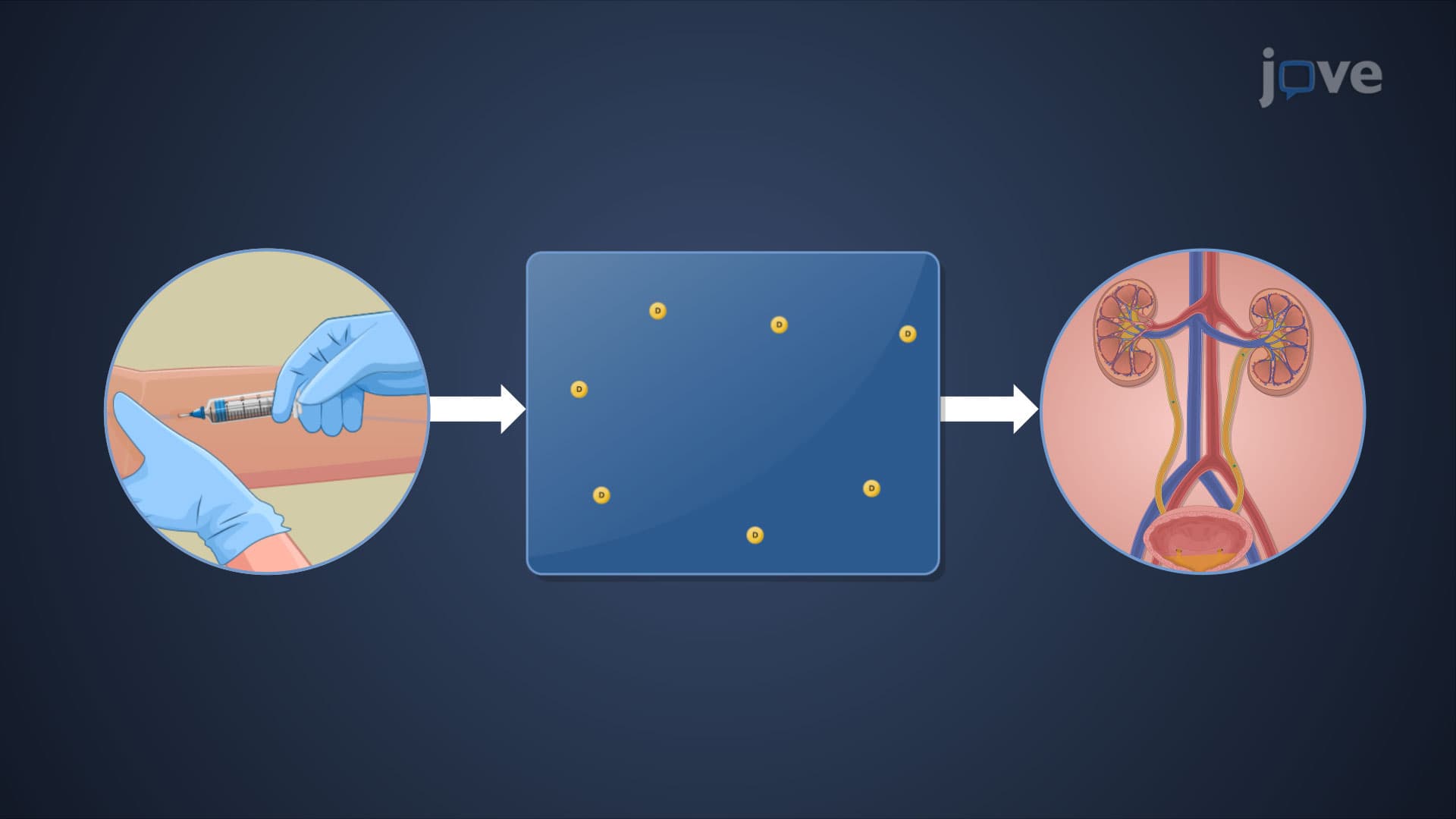
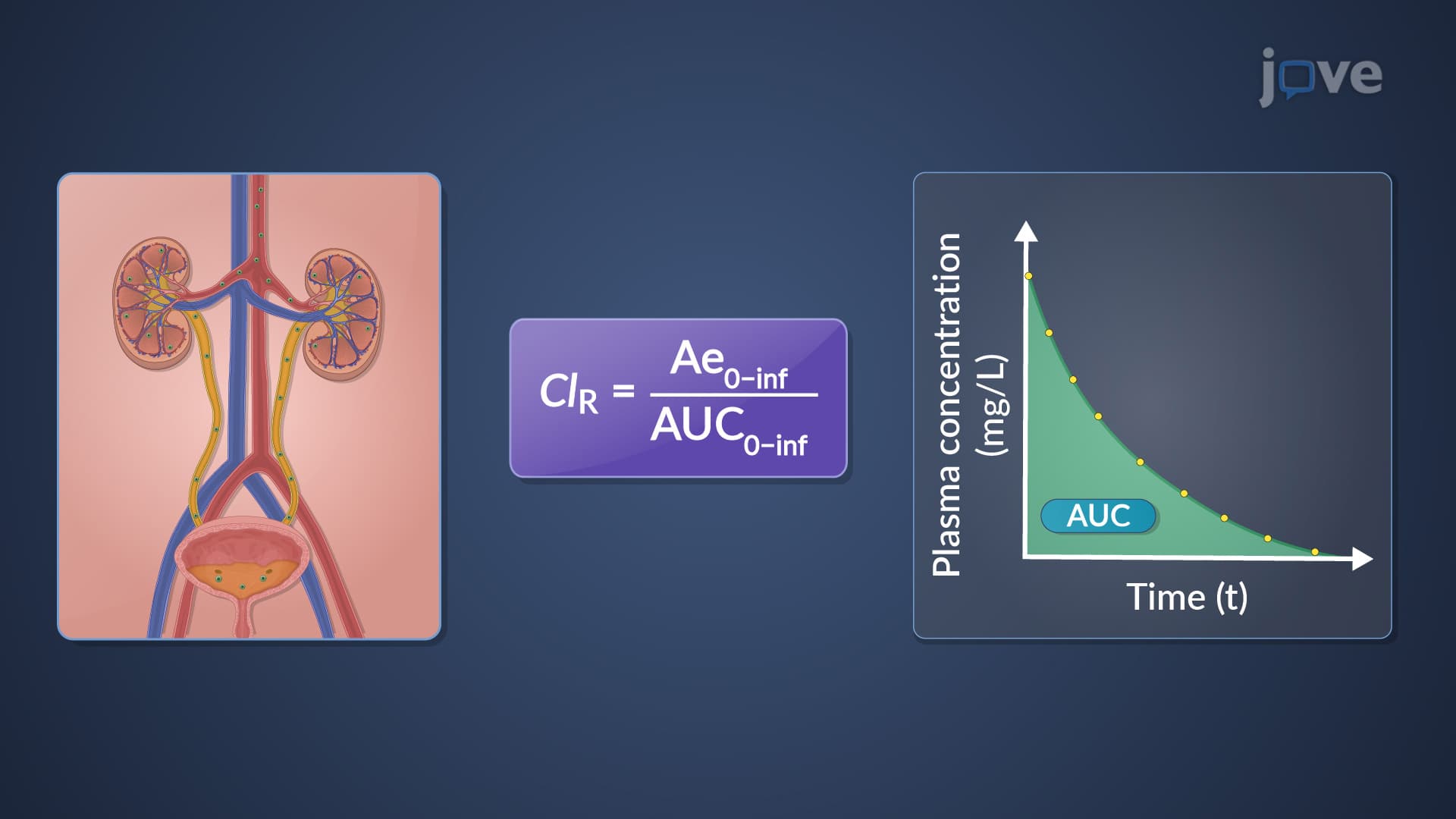
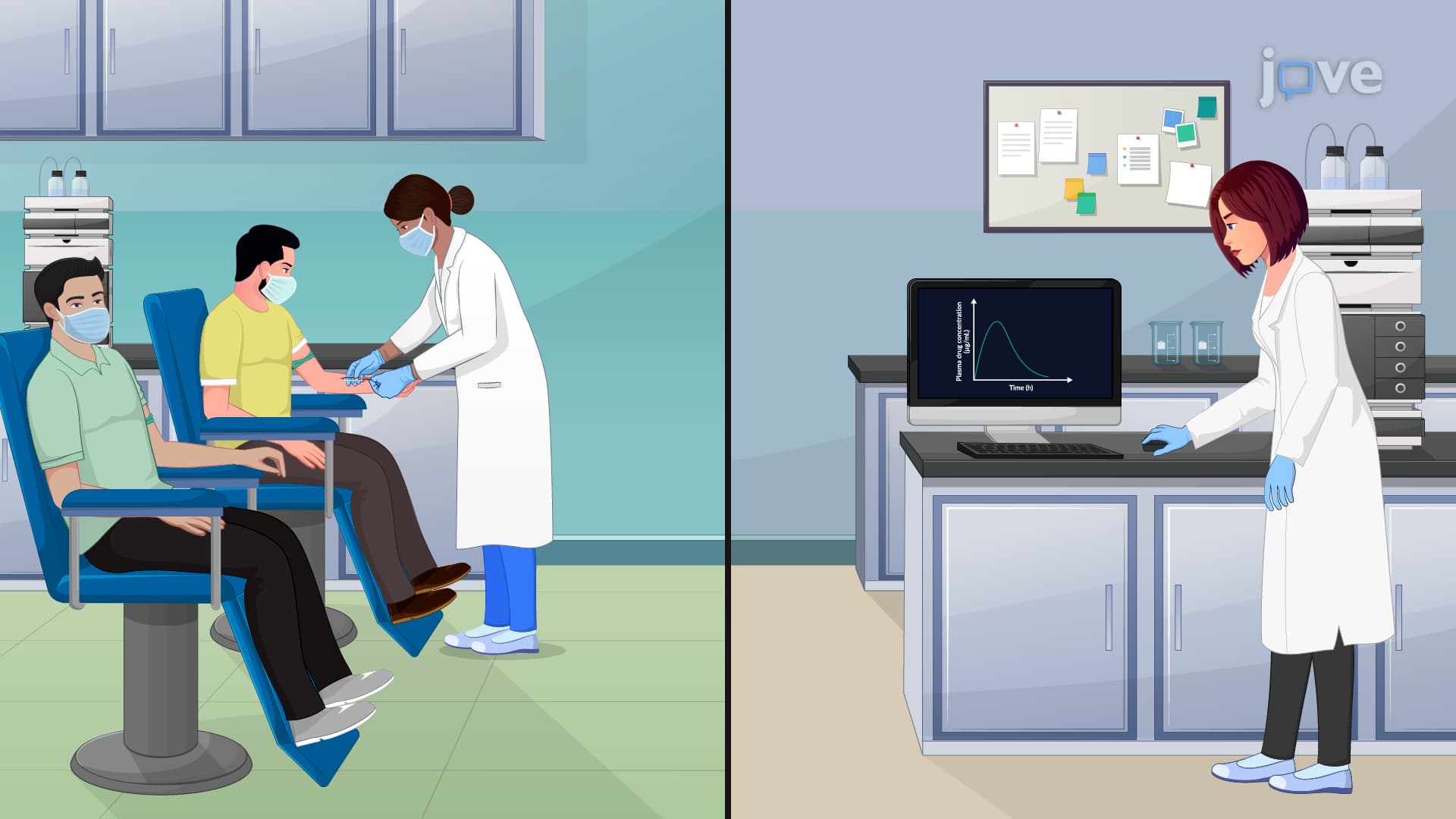
Ever wonder how FDA scientists determine if a new medication is safe after just one dose? Clearance models noncompartmental models provide the answer by calculating how quickly drugs leave your body without complex mathematical assumptions. Unlike traditional compartment models, this approach uses real experimental data from blood samples taken after a single dose. For instance, when Pfizer tests a new antibiotic, researchers measure drug concentrations over time and use the area under the curve (AUC) to determine clearance rates. Watch the full video on JoVE Coach to master this concept with expert-led visuals and step-by-explanations.
Clearance models noncompartmental models represent a revolutionary approach in pharmacokinetics that eliminates the need for complex mathematical assumptions about how drugs distribute within the body. Unlike traditional compartmental models that require researchers to assume the body behaves like interconnected containers, noncompartmental analysis relies purely on experimental observations. This model-independent method has become the gold standard in pharmaceutical research, particularly for FDA submissions and clinical trials across major US medical centers like Mayo Clinic and Johns Hopkins.
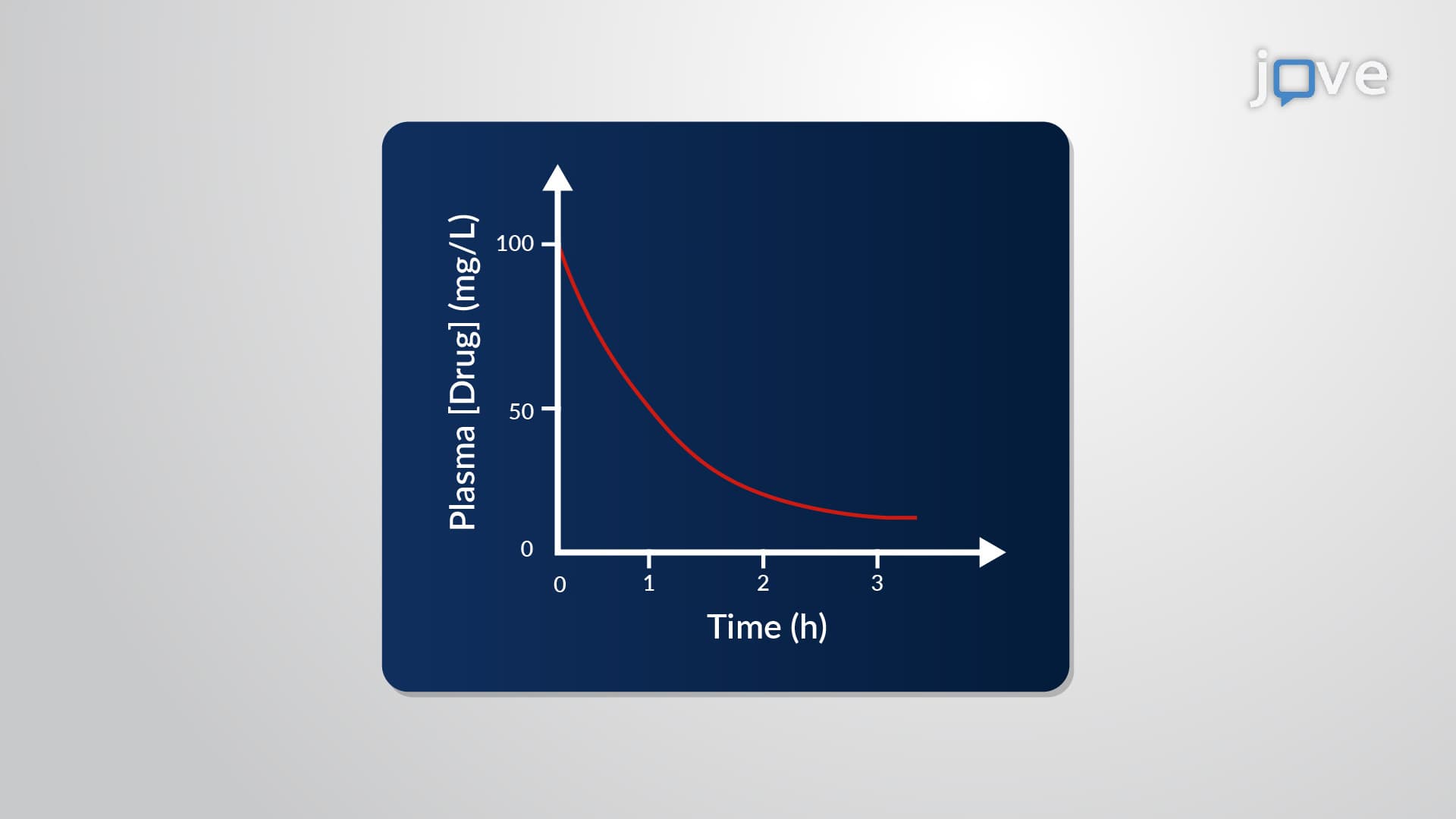
The cornerstone of noncompartmental analysis lies in calculating the area under the concentration-time curve (AUC). Think of AUC as measuring the total amount of drug exposure your body experiences over time. Using the trapezoidal rule-a mathematical technique you might recognize from AP Calculus-researchers calculate the area between data points on a graph. This process involves measuring drug concentrations in blood samples taken at specific time intervals after administration, then connecting these points to form trapezoids whose areas can be easily calculated and summed.
US pharmaceutical companies like Johnson & Johnson and Merck routinely employ noncompartmental analysis during drug development. When testing a new heart medication, researchers administer a single dose to volunteers, then collect blood samples every 30 minutes for 24 hours. The resulting concentration-time data allows calculation of total clearance without assuming whether the drug behaves as if the body has one, two, or multiple compartments. This approach proves especially valuable when studying drugs with complex distribution patterns or when traditional compartmental models fail to adequately describe the data.
At steady state-when drug input equals drug elimination-the clearance equation simplifies significantly. During continuous intravenous infusion, clearance equals the dosing rate divided by the steady-state plasma concentration (Css). This relationship proves crucial for medications requiring constant therapeutic levels, such as chemotherapy drugs administered in oncology units at institutions like MD Anderson Cancer Center. Understanding these principles helps students excel in advanced pharmacology courses and prepares them for MCAT passages involving drug kinetics and clinical pharmacology applications.
Related Micro-courses