Loading video…


 25 Concepts
 13.6K views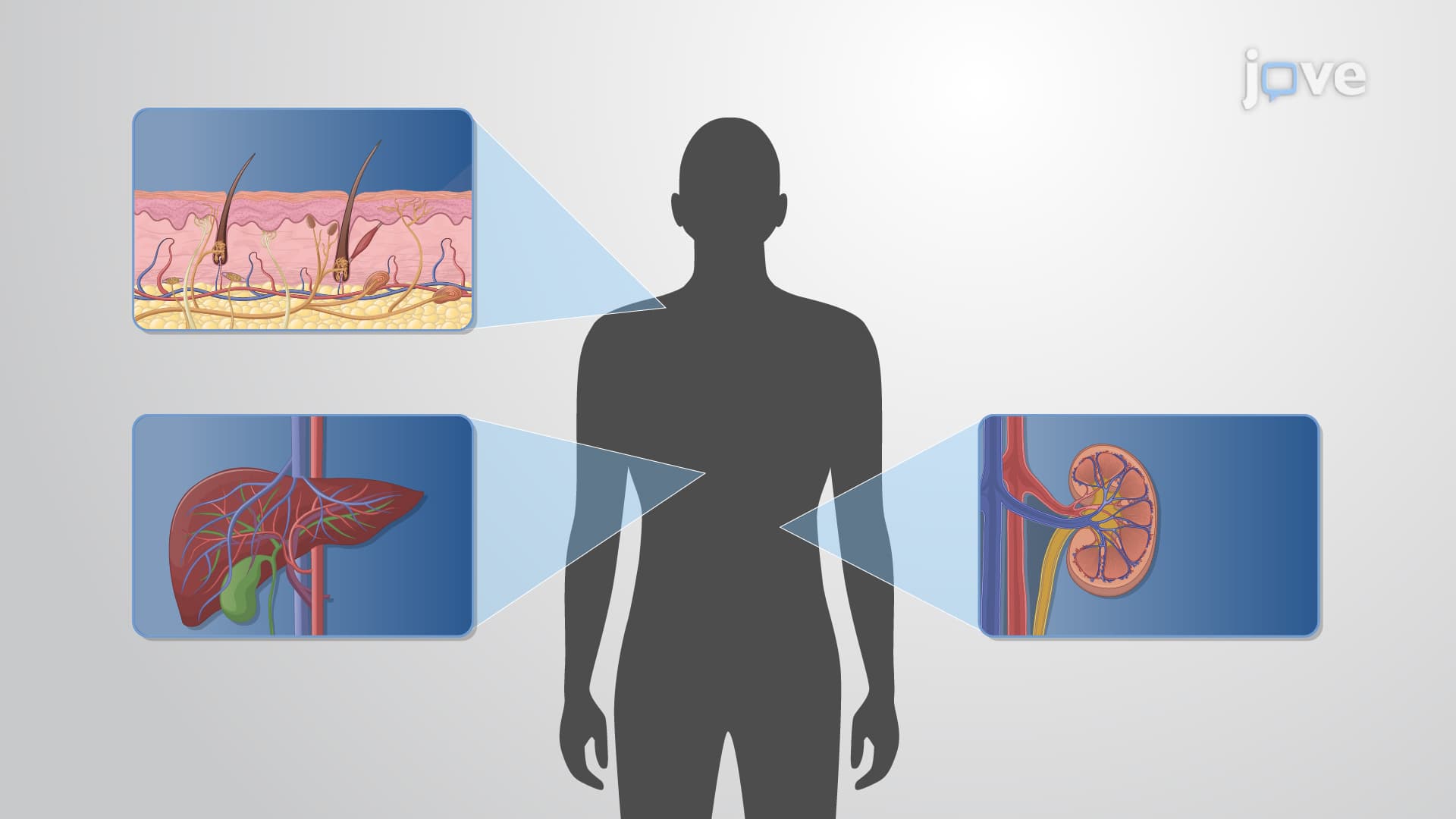

Video Summary: What Is Clearance Models Physiological Models
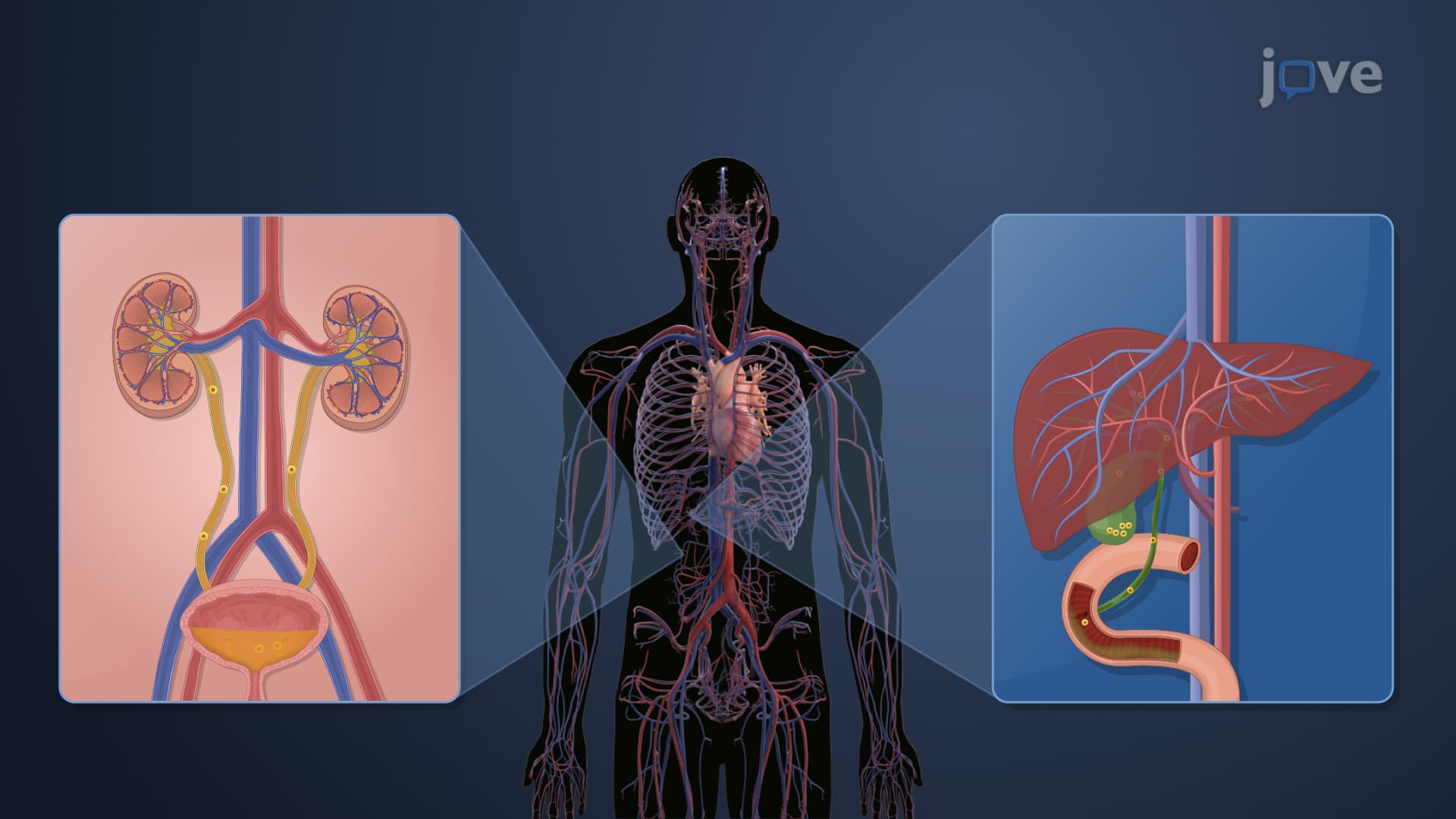
Ever wonder how your liver knows exactly how much acetaminophen to remove from a single Tylenol tablet? Clearance models physiological models reveal the precise mechanisms behind organ-specific drug elimination in your body. These models calculate how efficiently organs like the liver or kidneys clear drugs from blood flow, using extraction ratios that range from 0% to 100% removal efficiency. For instance, when the FDA evaluates new medications at clinical trial sites across the United States, researchers use these physiological clearance models to predict safe dosing. Watch the full video on JoVE Coach to master this concept with expert-led visuals and step-by-step explanations.
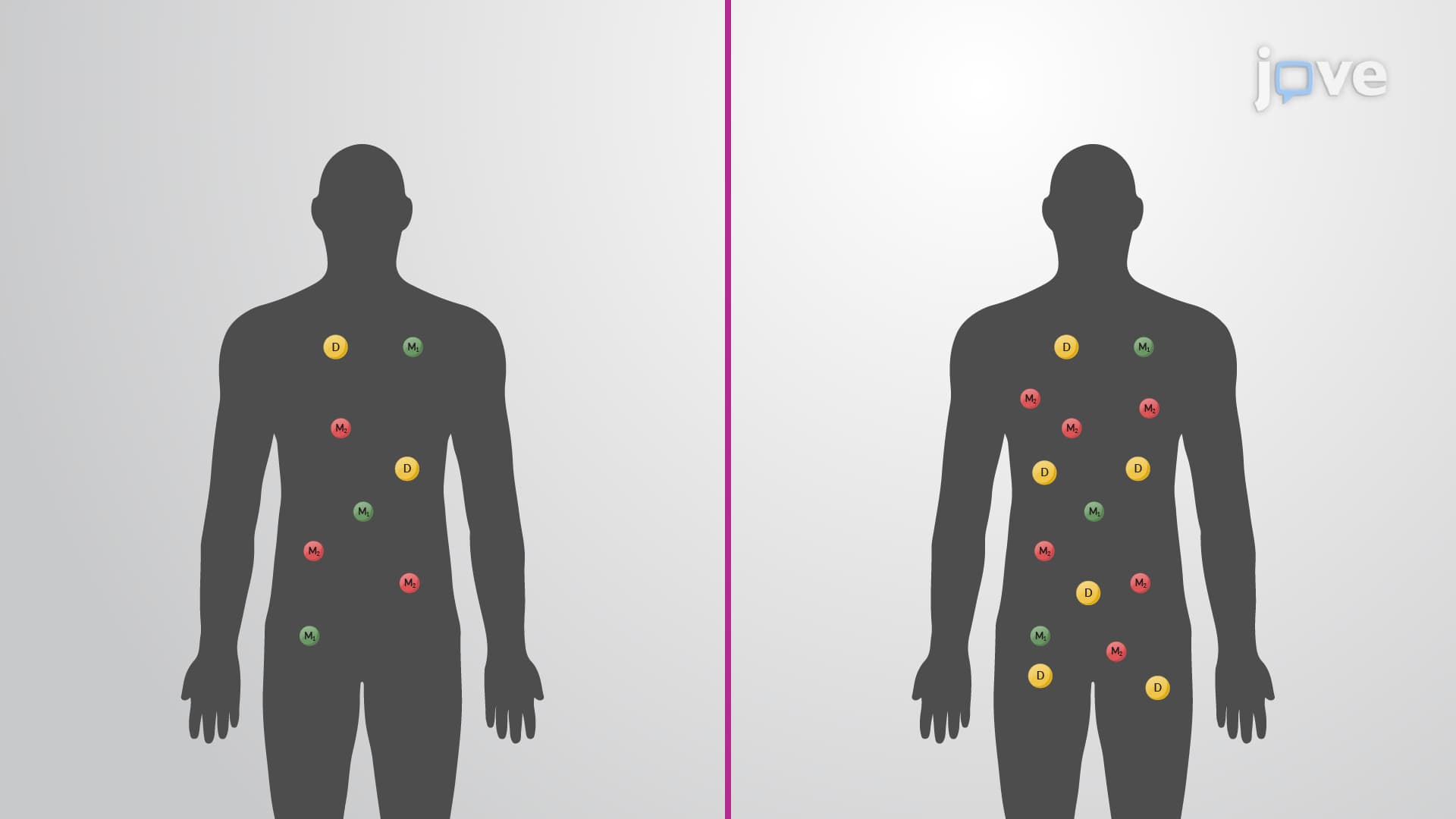
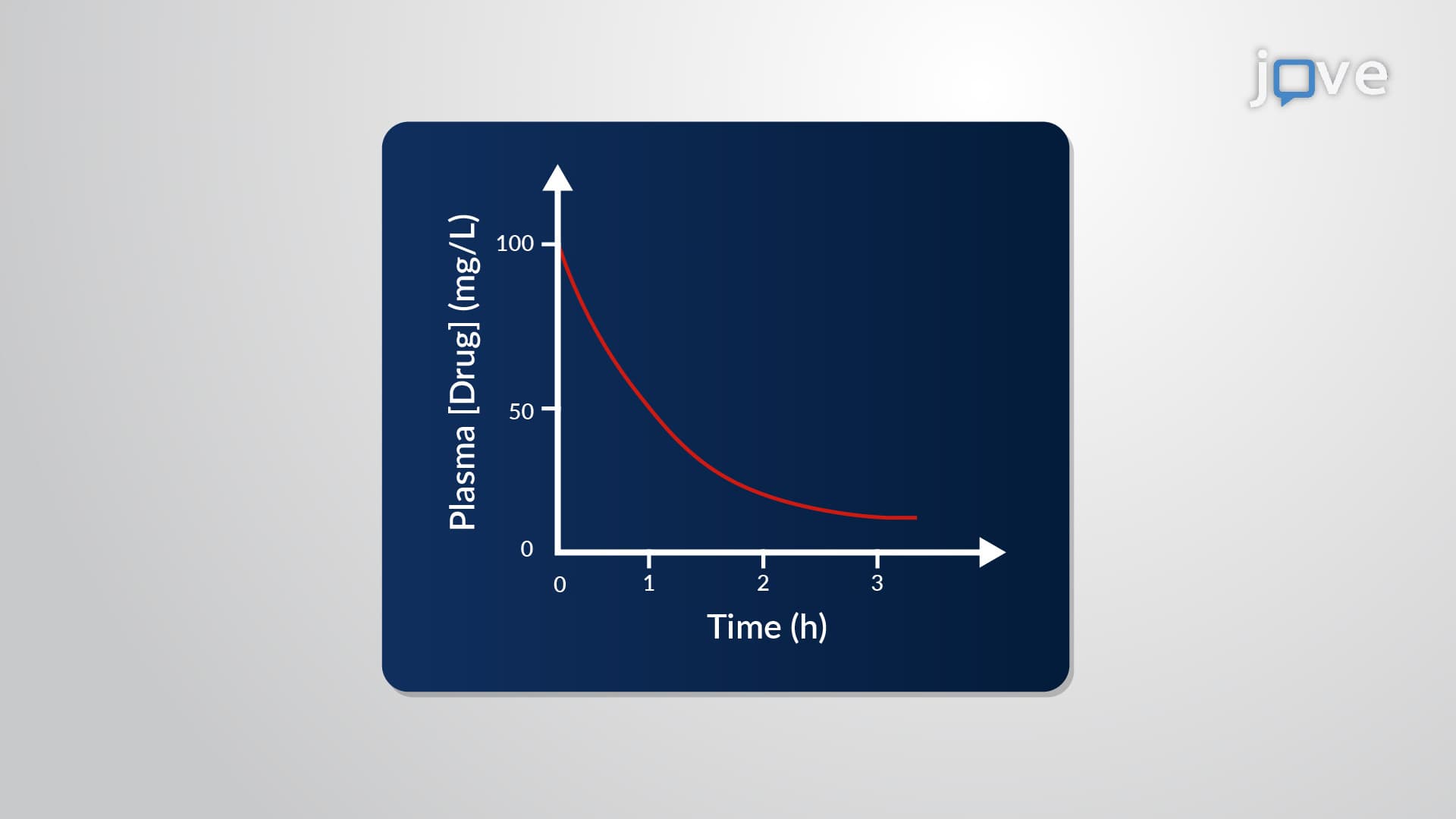
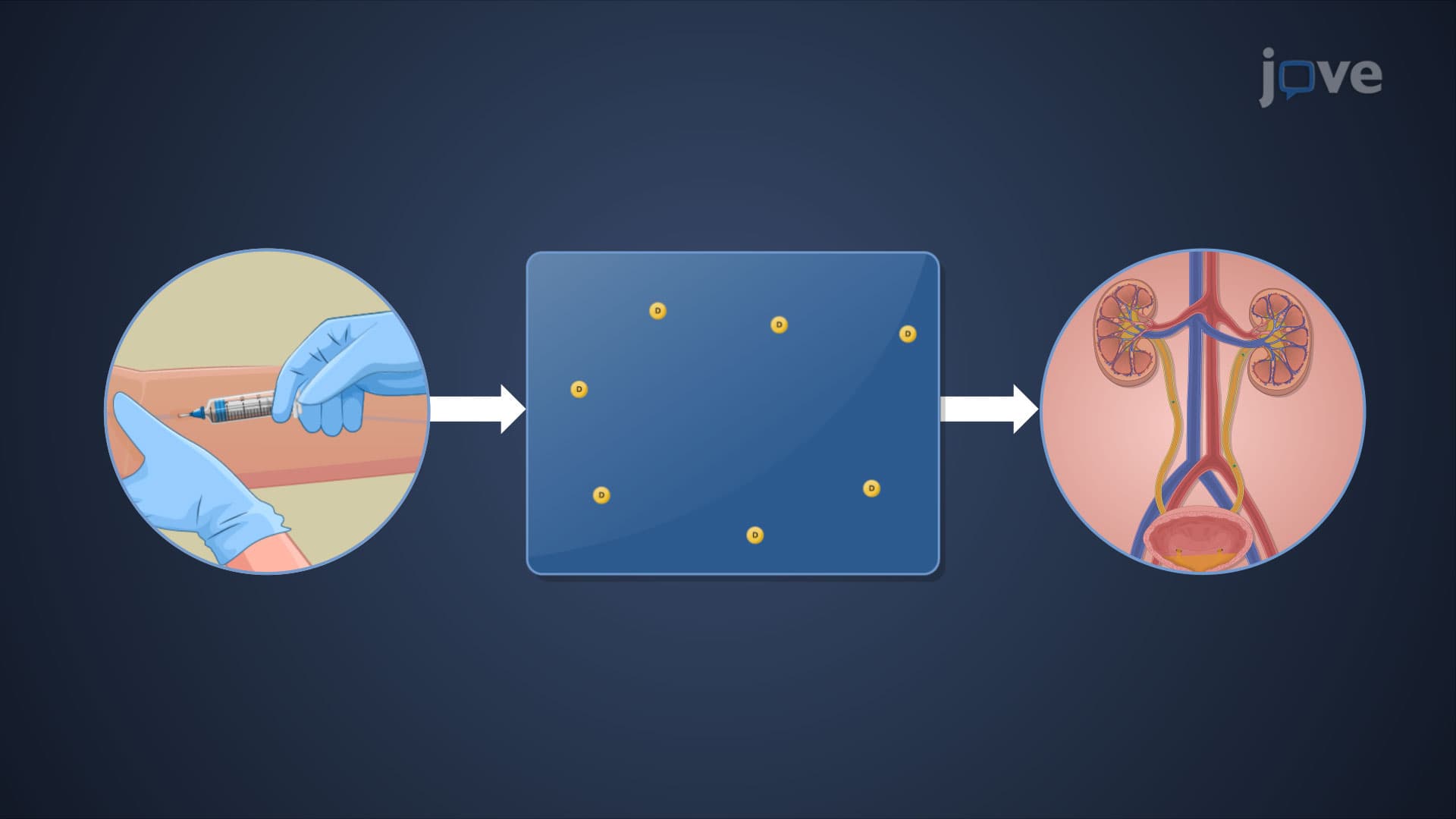
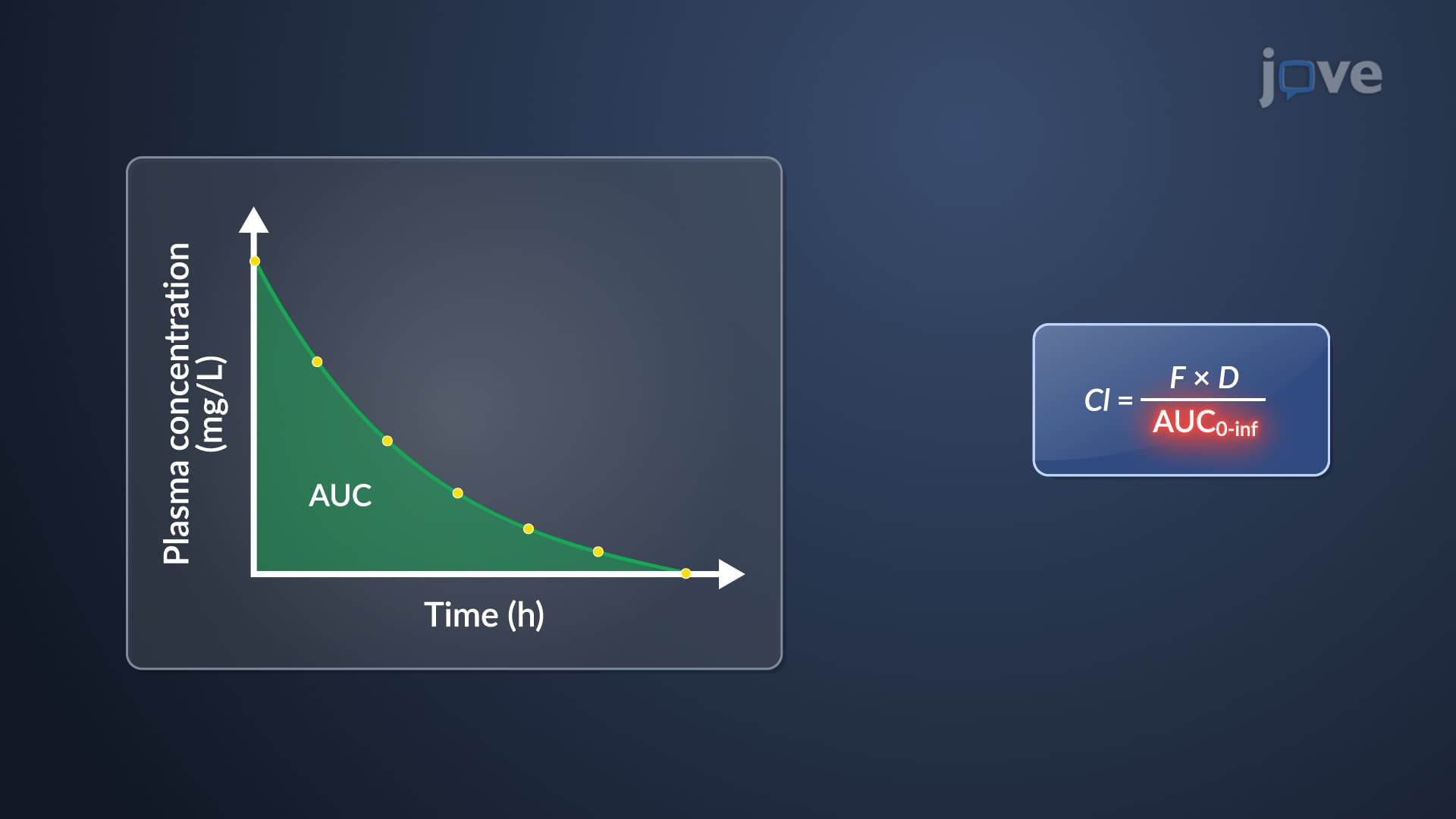
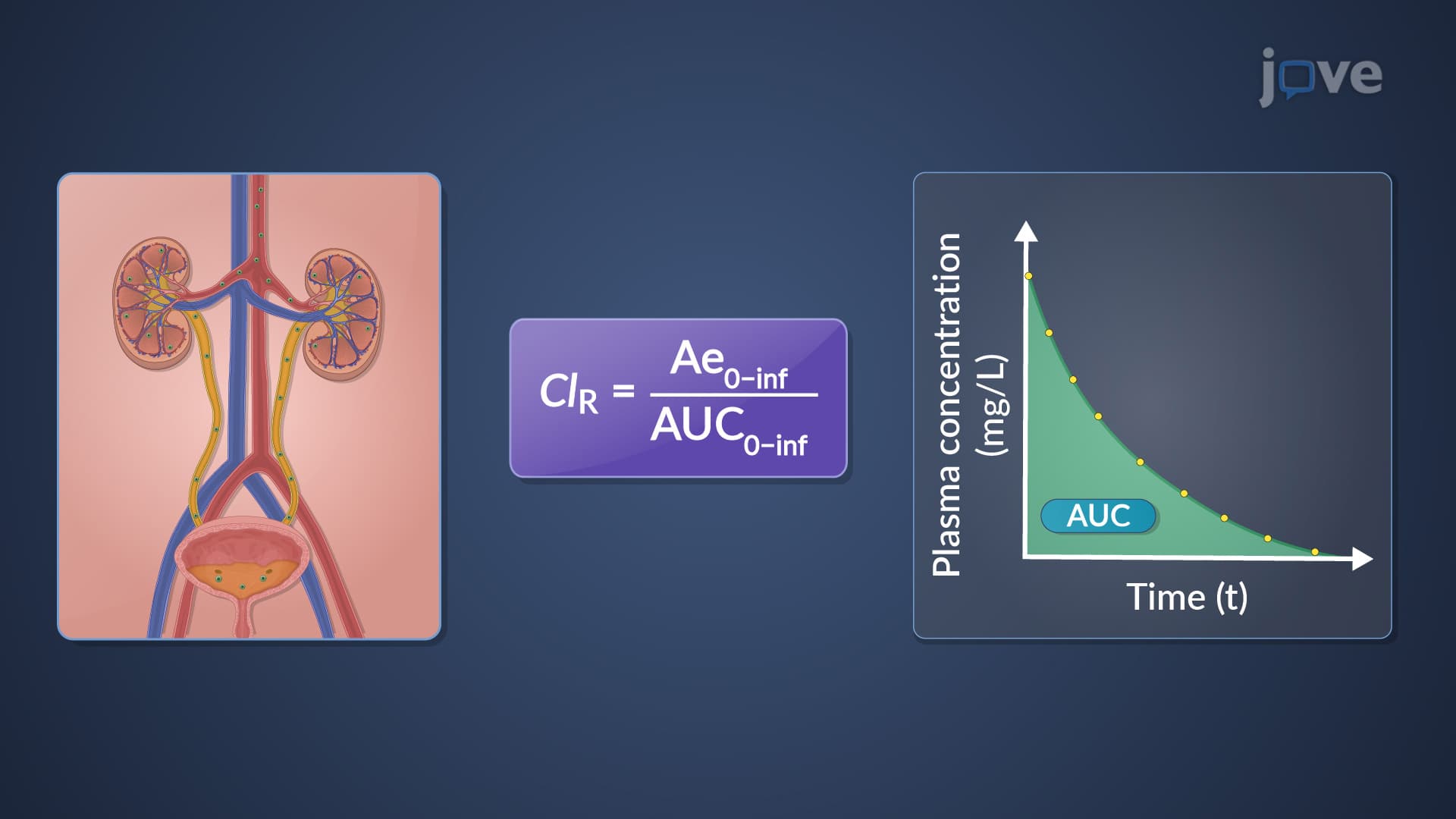
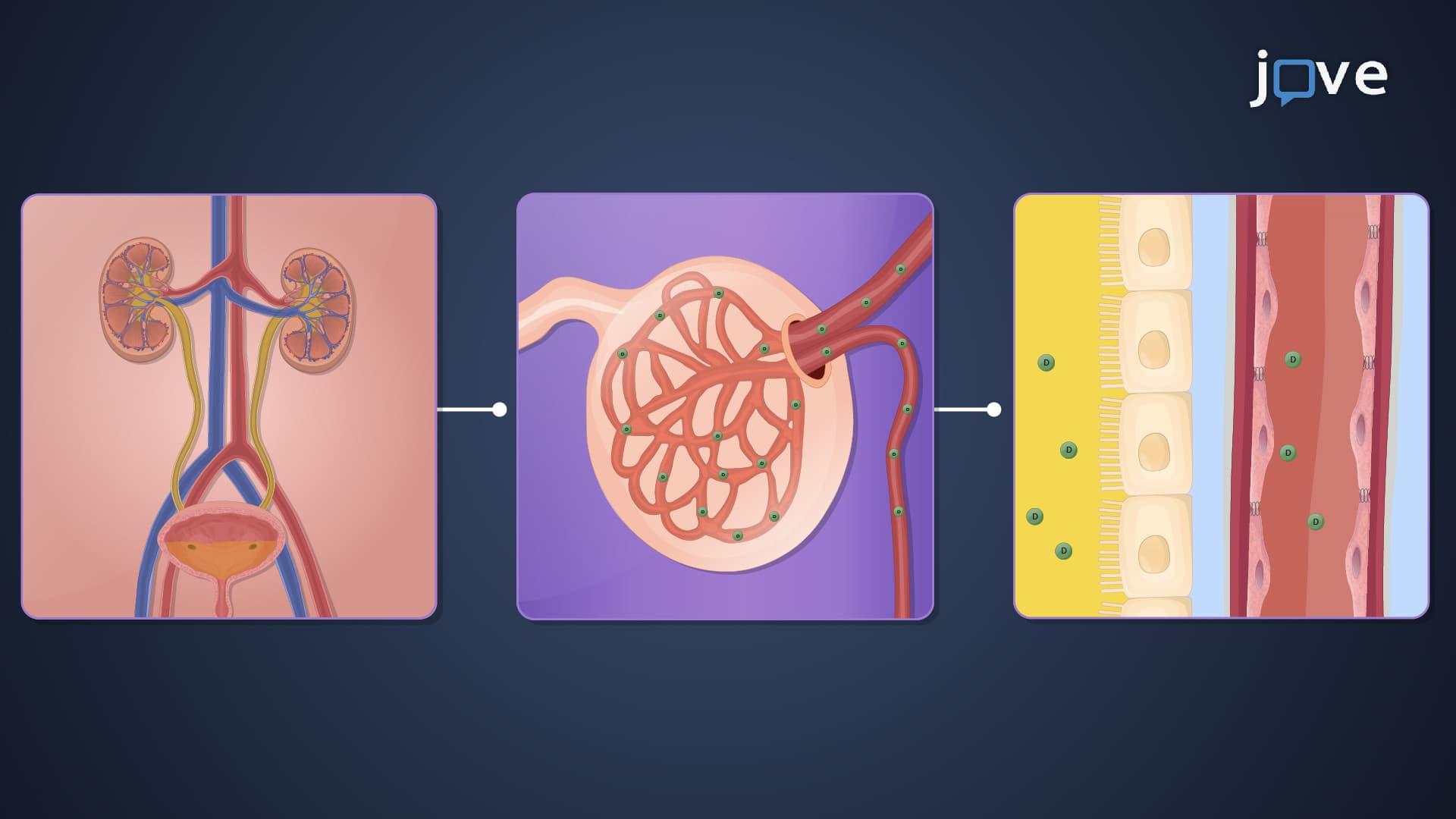
Clearance models physiological models represent a sophisticated approach to understanding how individual organs eliminate drugs from the bloodstream. Unlike simple total body clearance measurements, these models focus on organ-specific mechanisms that determine drug fate within the human body. The foundation rests on a fundamental principle: each organ contributes differently to overall drug elimination based on its unique physiological characteristics and blood supply.
The core equation driving physiological clearance models combines two critical factors: organ blood flow (Q) and extraction ratio (E). Organ clearance equals Q × E, where the extraction ratio represents the fraction of drug removed during a single pass through the organ. This seemingly simple formula carries profound implications for drug therapy.
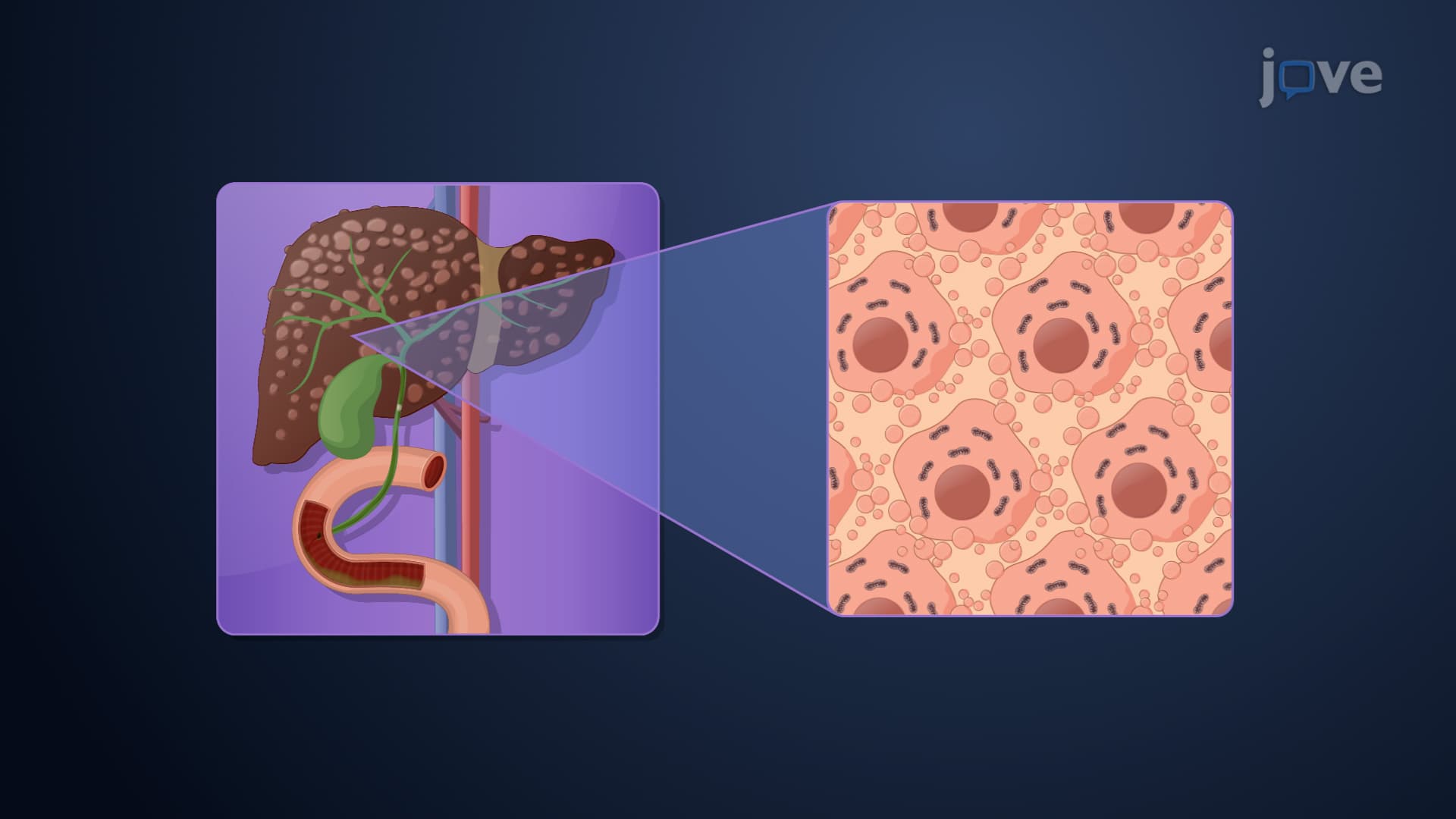
Consider the liver, which receives approximately 1,500 mL of blood per minute. If a drug has an hepatic extraction ratio of 0.7, the liver clears 1,050 mL of blood completely of that drug every minute. This mathematical relationship explains why some medications require frequent dosing while others maintain therapeutic levels for extended periods.
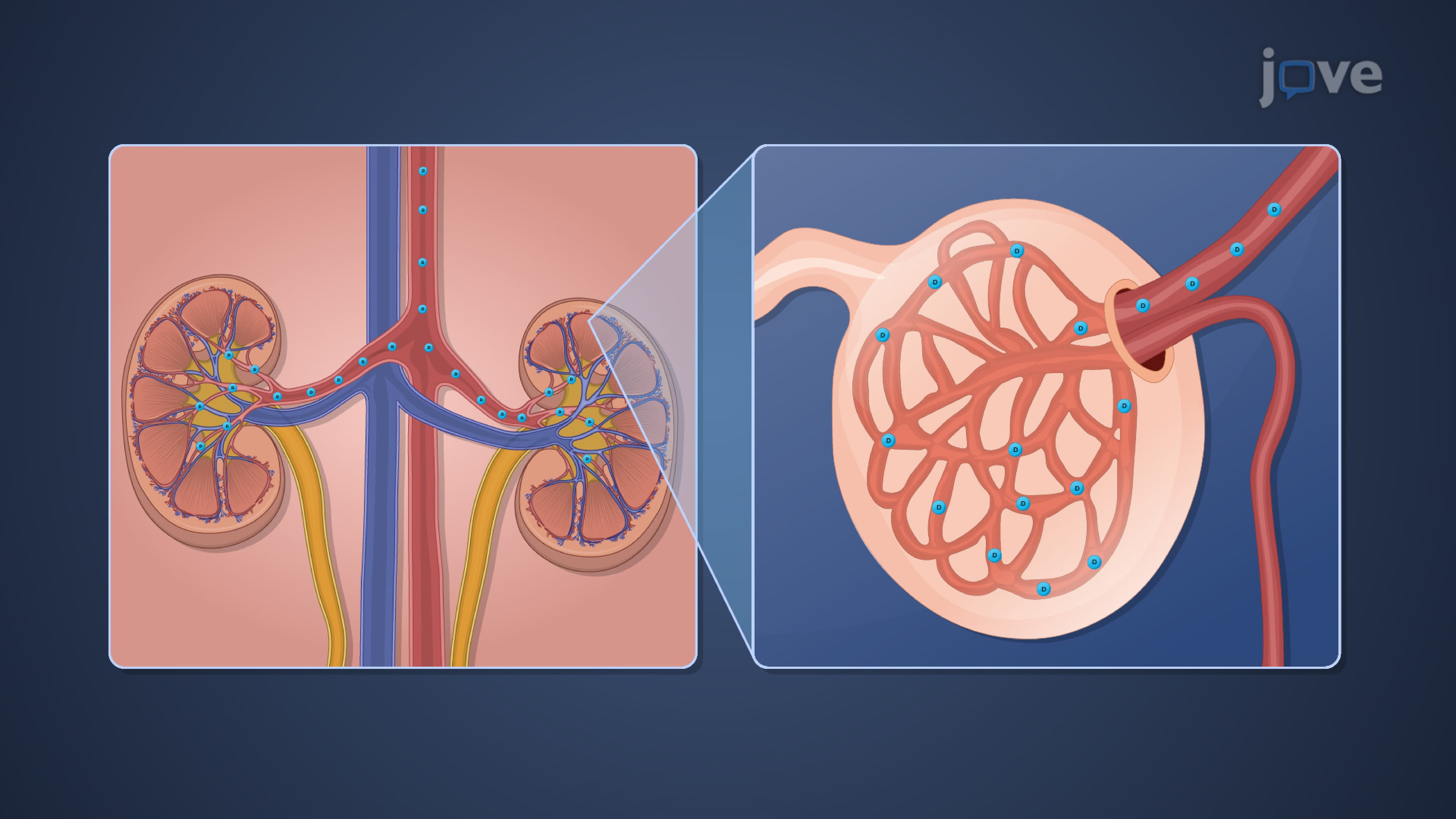
Physiological clearance models guide critical decisions in American hospitals and clinics daily. When physicians at Mayo Clinic or Johns Hopkins prescribe medications for patients with compromised organ function, they rely on these models to adjust dosing appropriately. For example, patients with reduced kidney function require modified doses of medications primarily cleared by renal elimination.
The FDA extensively uses physiological clearance data during drug approval processes. Before any medication reaches US pharmacies, researchers must demonstrate predictable clearance patterns across diverse patient populations. This regulatory requirement ensures that medications perform consistently whether prescribed in rural Montana or metropolitan New York.
Extraction ratios provide immediate insight into organ efficiency and drug characteristics. High-extraction drugs (E > 0.7) depend heavily on organ blood flow, making them sensitive to conditions affecting circulation. Low-extraction drugs (E < 0.3) show greater dependence on intrinsic organ function rather than blood flow rates.
This distinction proves crucial for MCAT preparation and advanced pharmacology courses, where students must predict drug behavior under various physiological conditions. Understanding these relationships helps future healthcare professionals optimize patient care and anticipate potential complications.
Related Micro-courses