Loading video…


 24 Concepts
 53.5K views

Video Summary: Anticholinesterase Agents Poisoning and Treatment Explained
Did you know that common lawn pesticides can irreversibly shut down your nervous system in minutes? Anticholinesterase agents poisoning treatment becomes critical when exposure to organophosphate insecticides-found in products like Malathion used across American farms-creates a medical emergency. These compounds permanently bind to acetylcholinesterase enzymes, causing dangerous acetylcholine buildup that overstimulates your entire nervous system. Watch the full video on JoVE Coach to master this concept with expert-led visuals and step-by-step explanations.
Anticholinesterase agents represent one of the most dangerous classes of compounds encountered in both agricultural and clinical settings. These substances-primarily organophosphates found in pesticides like parathion and malathion-work by inhibiting acetylcholinesterase (AChE), the enzyme responsible for breaking down acetylcholine at synapses. When this breakdown process fails, acetylcholine accumulates to toxic levels, creating a cascade of life-threatening symptoms.
Unlike reversible cholinesterase inhibitors used therapeutically (such as physostigmine for treating anticholinergic poisoning), organophosphates form covalent bonds with the serine residue at AChE's active site. This creates a phosphorylated enzyme complex that initially remains reversible. However, within hours, a process called "aging" occurs-an alkyl group is lost from the phosphorylated complex, rendering the enzyme permanently inactivated. This aging process explains why antidotes like pralidoxime (2-PAM) must be administered rapidly, ideally within 24-48 hours of exposure.
Organophosphate poisoning produces a characteristic toxidrome combining muscarinic, nicotinic, and central nervous system effects. Muscarinic symptoms include excessive salivation, lacrimation, urination, and defecation (remembered by the mnemonic "SLUDGE"), along with miosis and bronchospasm. Nicotinic effects manifest as muscle fasciculations progressing to paralysis, while CNS symptoms range from anxiety and confusion to seizures and coma. In the United States, agricultural workers in states like California's Central Valley face highest exposure risks during pesticide application seasons.
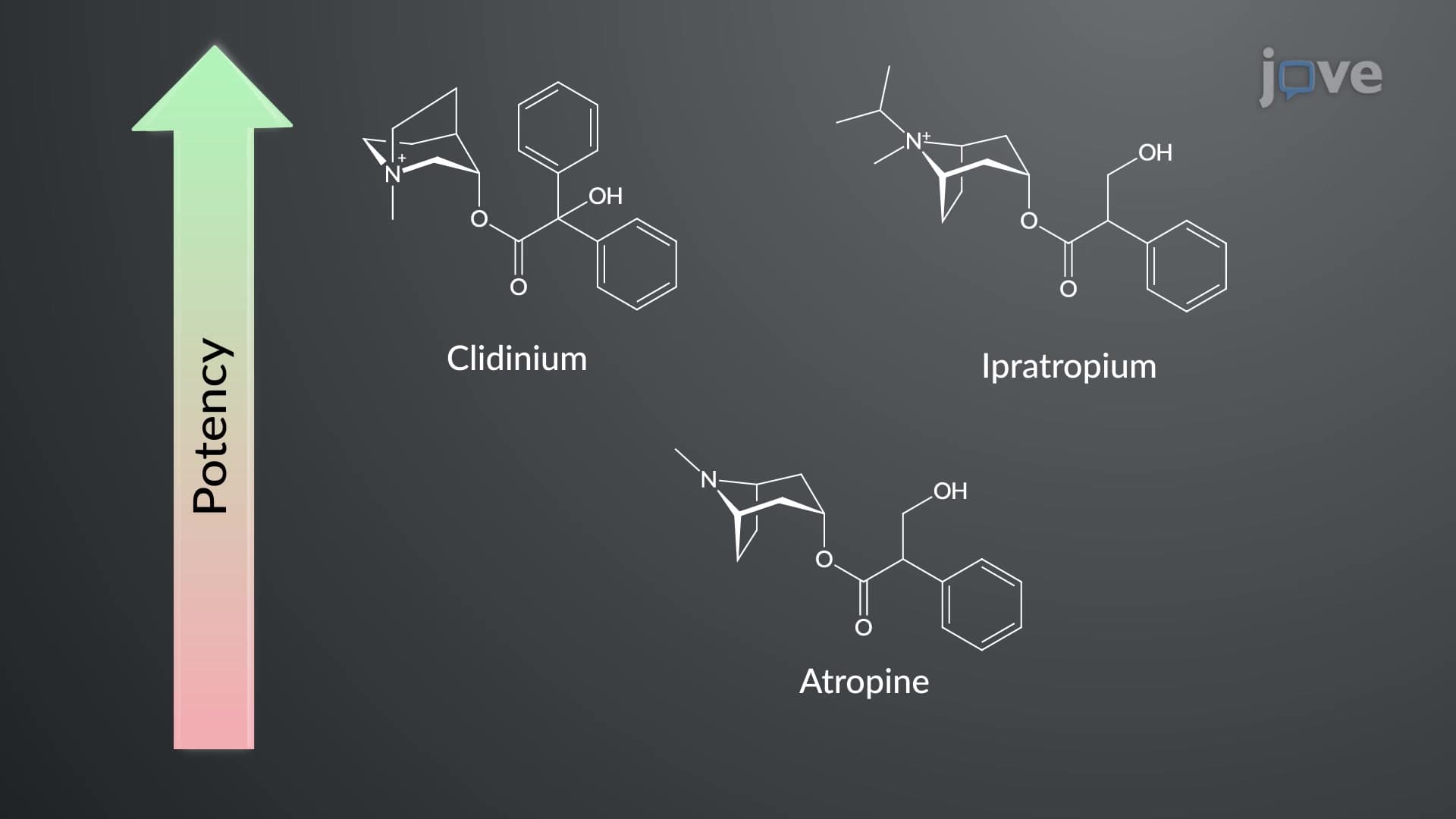
Emergency treatment follows a three-pronged approach tested extensively in American emergency departments. First, pralidoxime chloride (2-PAM) reactivates phosphorylated cholinesterase by positioning its quaternary nitrogen at the enzyme's anionic site while its oxime group attacks the phosphorus atom, effectively "rescuing" the enzyme before aging occurs. Second, atropine competitively blocks muscarinic receptors, counteracting excessive cholinergic stimulation-doses may reach 2-4 mg IV every 15 minutes until muscarinic symptoms resolve. Third, supportive care includes gastric lavage (if ingestion occurred within 1-2 hours), mechanical ventilation for respiratory failure, and aggressive management of seizures with benzodiazepines. This comprehensive approach has dramatically improved survival rates in US poison control centers, with early intervention being the key prognostic factor.
Related Micro-courses