Loading subject page…


53,517 views


Video Summary: What Is Cholinergic Antagonists Pharmacological Actions
Ever wonder why atropine, found in deadly nightshade, can be both a poison and a life-saving medication? Cholinergic antagonists pharmacological actions involve blocking specific nerve signals throughout your body, creating dramatic effects from dilated pupils to slowed heart rates. These powerful drugs are routinely used in US emergency rooms to treat everything from nerve gas poisoning to bradycardia during surgery. Understanding what is cholinergic antagonists pharmacological actions reveals how blocking just one type of receptor can affect multiple organ systems simultaneously. Watch the full video on JoVE Coach to master this concept with expert-led visuals and step-by-step explanations.
Cholinergic antagonists pharmacological actions represent a fundamental concept in pharmacology where drugs specifically block acetylcholine's effects at muscarinic receptors. These medications work by competitive inhibition, essentially "parking" in receptor sites without activating them, preventing the normal parasympathetic nervous system responses. This mechanism creates predictable, system-wide effects that medical professionals leverage for both therapeutic purposes and emergency interventions.
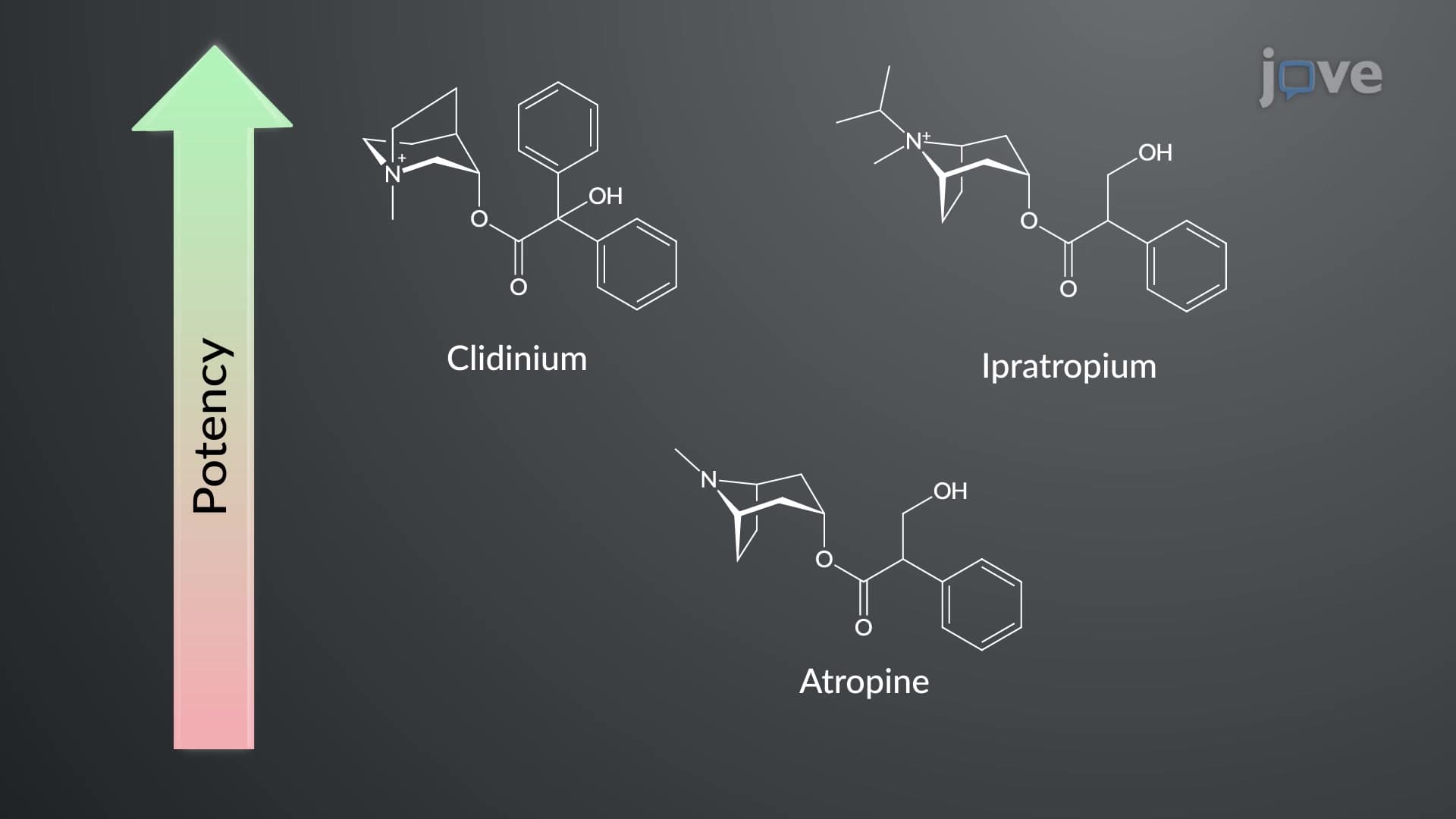
The distinction between tertiary and quaternary antimuscarinic compounds proves clinically significant. Tertiary agents like atropine and scopolamine cross the blood-brain barrier readily, producing central nervous system effects including confusion, hallucinations, and potential seizures. Quaternary compounds such as glycopyrrolate remain largely peripheral, making them preferable when central effects are undesirable. This pharmacokinetic difference appears frequently on MCAT and pharmacology exams, requiring students to predict which drug class suits specific clinical scenarios.
The cardiovascular effects of cholinergic antagonists create both therapeutic opportunities and clinical challenges. By blocking parasympathetic input to the heart, these drugs typically produce tachycardia and can elevate blood pressure. Emergency physicians use atropine to treat severe bradycardia, particularly in cases of beta-blocker overdose or certain types of heart block. However, this same mechanism can be problematic in patients with existing cardiovascular disease.
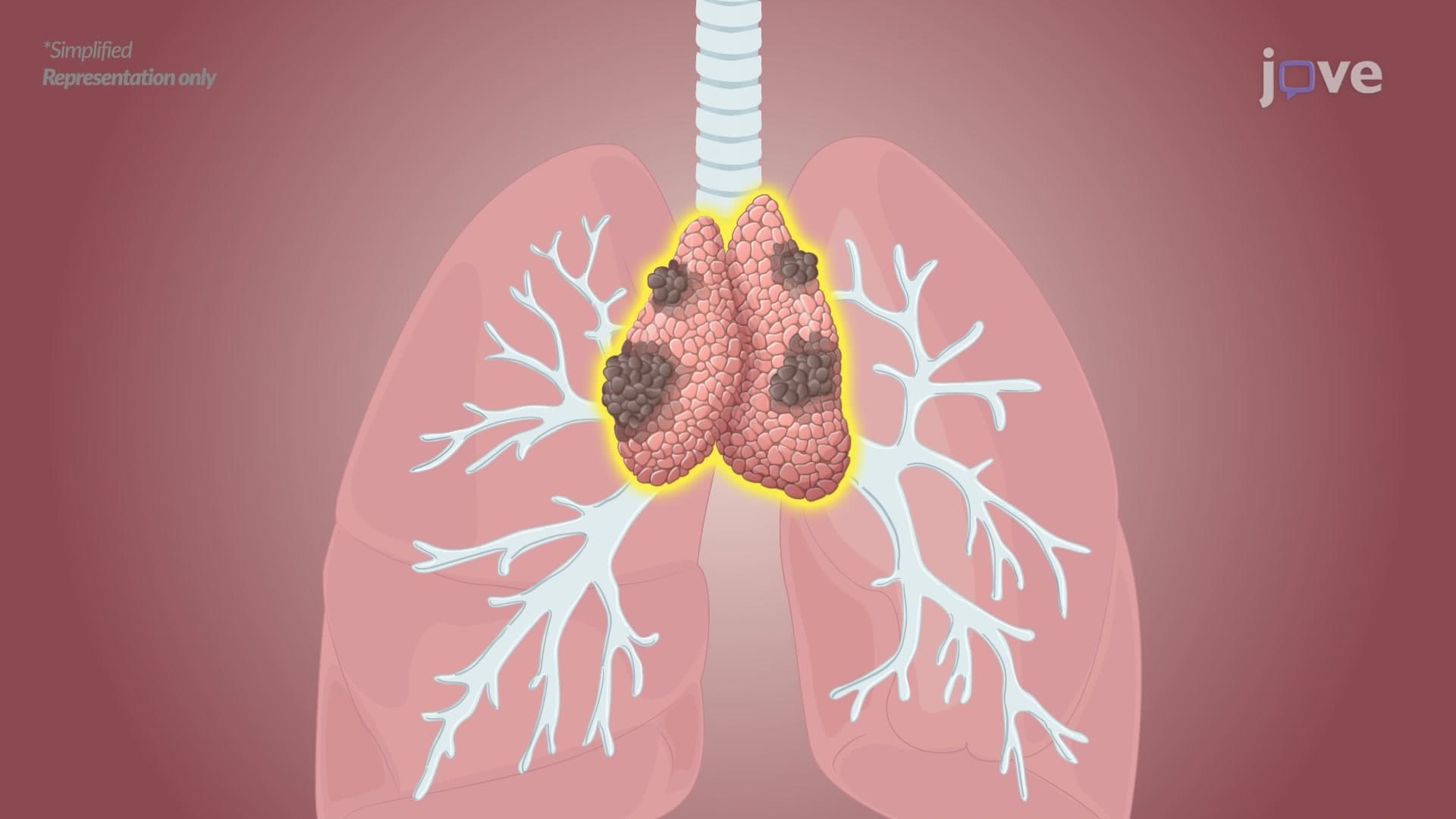
Respiratory system applications include bronchodilation through smooth muscle relaxation and reduced secretions. While not first-line treatments, anticholinergics like ipratropium bromide serve as important adjuncts in severe asthma and COPD management. The reduction in respiratory secretions proves particularly valuable during anesthesia, where excessive secretions can complicate airway management.
Ocular effects demonstrate the dual nature of these pharmacological actions. Ophthalmologists deliberately use antimuscarinic drops to achieve mydriasis (pupil dilation) and cycloplegia (paralysis of focusing muscles) for comprehensive eye examinations. However, these same effects become dangerous in patients with narrow-angle glaucoma, where pupil dilation can precipitate acute angle closure and vision loss.
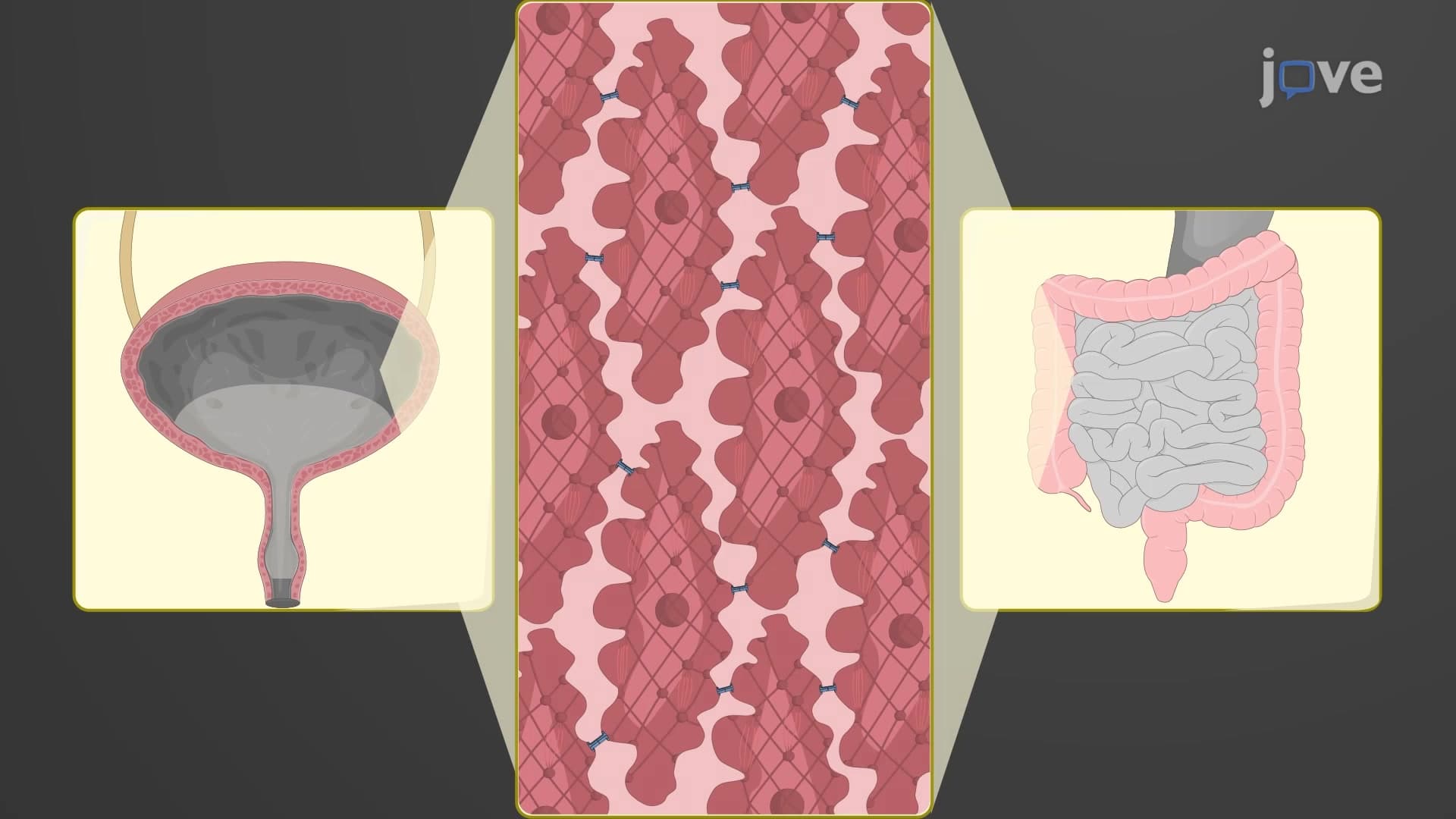
Gastrointestinal and urinary effects reflect the parasympathetic nervous system's role in "rest and digest" functions. Reduced gut motility and decreased bladder contractions can be therapeutic in conditions like irritable bowel syndrome or overactive bladder, but problematic in elderly patients prone to constipation and urinary retention.
Understanding dose-dependent toxicity patterns is crucial for healthcare providers. The classic antimuscarinic toxicity mnemonic "blind as a bat, mad as a hatter, red as a beet, hot as a hare, dry as a bone" describes the progression from therapeutic to toxic effects. This knowledge proves essential for NCLEX and USMLE examinations, where students must recognize anticholinergic poisoning and recommend appropriate interventions.
Related Micro-courses