Loading subject page…


53,516 views


Video Summary: Direct Acting Cholinergic Agonists Pharmacological Actions Explained
Ever wonder why your pupils constrict when you walk from a dark room into bright sunlight, or why your heart rate slows during deep relaxation? Direct acting cholinergic agonists mimic these natural processes by copying acetylcholine's effects throughout your body. These powerful drugs can control everything from pupil size to heart rate, making them essential medications in US hospitals for treating conditions like glaucoma and urinary retention. Understanding direct acting cholinergic agonists pharmacological actions explained reveals how these drugs precisely target specific receptors to produce therapeutic effects. Watch the full video on JoVE Coach to master this concept with expert-led visuals and step-by-step explanations.
Direct acting cholinergic agonists represent a crucial class of medications that directly stimulate cholinergic receptors throughout the body, mimicking the natural neurotransmitter acetylcholine. Unlike indirect-acting agents that work by inhibiting acetylcholinesterase, these drugs bind directly to muscarinic and nicotinic receptors, producing predictable and targeted physiological responses.
The cardiovascular system responds dramatically to muscarinic stimulation. When direct-acting cholinergic agonists activate M2 receptors in cardiac tissue, they decrease heart rate (bradycardia) and reduce the force of heart contractions. This occurs through increased potassium conductance and decreased calcium influx in cardiac cells. Additionally, these drugs cause vasodilation by stimulating M3 receptors in vascular endothelium, leading to nitric oxide release. US medical students studying for the MCAT often encounter questions about how drugs like bethanechol can cause dangerous hypotension when combined with other cardiovascular medications.
The eye provides an excellent example of targeted cholinergic therapy. Direct-acting agonists like pilocarpine activate M3 receptors in two critical locations: the iris sphincter muscle and the ciliary muscle. Iris sphincter stimulation causes miosis (pupil constriction), while ciliary muscle contraction increases the curvature of the lens for near vision accommodation. This dual action makes these drugs valuable for treating glaucoma in US ophthalmology practices, where reducing intraocular pressure prevents optic nerve damage. AP Biology students frequently study this mechanism when learning about the autonomic nervous system's control of organ function.
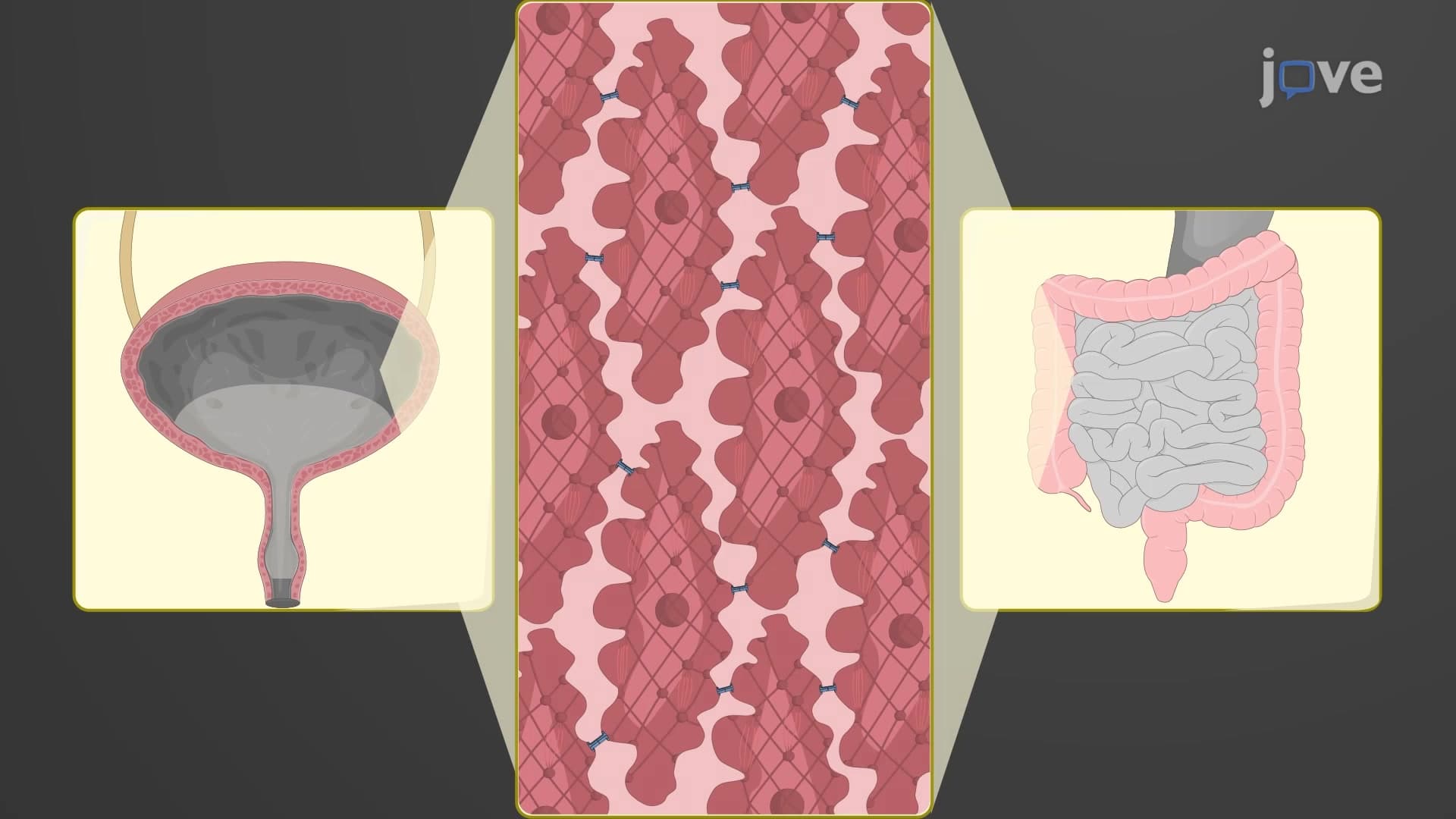
Cholinergic agonists significantly impact smooth muscle throughout the body. In the digestive system, they increase gut peristalsis, stimulate gastric acid secretion, and promote pancreatic enzyme release. This makes drugs like bethanechol useful for treating postoperative ileus in US hospitals. The genitourinary system responds with increased bladder detrusor muscle contractions and decreased sphincter tone, helping patients with urinary retention. However, these same effects can cause problematic side effects like diarrhea, urinary urgency, and abdominal cramping.
Synthetic direct-acting cholinergic agonists that cross the blood-brain barrier produce notable CNS effects including cortical stimulation, tremor, and hypothermia. This property distinguishes them from naturally occurring compounds like acetylcholine, which cannot cross this barrier. Understanding this concept helps pre-med students preparing for the MCAT predict both therapeutic applications and adverse effects when analyzing clinical scenarios involving cholinergic medications.
Related Micro-courses