Loading subject page…


53,516 views


Video Summary: Direct Acting Cholinergic Agonists Therapeutic Uses Explained
Did you know that the same type of medication can simultaneously treat glaucoma, help you urinate, and diagnose asthma? Direct acting cholinergic agonists are a fascinating class of drugs that mimic acetylcholine's effects throughout the body. From pilocarpine eye drops used by millions of American glaucoma patients to bethanechol prescribed for postoperative urinary retention, these medications demonstrate how understanding neurotransmitter pathways translates into life-changing treatments. Watch the full video on JoVE Coach to master this concept with expert-led visuals and step-by-step explanations.
Direct acting cholinergic agonists represent a cornerstone of pharmacology education and clinical practice, directly binding to and activating cholinergic receptors without requiring enzymatic conversion. Unlike indirect cholinergic agents that inhibit acetylcholinesterase, these medications provide immediate receptor stimulation, making them invaluable for specific therapeutic applications where rapid onset and predictable effects are crucial.
The choline ester family includes acetylcholine, methacholine, and bethanechol, each engineered to overcome acetylcholine's rapid degradation while targeting specific organ systems. Acetylcholine itself finds limited clinical use due to its universal receptor activation and immediate breakdown by cholinesterases. However, during cataract surgery at major US medical centers like Mayo Clinic or Johns Hopkins, ophthalmologists utilize intraocular acetylcholine to achieve rapid miosis (pupil constriction), facilitating safer surgical procedures.
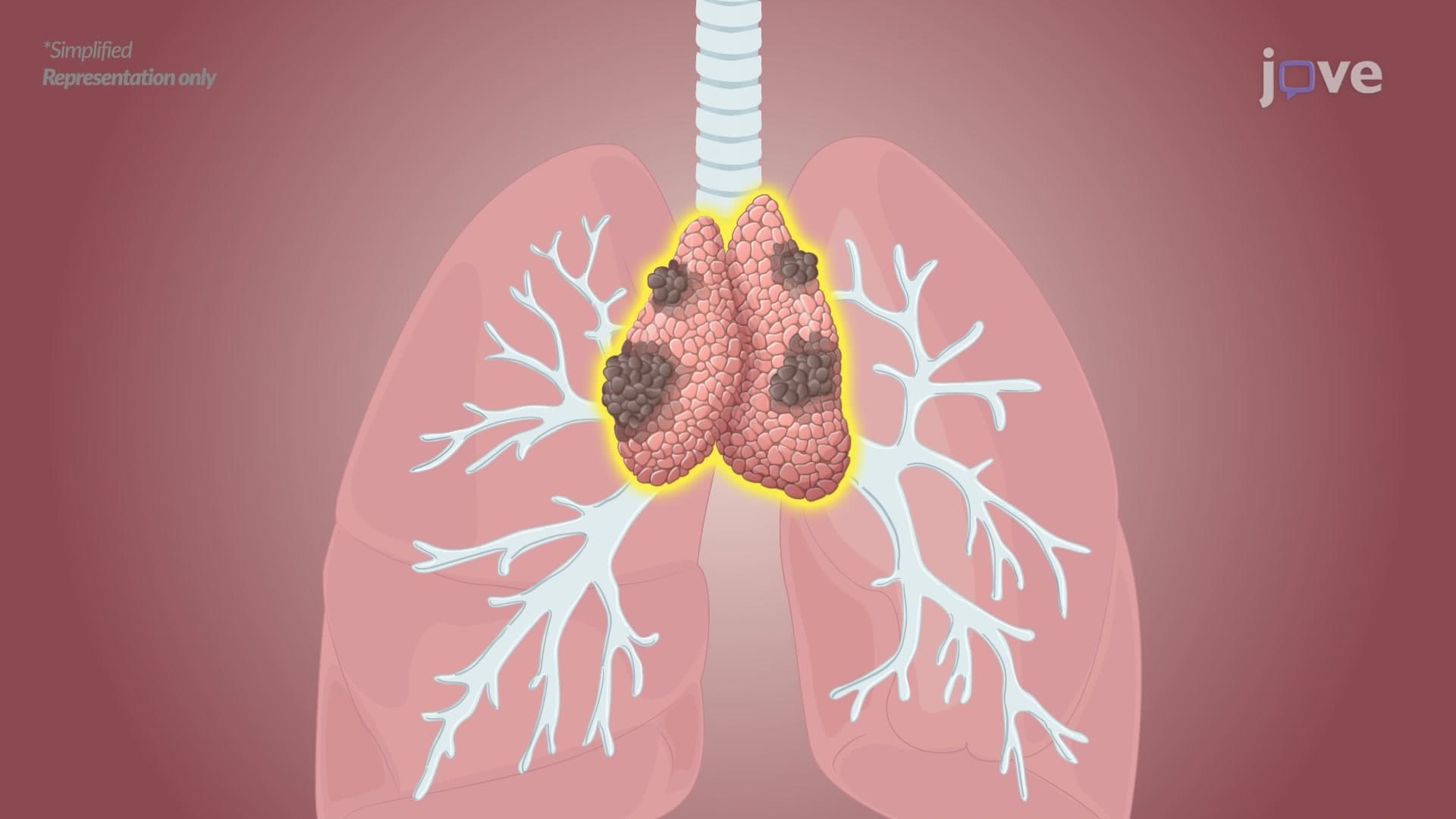
Methacholine serves a specialized diagnostic role in pulmonary medicine. The methacholine challenge test, standardized by the American Thoracic Society, helps diagnose asthma by measuring airway hyperresponsiveness. Patients inhale increasing concentrations of methacholine while spirometry monitors forced expiratory volume. A 20% decrease in FEV1 indicates bronchial hyperreactivity, confirming asthma diagnosis even when baseline pulmonary function appears normal.
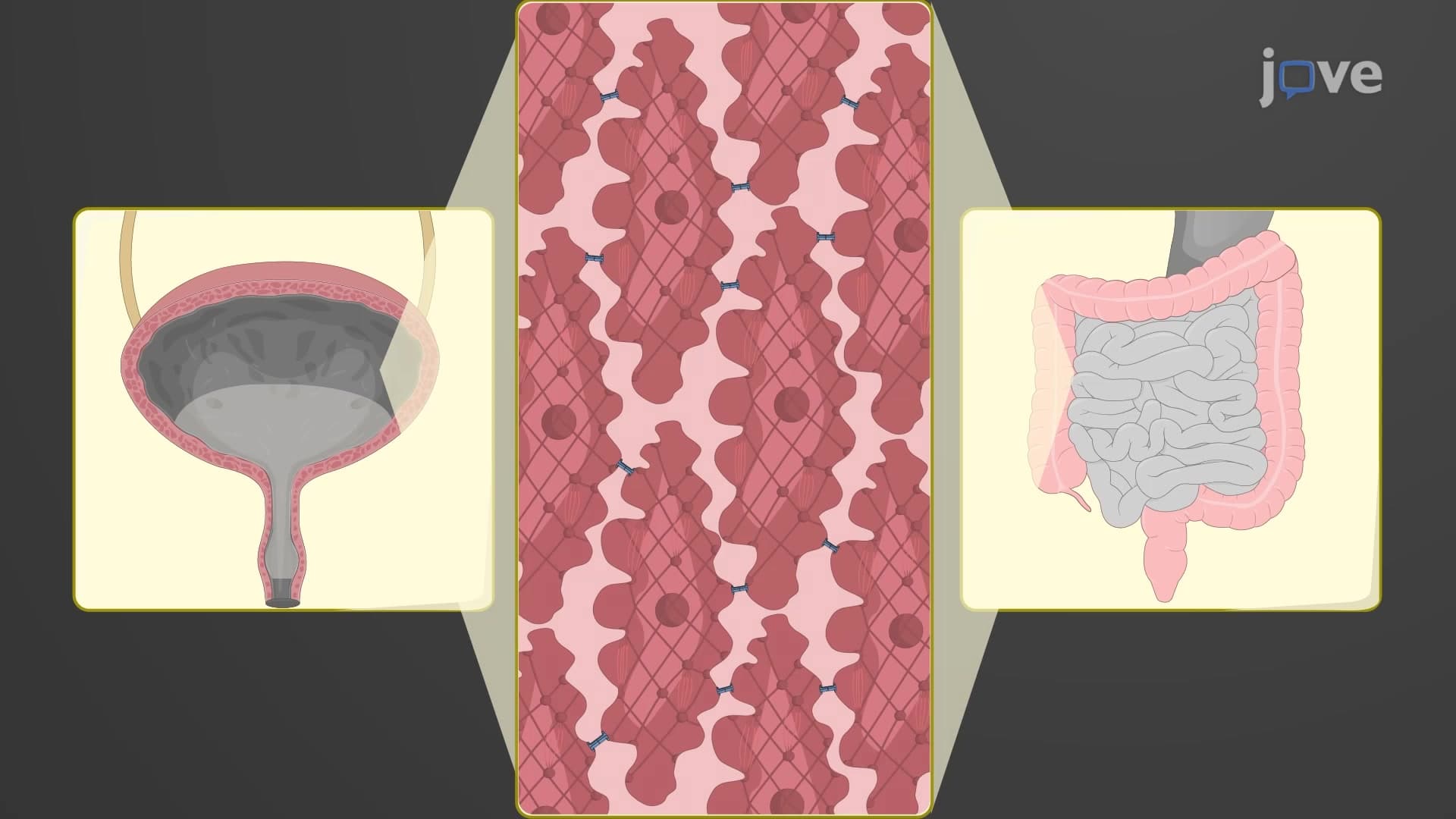
Bethanechol demonstrates remarkable clinical versatility in treating postoperative complications. Following abdominal surgery or cesarean sections, patients often experience neurogenic bladder dysfunction or paralytic ileus. Bethanechol's selective muscarinic action restores normal gastrointestinal motility and bladder function without significant cardiovascular effects, making it a preferred choice in US hospitals for managing these common postoperative challenges.
Pilocarpine and cevimeline represent naturally-derived compounds with distinct therapeutic niches. Pilocarpine eye drops remain a gold standard for glaucoma treatment, reducing intraocular pressure by increasing aqueous humor outflow through the trabecular meshwork. For AP Biology students studying plant secondary metabolites, pilocarpine exemplifies how botanical compounds translate into modern pharmaceuticals used by over 3 million American glaucoma patients.
Cevimeline's selectivity for M3 muscarinic receptors makes it particularly effective for treating Sjögren's syndrome, an autoimmune condition affecting approximately 4 million Americans. By specifically targeting salivary and lacrimal glands, cevimeline increases saliva and tear production without the broader muscarinic side effects associated with less selective agents.
Related Micro-courses