Loading video…


 24 Concepts
 53.5K views


Video Summary: Drugs Acting on Autonomic Ganglia Blockers Explained
Ever wondered how certain blood pressure medications can instantly lower dangerously high readings in hospital emergency rooms? Drugs acting autonomic ganglia blockers work by interrupting nerve signals at critical junction points in your nervous system. These powerful medications, like trimethaphan used in hypertensive crises at Johns Hopkins Hospital, block communication between nerve cells that control vital functions. Drugs Acting On Autonomic Ganglia Blockers Explained reveals how these agents target nicotinic receptors to prevent acetylcholine from transmitting signals. Watch the full video on JoVE Coach to master this concept with expert-led visuals and step-by-step explanations.
Ganglionic blockers represent a unique class of medications that target the communication hubs of your autonomic nervous system. Unlike other drugs that affect end organs directly, these agents interrupt nerve signals at the ganglia-the relay stations where preganglionic neurons connect to postganglionic neurons in both sympathetic and parasympathetic pathways.
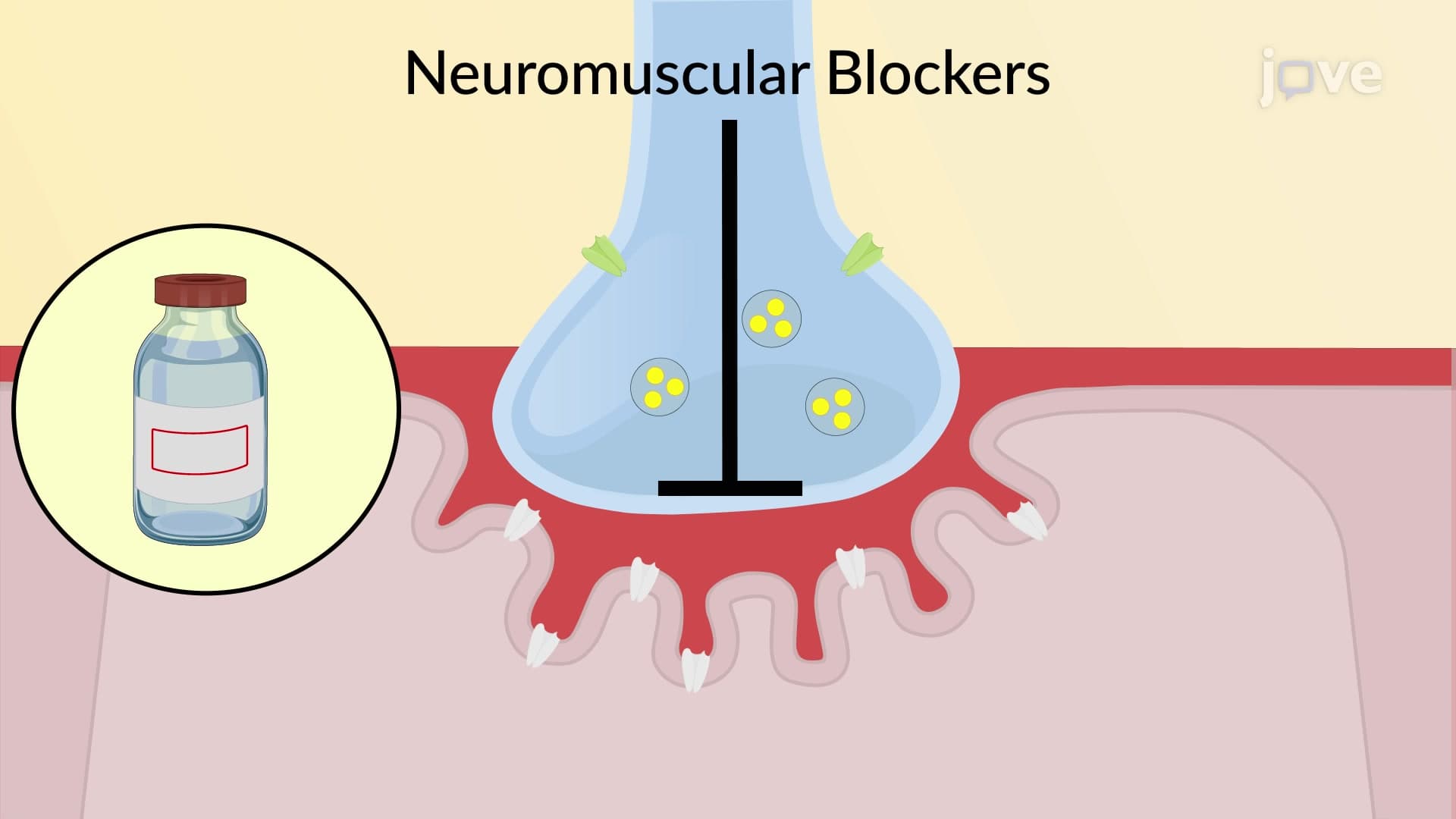
These drugs employ four distinct mechanisms to halt nerve transmission. Persistent depolarization blockers, like nicotine in high doses, continuously stimulate the postsynaptic neuron until it becomes unresponsive. Neurotransmitter release inhibitors prevent acetylcholine from being released from the presynaptic terminal. Competitive antagonists, such as hexamethonium (historically used), bind directly to nicotinic receptors, blocking acetylcholine access. Noncompetitive blockers physically obstruct the ion channels necessary for signal transmission, preventing sodium and calcium influx regardless of acetylcholine presence.
In modern US healthcare, ganglionic blockers serve specialized roles. Emergency departments at major medical centers like Mayo Clinic use these agents for hypertensive crises when blood pressure reaches life-threatening levels above 180/120 mmHg. The rapid vasodilation achieved through sympathetic ganglia blockade can prevent stroke and heart attack. Additionally, mecamylamine has shown promise in smoking cessation programs, helping patients overcome nicotine addiction by blocking nicotinic receptors.
Sympathetic ganglia blockade produces predictable cardiovascular changes. Arterial vasodilation reduces peripheral resistance, dropping blood pressure significantly. However, this triggers compensatory mechanisms-the heart rate increases (tachycardia) while cardiac output may decrease due to reduced venous return. Patients often experience orthostatic hypotension, feeling dizzy when standing quickly.
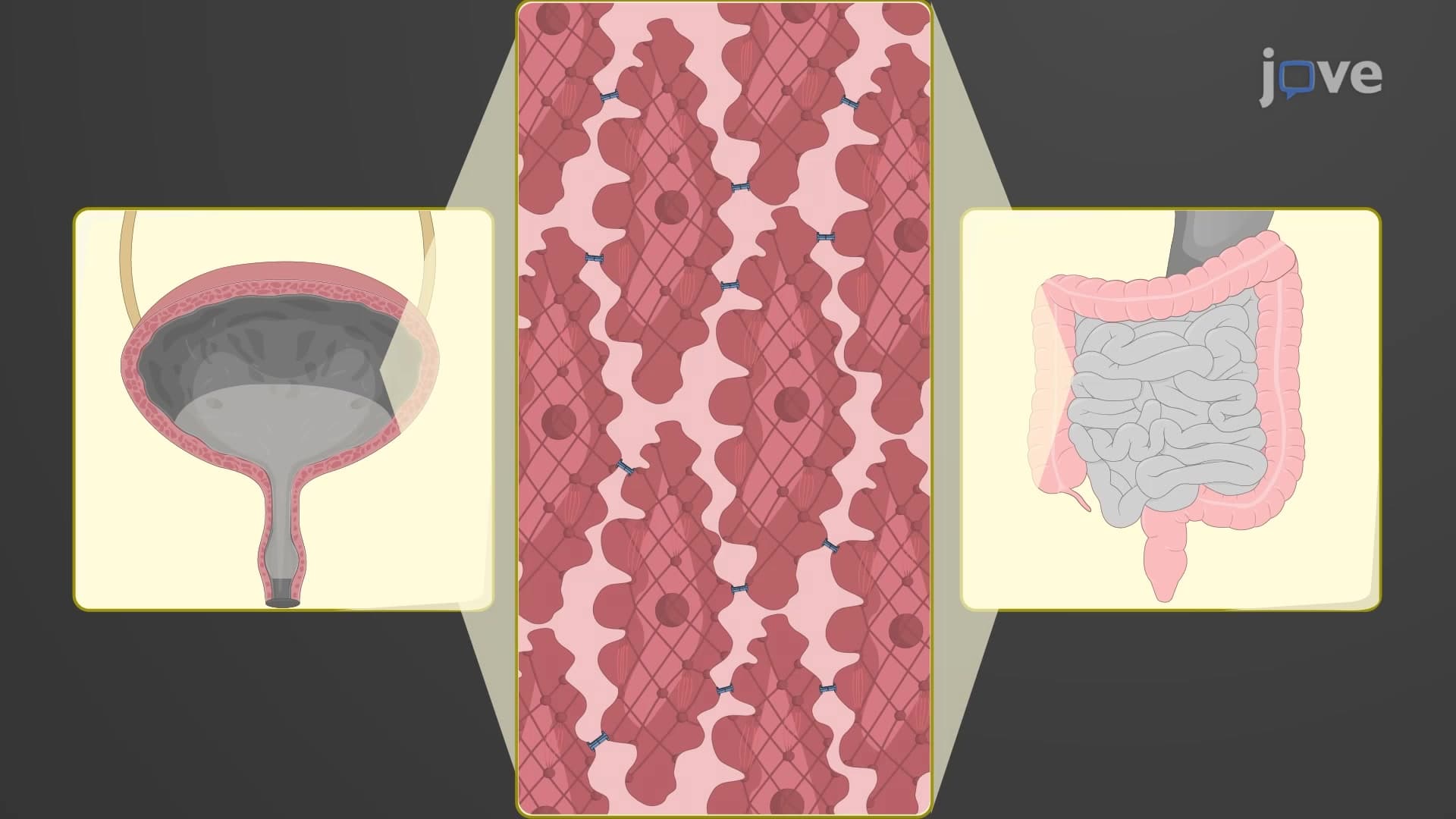
Parasympathetic blockade creates an entirely different symptom constellation. Students preparing for the MCAT or USMLE should remember the mnemonic "Can't see, can't pee, can't spit, can't shit"-cycloplegia (vision problems), urinary retention, dry mouth, and constipation respectively. These effects reflect the loss of parasympathetic "rest and digest" functions.
Understanding these concepts proves crucial for AP Biology students studying nervous system integration and college pharmacology courses covering autonomic drug mechanisms.
Related Micro-courses