Loading subject page…


53,516 views

Video Summary: Indirect Acting Cholinergic Agonists Pharmacological Actions Explained
Why do medications for Alzheimer's disease and glaucoma work through the same mechanism? Indirect acting cholinergic agonists boost acetylcholine levels throughout the body by blocking the enzymes that normally break it down. From helping patients with myasthenia gravis at Johns Hopkins Hospital regain muscle strength to lowering eye pressure in glaucoma treatment, these drugs demonstrate how indirect acting cholinergic agonists pharmacological actions explained reveals their versatile therapeutic potential. Watch the full video on JoVE Coach to master this concept with expert-led visuals and step-by-step explanations.
Unlike direct cholinergic agonists that bind to acetylcholine receptors, indirect acting cholinergic agonists work by preventing the breakdown of naturally occurring acetylcholine. These anticholinesterase drugs inhibit acetylcholinesterase, the enzyme responsible for hydrolyzing acetylcholine at synapses. This inhibition leads to acetylcholine accumulation, prolonging and intensifying cholinergic signaling throughout the nervous system.
The clinical significance becomes apparent when considering conditions like myasthenia gravis, where acetylcholine receptors are damaged by autoantibodies. At the Mayo Clinic and other leading medical centers, physicians prescribe anticholinesterases like pyridostigmine to compensate for this receptor loss by maximizing available acetylcholine.
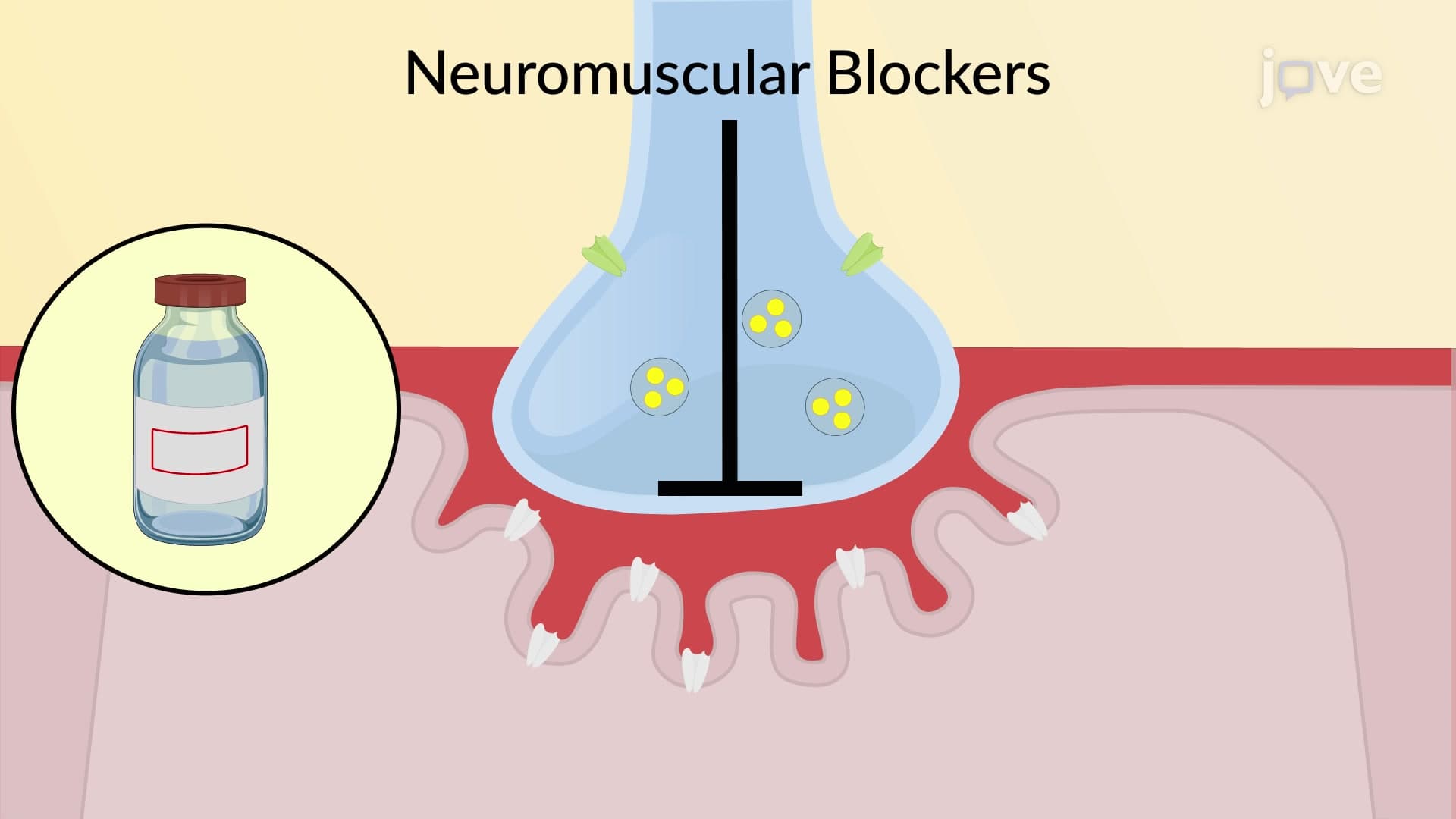
At the neuromuscular junction, anticholinesterases create sustained depolarization, extending the end-plate potential duration. This mechanism explains why patients with myasthenia gravis experience improved muscle strength after taking these medications. The characteristic muscle fasciculations observed during treatment result from repetitive nerve stimulation due to prolonged acetylcholine presence.
Students preparing for the MCAT should understand that this prolonged depolarization initially strengthens muscle contractions but can lead to depolarizing neuromuscular blockade at excessive doses-a concept frequently tested in pharmacology sections.
Anticholinesterases predominantly enhance parasympathetic activity throughout the autonomic nervous system. In ophthalmology, drugs like pilocarpine reduce intraocular pressure by increasing aqueous humor drainage, making them valuable glaucoma treatments at institutions like the Bascom Palmer Eye Institute.
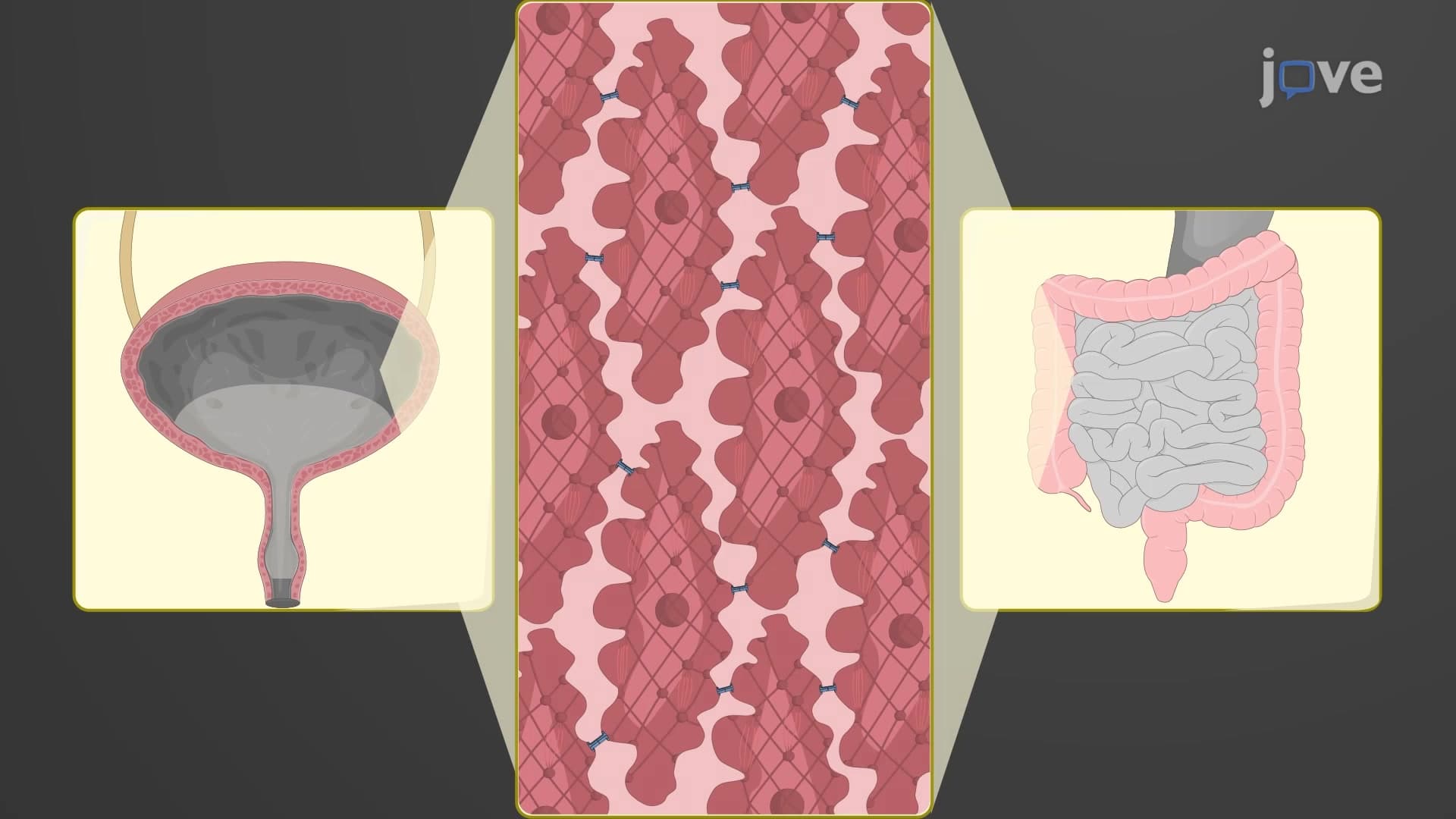
Cardiovascular effects include bradycardia and treatment of supraventricular tachycardia through enhanced vagal stimulation. Gastrointestinal applications involve treating neurogenic bladder and bowel atony by promoting smooth muscle contractions-particularly relevant in spinal cord injury patients at rehabilitation centers nationwide.
Within the CNS, anticholinesterases like donepezil and rivastigmine enhance cholinergic transmission in brain regions affected by Alzheimer's disease. The cholinergic hypothesis of dementia suggests that cognitive decline correlates with reduced acetylcholine levels in the hippocampus and cortex.
Low therapeutic doses initially produce cognitive enhancement and improved memory formation. However, AP Biology students should note that higher doses can paradoxically cause CNS depression, seizures, and potentially fatal respiratory failure-demonstrating the critical importance of proper dosing in clinical practice.
Related Micro-courses