Loading subject page…


53,517 views


Video Summary: What are Classification of Neurotransmitters
Ever wonder how a single thought triggers your hand to move, or why caffeine keeps you alert during finals week? The classification neurotransmitters system reveals how different chemical messengers control everything from your heartbeat to muscle contractions. In the US healthcare system, understanding acetylcholine's role in anesthesia helps doctors safely perform millions of surgeries annually. What are classification of neurotransmitters becomes clearer when you see how cholinergic and adrenergic systems work like specialized postal services in your nervous system. Watch the full video on JoVE Coach to master this concept with expert-led visuals and step-by-step explanations.
The classification neurotransmitters system organizes chemical messengers based on their structure, function, and target receptors. This systematic approach helps medical students and researchers predict how different drugs will affect the nervous system. For AP Biology and college neuroscience courses, mastering this classification provides the foundation for understanding complex neurological conditions treated in US hospitals.
The most fundamental classification of neurotransmitters definition centers on cholinergic and adrenergic systems. Cholinergic neurons release acetylcholine, while adrenergic neurons release noradrenaline (norepinephrine). This distinction appears frequently on MCAT exams because it explains how medications like beta-blockers (used for hypertension in millions of Americans) specifically target adrenergic receptors without affecting cholinergic pathways.
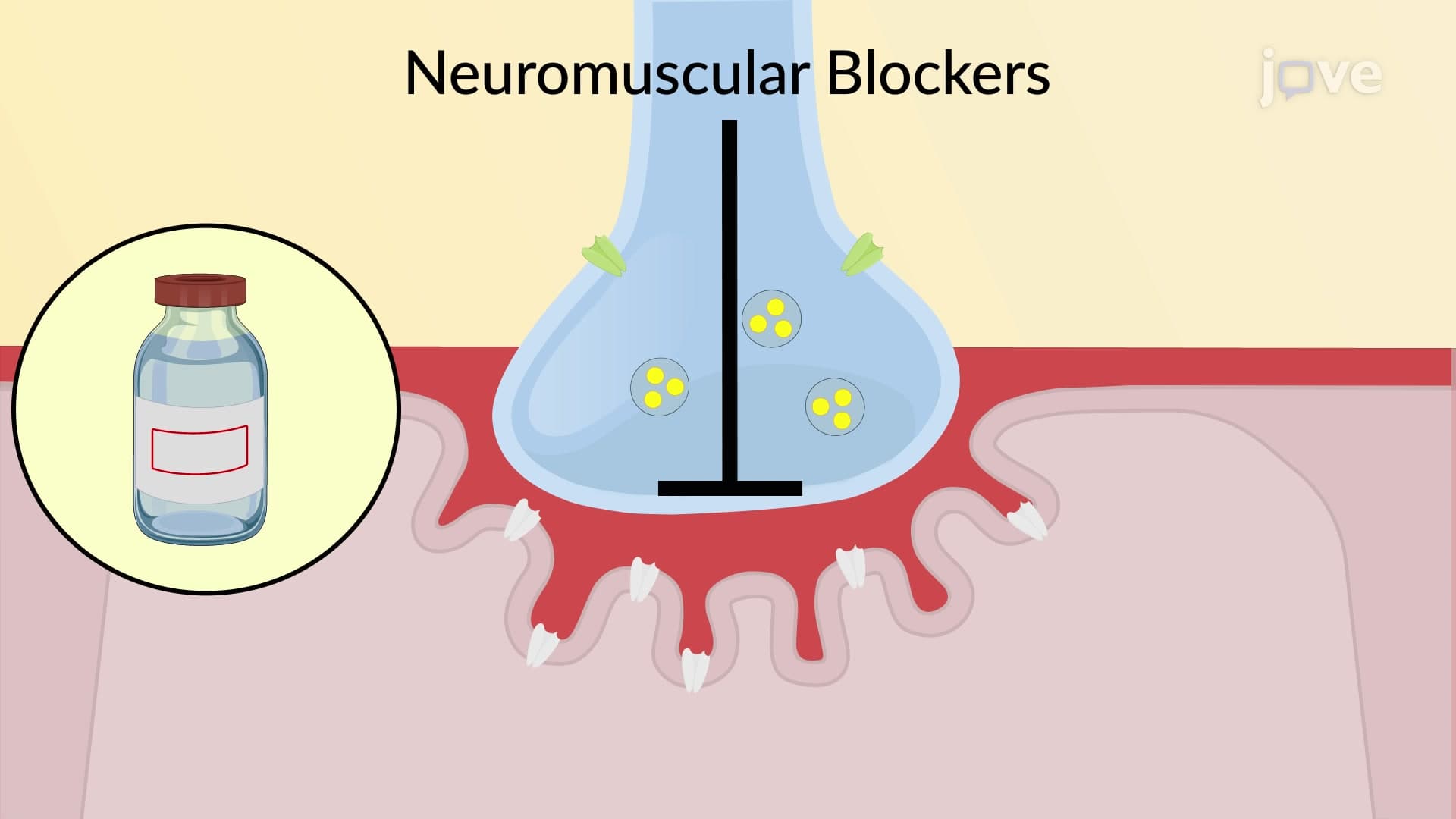
Acetylcholine serves multiple roles: it connects all preganglionic neurons to autonomic ganglia, enables voluntary muscle contraction at neuromuscular junctions, and mediates parasympathetic postganglionic transmission. In contrast, sympathetic postganglionic neurons are predominantly adrenergic, releasing noradrenaline to prepare the body for "fight-or-flight" responses.
Beyond the classical cholinergic-adrenergic framework, non-adrenergic non-cholinergic (NANC) transmitters like vasoactive intestinal peptide (VIP) add sophisticated control mechanisms. This classification neurotransmitters overview becomes clinically relevant when treating conditions like gastroparesis, where VIP's role in gastrointestinal motility directly impacts patient care in US medical centers.
Co-transmission represents another layer of complexity, where neurons simultaneously release multiple neurotransmitters. For example, cholinergic neurons often co-release VIP with acetylcholine, creating synergistic effects that fine-tune physiological responses. This concept frequently appears in college pharmacology courses and USMLE Step 1 examinations.
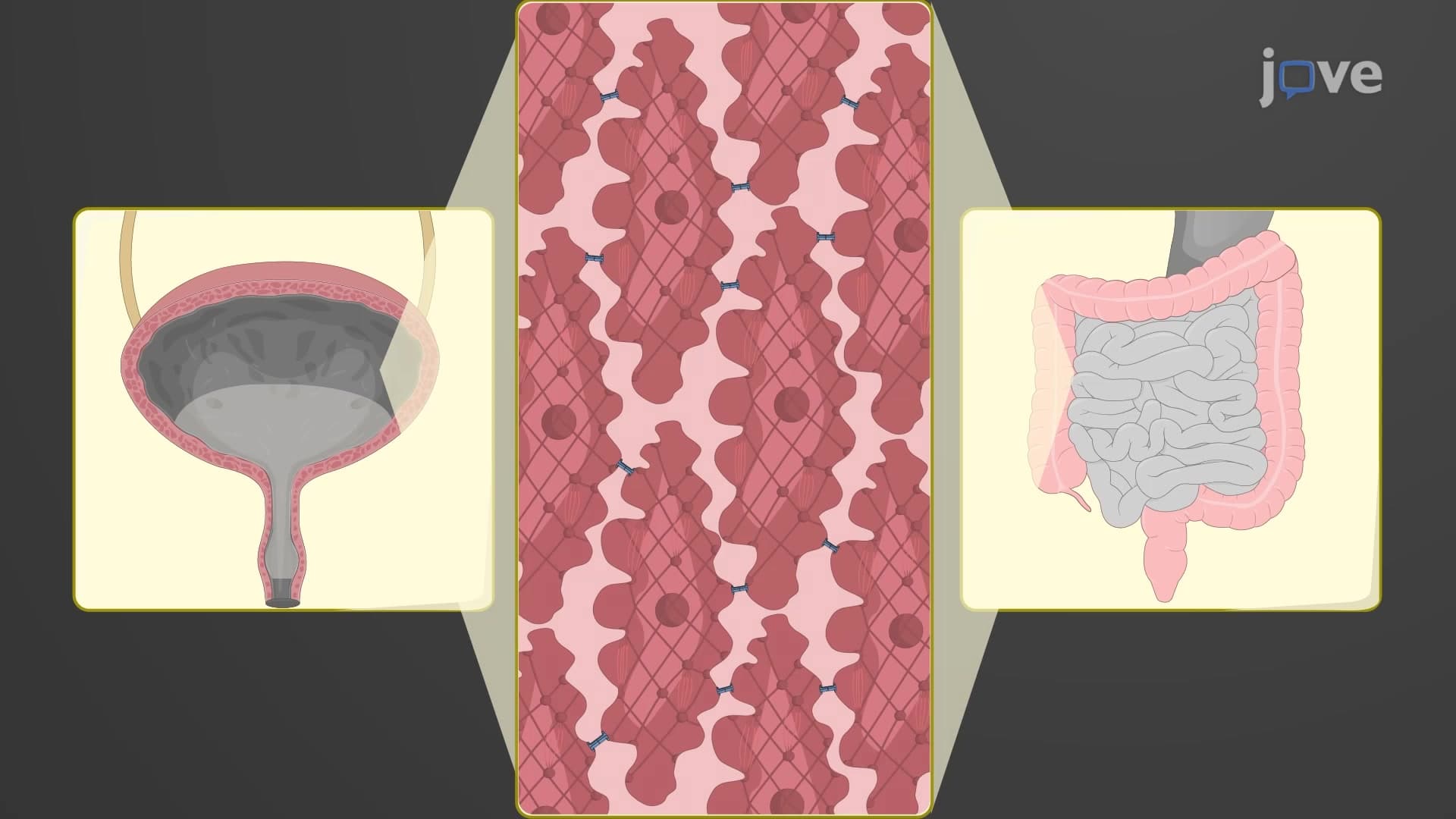
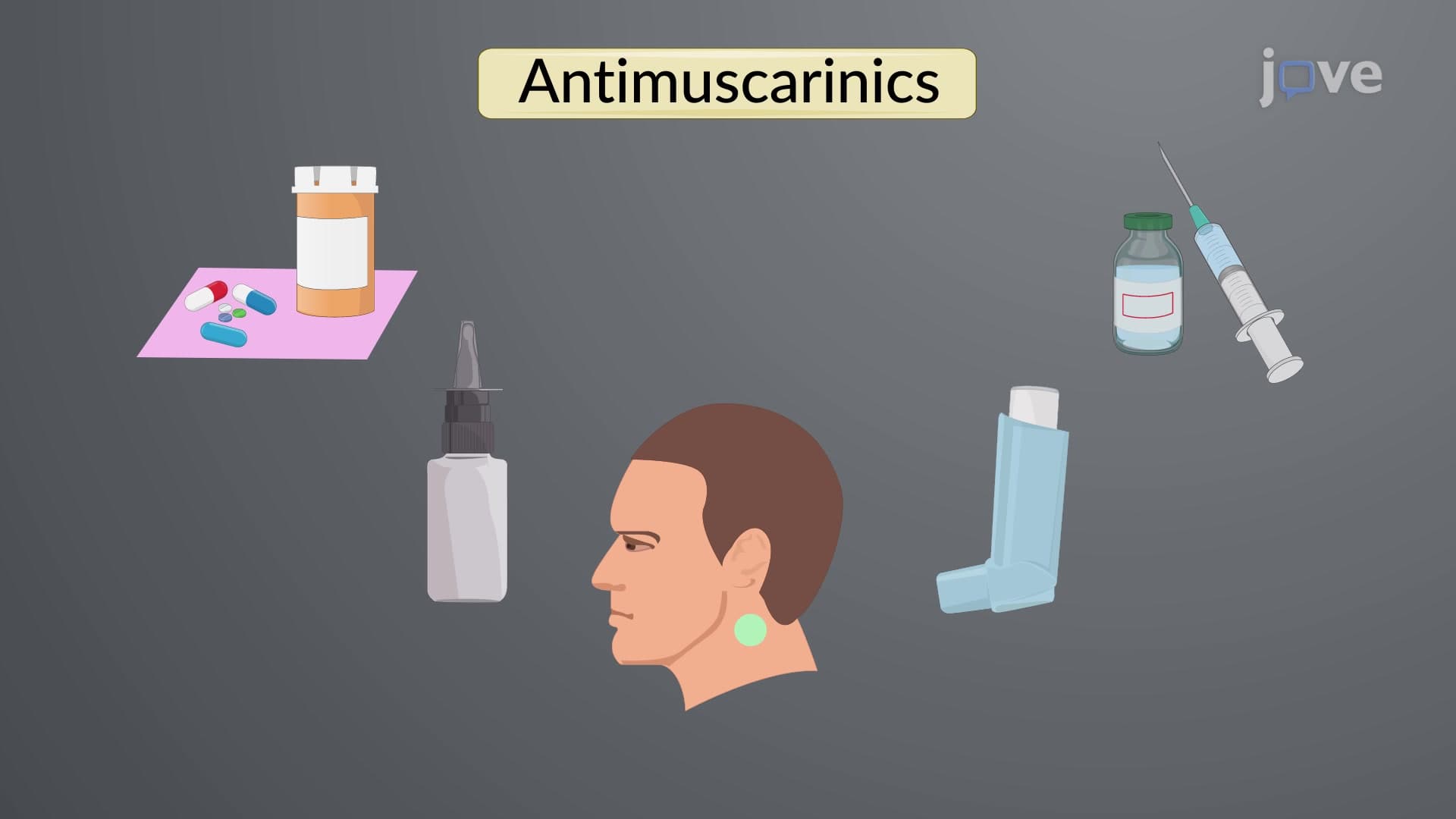
The classification of neurotransmitters study guide must emphasize receptor specificity, as this determines therapeutic drug targets. US pharmaceutical companies develop medications based on these classifications-anticholinergic drugs treat overactive bladder by blocking acetylcholine receptors, while adrenergic agonists like epinephrine save lives during anaphylactic reactions in emergency departments nationwide.
Related Micro-courses