Loading subject page…


53,517 views


Video Summary: What are Myasthenia Gravis Diagnostic Tests
Did you know that a simple 10-minute test can determine if your muscle weakness is caused by a rare autoimmune condition? Myasthenia gravis diagnostic tests are specialized procedures that help doctors identify this neuromuscular disorder, which affects approximately 20 out of every 100,000 Americans, including celebrities like David Niven. These tests reveal whether muscle weakness stems from faulty communication between nerves and muscles. Watch the full video on JoVE Coach to master this concept with expert-led visuals and step-by-step explanations.
Myasthenia gravis diagnostic tests represent a comprehensive approach to identifying one of the most challenging neuromuscular disorders in clinical medicine. This autoimmune condition disrupts the normal communication between motor neurons and skeletal muscles, leading to progressive weakness that worsens with activity and improves with rest. For students preparing for the MCAT or advanced placement biology exams, understanding these diagnostic procedures is crucial for grasping neuromuscular physiology concepts.
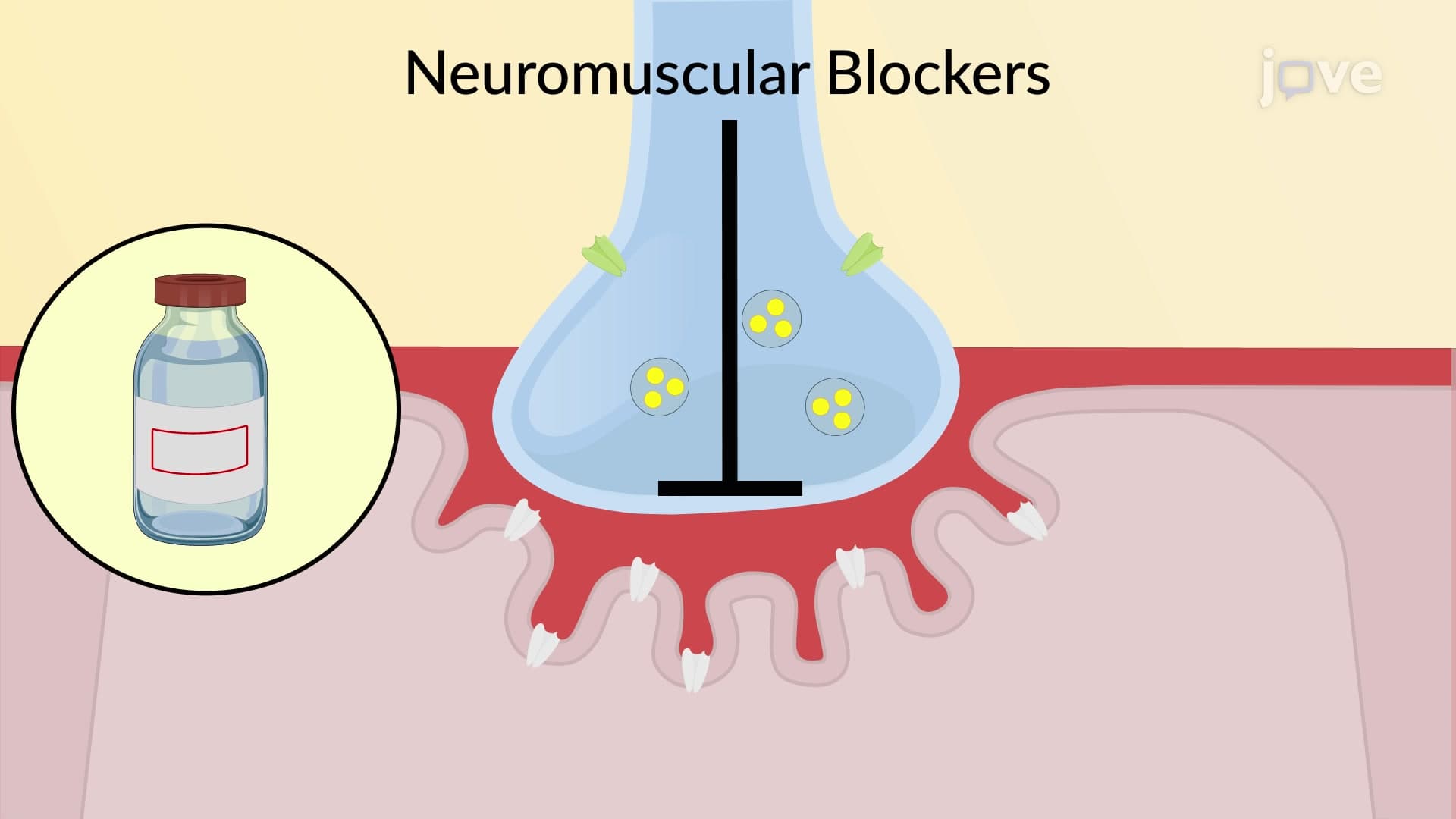
The edrophonium test, also known as the Tensilon test, serves as the classic diagnostic procedure for myasthenia gravis. This test exploits the drug's ability to temporarily block acetylcholinesterase, the enzyme responsible for breaking down acetylcholine at the neuromuscular junction. Healthcare providers at major medical centers like Johns Hopkins and Mayo Clinic begin with a 2-milligram intravenous dose, carefully monitoring the patient for 45 seconds. If no improvement occurs, an additional 8-milligram dose is administered. A positive test shows dramatic, though temporary, improvement in muscle strength lasting approximately 5 minutes.
Electromyography (EMG) and repetitive nerve stimulation provide objective measurements of muscle and nerve function in suspected myasthenia gravis cases. During repetitive nerve stimulation testing, neurologists deliver electrical impulses at frequencies of 2-3 Hz to specific muscle groups. In myasthenia gravis patients, this reveals a characteristic decremental response-muscle action potentials progressively weaken with repeated stimulation, reflecting the underlying acetylcholine receptor dysfunction. This pattern appears distinctly different from normal individuals or those with other neuromuscular conditions.
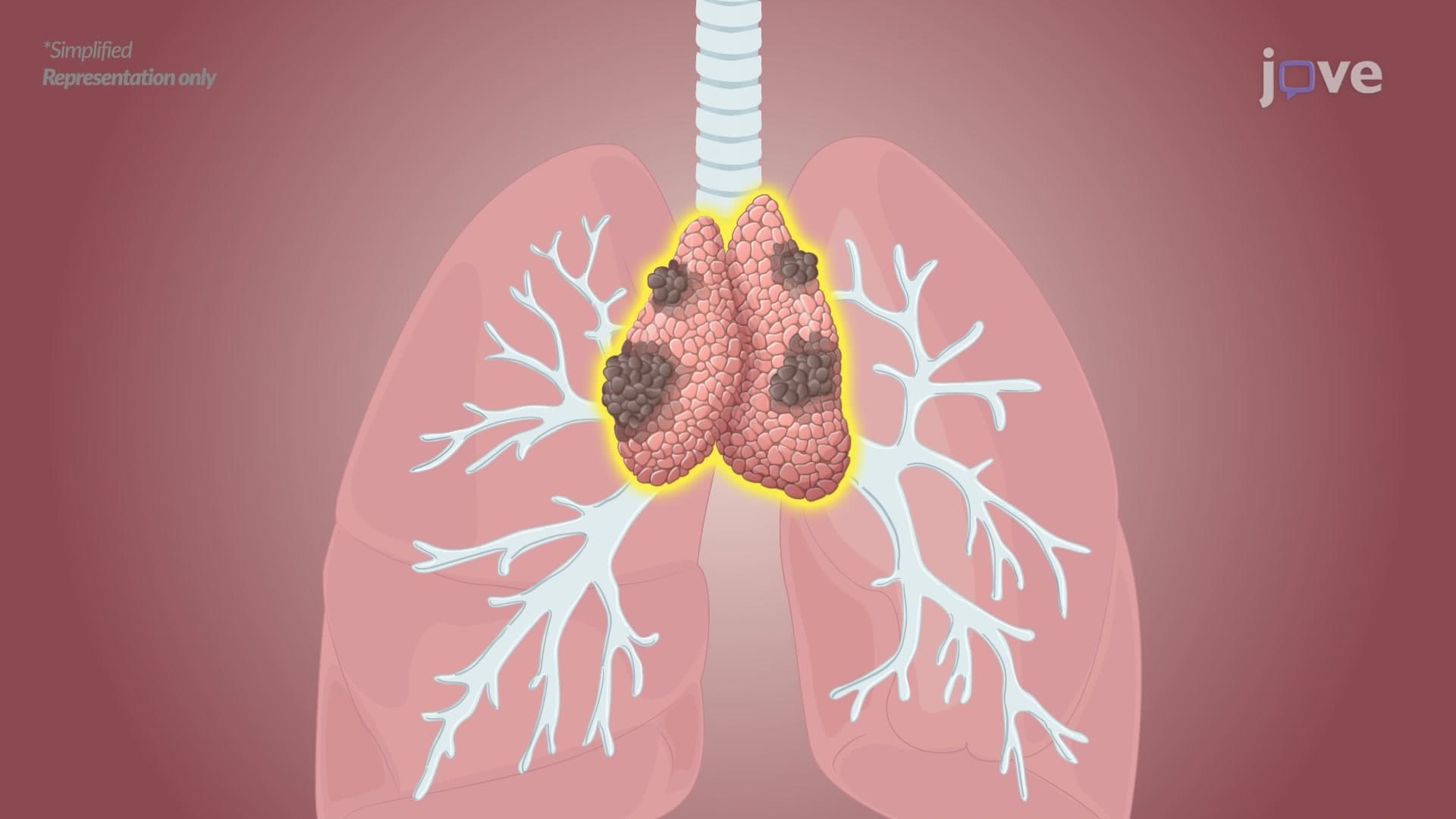
Blood tests detecting anti-acetylcholine receptor antibodies confirm the autoimmune nature of myasthenia gravis in approximately 85% of patients with generalized disease. These antibodies directly block or destroy acetylcholine receptors at the neuromuscular junction, explaining the muscle weakness symptoms. Additionally, because 10-15% of myasthenia gravis patients develop thymic tumors (thymomas), chest CT scans or MRI imaging help identify thymus gland abnormalities. This connection between thymic pathology and myasthenia gravis represents an important clinical association frequently tested on medical licensing examinations like the USMLE.
Related Micro-courses