Loading subject page…


53,517 views

Video Summary: What Is Cholinergic Antagonists Pharmacokinetics
Did you know that eye drops containing cholinergic antagonists can affect your entire body differently than the same drug taken as a pill? Cholinergic antagonists pharmacokinetics determines how these medications move through your system, explaining why atropine eye drops used during eye exams in US clinics have minimal systemic effects compared to oral scopolamine patches used for motion sickness. Understanding what is cholinergic antagonists pharmacokinetics reveals the fascinating science behind drug absorption, distribution, and elimination that impacts every medication interaction. Watch the full video on JoVE Coach to master this concept with expert-led visuals and step-by-step explanations.
Cholinergic antagonists pharmacokinetics encompasses the complex journey these medications take through the human body, from initial administration to final elimination. These drugs, primarily antimuscarinics, block acetylcholine receptors and include medications ranging from atropine used in emergency medicine to tiotropium prescribed for chronic obstructive pulmonary disease (COPD) patients across US healthcare systems.
The pharmacokinetic profile of these agents is fundamentally determined by their chemical structure. This concept appears frequently on the MCAT and in advanced placement (AP) Biology courses, where students must understand structure-activity relationships.
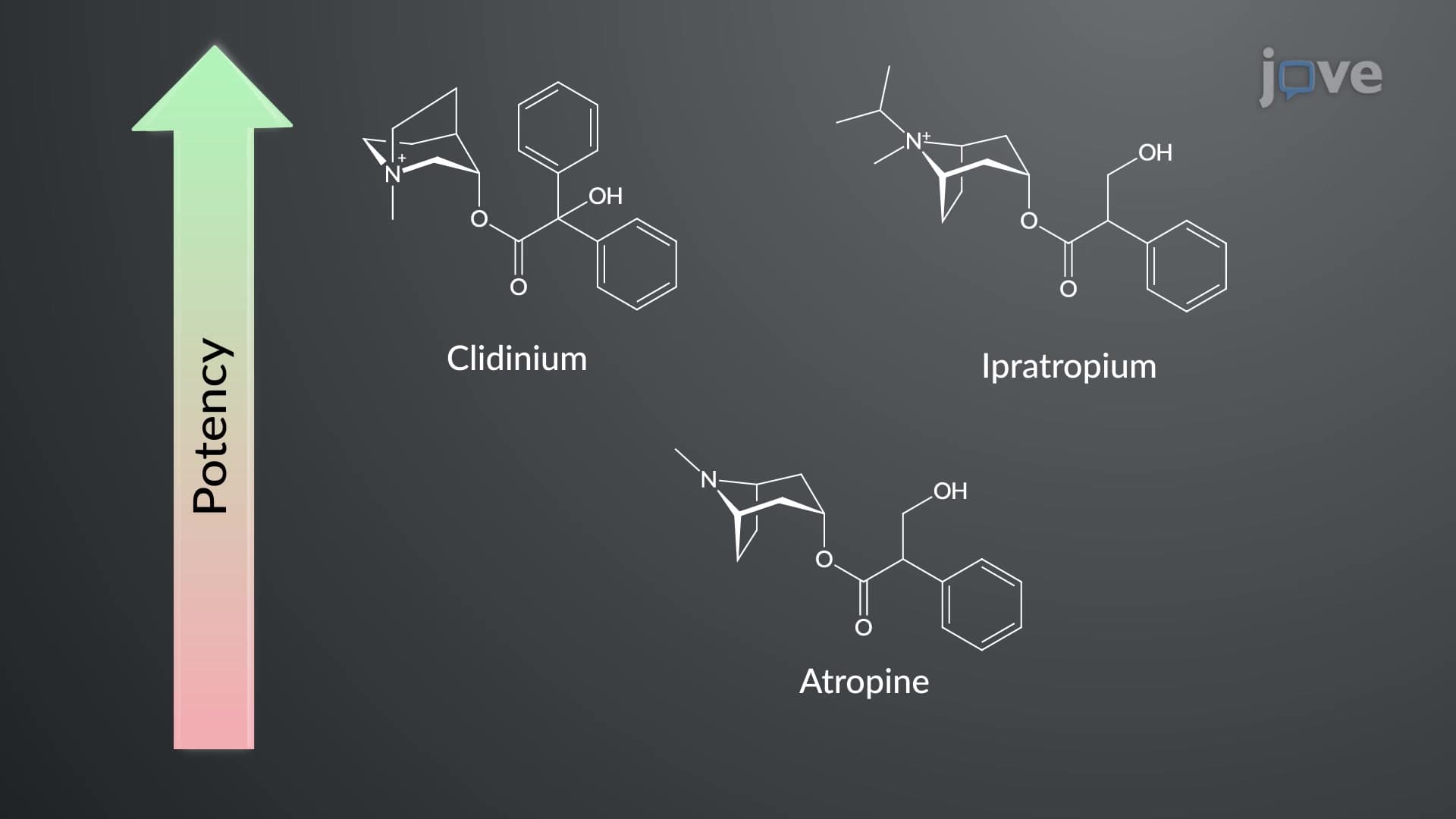
The distinction between quaternary and tertiary antimuscarinic compounds represents a cornerstone principle in medicinal chemistry. Quaternary compounds like ipratropium bromide, commonly prescribed for asthma in US emergency departments, carry a permanent positive charge that severely limits lipid solubility. This ionic nature restricts their ability to cross lipid membranes, including the blood-brain barrier, resulting in localized effects with minimal systemic absorption.
Conversely, tertiary compounds such as scopolamine demonstrate superior lipid solubility, enabling efficient absorption across multiple administration routes. This explains why scopolamine transdermal patches effectively prevent motion sickness during cruise ship travel-a popular application among US tourists-while producing minimal gastrointestinal side effects compared to oral alternatives.
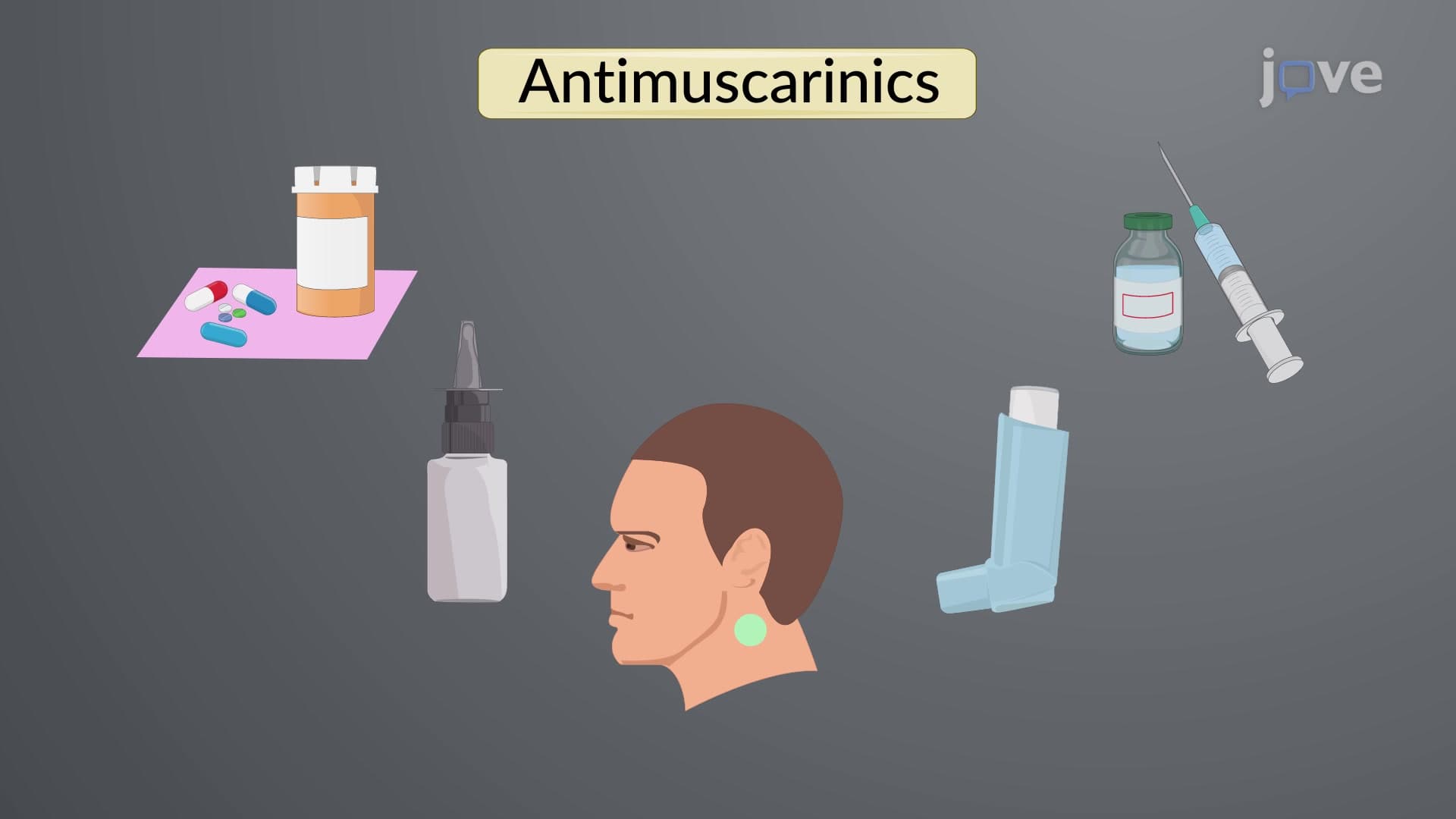
The route of administration dramatically influences therapeutic outcomes for cholinergic antagonists. Oral administration faces challenges due to poor gut absorption, particularly for quaternary compounds. This pharmacokinetic limitation explains why ipratropium is administered via nebulizer for respiratory conditions rather than oral tablets.
Topical applications, including ophthalmic drops containing tropicamide used in US optometry clinics, provide localized effects while minimizing systemic exposure. Transdermal delivery systems offer sustained drug release, making them ideal for long-term therapy management.
Understanding these pharmacokinetic principles proves essential for healthcare providers managing polypharmacy patients. The additive anticholinergic effects observed when combining antimuscarinics with antihistamines, antipsychotics, or tricyclic antidepressants can lead to dangerous anticholinergic toxicity-a condition frequently encountered in US emergency departments treating elderly patients.
The delayed gastric emptying caused by antimuscarinic agents creates additional clinical considerations, potentially altering the absorption kinetics of co-administered medications and requiring dose timing adjustments in complex medication regimens.
Related Micro-courses