Loading subject page…


53,517 views


Video Summary: What Is Cholinergic Antagonists Therapeutic Uses
Did you know that the same class of drugs used to dilate pupils during your eye exam at the doctor's office can also save lives during heart attacks? Cholinergic antagonists therapeutic uses span from treating motion sickness on a cross-country road trip to managing Parkinson's disease symptoms in patients at Johns Hopkins Hospital. These versatile medications work by blocking parasympathetic nerve signals, making what is cholinergic antagonists therapeutic uses a crucial topic for understanding modern medical treatments. Watch the full video on JoVE Coach to master this concept with expert-led visuals and step-by-step explanations.
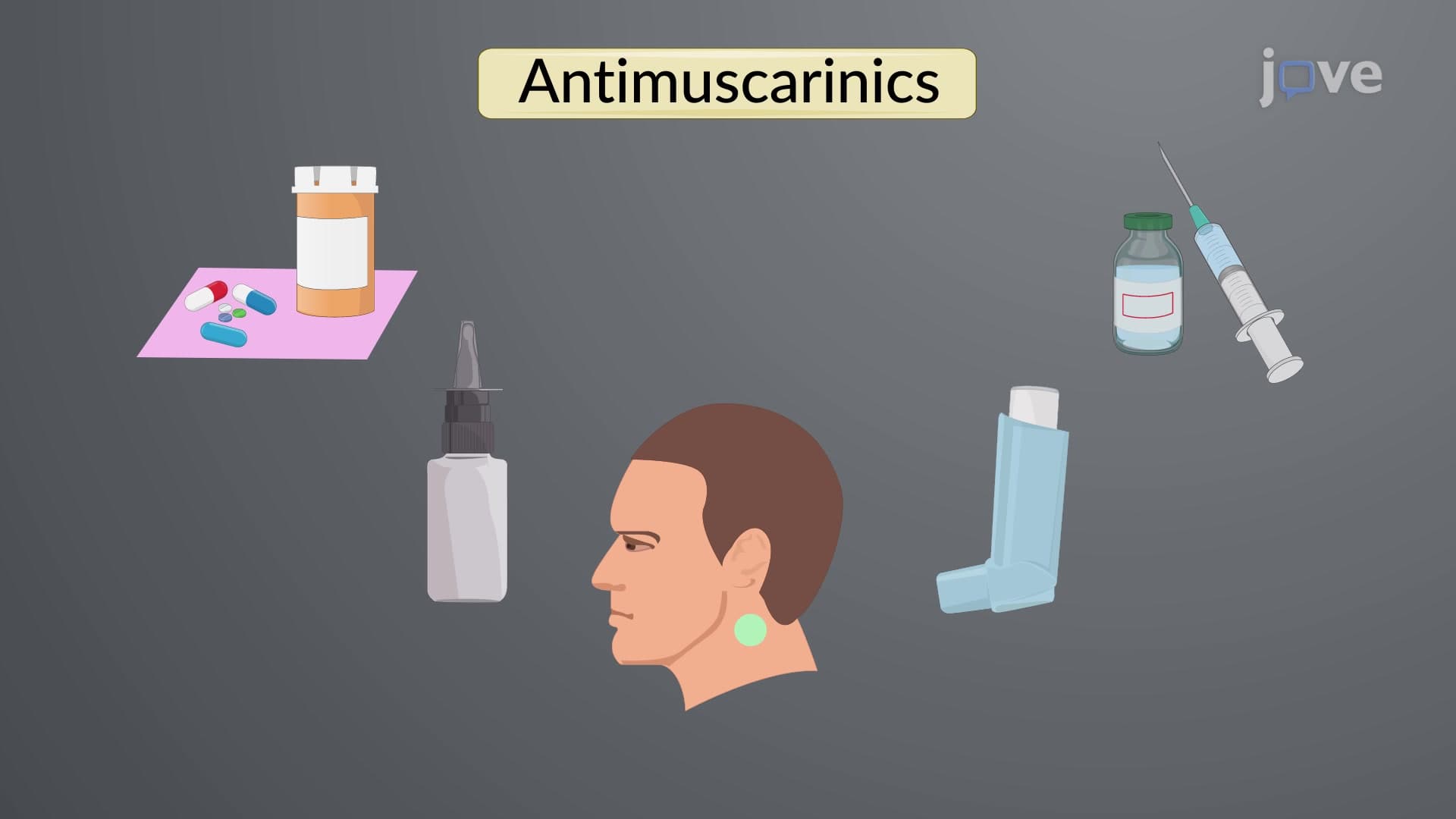
Cholinergic antagonists therapeutic uses represent one of pharmacology's most diverse applications, spanning nearly every organ system in the human body. These medications, primarily antimuscarinics, work by blocking acetylcholine receptors at parasympathetic nerve terminals, effectively "turning off" the body's rest-and-digest responses when therapeutically beneficial.
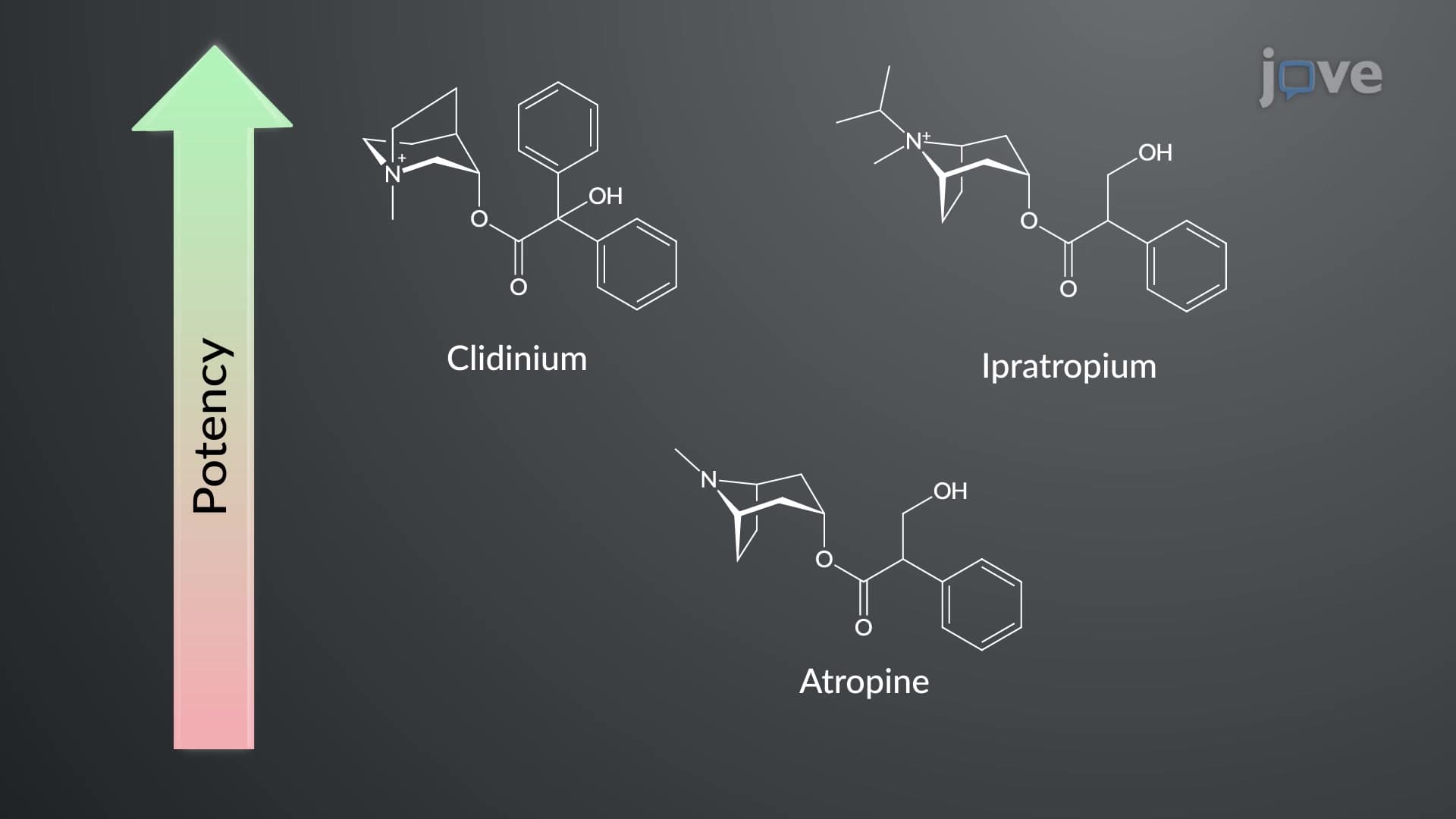
In cardiovascular emergencies, cholinergic antagonists serve as life-saving interventions. When patients at major medical centers like Mayo Clinic experience bradycardia during heart attacks, atropine (a classic antimuscarinic) can rapidly increase heart rate by blocking vagal stimulation. This cholinergic antagonists therapeutic definition becomes critical during partial heart blocks, where the heart's electrical conduction system requires pharmaceutical intervention to maintain adequate cardiac output.
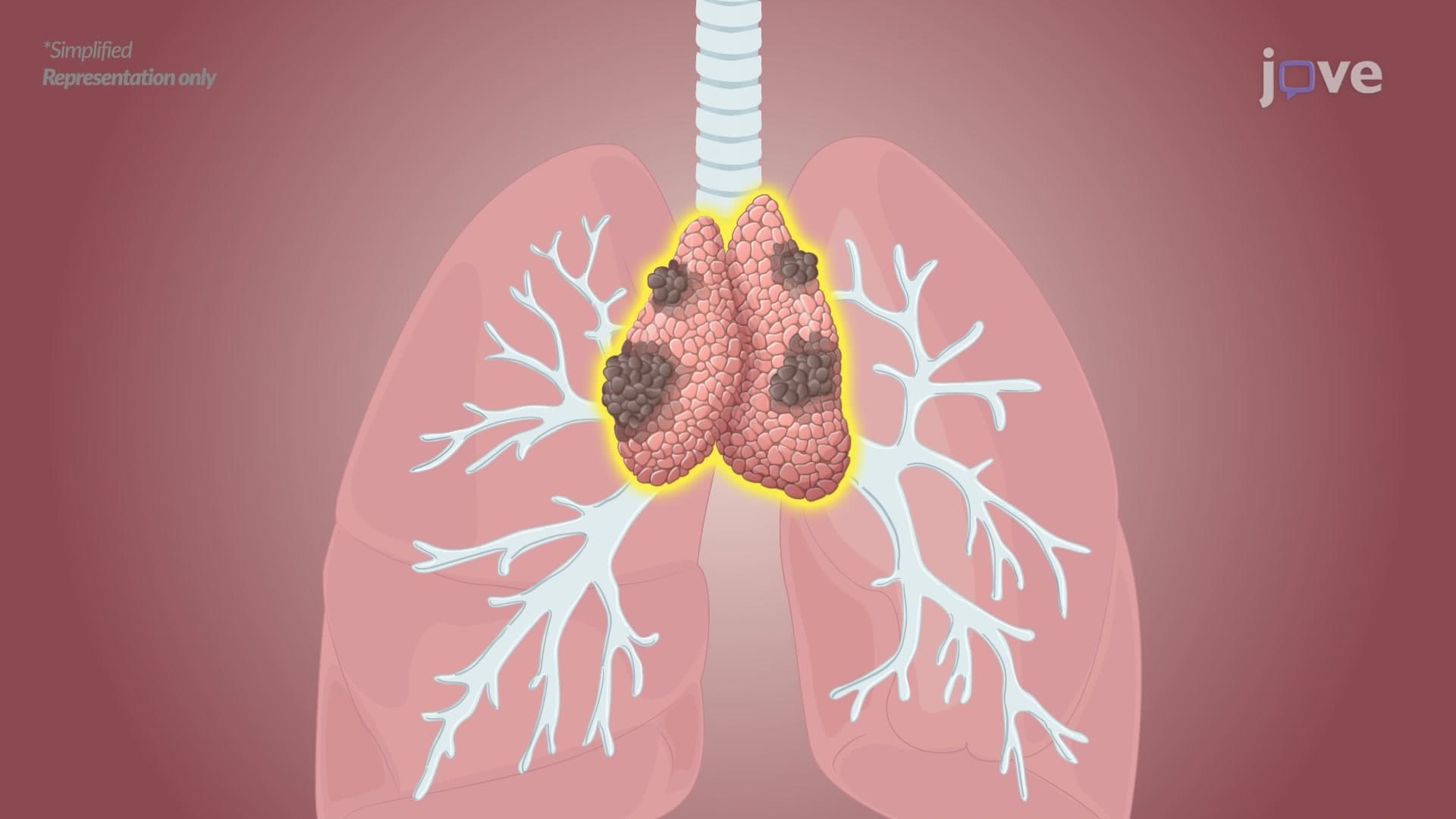
The bronchodilator effects of cholinergic antagonists make them cornerstone treatments for respiratory conditions. Ipratropium bromide, commonly prescribed across US hospitals, blocks muscarinic receptors in bronchial smooth muscle, providing relief for asthma patients and those with COPD. This mechanism proves particularly valuable when students study for AP Biology exams, as it demonstrates direct autonomic nervous system pharmacology in action.
In neurology departments at institutions like Cleveland Clinic, antimuscarinics address specific Parkinson's disease symptoms including excessive salivation (sialorrhea) and tremors. The cholinergic antagonists therapeutic uses study guide applications extend to ophthalmology, where drugs like tropicamide create mydriasis (pupil dilation) and cycloplegia (lens muscle paralysis) essential for thorough retinal examinations. These effects result from blocking muscarinic receptors controlling iris and ciliary muscle contraction.
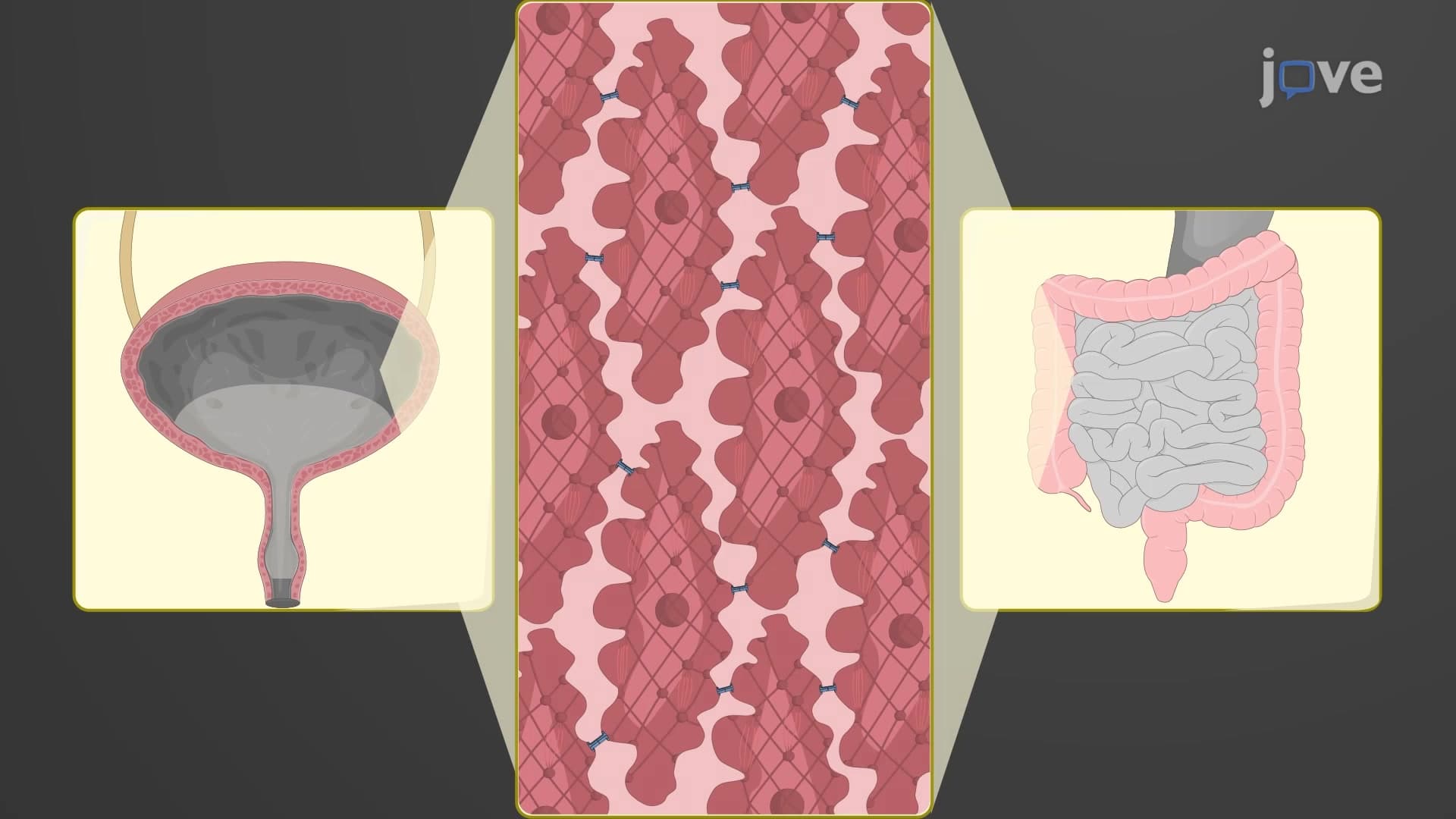
The antispasmodic properties of cholinergic antagonists provide therapeutic relief for inflammatory bowel syndrome patients by relaxing intestinal smooth muscle. Similarly, these medications effectively treat overactive bladder by reducing detrusor muscle contractions. Medical students preparing for MCAT pharmacology sections frequently encounter these applications, as they demonstrate clear structure-function relationships in autonomic pharmacology.
Related Micro-courses