Loading video…


 24 Concepts
 53.5K views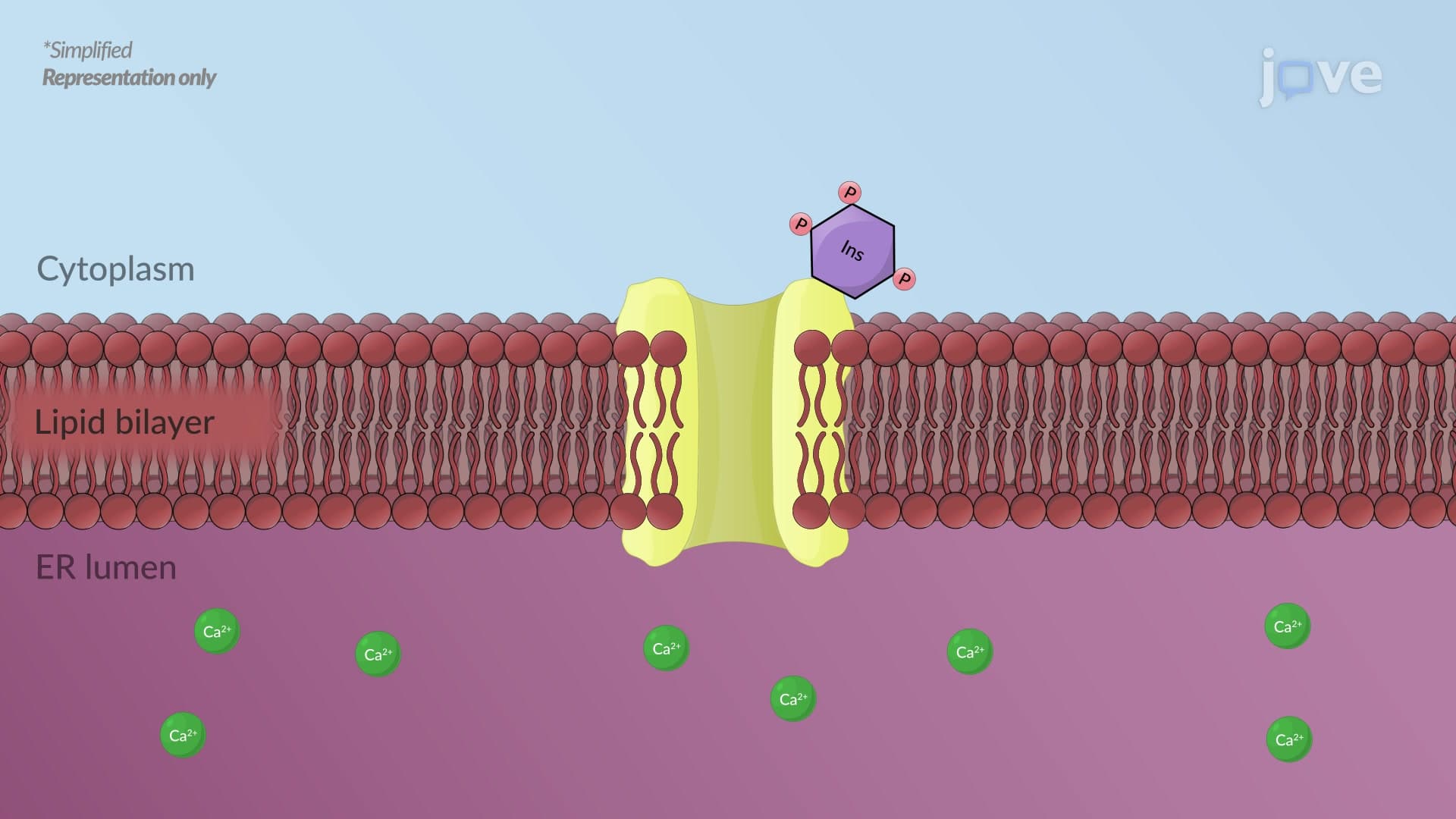

Video Summary: What Is Cholinergic Receptors Muscarinic
Ever wonder why your heart rate slows when you're relaxed, but your pupils constrict in bright light? The answer lies in cholinergic receptors muscarinic, specialized proteins that control these opposite responses throughout your nervous system. These G-protein coupled receptors respond to the neurotransmitter acetylcholine and are found everywhere from your brain to your digestive system, with subtypes like M1 and M2 receptors producing dramatically different effects in cardiac patients at Johns Hopkins Hospital. Watch the full video on JoVE Coach to master this concept with expert-led visuals and step-by-step explanations.
Cholinergic receptors muscarinic represent one of the two major classes of acetylcholine receptors in the human nervous system. Named after their selective affinity for the mushroom alkaloid muscarine, these receptors are fundamentally different from their nicotinic counterparts. While nicotinic receptors function as ion channels, muscarinic receptors are G-protein coupled receptors (GPCRs) that trigger complex intracellular signaling cascades.
The structural sophistication of muscarinic receptors allows for five distinct subtypes (M1 through M5), each with unique tissue distribution and physiological roles. This diversity explains why a single neurotransmitter, acetylcholine, can produce such varied effects throughout the body-from slowing heart rate to stimulating digestive secretions.
The functional complexity of muscarinic receptors stems from their coupling to different G-proteins. Odd-numbered subtypes (M1, M3, M5) couple to Gq proteins, activating phospholipase C and generating two crucial second messengers: inositol trisphosphate (IP3) and diacylglycerol (DAG). This IP3/DAG pathway ultimately increases intracellular calcium levels, triggering responses like smooth muscle contraction and glandular secretion.
Conversely, even-numbered subtypes (M2, M4) couple to Gi proteins, which inhibit adenylyl cyclase activity. This reduces cyclic adenosine monophosphate (cAMP) levels and opens potassium channels, leading to membrane hyperpolarization. This mechanism is particularly important in cardiac tissue, where M2 receptor activation slows heart rate-a principle utilized in emergency medicine when treating tachycardia patients at major medical centers like Mayo Clinic.
The strategic distribution of muscarinic receptor subtypes reflects their specialized functions. M1 receptors predominate in the central nervous system and autonomic ganglia, making them crucial for cognitive function and memory formation. Research at Stanford University has linked M1 receptor dysfunction to Alzheimer's disease progression, highlighting their therapeutic importance.
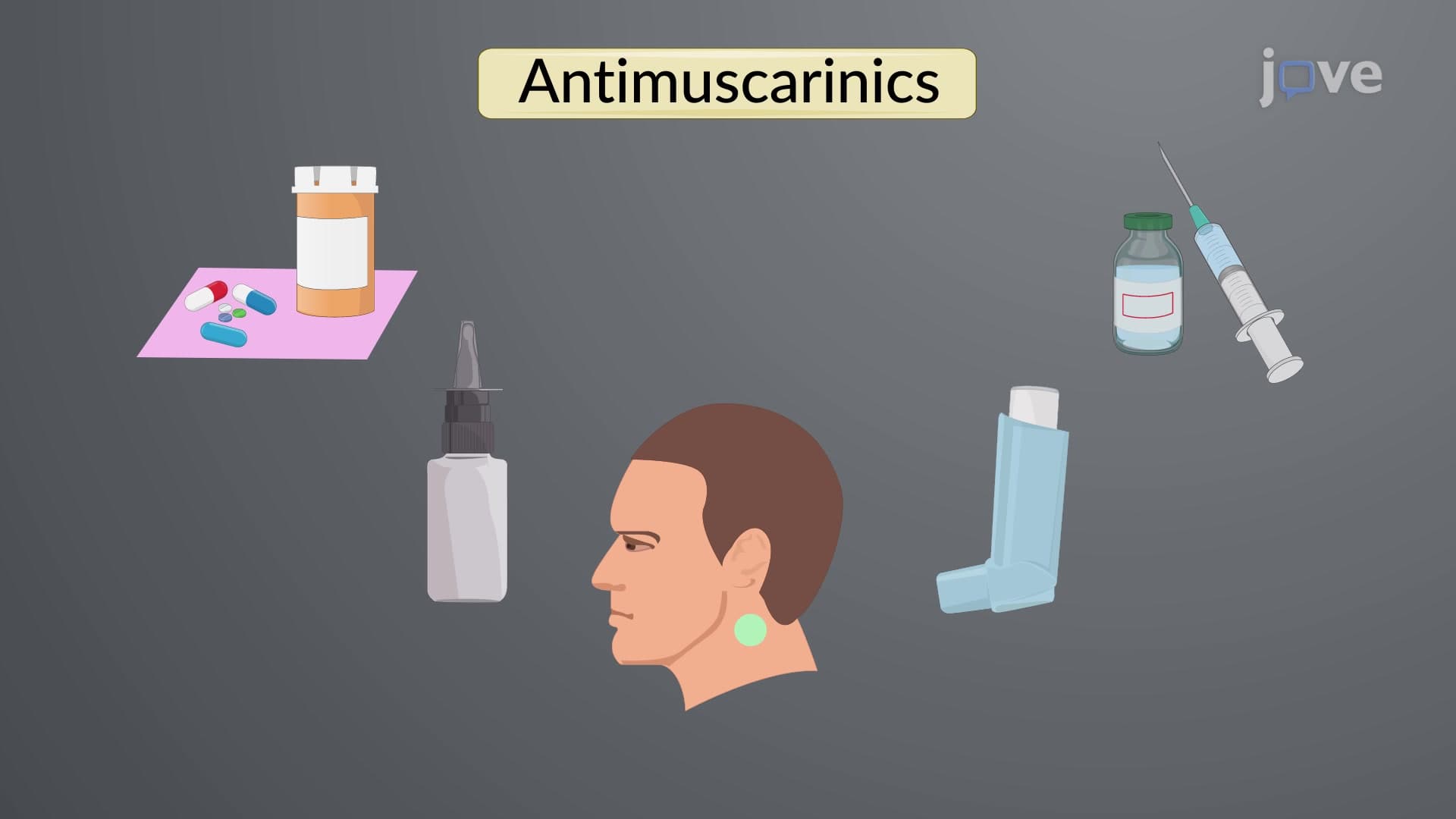
M2 receptors in cardiac tissue regulate heart rate and contractility, while M3 receptors in smooth muscle and exocrine glands control everything from bronchial constriction to salivary secretion. Understanding this distribution is essential for MCAT preparation and clinical medicine, as it explains why anticholinergic medications can cause side effects ranging from dry mouth to urinary retention.
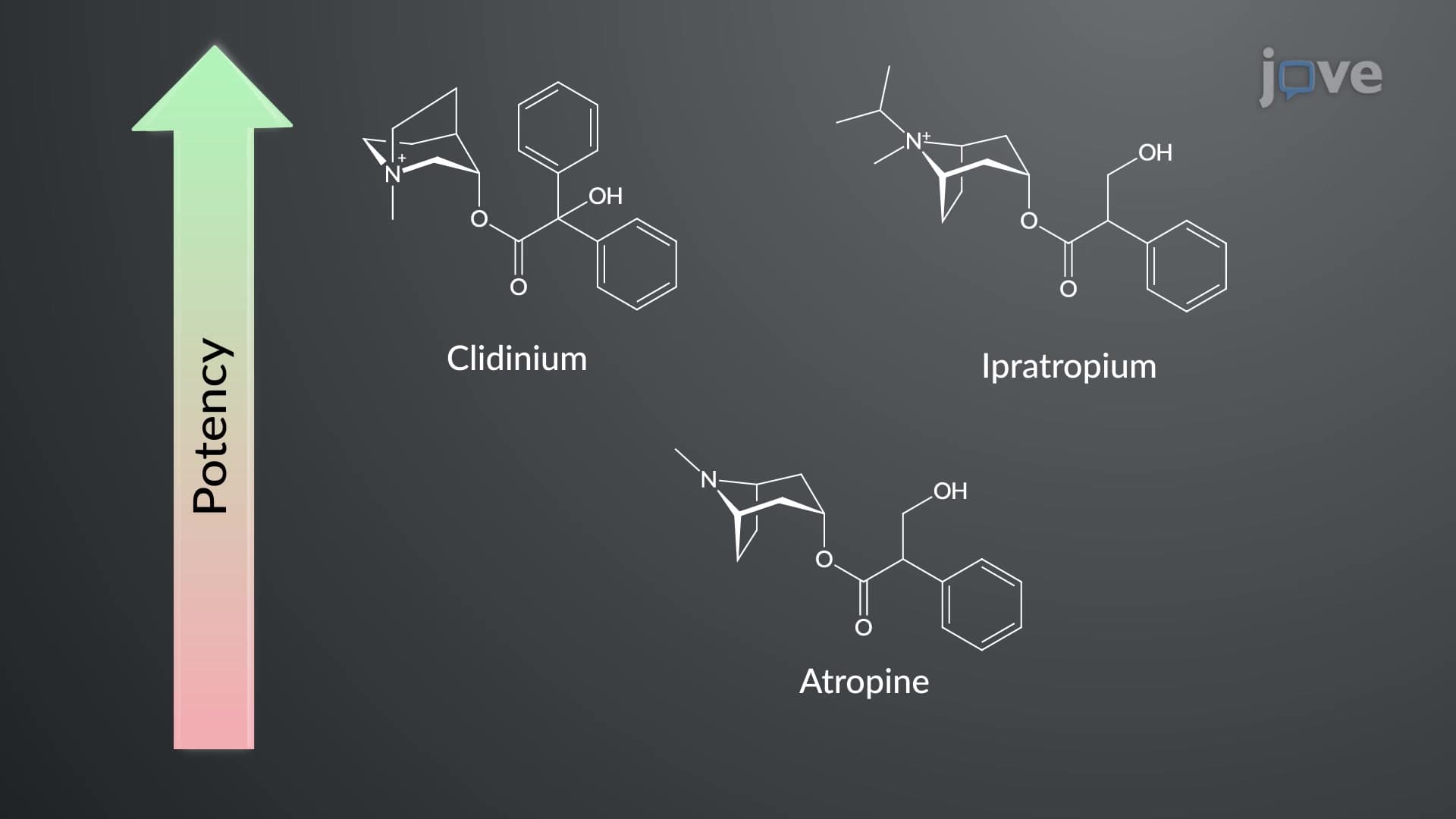
Muscarinic receptors serve as important therapeutic targets in modern medicine. Atropine, a muscarinic antagonist, is used in emergency departments across the United States to treat organophosphate poisoning by blocking excessive acetylcholine activity. Similarly, medications targeting specific muscarinic subtypes help treat conditions from overactive bladder (M3 antagonists) to cognitive decline (M1 agonists in development).
For students preparing for AP Biology or college-level physiology courses, understanding muscarinic receptors provides insight into how the autonomic nervous system maintains homeostasis and how pharmaceutical interventions can selectively modify these processes.
Related Micro-courses