Loading subject page…


53,517 views


Video Summary: What Is Cholinergic Receptors Nicotinic
Ever wonder how a single cigarette drag can trigger muscle movement and nerve signals simultaneously? Cholinergic receptors nicotinic are specialized protein channels that respond more strongly to nicotine than to the body's natural neurotransmitter acetylcholine. These receptors control critical functions from muscle contractions at the diaphragm during breathing to nerve signal transmission in your spinal cord. Understanding what is cholinergic receptors nicotinic reveals how these ion channels operate as molecular gates, opening to allow sodium, potassium, and calcium ions to flow through and trigger cellular responses. Watch the full video on JoVE Coach to master this concept with expert-led visuals and step-by-step explanations.
Cholinergic receptors nicotinic represent one of the most important classes of neurotransmitter receptors in human physiology. Unlike their muscarinic counterparts, these receptors function as ligand-gated ion channels, meaning they directly control the flow of ions across cell membranes when activated. The name "nicotinic" derives from their unique ability to bind nicotine with higher affinity than acetylcholine (ACh), the body's natural neurotransmitter.
The classification system divides nicotinic receptors into two primary categories based on location and function. NM receptors (muscle-type) are exclusively found at neuromuscular junctions, where motor neurons connect to skeletal muscle fibers. These receptors are critical for voluntary movement, from typing on a keyboard to running a marathon. NN receptors (neuronal-type) operate in autonomic ganglia and the adrenal medulla, controlling involuntary functions like heart rate, digestion, and stress hormone release.
This distinction becomes particularly important for students preparing for the MCAT or AP Biology exams, where understanding the autonomic nervous system's organization is essential. At Johns Hopkins Medical School, students learn that disruption of NM receptors leads to conditions like myasthenia gravis, while NN receptor dysfunction affects autonomic disorders.
Structurally, nicotinic receptors exhibit a sophisticated pentameric (five-subunit) design arranged in a rosette pattern around a central pore. This architectural arrangement creates a selective ion channel that responds to specific molecular signals. The cholinergic receptors nicotinic definition encompasses this dual role as both receptor and ion channel.
The subunit composition differs significantly between types. NM receptors contain four distinct subunits (α, β, γ, δ) in a specific 2α:1β:1γ:1δ ratio, while NN receptors utilize only alpha and beta subunits. Each receptor requires two acetylcholine molecules to bind simultaneously to extracellular domains before the channel opens-a safety mechanism preventing accidental activation.
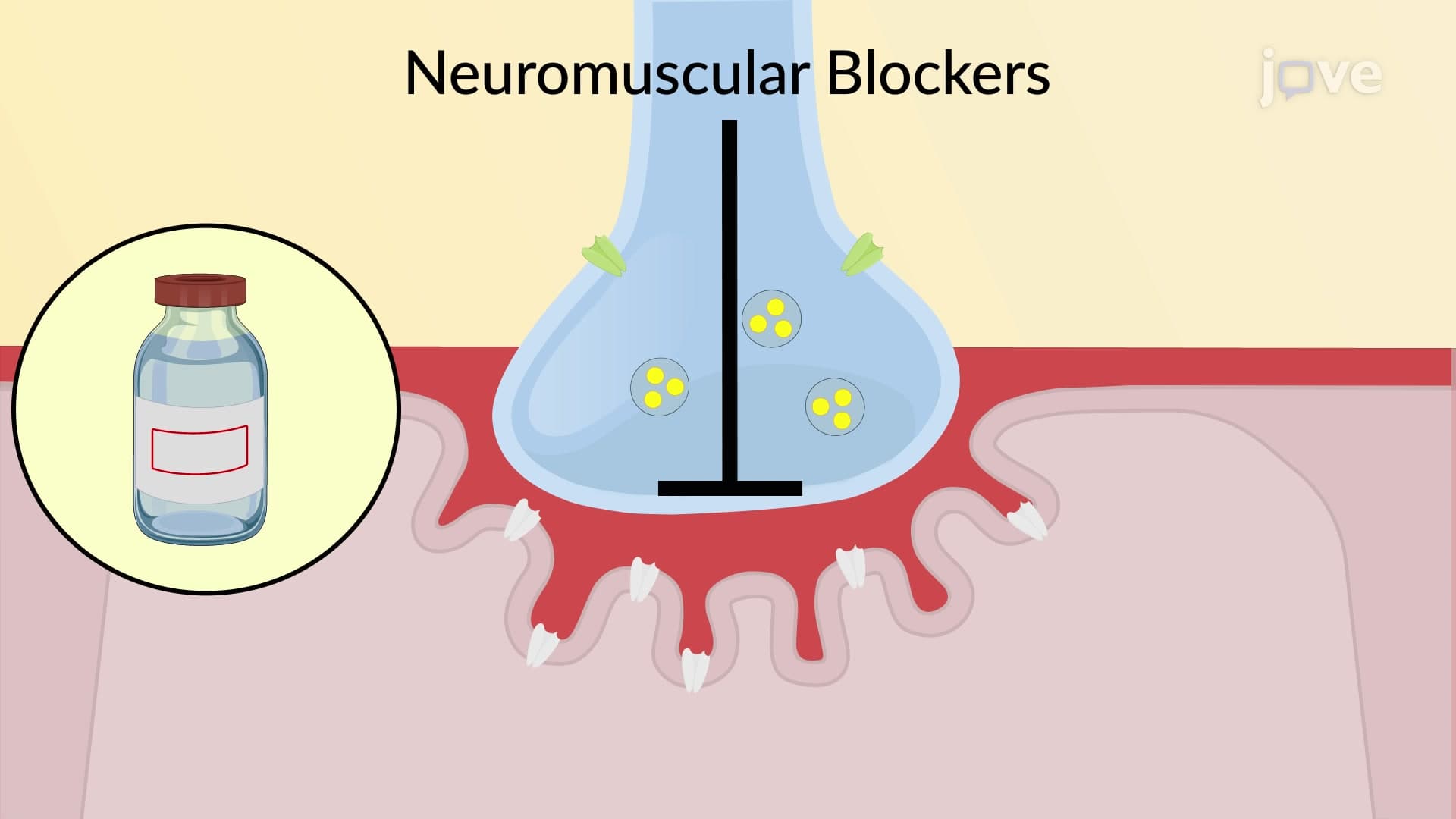
Understanding nicotinic receptor pharmacology is crucial for healthcare students. The neuromuscular blocking agents used in surgery, such as rocuronium, specifically target NM receptors. Meanwhile, nicotine replacement therapies for smoking cessation primarily affect NN receptors in the brain and autonomic nervous system.
For college-level physiology courses and standardized tests like the USMLE, students must grasp how ion influx through these channels creates depolarization. When sodium, potassium, and calcium ions flow through the opened channel, they change the electrical potential across the cell membrane, triggering either muscle contraction at the neuromuscular junction or continued nerve signal propagation in ganglia.
Related Micro-courses