Loading subject page…


60,596 views

Video Summary: Clinical Trials Phases Design and Regulatory Overview
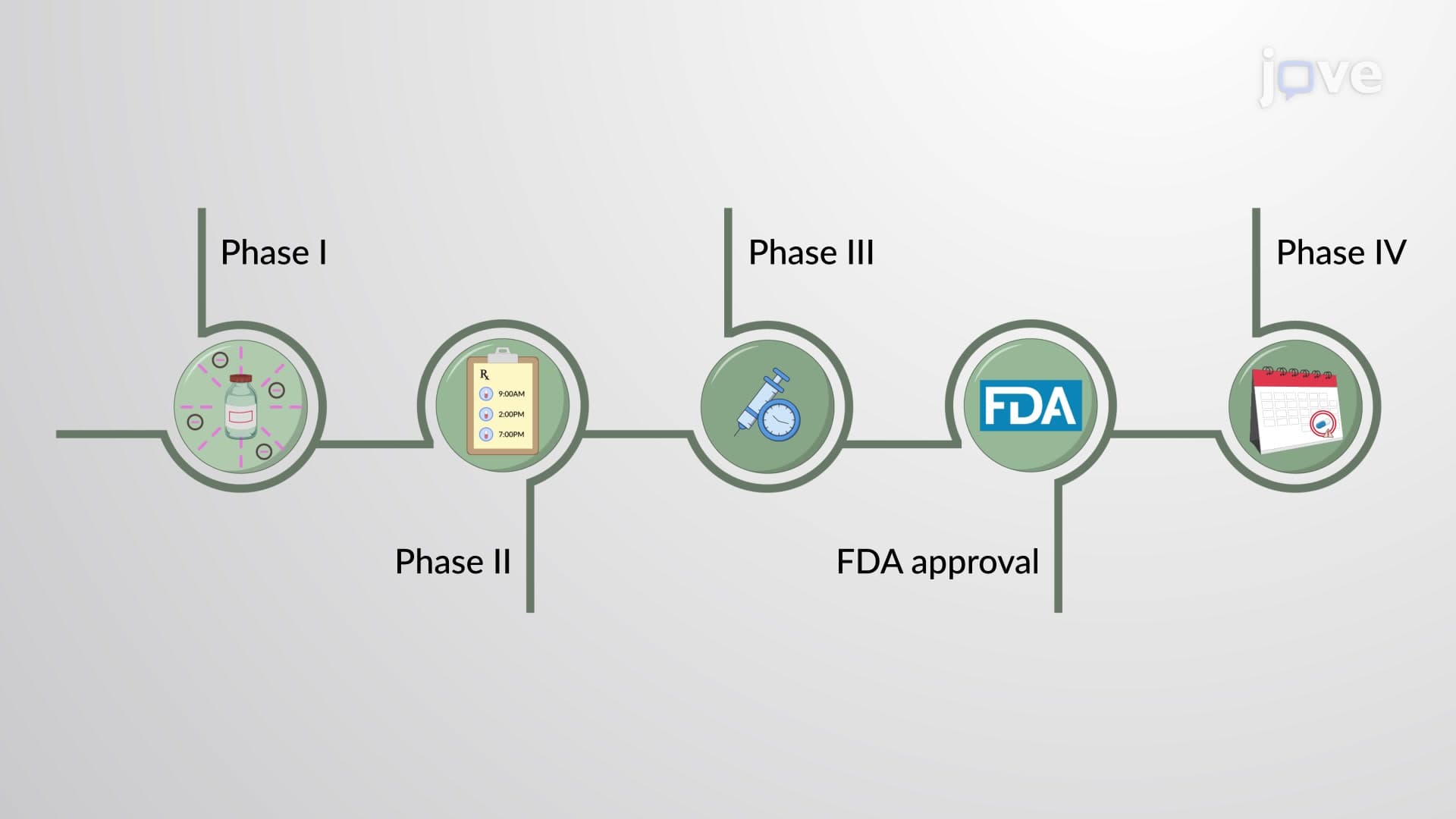
Did you know that only 1 in 5,000 potential medicines ever make it to pharmacy shelves? Clinical trials: phases, design, and regulatory processes determine which experimental treatments become the next breakthrough therapy. The journey from laboratory discovery to FDA-approved medication follows a rigorous four-phase system that can span over a decade. For instance, Pfizer's COVID-19 vaccine underwent accelerated clinical trials: phases, design, and regulatory oversight before receiving emergency authorization in 2020. Watch the full video on JoVE Coach to master this concept with expert-led visuals and step-by-step explanations.
The pharmaceutical industry operates under one of the most stringent regulatory systems in the United States, where clinical trials: phases, design, and oversight mechanisms ensure that only safe and effective medications reach patients. This systematic approach protects public health while advancing medical innovation through evidence-based research.
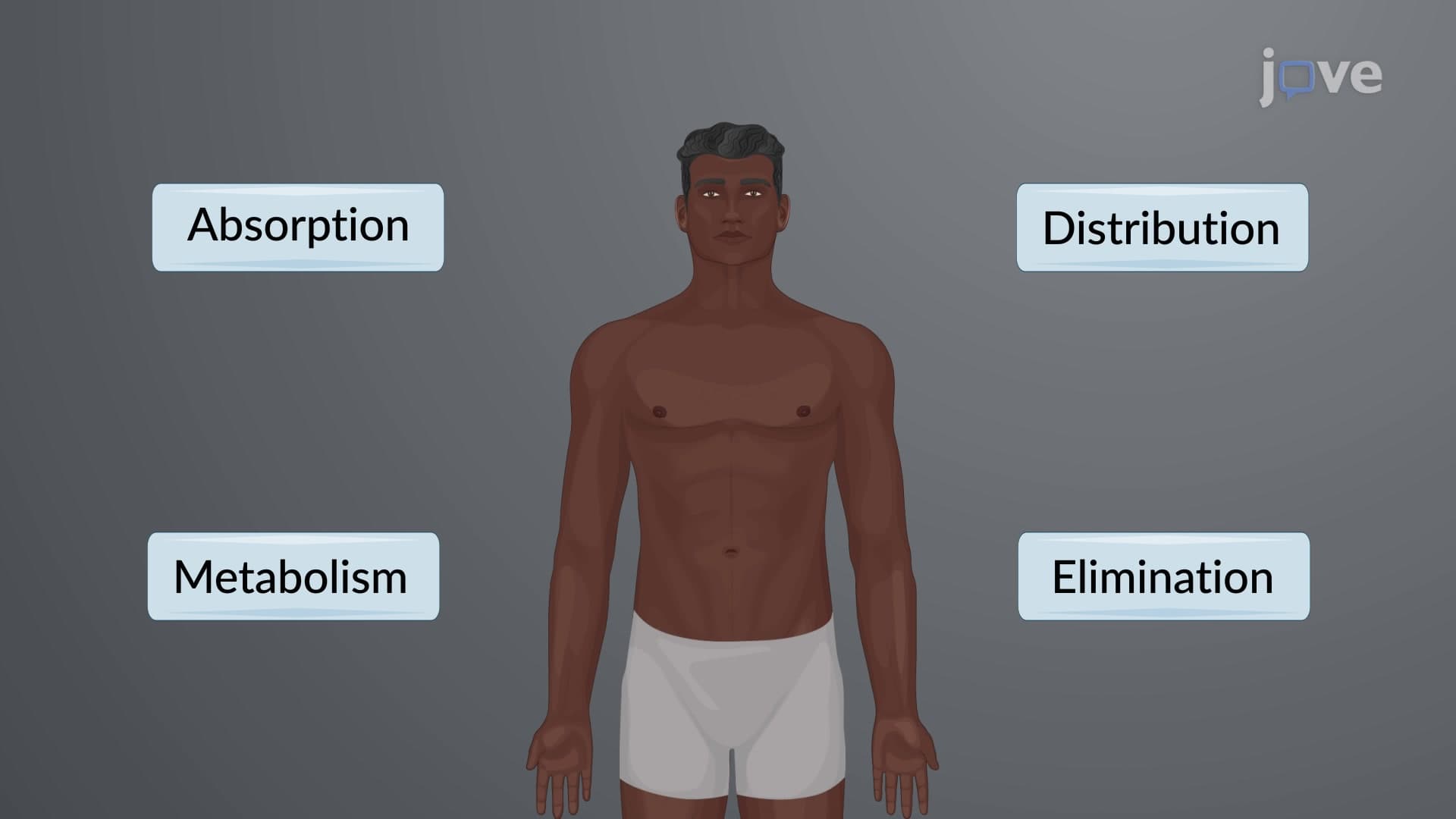
Phase I trials represent the first human testing of experimental drugs, typically involving 20-100 participants. These studies focus primarily on safety assessment, determining maximum tolerated doses, and understanding how the human body processes new medications. Researchers evaluate pharmacokinetics (how the body absorbs, distributes, and eliminates drugs) and pharmacodynamics (how drugs affect the body). For example, when Moderna first tested their mRNA COVID-19 vaccine in humans, Phase I trials at Kaiser Permanente Washington involved 45 healthy adults to establish safety profiles and immune responses. Students studying for the MCAT or AP Biology should understand that Phase I trials often include dose-escalation studies, where researchers gradually increase dosages to identify the optimal therapeutic range without causing unacceptable side effects.
Building on Phase I safety data, Phase II trials expand to 100-300 participants who have the target condition. These studies primarily evaluate whether the treatment works while continuing to monitor safety. Phase II trials often employ randomized controlled designs, comparing the experimental treatment against placebos or standard care. The FDA requires substantial evidence of therapeutic benefit before approving progression to Phase III. College students preparing for health science programs should recognize that Phase II trials frequently use biomarkers and surrogate endpoints to measure treatment effects, concepts commonly tested in biochemistry and pharmacology courses.
Phase III represents the most comprehensive clinical testing phase, involving 1,000-3,000 participants across multiple medical centers nationwide. These double-blind, randomized controlled trials compare experimental treatments directly against current standard treatments. The statistical power of Phase III trials allows researchers to detect smaller treatment effects and identify less common adverse events. Successful Phase III results form the primary evidence base for FDA New Drug Applications. Students should understand that Phase III trials often serve as pivotal studies for regulatory approval, making their design and execution critical for bringing new therapies to market.
Once the FDA approves a medication, Phase IV studies continue monitoring safety and effectiveness in real-world clinical settings. These post-marketing surveillance studies can involve thousands of patients and may continue for years or decades. Phase IV research has been crucial in identifying rare but serious side effects, such as the cardiovascular risks associated with certain arthritis medications that only became apparent after widespread use.
Related Micro-courses