Loading video…


 14 Concepts
 60.6K views

Video Summary: What Is Preclinical Development
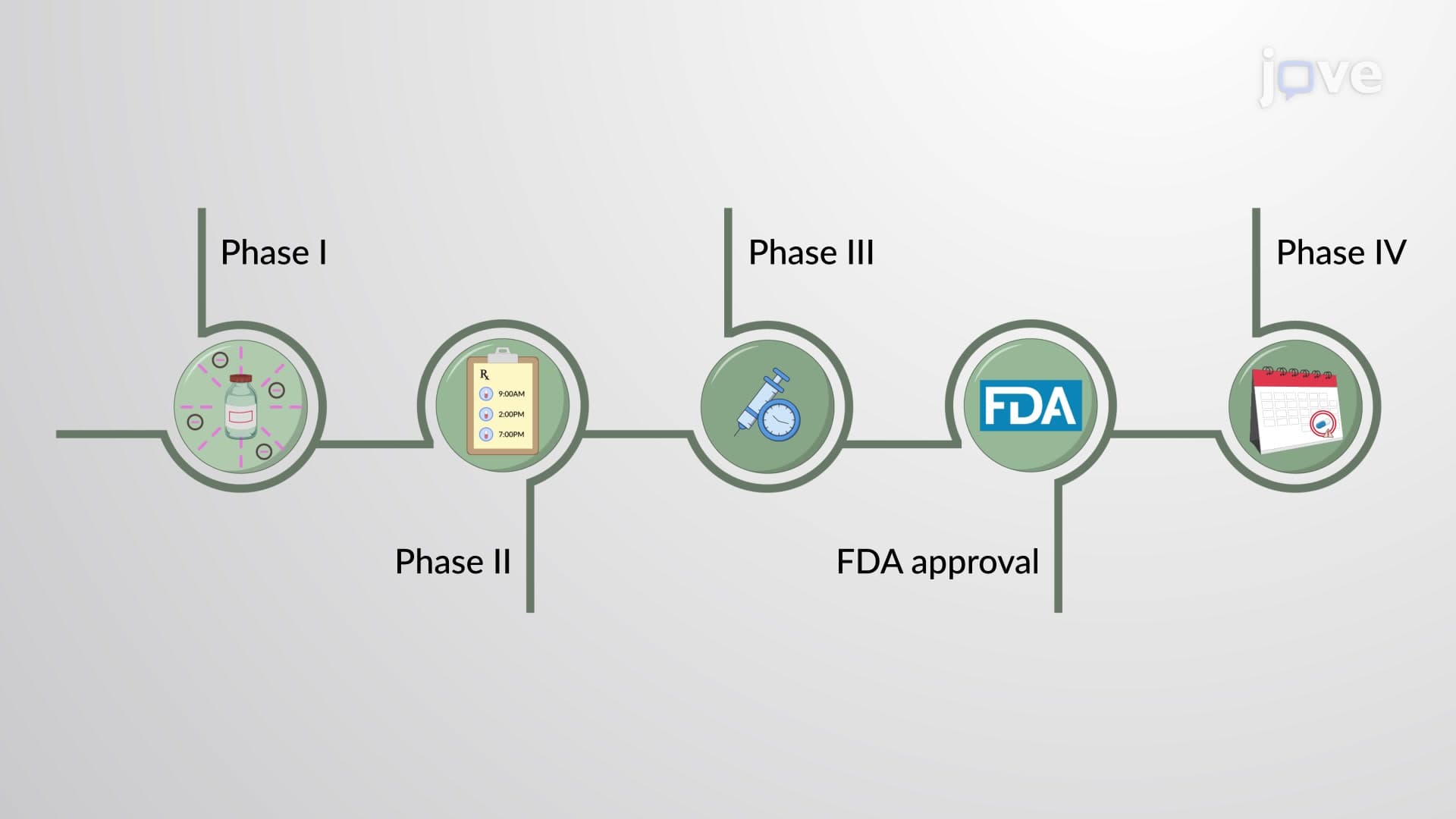
Did you know that it takes an average of 10-15 years and over $1 billion to bring a single new drug to market? Preclinical development is the critical first phase where potential medications undergo rigorous laboratory and animal testing before ever reaching human patients. For example, when Pfizer developed their COVID-19 vaccine, extensive preclinical studies in mice and primates preceded human trials. What is preclinical development involves evaluating drug safety, toxicity, and effectiveness in controlled laboratory settings to protect future patients from harmful side effects. Watch the full video on JoVE Coach to master this concept with expert-led visuals and step-by-step explanations.
Preclinical development represents the foundational phase of pharmaceutical research where potential therapeutic compounds undergo comprehensive laboratory evaluation before human testing begins. This critical stage serves as a safety gateway, protecting patients from potentially harmful substances while identifying promising drug candidates worthy of expensive clinical trials.
The preclinical development definition encompasses all research activities conducted in laboratory settings and animal models to establish a drug's basic safety profile and biological activity. Unlike clinical trials that involve human participants, preclinical studies rely on cell cultures, computer models, and animal testing to predict how a drug might behave in the human body.
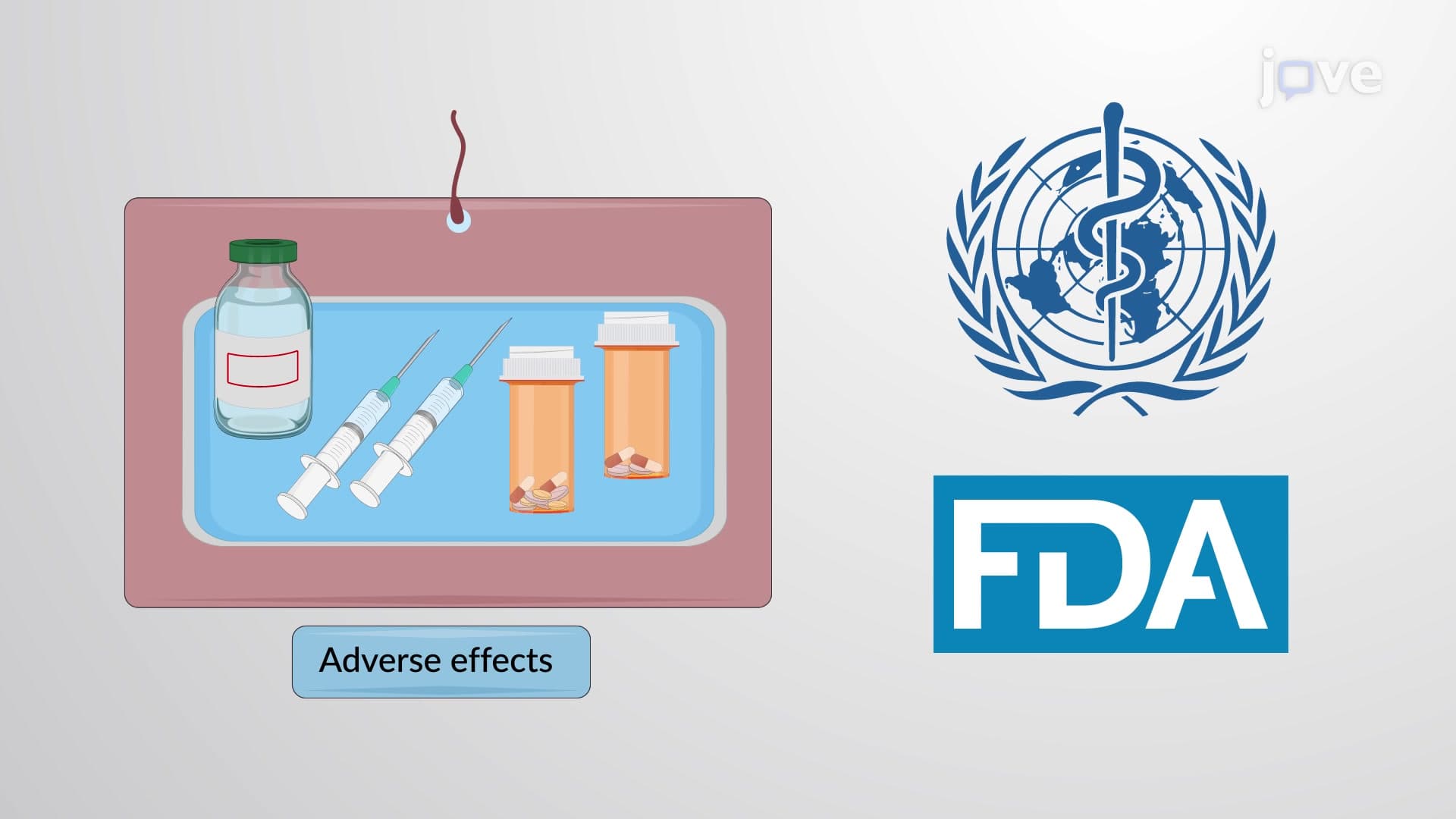
The preclinical development process follows a systematic approach beginning with acute safety assessments. Researchers first examine whether drug candidates cause immediate life-threatening effects such as severe allergic reactions, dangerous blood pressure fluctuations, or heart rhythm abnormalities. These initial screens eliminate compounds that pose obvious risks, similar to how the FDA recalled the arthritis drug Vioxx after discovering increased heart attack risks during post-market surveillance.
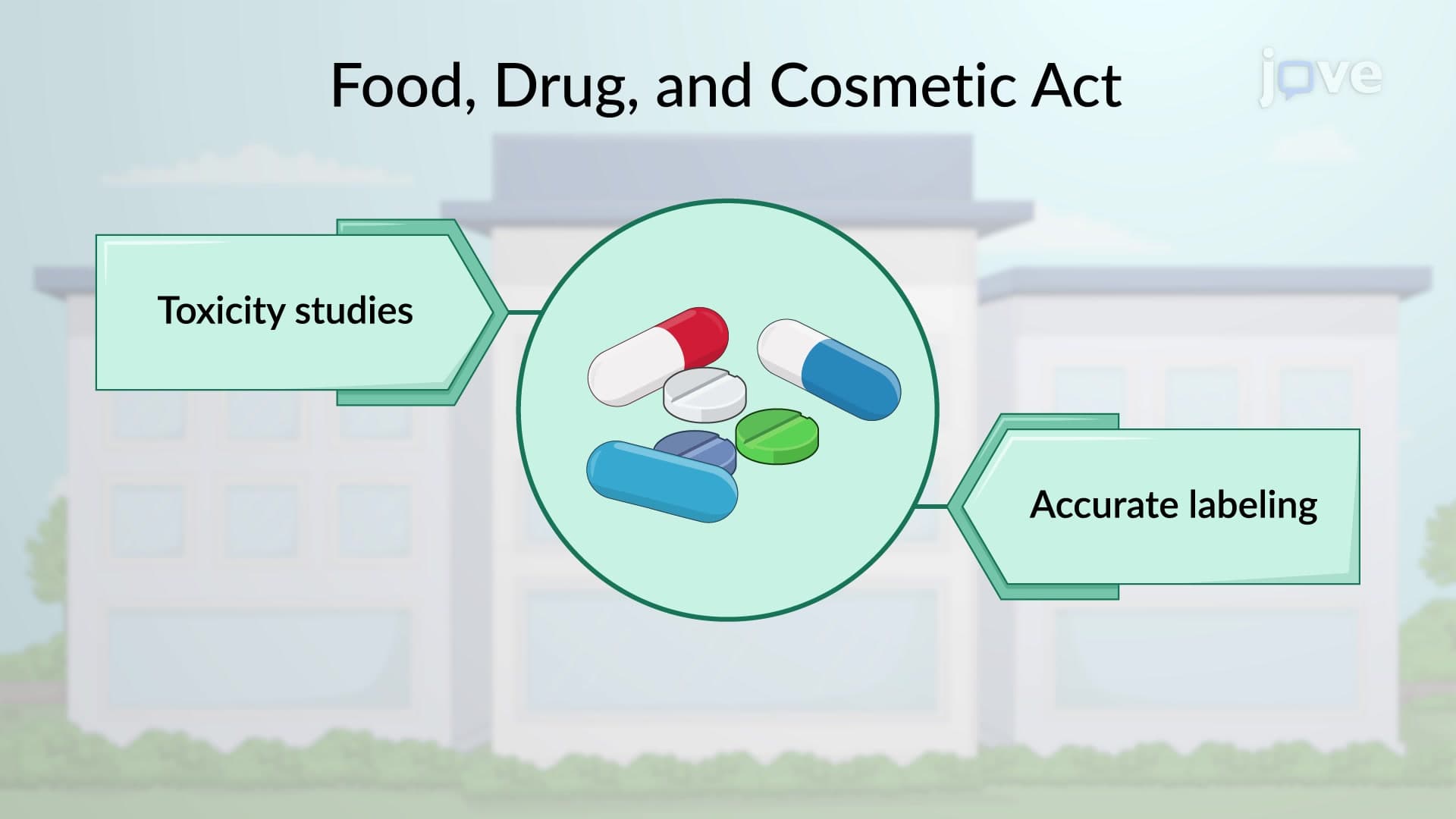
Toxicity evaluation forms the backbone of preclinical assessment. Scientists investigate genotoxicity (DNA damage potential), reproductive toxicity (effects on fertility and pregnancy), and determine maximum tolerated doses. These studies often reveal subtle but serious side effects that wouldn't be apparent in short-term testing, such as liver damage or cancer-causing properties.
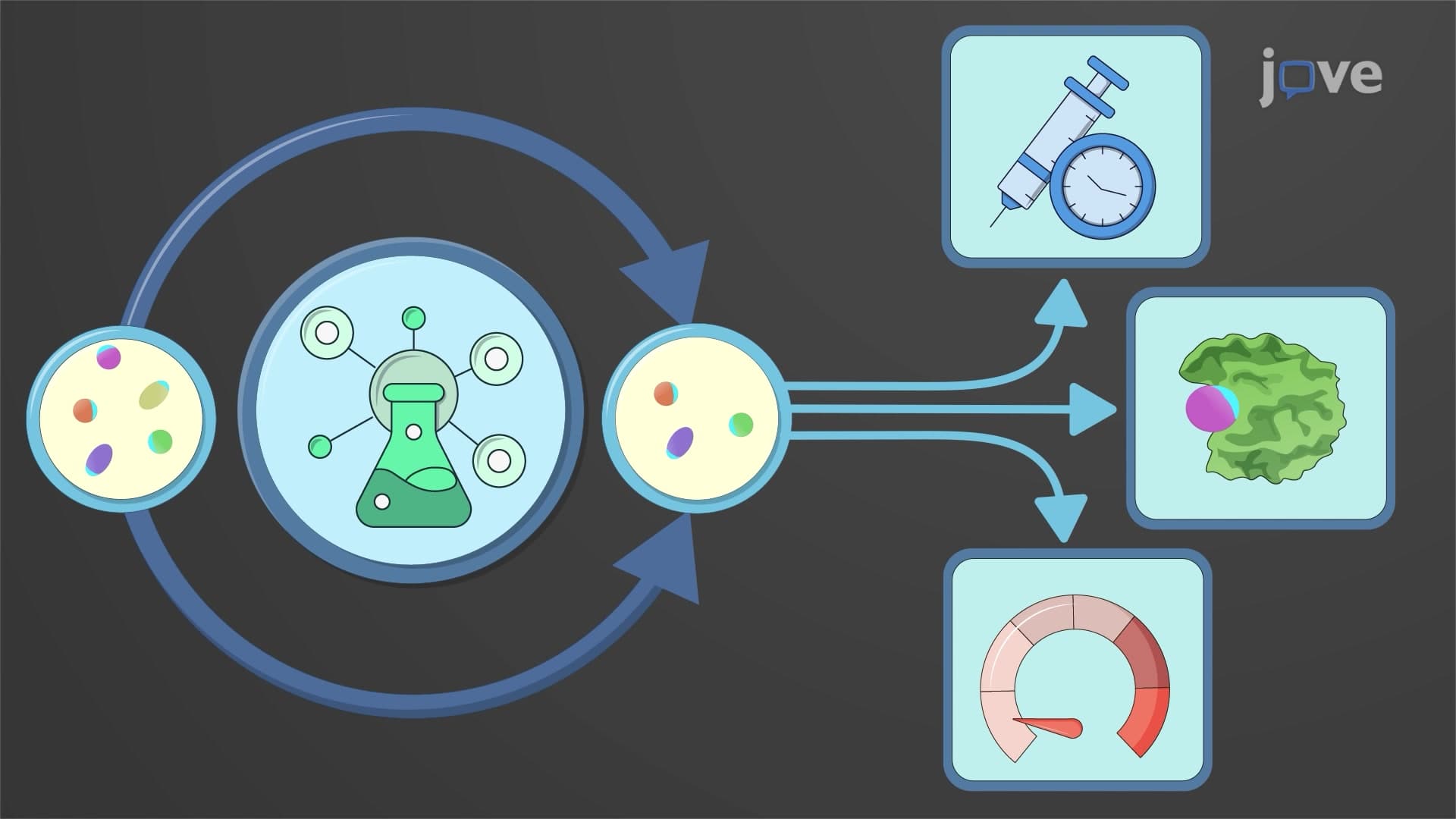
Preclinical development studies extensively examine ADME properties-absorption, distribution, metabolism, and elimination. Understanding how the body processes a drug determines optimal dosing schedules and identifies potential drug interactions. For instance, researchers discovered that grapefruit juice interferes with certain medications' metabolism, leading to dangerous blood concentration levels.
This phase also involves large-scale synthesis challenges, ensuring manufacturers can produce consistent, pure drug batches. Stability testing under various temperature and humidity conditions determines shelf life and storage requirements-critical factors for commercial viability.
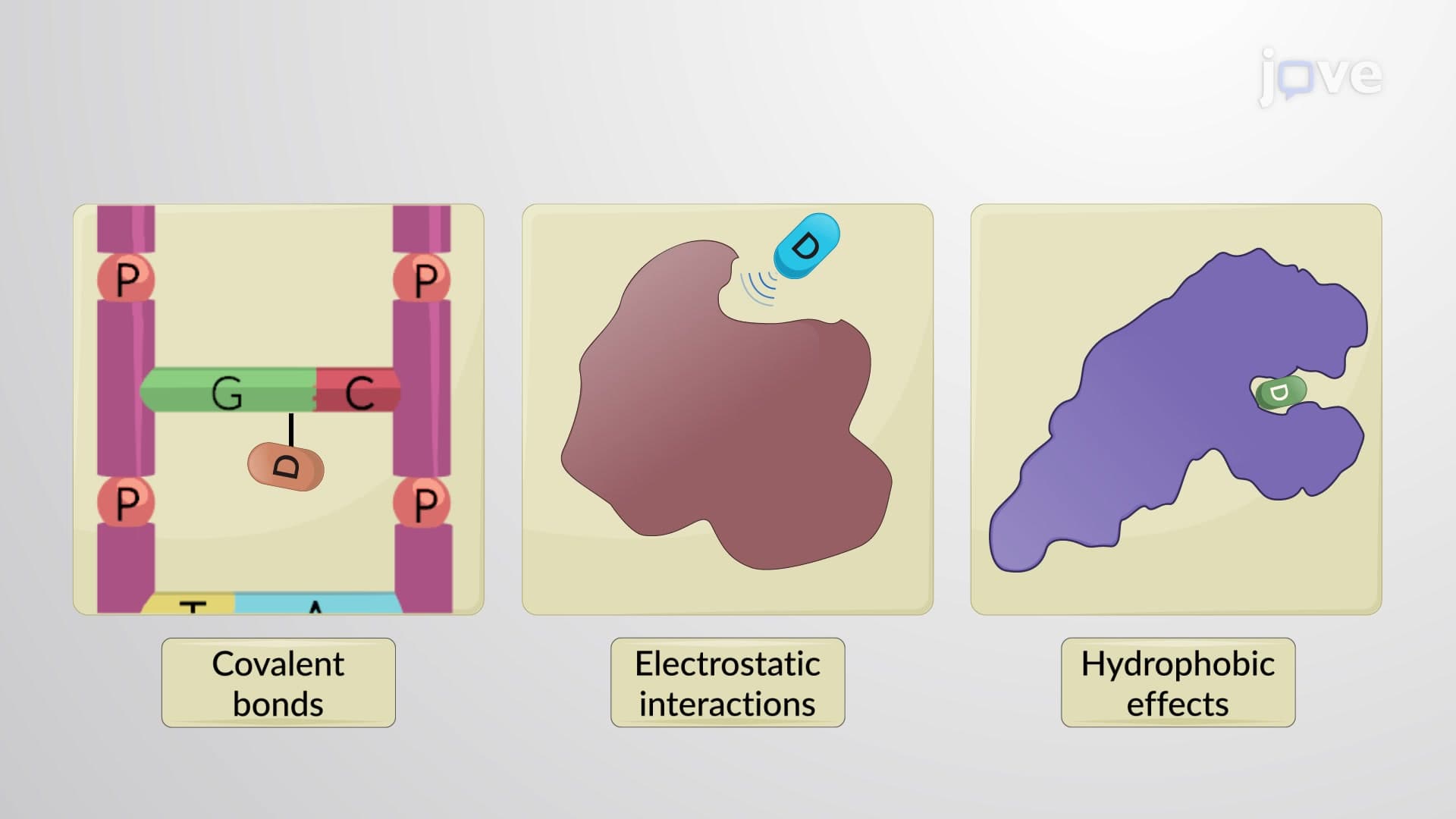
Students preparing for the MCAT encounter preclinical development concepts in biological sciences sections, particularly when analyzing experimental design and drug mechanism questions. AP Biology students studying cellular processes benefit from understanding how drugs interact with biological systems at molecular levels. College-level pharmacology and biochemistry courses extensively cover these principles, making this foundational knowledge essential for pre-med and science majors.
Related Micro-courses