Loading video…


 14 Concepts
 60.6K views

Video Summary: Prescription Nonprescription and Orphan Drugs Explained
Did you know that over 4.8 billion prescriptions are filled annually in US pharmacies, yet millions of Americans also rely on readily available over-the-counter medications? Understanding prescription nonprescription and orphan drugs reveals how the FDA categorizes medications based on safety, accessibility, and disease prevalence. From controlled substances like opioid painkillers requiring physician oversight to common ibuprofen found in any drugstore, these drug classifications directly impact patient care and treatment outcomes. Prescription Nonprescription And Orphan Drugs Explained demonstrates the critical regulatory framework governing American healthcare. Watch the full video on JoVE Coach to master this concept with expert-led visuals and step-by-step explanations.
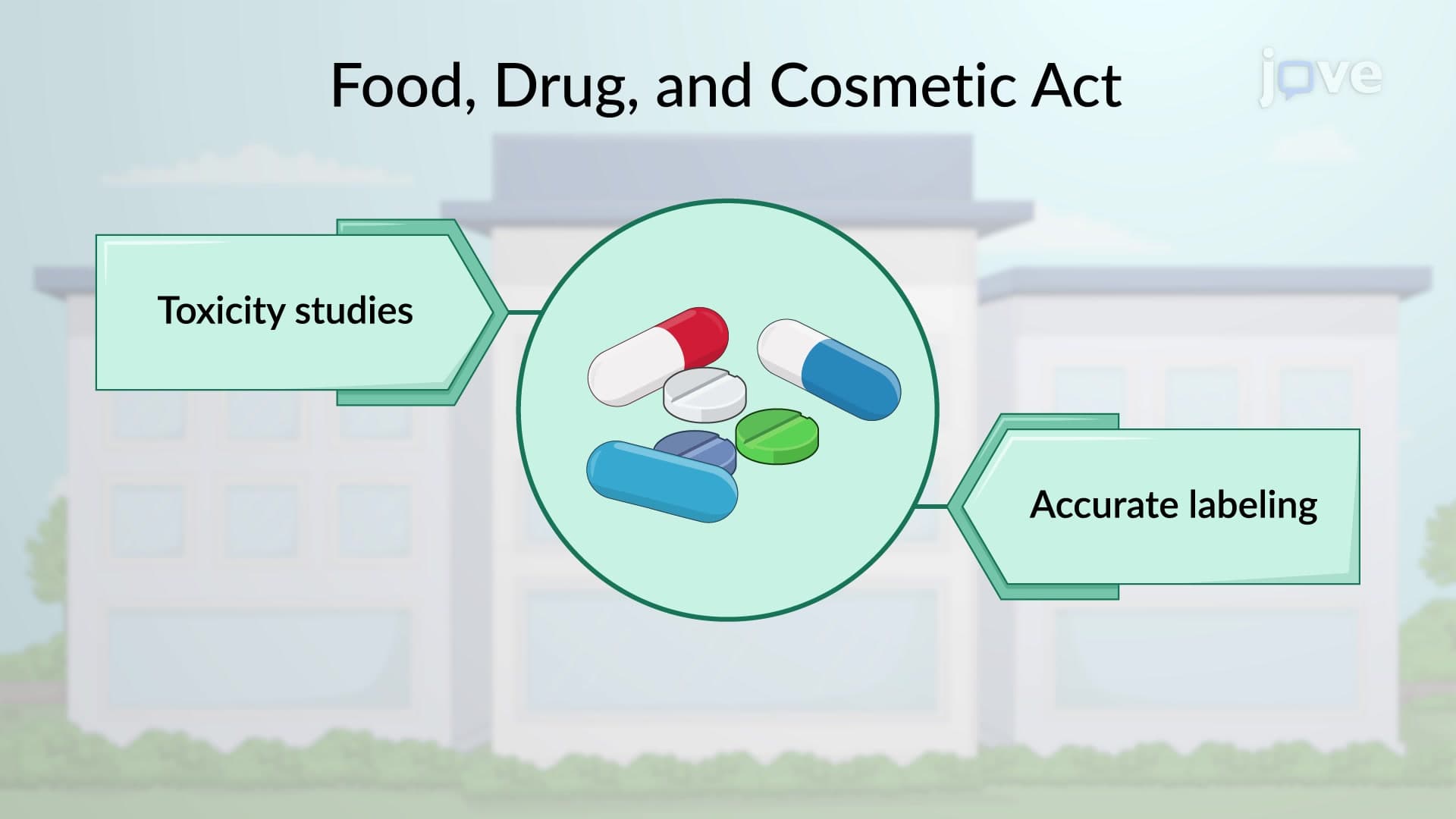
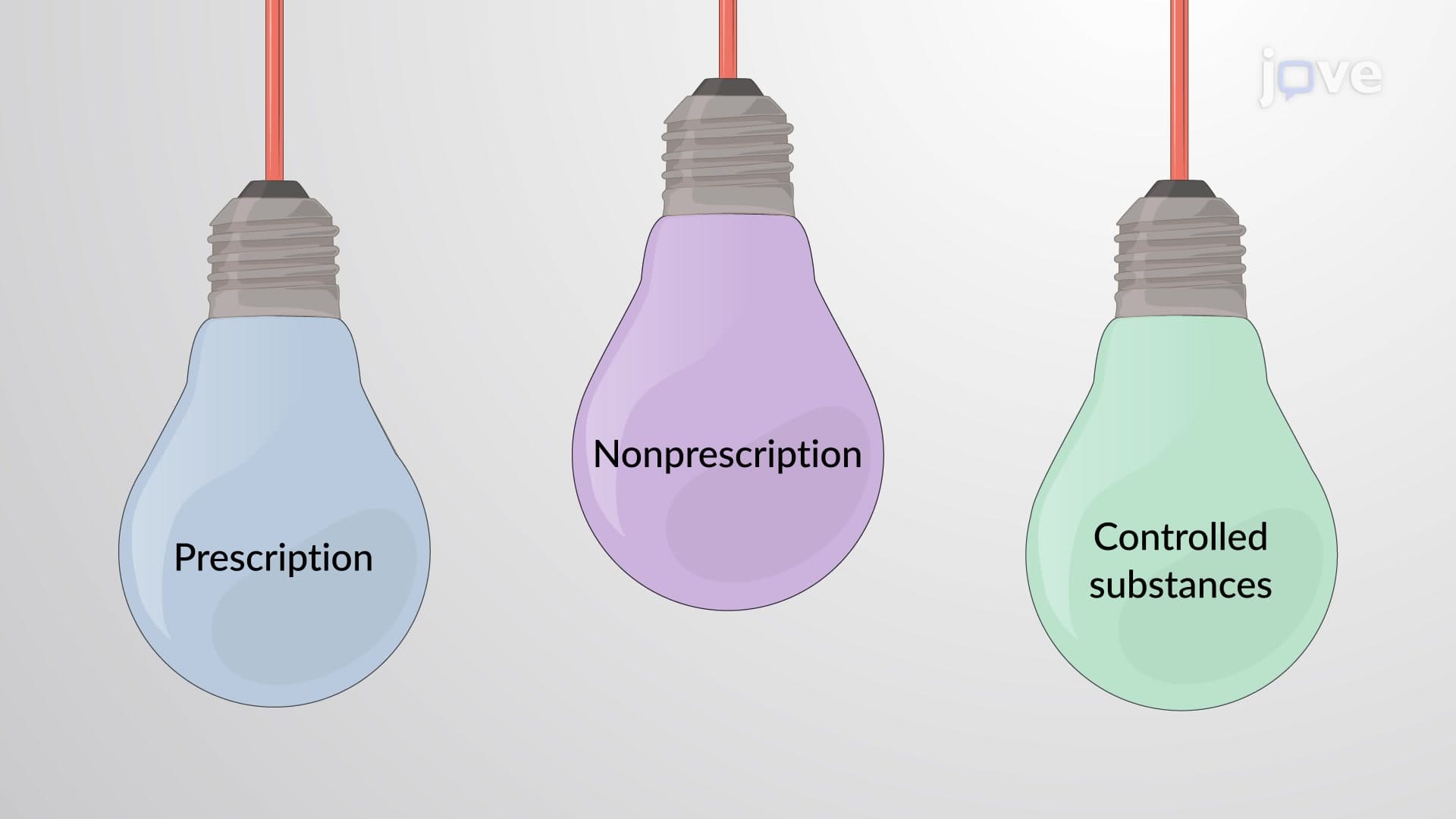
The American pharmaceutical landscape operates under a sophisticated three-tier classification system that balances patient safety with healthcare accessibility. This regulatory framework, overseen by the Food and Drug Administration (FDA), ensures that medications reach patients through appropriate channels based on their safety profiles, potential for abuse, and therapeutic applications.
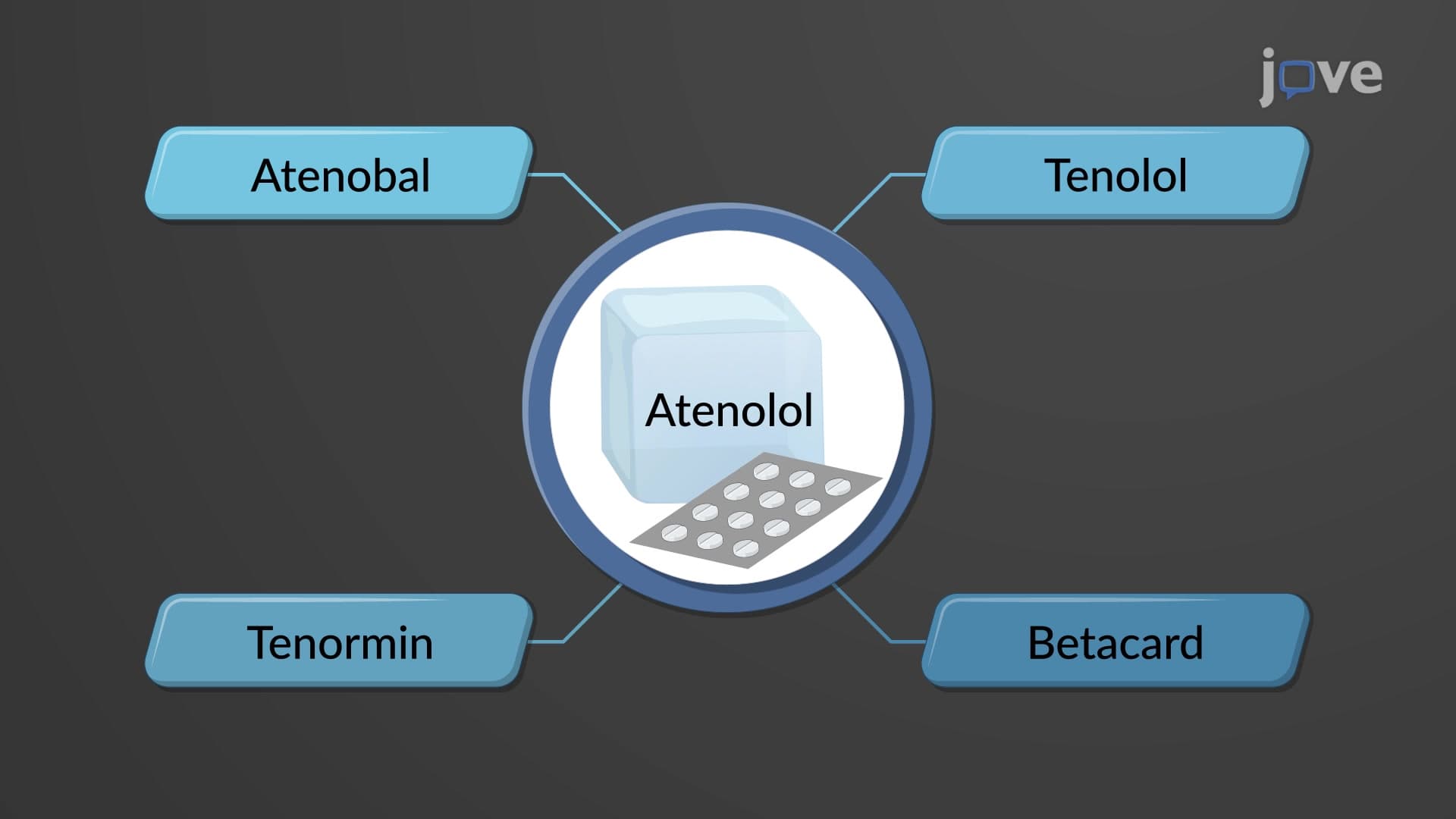
Prescription medications represent the most strictly regulated category, requiring licensed healthcare providers to authorize their dispensing. These drugs typically possess narrow therapeutic windows, significant side effects, or potential for abuse that necessitates professional medical supervision. Central nervous system depressants like benzodiazepines (Xanax, Ativan) treat anxiety disorders but carry substantial risks of dependency and respiratory depression when misused. Beta-blockers such as metoprolol and atenolol effectively manage hypertension and cardiac arrhythmias but require careful dosing and monitoring for contraindications.
The prescription system serves as a critical safety net, preventing dangerous drug interactions and ensuring appropriate dosing regimens. Healthcare providers consider patient medical histories, concurrent medications, and individual risk factors before prescribing these powerful therapeutic agents. This controlled access model has proven essential in addressing the opioid crisis, where prescription monitoring programs now track controlled substances across state lines.
Over-the-counter (OTC) medications provide Americans with direct access to safe, effective treatments for common health conditions. The FDA's monograph system establishes specific active ingredients, dosages, and labeling requirements that allow consumers to self-treat minor ailments responsibly. Popular examples include ibuprofen for inflammation and pain relief, omeprazole for acid reflux management, loratadine for seasonal allergies, and nicotine replacement patches for smoking cessation support.
The transition from prescription to OTC status requires extensive safety data demonstrating that consumers can use these medications appropriately without professional supervision. Omeprazole's OTC approval revolutionized heartburn treatment, providing immediate access to proton pump inhibitor therapy that previously required physician visits and prescription costs.
The Orphan Drug Act of 1983 created unique regulatory incentives to encourage pharmaceutical development for rare diseases affecting fewer than 200,000 Americans. These conditions, while individually uncommon, collectively impact approximately 30 million Americans who previously lacked treatment options due to limited market profitability. Orphan designation provides manufacturers with tax credits, FDA fee waivers, and seven years of market exclusivity upon approval.
Velcade (bortezomib) exemplifies orphan drug success, treating multiple myeloma and systemic light-chain amyloidosis through targeted proteasome inhibition. Similarly, experimental treatments like atiprimod offer hope for patients with rare hematological malignancies. These specialized medications often command premium pricing due to small patient populations and extensive development costs, raising important healthcare equity considerations.
Students preparing for advanced placement biology, MCAT examinations, or undergraduate pharmacology courses should understand how these drug classifications reflect broader principles of medical regulation, patient safety, and healthcare economics that shape modern American medicine.
Related Micro-courses