Loading video…


 14 Concepts
 60.6K views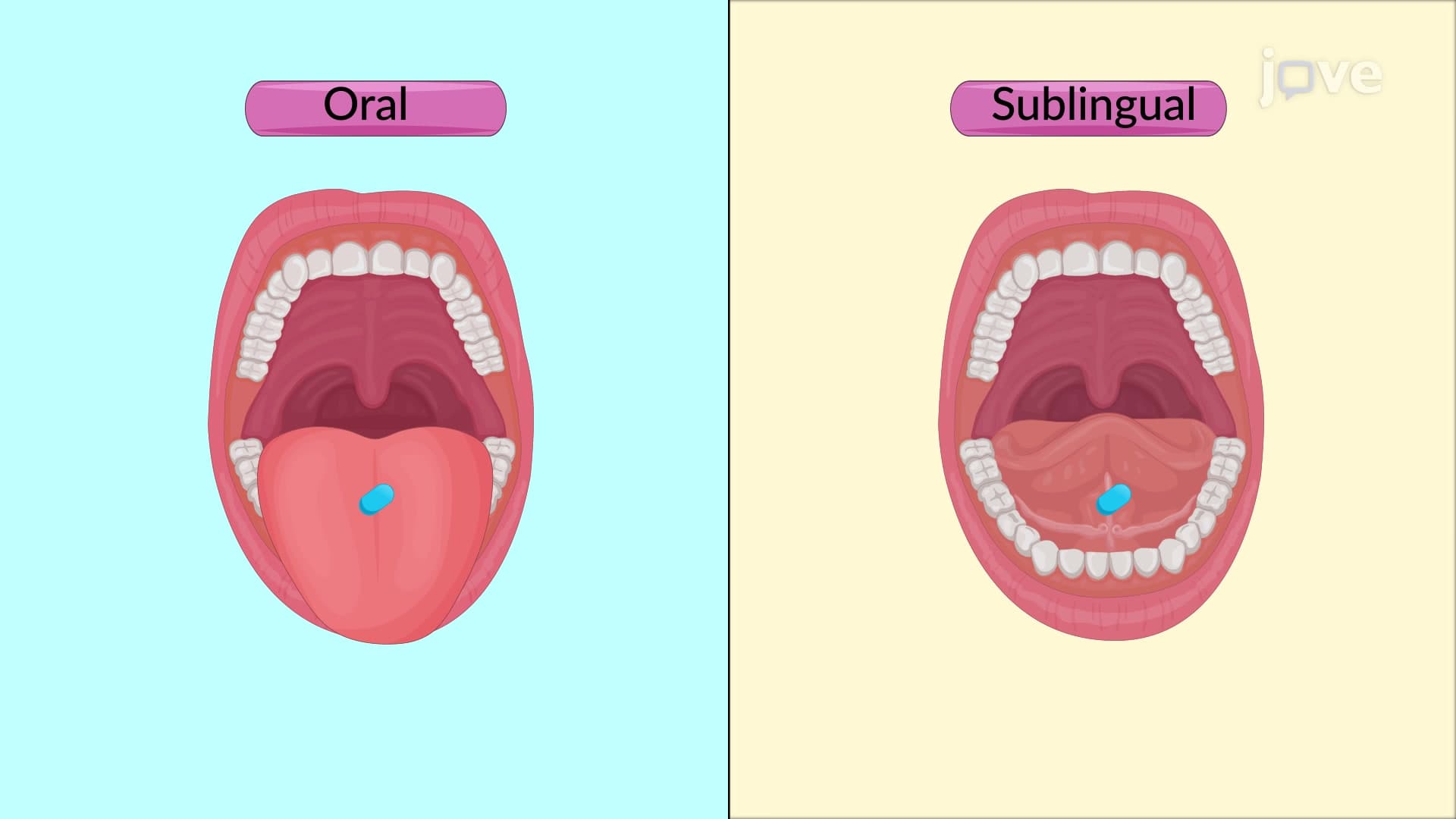

Video Summary: Routes of Drug Administration Enteral Explained
When you take an aspirin for a headache, have you ever wondered why some pills dissolve under your tongue while others need to be swallowed? Routes of drug administration enteral determine how medications like Tylenol or prescription antibiotics enter your body through your digestive system. For instance, nitroglycerin tablets placed under the tongue can provide rapid heart relief by bypassing stomach acid that would destroy the medication. Watch the full video on JoVE Coach to master this concept with expert-led visuals and step-by-step explanations.
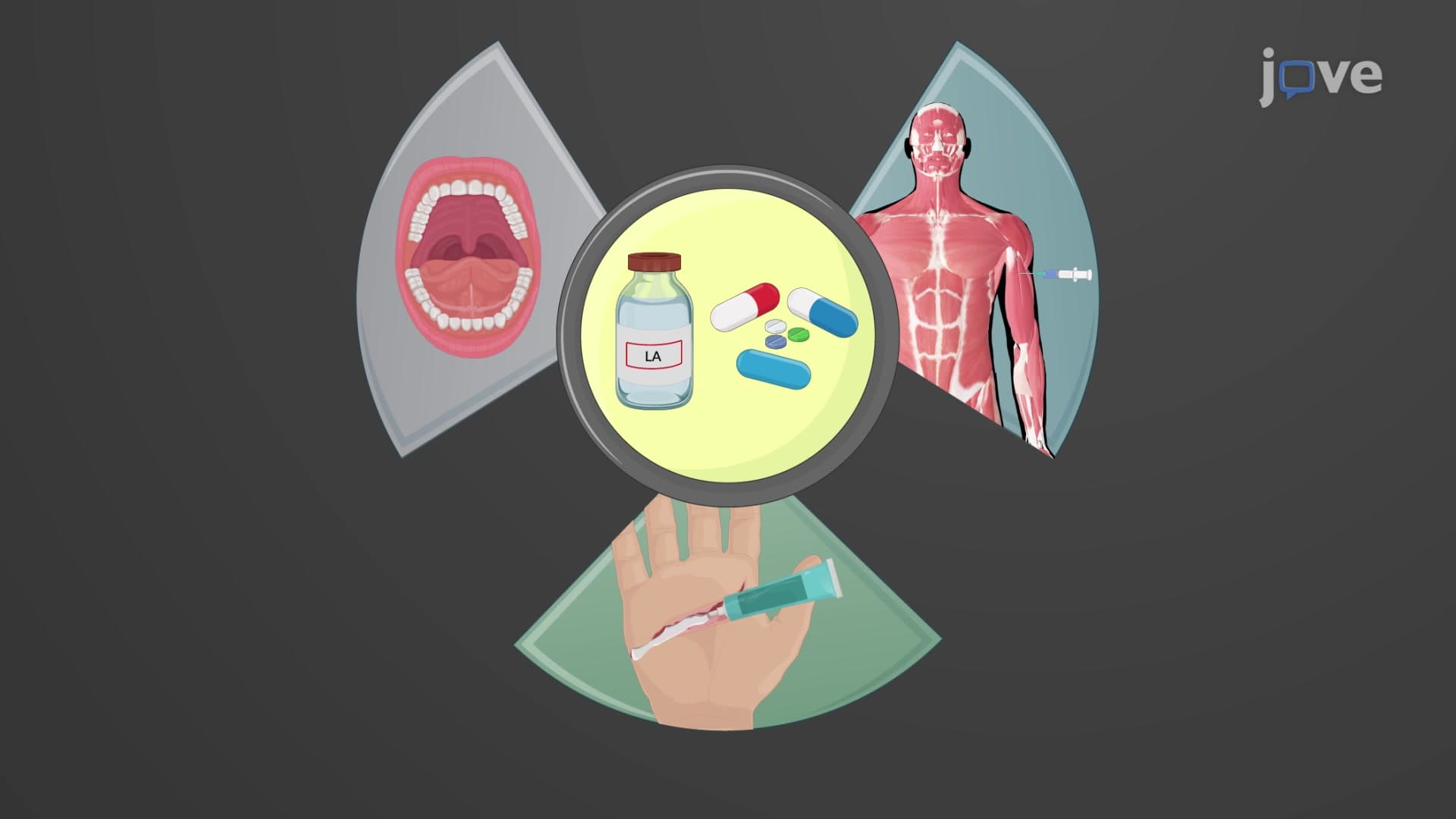
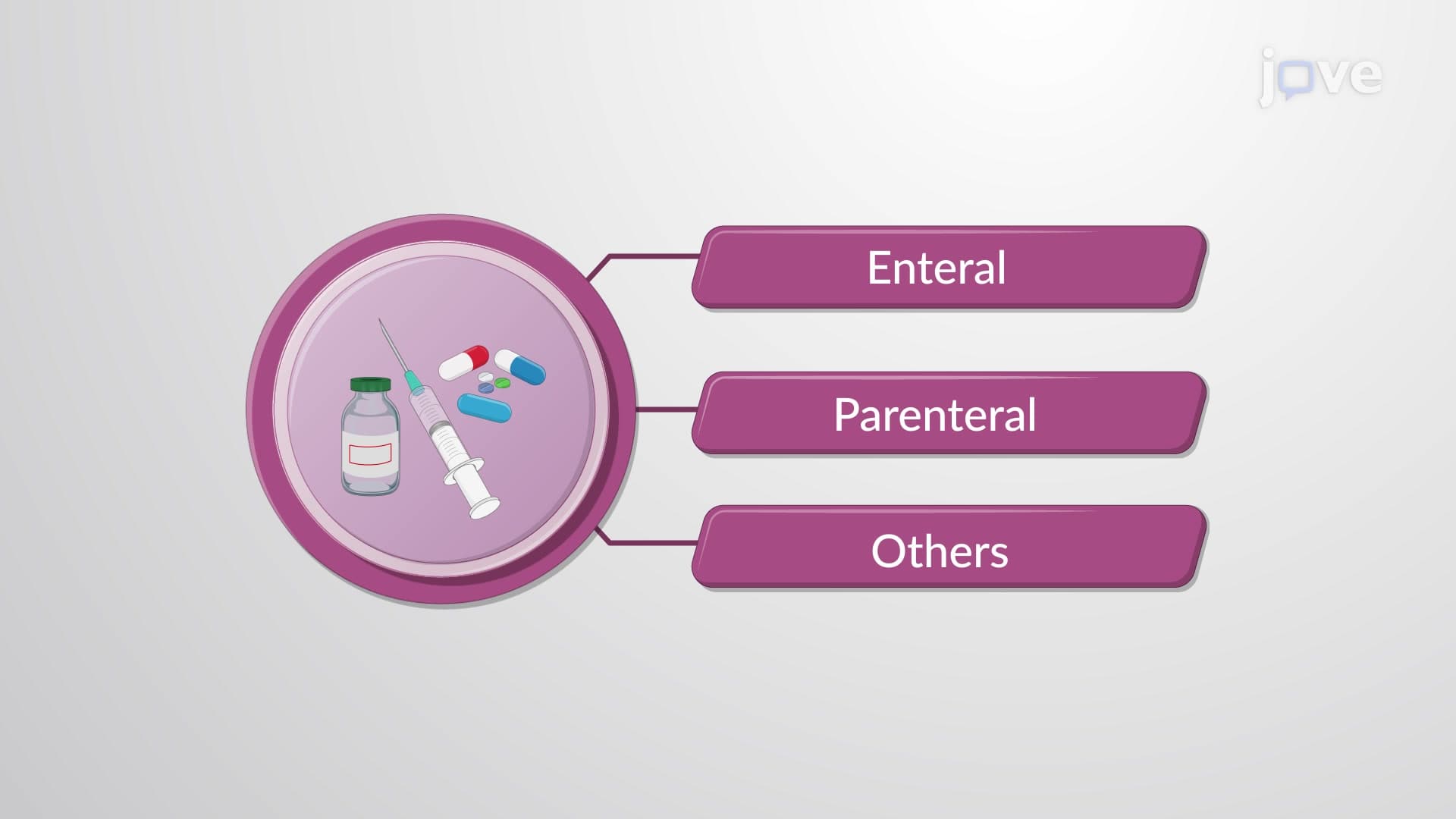
Routes of drug administration enteral encompass all methods of delivering medications through the gastrointestinal system, representing the most common approach to drug delivery in clinical practice. This route includes oral ingestion (swallowing pills, liquids, or capsules) and sublingual placement (under the tongue), each offering distinct pharmacological advantages depending on the medication's properties and therapeutic goals.
The oral route represents the most familiar form of enteral drug delivery, where medications travel through the complete digestive system. After swallowing, drugs must survive the harsh acidic environment of the stomach (pH 1-3), where gastric secretions containing hydrochloric acid and pepsin can potentially destroy sensitive compounds. Medications like certain antibiotics or protein-based drugs face particular challenges in this environment.
Following gastric transit, drugs move to the small intestine where most absorption occurs through the intestinal wall into the portal circulation. This blood supply carries the medication directly to the liver, where first-pass metabolism takes place. The liver's cytochrome P450 enzyme system metabolizes many drugs before they reach systemic circulation, sometimes reducing the medication's effectiveness significantly. For example, propranolol, a heart medication, undergoes extensive first-pass metabolism, requiring higher oral doses compared to intravenous administration.
Pharmaceutical scientists have developed enteric coatings to address gastric degradation challenges. These specialized coatings remain intact in acidic stomach conditions but dissolve in the more alkaline environment of the small intestine (pH 6-8). Common examples include enteric-coated aspirin, which prevents gastric irritation while maintaining therapeutic effectiveness, and omeprazole capsules used for acid reflux treatment.
Controlled-release formulations represent another advancement in oral drug delivery. These systems gradually release medication over extended periods, maintaining therapeutic blood levels while reducing dosing frequency. Extended-release formulations of medications like metformin for diabetes management allow once-daily dosing instead of multiple daily doses, improving patient compliance and reducing side effects.
The sublingual route offers unique advantages for specific medications by allowing direct absorption through the highly vascularized tissue under the tongue. This pathway bypasses both gastric degradation and hepatic first-pass metabolism, enabling rapid onset of action and preserving drug potency. Nitroglycerin tablets for angina provide classic examples, delivering rapid cardiac relief within 1-3 minutes of sublingual placement.
Students preparing for standardized exams like the MCAT or AP Biology should understand that sublingual absorption occurs through passive diffusion across mucous membranes, making it suitable only for lipophilic (fat-soluble) drugs with appropriate molecular characteristics. This route proves particularly valuable for emergency medications or drugs with extensive hepatic metabolism.
Related Micro-courses