Loading subject page…


60,596 views

Video Summary: Routes of Drug Administration Parenteral Explained
Did you know that when a patient receives an IV drip in a US emergency room, the medication reaches their bloodstream in seconds rather than the hours it might take with oral pills? Routes of drug administration parenteral bypass the digestive system entirely, delivering medications directly into systemic circulation for maximum effectiveness. This critical concept in Routes of Drug Administration Parenteral Explained covers intravenous, intramuscular, and subcutaneous methods used daily in American hospitals and clinics. Watch the full video on JoVE Coach to master this concept with expert-led visuals and step-by-step explanations.
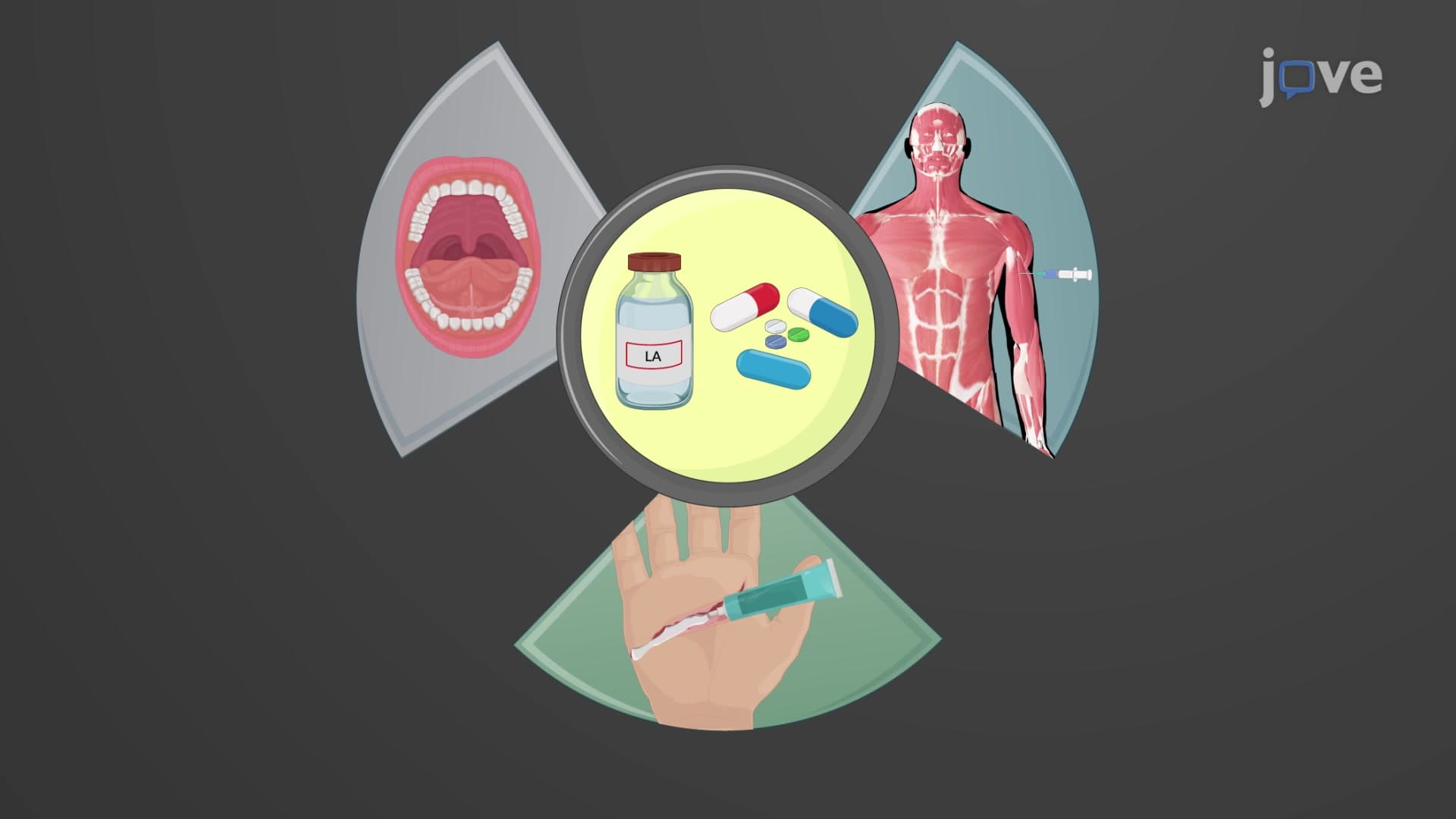
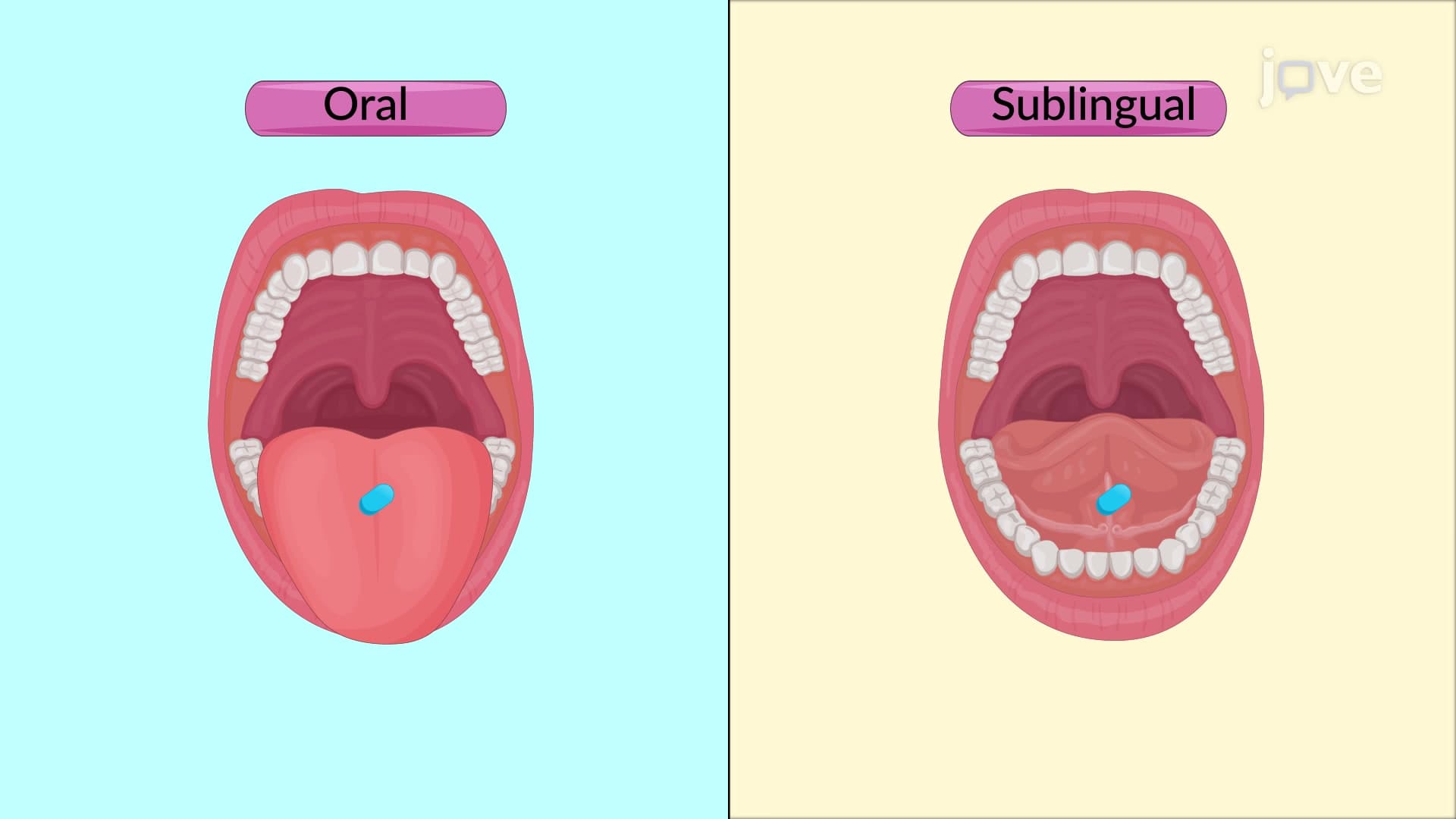
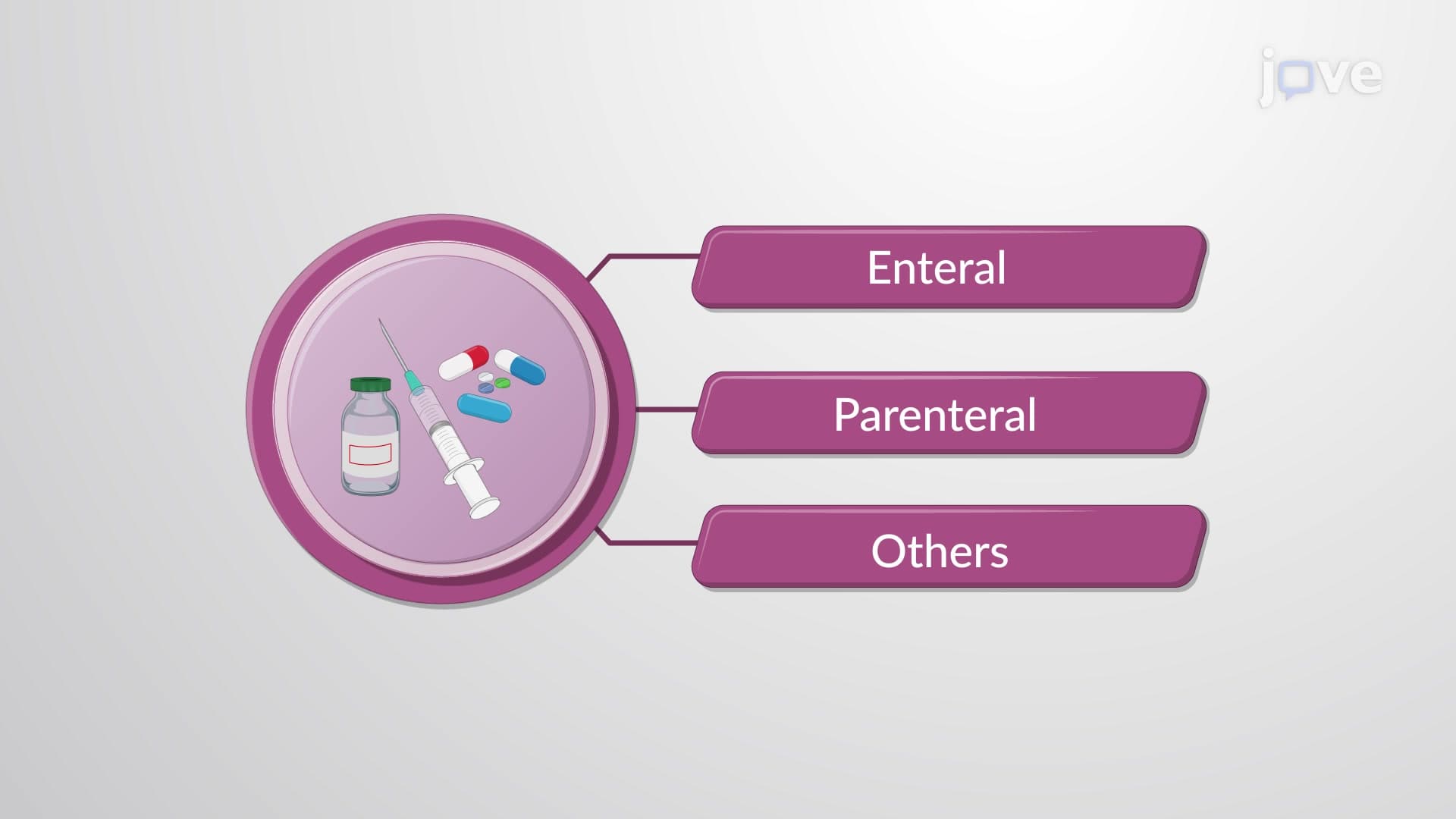
Parenteral drug administration represents one of the most critical concepts in pharmacology and medical practice. Unlike oral medications that must navigate the complex gastrointestinal system, parenteral routes deliver drugs directly into the body's circulation or tissues, achieving nearly 100% bioavailability. This direct access makes parenteral administration essential in emergency medicine, surgery, and situations requiring precise therapeutic control.
The intravenous route provides the most rapid drug delivery method available in clinical practice. When medications enter directly into venous circulation, they immediately reach therapeutic concentrations throughout the body. IV bolus injections deliver the complete dose rapidly, making this method ideal for emergency situations like cardiac arrest protocols used in American hospitals. Conversely, IV infusions provide controlled, sustained delivery over extended periods, commonly seen in chemotherapy treatments at cancer centers nationwide.
The IV route's primary advantage lies in its predictable pharmacokinetics. Since drugs bypass absorption barriers, healthcare providers can calculate exact plasma concentrations and adjust dosing precisely. However, this rapid delivery also creates significant risks. The immediate high drug concentrations can trigger severe adverse reactions, requiring careful monitoring and emergency preparedness. Additionally, IV administration carries infection risks if sterile techniques aren't maintained, a critical consideration reinforced in NCLEX and nursing school curricula.
Intramuscular injection targets highly vascularized muscle tissue, typically the deltoid, vastus lateralis, or gluteal muscles. The rich blood supply in muscle tissue facilitates drug absorption, though at slower rates than IV administration. This route proves particularly valuable for vaccines, with the annual influenza vaccination campaigns across American schools and healthcare facilities serving as prime examples.
Drug formulation significantly impacts IM absorption characteristics. Aqueous solutions absorb rapidly, while oil-based or depot preparations provide sustained release over weeks or months. Long-acting antipsychotic medications administered monthly in psychiatric facilities demonstrate this sustained-release principle.
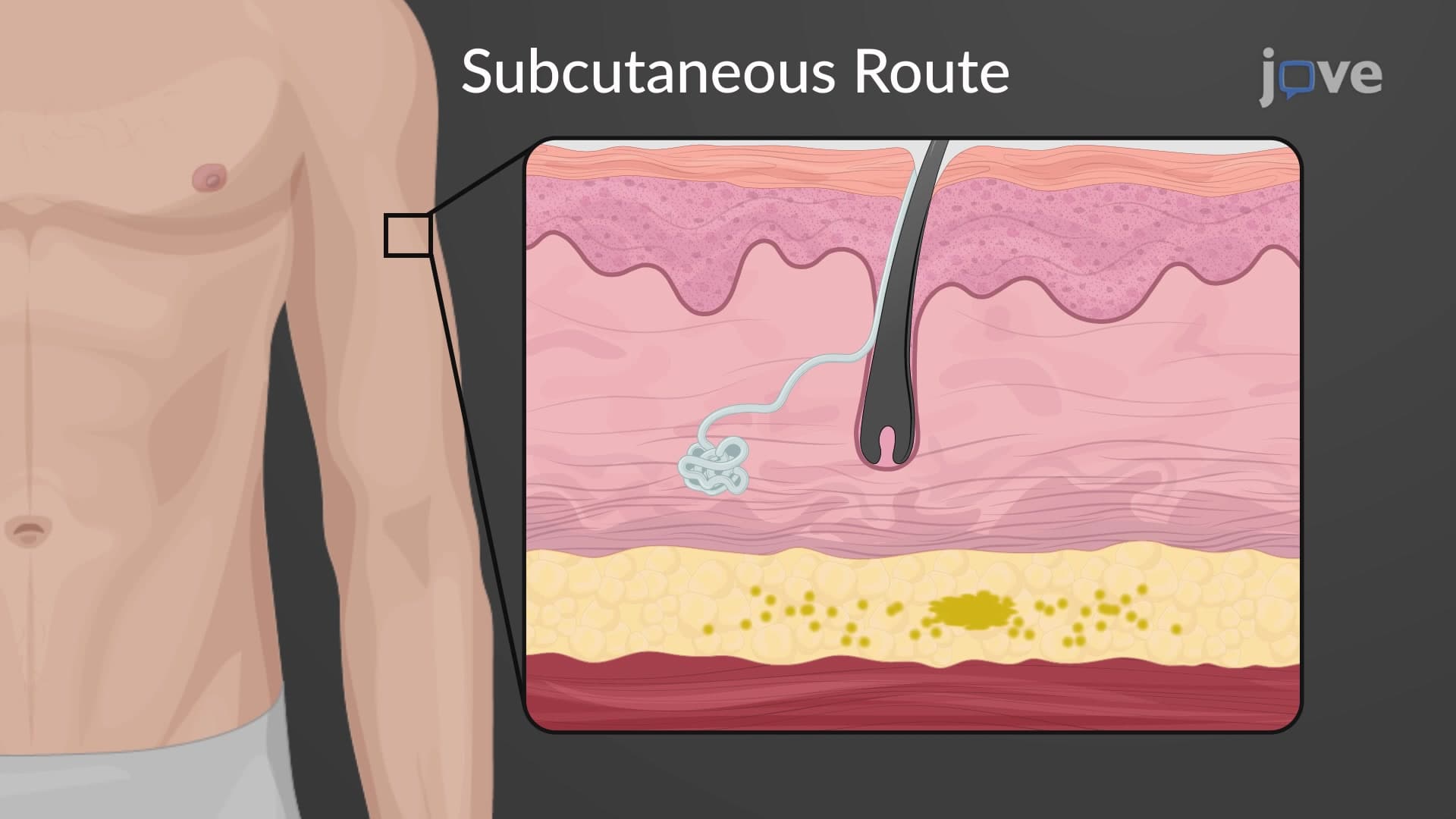
Subcutaneous administration targets the tissue layer between skin and muscle, offering the slowest absorption among parenteral routes. This characteristic makes SC injection ideal for medications requiring steady, prolonged effects. Insulin administration for diabetes management exemplifies this principle, with millions of Americans relying on SC insulin delivery for glucose control.
Understanding parenteral routes proves essential for success in healthcare-related examinations. MCAT questions frequently test pharmacokinetic principles, while USMLE Step 1 examinations emphasize clinical applications. Nursing students preparing for NCLEX examinations must master injection techniques and safety protocols. Even AP Biology students encounter these concepts when studying human physiology and drug transport mechanisms.
Related Micro-courses