Loading subject page…


60,596 views

Video Summary: What are Factors Affecting Drug Response
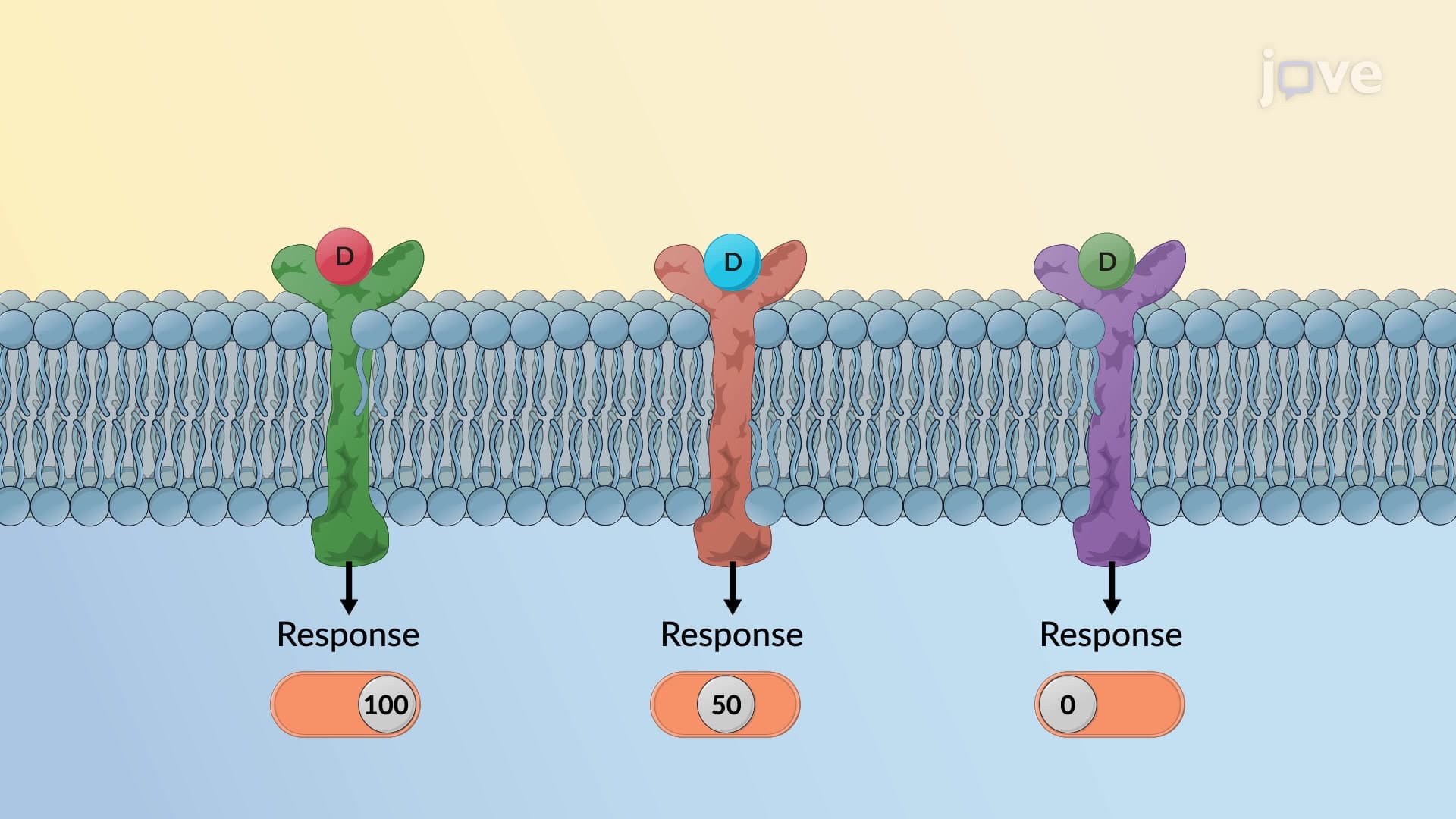
Why does a child need a smaller dose of Tylenol than an adult, even when adjusted for weight? The factors affecting drug response go far beyond simple body size calculations. Age, liver function, administration route, and pregnancy status all dramatically influence how medications work in the human body. For instance, the FDA requires different dosing guidelines for pediatric patients because their immature liver enzymes process drugs differently than adults. Understanding what are factors affecting drug response is crucial for safe medication administration and optimal therapeutic outcomes. Watch the full video on JoVE Coach to master this concept with expert-led visuals and step-by-step explanations.
The factors affecting drug response represent a complex interplay of patient characteristics, drug properties, and physiological processes that determine how effectively and safely medications work in different individuals. Healthcare providers must consider multiple variables when prescribing medications, as the same drug can produce vastly different outcomes depending on these critical factors.
Age significantly impacts drug response through developmental and degenerative changes in organ function. Pediatric patients require careful dose adjustments due to immature metabolic pathways. The cytochrome P450 enzyme system, responsible for metabolizing many medications, doesn't reach adult levels until approximately age 2. Additionally, children have a more permeable blood-brain barrier, making them vulnerable to CNS toxicity from drugs that might be safe in adults.
Conversely, elderly patients face declining organ function that affects drug clearance. The FDA's Beers Criteria specifically identifies potentially inappropriate medications for seniors due to age-related physiological changes. Reduced kidney function, decreased liver metabolism, and altered body composition all contribute to prolonged drug effects and increased adverse reactions in geriatric populations.
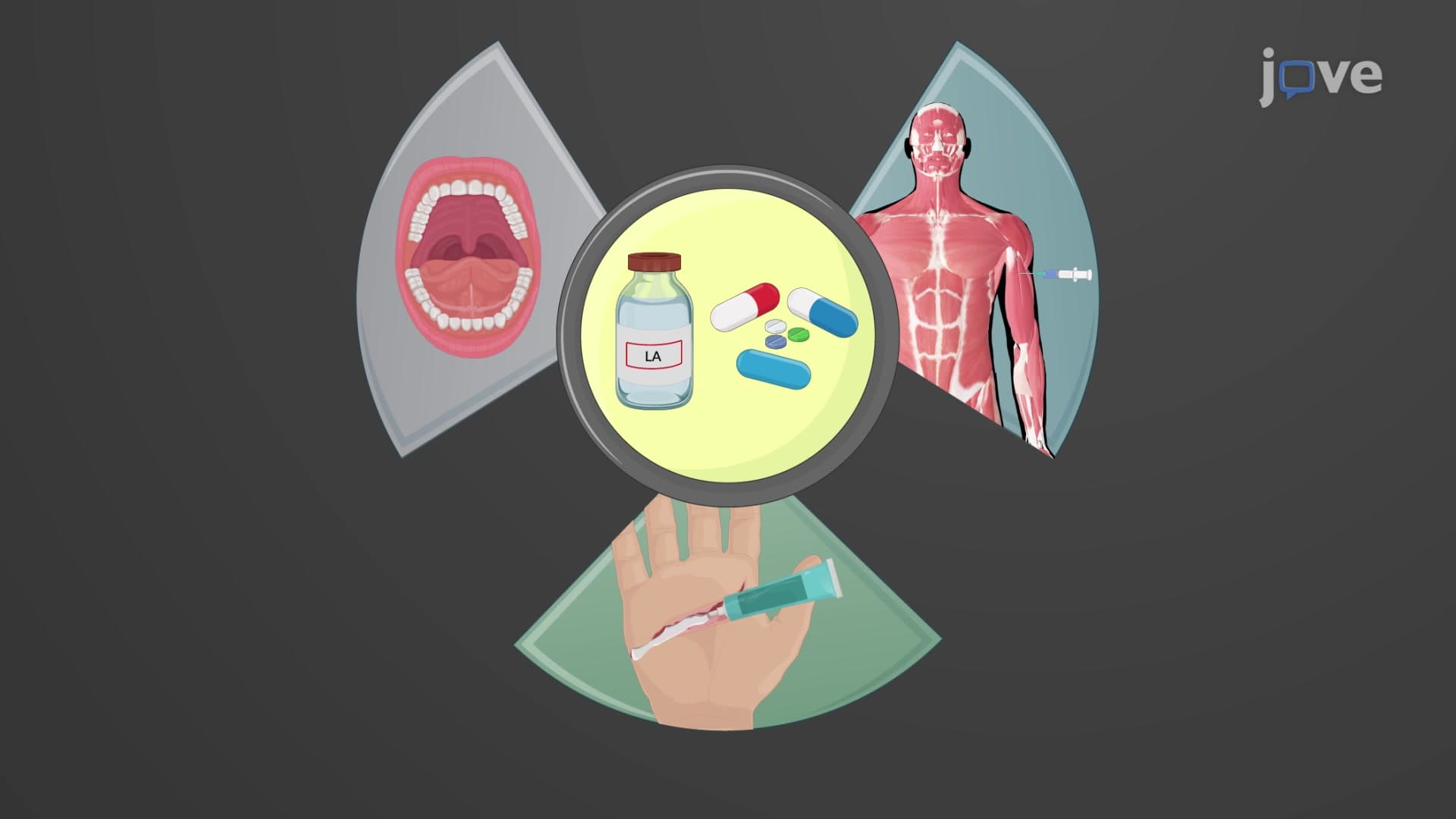
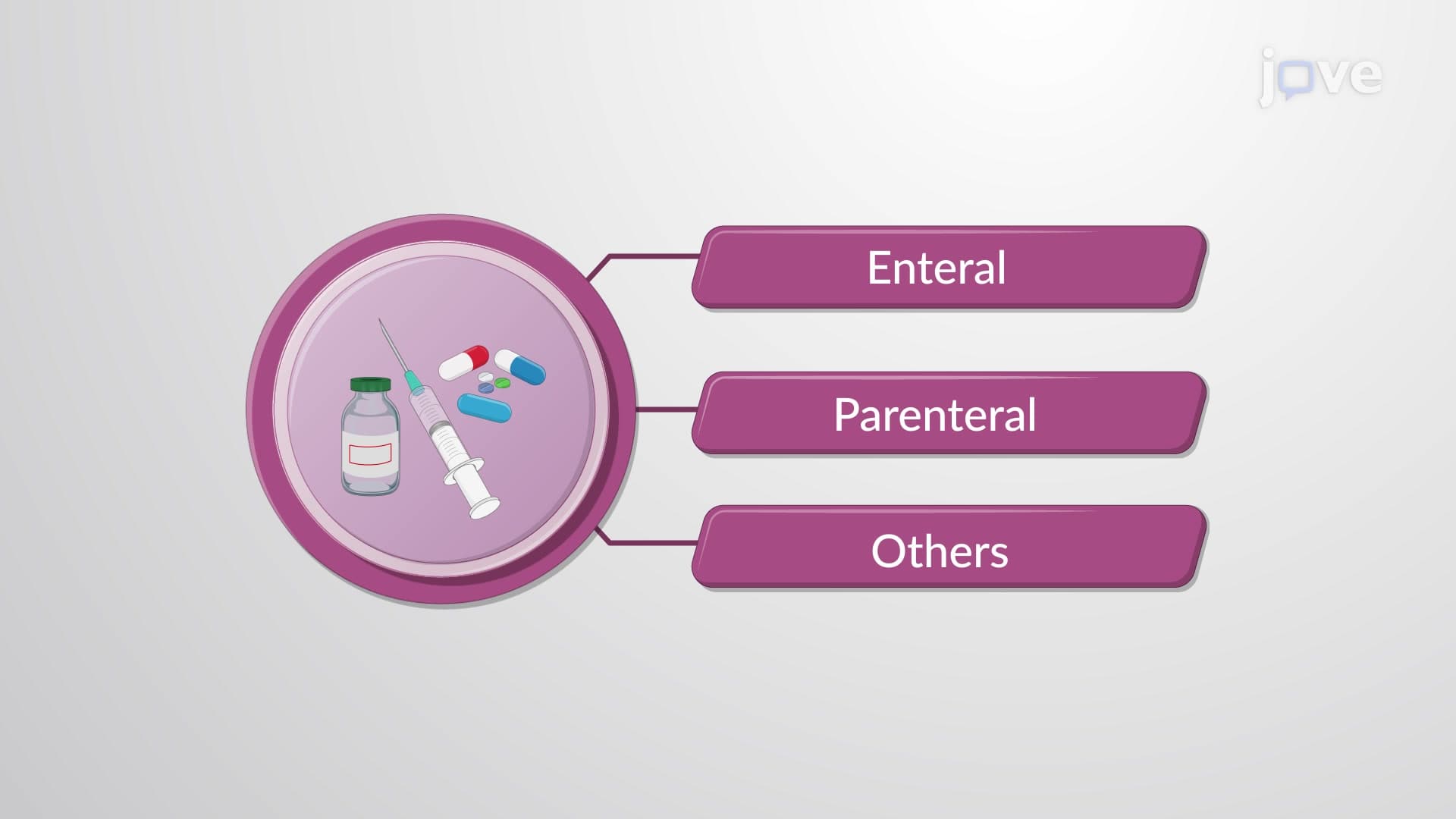
The method of drug delivery fundamentally alters therapeutic response. Intravenous administration provides 100% bioavailability and rapid onset, making it ideal for emergency situations like cardiac arrest protocols used in US hospitals. Oral medications, however, must navigate the gastrointestinal tract and undergo first-pass metabolism in the liver, reducing bioavailability and delaying onset.
This concept frequently appears on MCAT questions testing pharmacokinetics understanding. Students should recognize that sublingual nitroglycerin works faster than oral forms because it bypasses hepatic metabolism through direct absorption into systemic circulation.
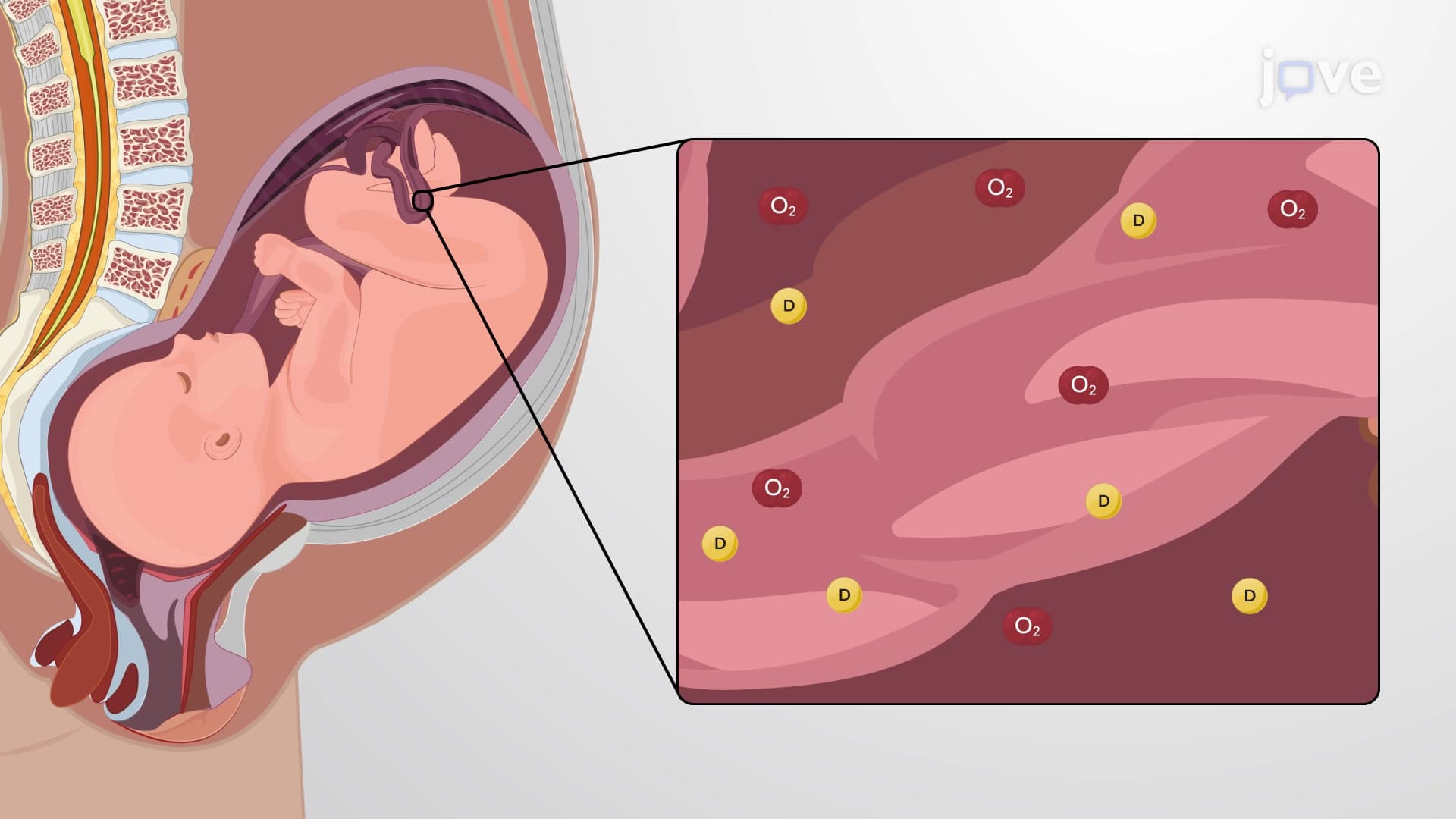
Liver disease profoundly affects drug metabolism, requiring dose reductions and extended dosing intervals. The Child-Pugh classification system, commonly used in US medical centers, helps clinicians adjust medications based on hepatic impairment severity. Pregnancy introduces unique challenges as drugs can cross the placental barrier, potentially causing teratogenic effects. The FDA pregnancy categories (now replaced by the Pregnancy and Lactation Labeling Rule) help guide safe prescribing practices.
Understanding these factors affecting drug response is essential for success in healthcare-related coursework and standardized exams, forming the foundation for safe clinical practice.
Related Micro-courses