Loading subject page…


60,596 views

Video Summary: What Is Drug Classes and Categories
Did you know that aspirin, morphine, and penicillin belong to completely different drug classes categories despite all being life-saving medications? Drug classes categories represent a systematic way to organize thousands of medications based on their chemical structure, therapeutic purpose, and regulatory status. For instance, the FDA classifies ibuprofen as an over-the-counter NSAID, while morphine falls under Schedule II controlled substances due to its abuse potential. Understanding what is drug classes and categories helps healthcare professionals prescribe safely and patients use medications appropriately. Watch the full video on JoVE Coach to master this concept with expert-led visuals and step-by-step explanations.
Drug classes categories serve as the foundation for safe medication practice, regulatory oversight, and clinical decision-making in the United States healthcare system. This classification system organizes thousands of available medications into manageable groups based on three primary criteria: chemical structure, therapeutic application, and legal status. Healthcare professionals, from pharmacists at CVS to physicians at Mayo Clinic, rely on this systematic approach to ensure appropriate prescribing and patient safety.
The most fundamental approach to drug classes and categories definition explained involves grouping medications by their molecular structure or therapeutic purpose. Chemical classification examines the drug's molecular makeup-for example, all beta-lactam antibiotics like amoxicillin and cephalexin share a distinctive four-membered ring structure that defines their mechanism of action against bacterial cell walls. Therapeutic classification, alternatively, groups drugs by their clinical application regardless of chemical differences. Anti-hypertensive medications include ACE inhibitors (lisinopril), calcium channel blockers (amlodipine), and diuretics (hydrochlorothiazide)-chemically distinct compounds unified by their ability to lower blood pressure.
Anti-infective drugs exemplify this dual classification approach perfectly. These medications can be categorized by target organism (antibacterials like azithromycin, antifungals like fluconazole, antivirals like oseltamivir) or by chemical family (penicillins, quinolones, macrolides). This overlap demonstrates why understanding multiple classification systems proves essential for students preparing for the MCAT, pharmacy school entrance exams, or nursing licensure tests like the NCLEX-RN.
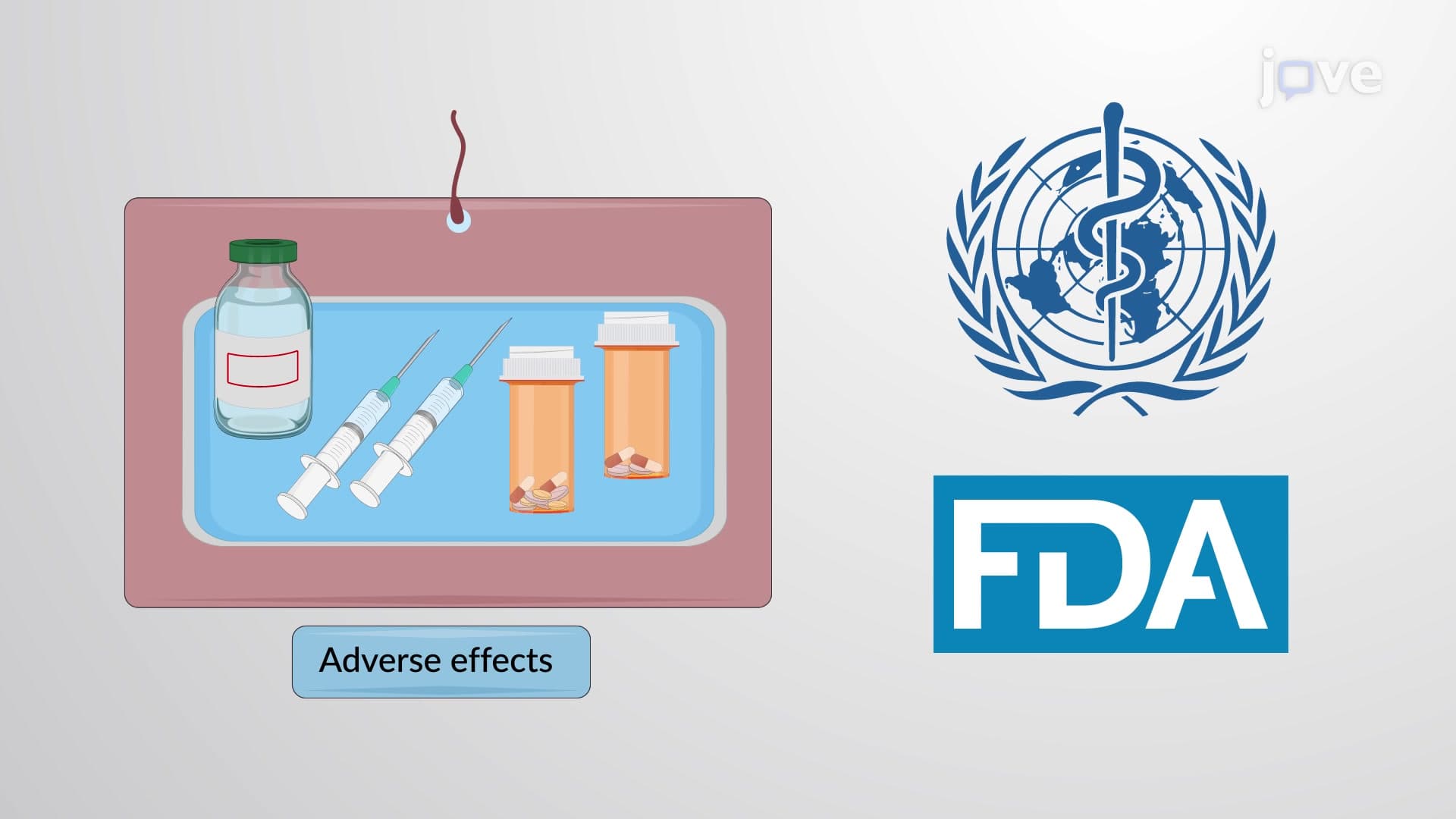
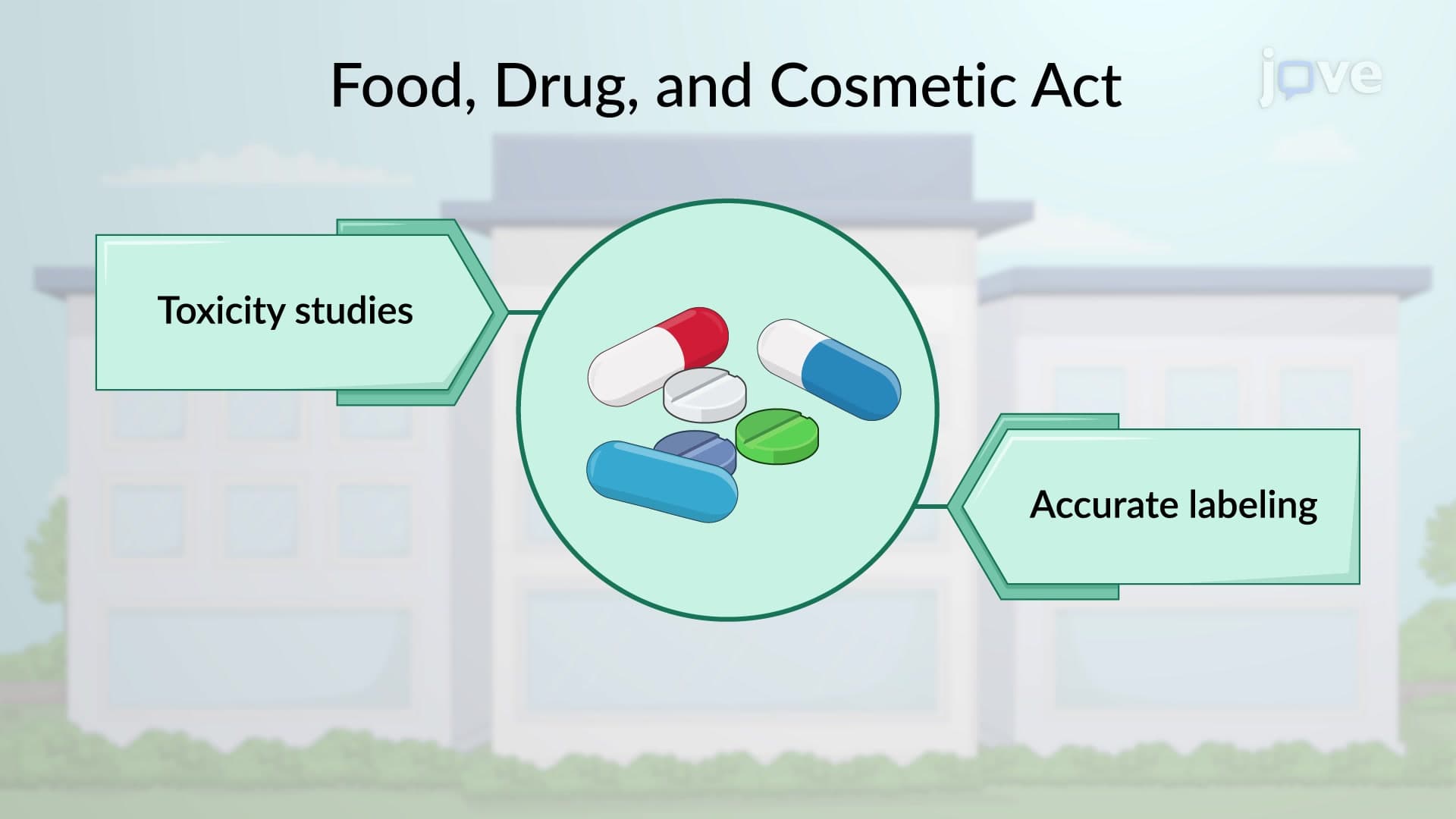
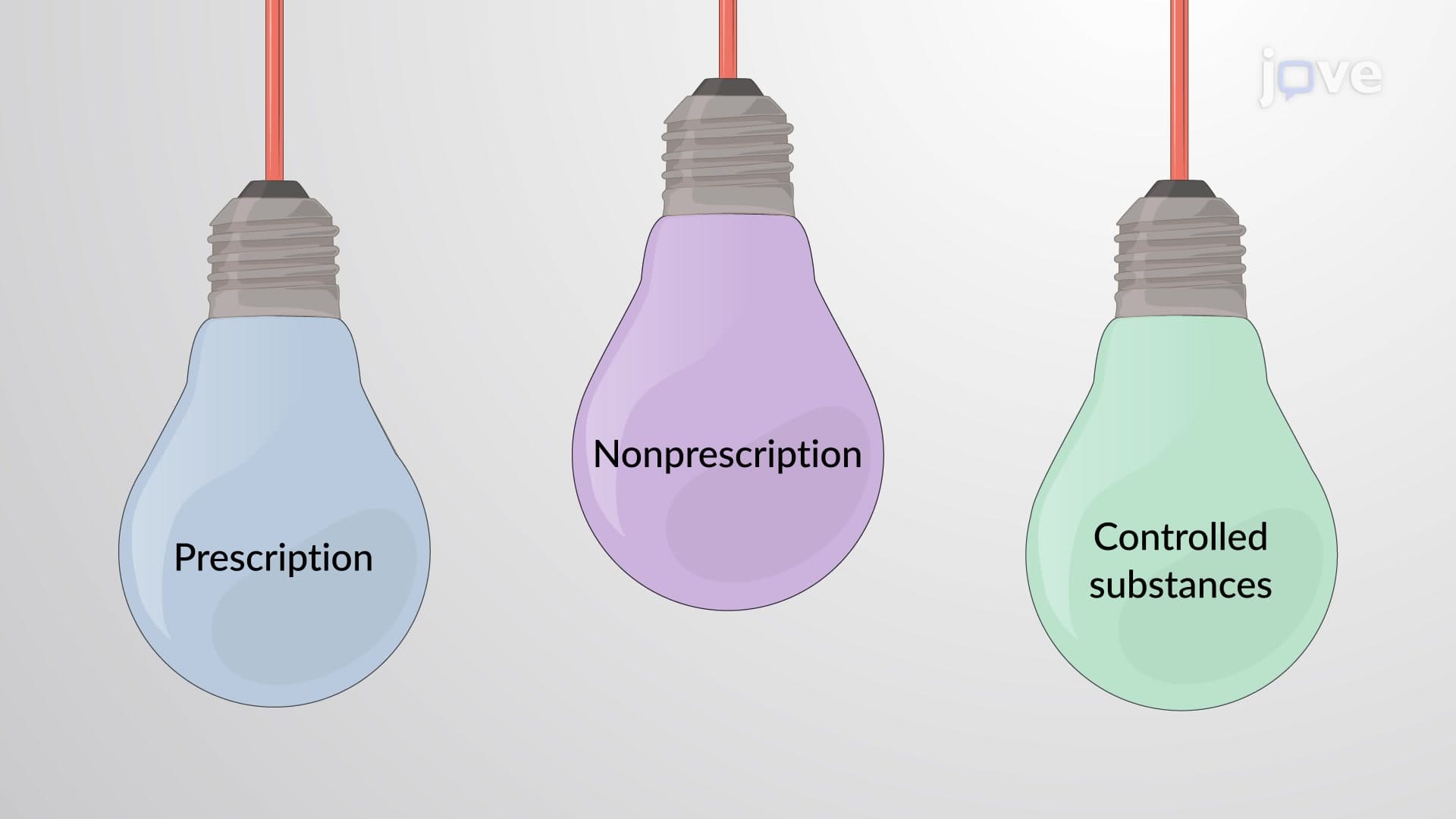
The FDA and DEA establish critical regulatory categories that determine how Americans access medications. Prescription drugs require healthcare provider supervision due to complexity, potential adverse effects, or drug interactions. Examples include antibiotics like ciprofloxacin, which require proper dosing and duration to prevent resistance development, and statins like atorvastatin, which need monitoring for liver function and muscle toxicity.
Over-the-counter (OTC) medications meet FDA safety standards for unsupervised use when following label directions. Common examples include acetaminophen for pain relief, diphenhydramine for allergies, and omeprazole for acid reflux. The FDA's OTC monograph system continuously evaluates these medications' safety profiles based on post-market surveillance data.
Controlled substances represent medications with abuse potential, regulated under the Controlled Substances Act through DEA scheduling. Schedule I drugs like heroin have high abuse potential with no accepted medical use. Schedule II substances like oxycodone and methylphenidate have legitimate medical applications but require special prescribing protocols, including handwritten prescriptions and no refills. Lower schedules (III-V) have decreasing abuse potential and fewer restrictions.
This classification system directly impacts pharmacy operations, healthcare provider licensing, and patient access to necessary medications. Students studying for the HESI A2 or TEAS exams frequently encounter questions about controlled substance scheduling, making this knowledge essential for nursing and healthcare career preparation.
Related Micro-courses