Loading subject page…


60,596 views

Video Summary: What Is Drug Discovery
Did you know that bringing a single new medication to your local pharmacy takes an average of 10-15 years and costs over $2.6 billion? Drug discovery is the complex scientific process that transforms promising molecular compounds into life-saving treatments for diseases affecting millions of Americans. From identifying potential targets like proteins and enzymes to screening thousands of chemical compounds, researchers at institutions like the National Institutes of Health follow systematic steps to develop candidates for clinical testing. Watch the full video on JoVE Coach to master this concept with expert-led visuals and step-by-step explanations.
What is drug discovery represents one of the most challenging and rewarding fields in modern biomedical science. This systematic process transforms basic scientific knowledge about diseases into tangible treatments that can save lives and improve quality of life for patients across America. Unlike simple chemical synthesis, drug discovery requires interdisciplinary collaboration between biochemists, pharmacologists, computational scientists, and clinical researchers working together toward a common therapeutic goal.
The drug discovery process typically spans 10-15 years and involves rigorous testing at each stage. Students preparing for AP Biology, college biochemistry courses, or pre-medical studies should understand that this field combines fundamental chemistry concepts with advanced biological principles. Major pharmaceutical companies like Pfizer, Johnson & Johnson, and Merck invest billions annually in drug discovery research, making this knowledge essential for future careers in biotechnology and healthcare.
The journey begins with target identification, where researchers pinpoint specific molecular components involved in disease processes. These targets often include enzymes like kinases involved in cancer cell growth, neurotransmitter receptors affecting mental health conditions, or viral proteins essential for pathogen survival. For example, researchers studying Alzheimer's disease might target beta-amyloid plaques or tau proteins found in patients' brain tissue.
Modern target identification relies heavily on genomics, proteomics, and bioinformatics approaches. Students should appreciate how computational methods, including artificial intelligence and machine learning algorithms, now accelerate this traditionally time-intensive process. Universities like Stanford and MIT have pioneered computational drug discovery programs that combine computer science with pharmaceutical research.
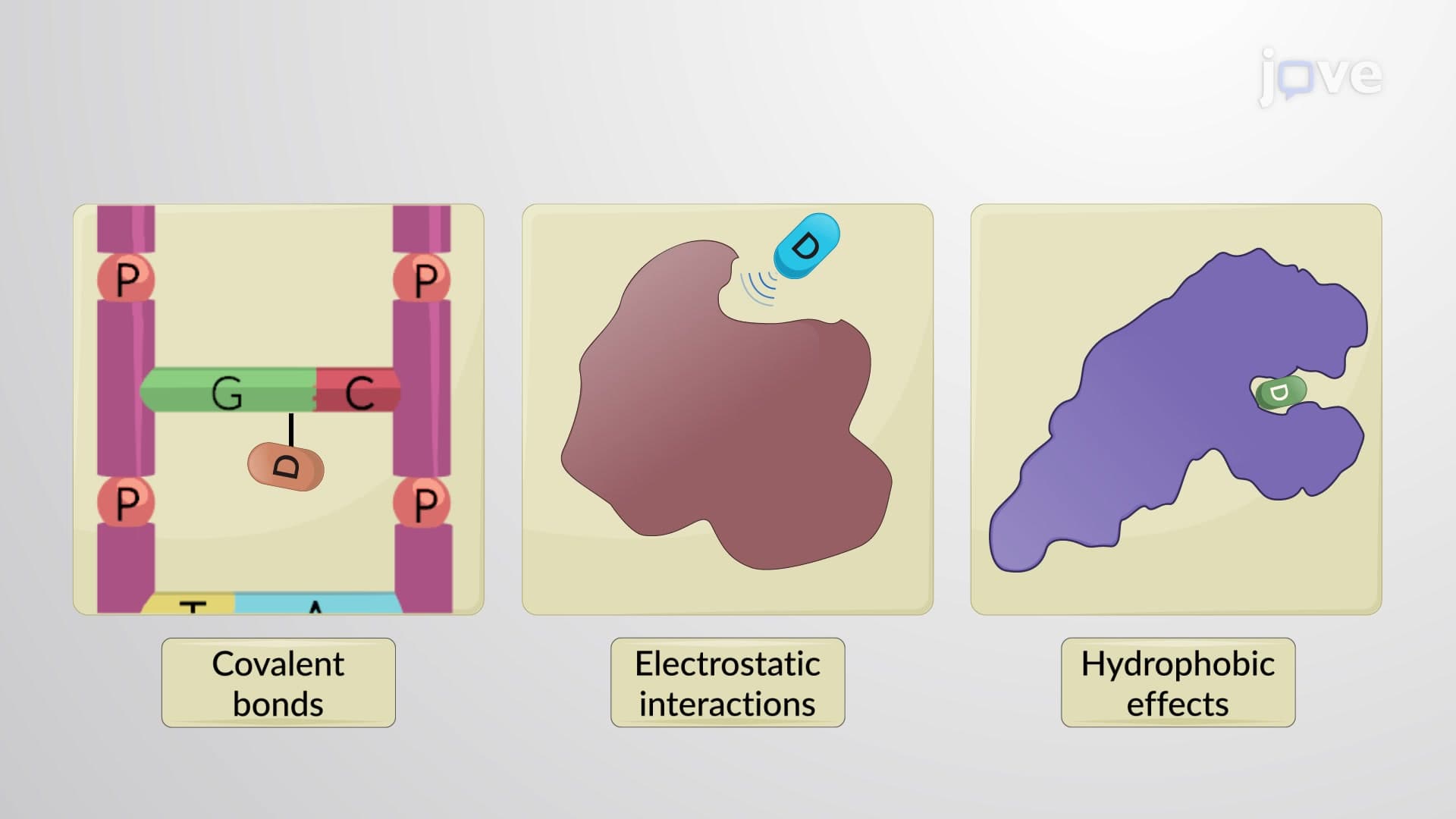
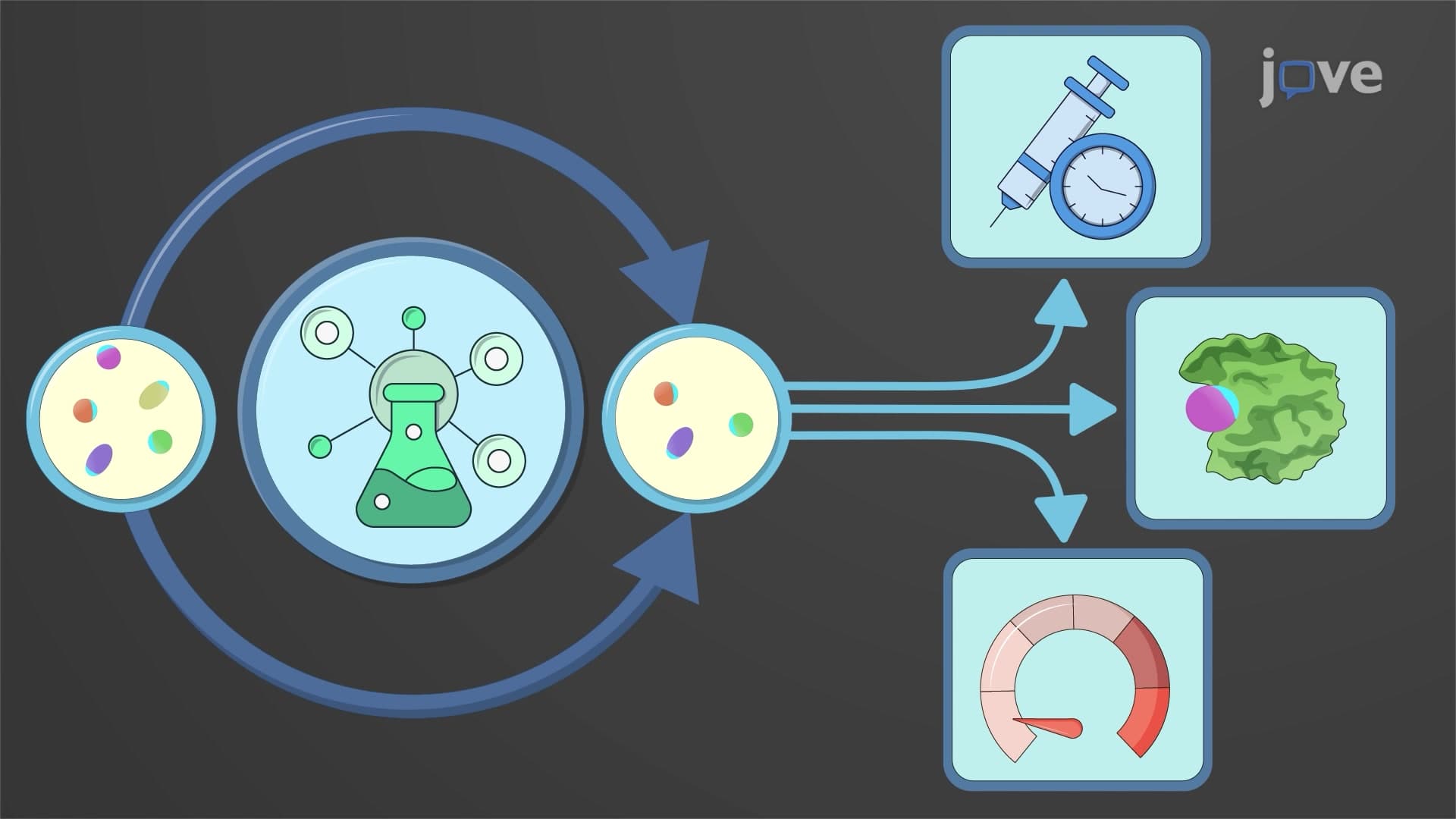
Once researchers identify promising molecular targets, they screen massive chemical libraries containing thousands to millions of compounds. High-throughput screening (HTS) techniques allow scientists to test these compounds rapidly using automated robotic systems. This process identifies "hits", molecules showing initial binding activity to the target.
The transition from hits to leads involves extensive chemical modification and optimization. Medicinal chemists systematically alter molecular structures to improve binding affinity, reduce toxicity, and enhance drug-like properties. Students studying organic chemistry will recognize how concepts like stereochemistry, functional group modifications, and structure-activity relationships directly apply to lead optimization. This stage often eliminates 90% or more of initial hit compounds.
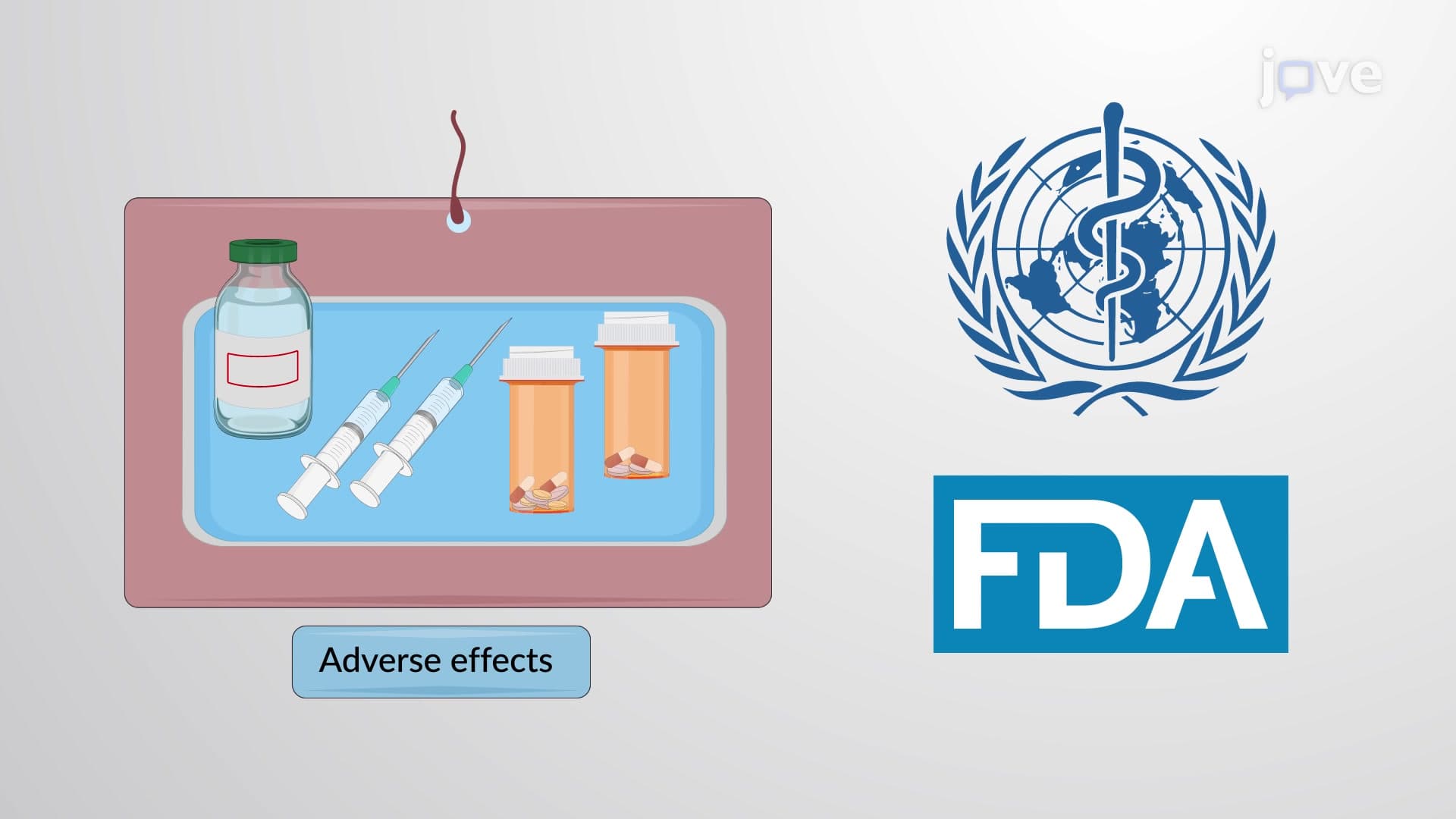
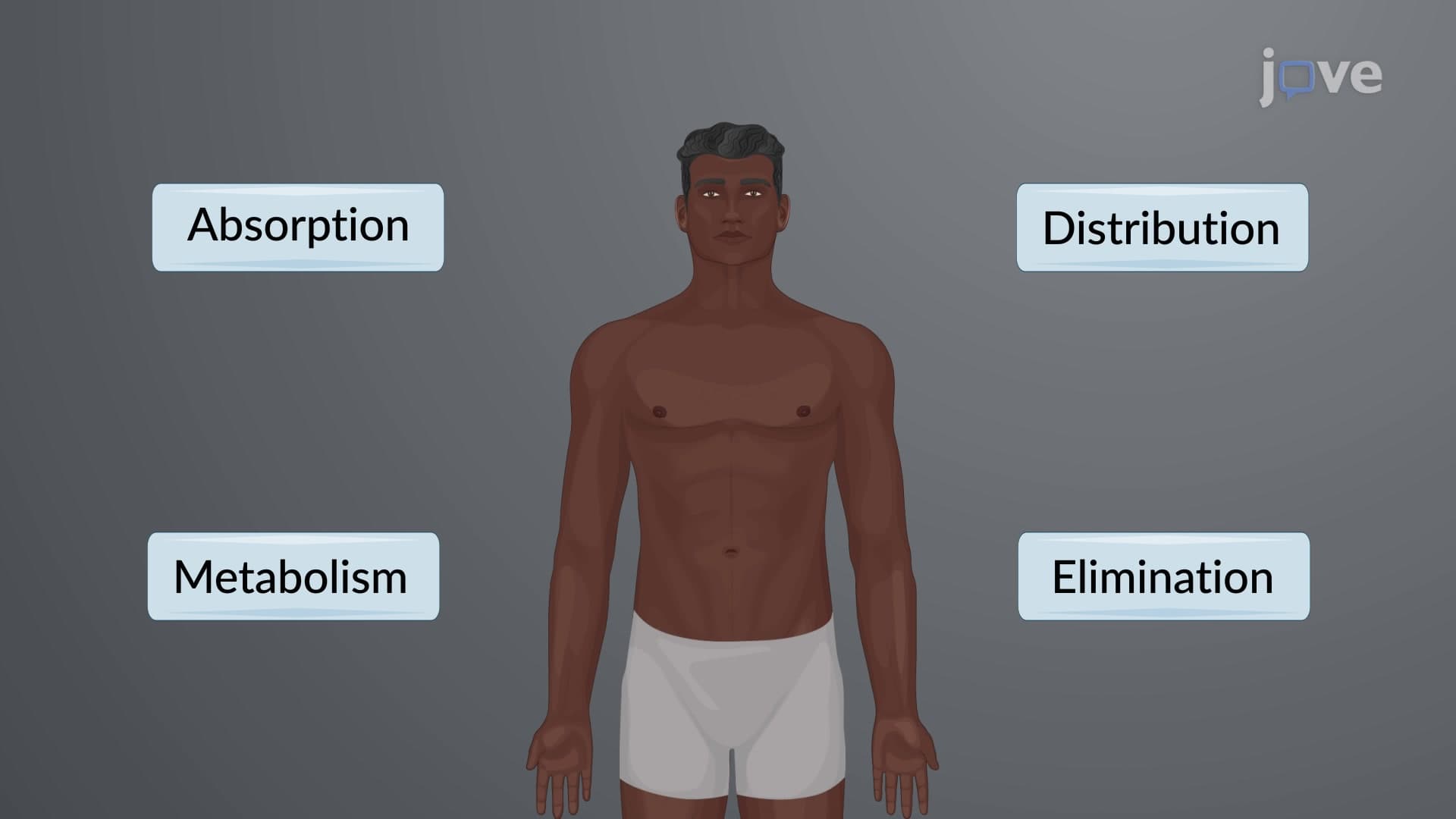
The final stage produces drug candidates suitable for clinical testing in humans. These compounds must demonstrate appropriate pharmacokinetic properties, including absorption, distribution, metabolism, and excretion (ADME) characteristics. Candidates also undergo extensive safety testing in cell cultures and animal models before advancing to FDA-regulated clinical trials.
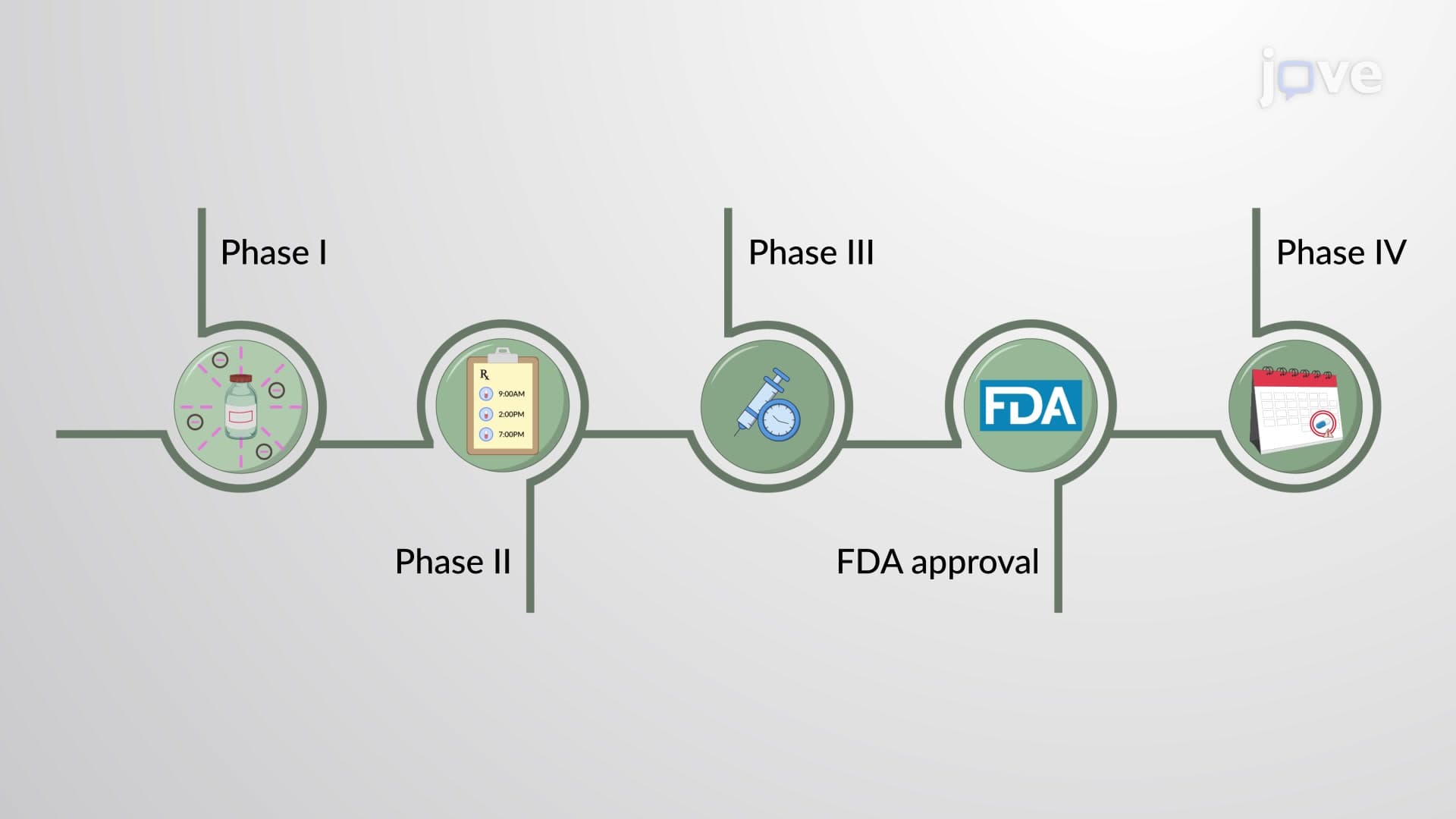
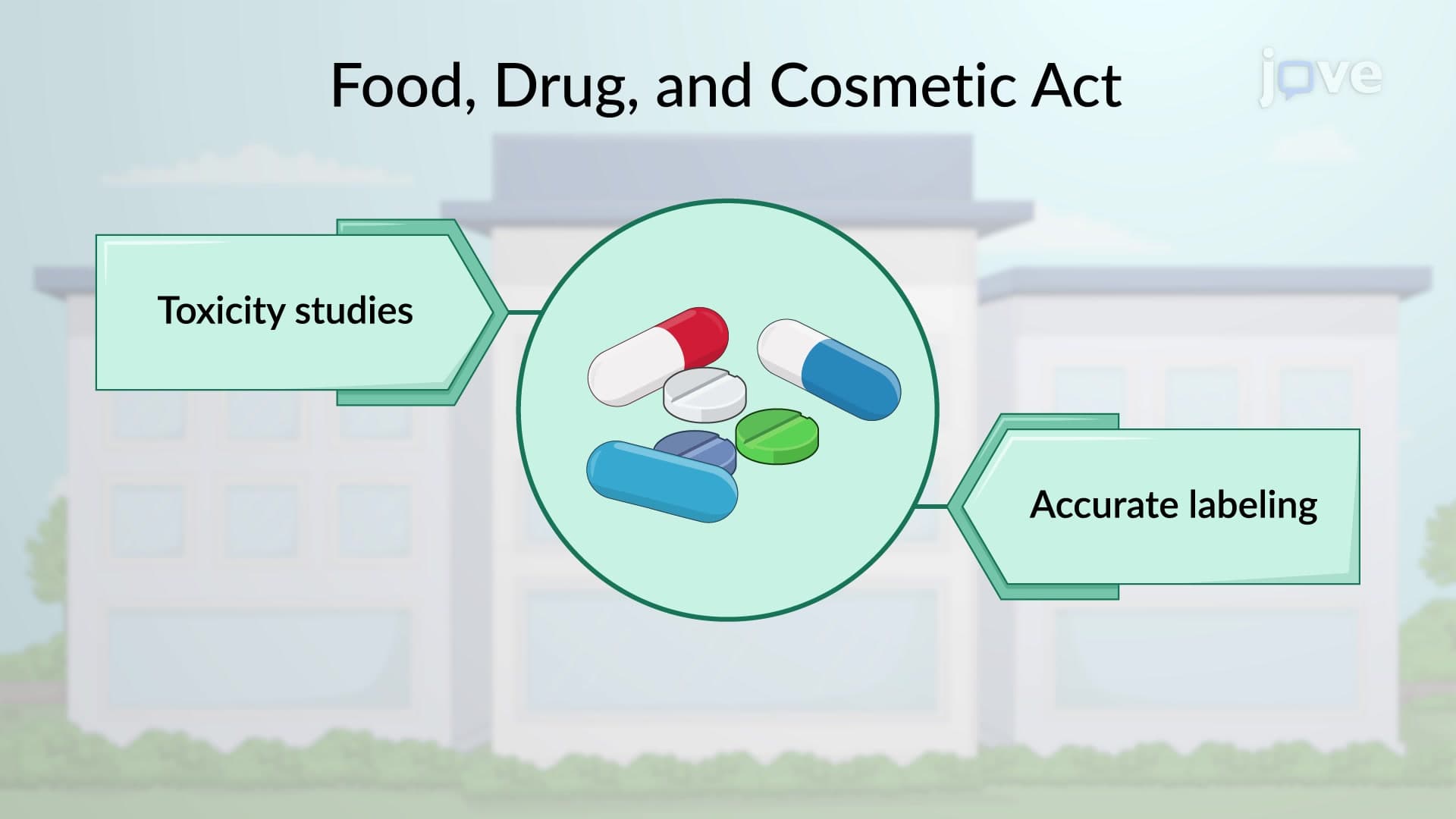
Students should understand that drug discovery connects directly to regulatory science and clinical medicine. Successful candidates proceed through Phase I, II, and III clinical trials, topics frequently covered in MCAT preparation and graduate-level pharmacology courses. The FDA's rigorous approval process ensures that new medications meet safety and efficacy standards before reaching American patients.
Related Micro-courses