Loading subject page…


60,596 views

Video Summary: What Is Drug Receptor Interactions
Did you know that aspirin works by blocking just one specific receptor, preventing your body from producing pain-causing chemicals? Drug receptor interactions form the foundation of how every medication-from over-the-counter pain relievers to life-saving insulin-produces its effects in your body. Understanding what is drug receptor interactions reveals why some drugs work better than others and how pharmaceutical companies design targeted treatments. This fundamental concept in pharmacology explains the molecular handshake between drugs and cellular receptors that determines whether a medication will help or harm. Watch the full video on JoVE Coach to master this concept with expert-led visuals and step-by-step explanations.
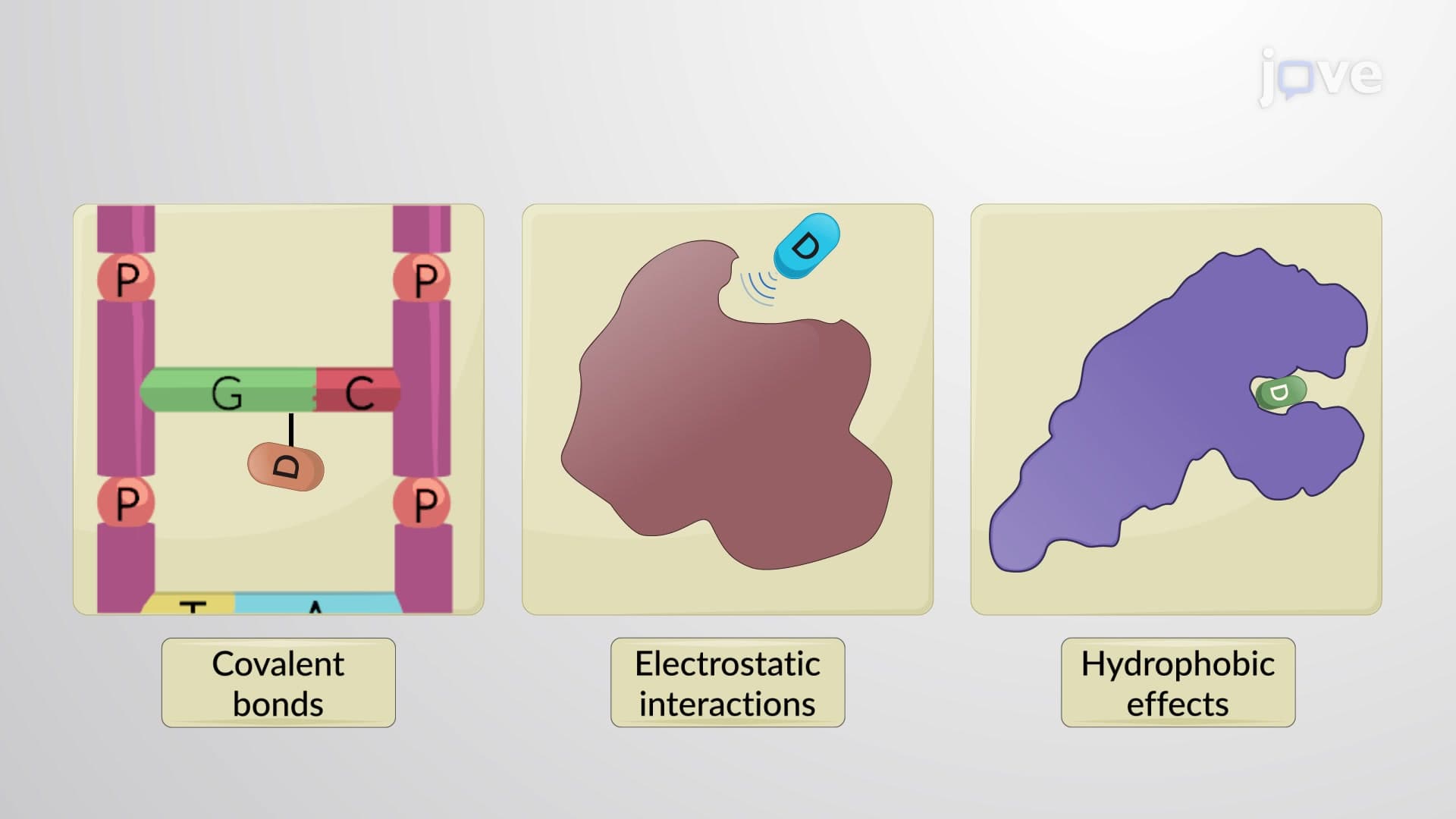
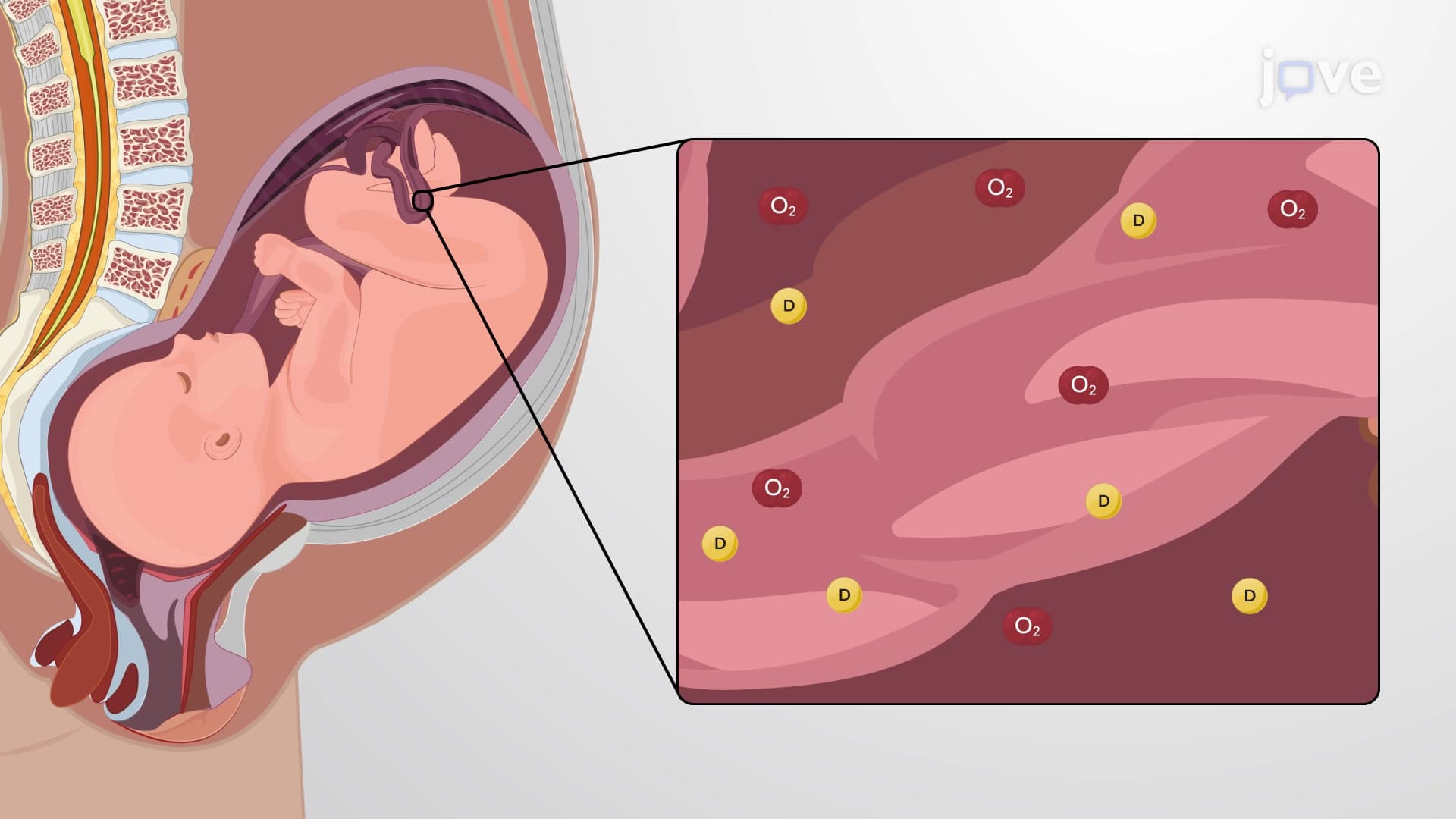
Drug receptor interactions represent one of the most critical concepts in modern pharmacology and medicine. At its core, this process involves a drug molecule binding to a specific protein receptor on or within a cell, triggering a cascade of molecular events that ultimately produces the drug's therapeutic effect. Think of it as a highly specific lock-and-key mechanism, where only the right drug (key) can properly activate the right receptor (lock).
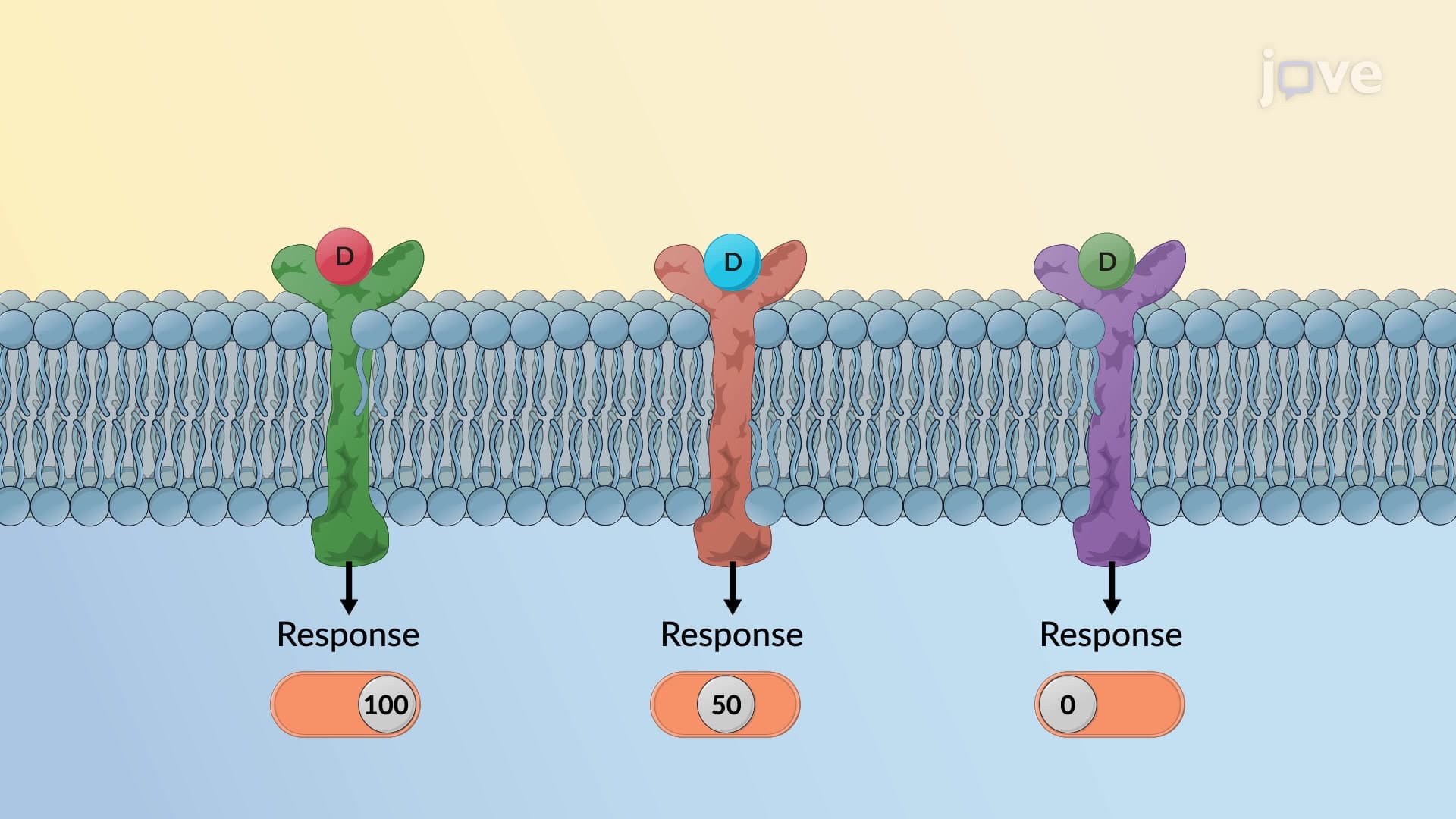
Two fundamental properties determine how successful a drug receptor interaction will be. Affinity measures how tightly a drug binds to its receptor-high-affinity drugs like fentanyl can produce effects even at extremely low concentrations, while low-affinity drugs require much higher doses. Efficacy, on the other hand, determines the drug's ability to activate the receptor and produce a cellular response once binding occurs. These concepts frequently appear on the MCAT and AP Biology exams, where students must predict drug effects based on binding characteristics.
Understanding drug classification is essential for anyone studying pharmacology. Agonists are drugs that bind to receptors and activate them fully, producing maximum cellular responses. For example, morphine acts as an agonist at opioid receptors, providing powerful pain relief. Partial agonists like buprenorphine bind to the same receptors but can only produce submaximal responses, even when all receptors are occupied-making them safer for treating opioid addiction. Antagonists such as naloxone (Narcan) bind to receptors without activating them, effectively blocking the effects of other drugs and serving as antidotes in overdose situations.
These principles directly impact patient care across American healthcare systems. Emergency physicians rely on understanding drug receptor interactions when choosing between different pain medications, considering both the patient's condition and the drug's binding properties. The concept also explains why some patients require higher doses of certain medications-their individual receptor sensitivity or drug metabolism may affect the interaction efficiency. This knowledge proves invaluable for students preparing for healthcare careers and standardized exams like the USMLE or NCLEX.
Related Micro-courses