Loading subject page…


60,596 views

Video Summary: What Is Drug Regulation
Did you know that a simple cough syrup once killed over 100 people in the United States? Drug regulation is the systematic process of controlling medications through rigorous safety and efficacy evaluations by government agencies like the FDA. This comprehensive oversight system emerged from tragic incidents, including the 1937 Elixir Sulfanilamide disaster, which fundamentally transformed how America ensures pharmaceutical safety. What is drug regulation today involves mandatory testing phases, risk-benefit analyses, and strict approval protocols that protect millions of patients. Watch the full video on JoVE Coach to master this concept with expert-led visuals and step-by-step explanations.
What is drug regulation in the modern pharmaceutical landscape? Drug regulation represents a comprehensive system of controls, standards, and oversight mechanisms designed to ensure that medications reaching American consumers are both safe and effective. This regulatory framework extends far beyond simple quality control-it encompasses every stage from initial drug discovery through post-market surveillance, creating multiple safety nets that protect public health.
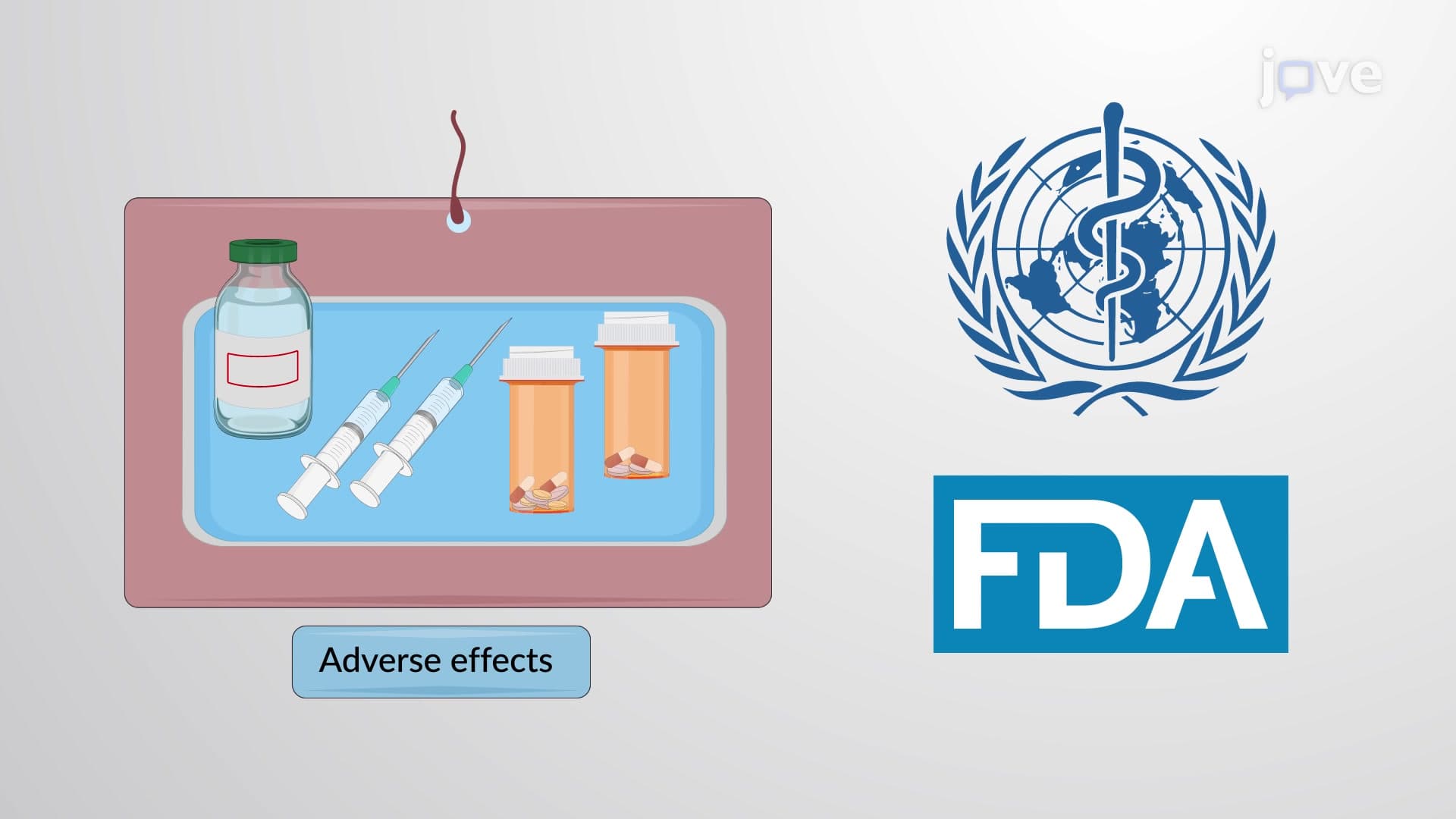
The regulatory process involves rigorous scientific evaluation, clinical testing protocols, manufacturing standards, and ongoing monitoring systems. In the United States, the Food and Drug Administration (FDA) serves as the primary regulatory body, wielding authority to approve, reject, or withdraw medications based on scientific evidence and risk assessments.
The modern drug regulation system emerged from devastating public health crises that exposed dangerous gaps in pharmaceutical oversight. The 1937 Elixir Sulfanilamide tragedy stands as a watershed moment in American regulatory history. A Tennessee pharmaceutical company created a liquid formulation of sulfanilamide using diethylene glycol-a toxic compound also found in antifreeze-as a solvent. This sweet-tasting "medicine" killed 107 people, including many children, within months of its release.
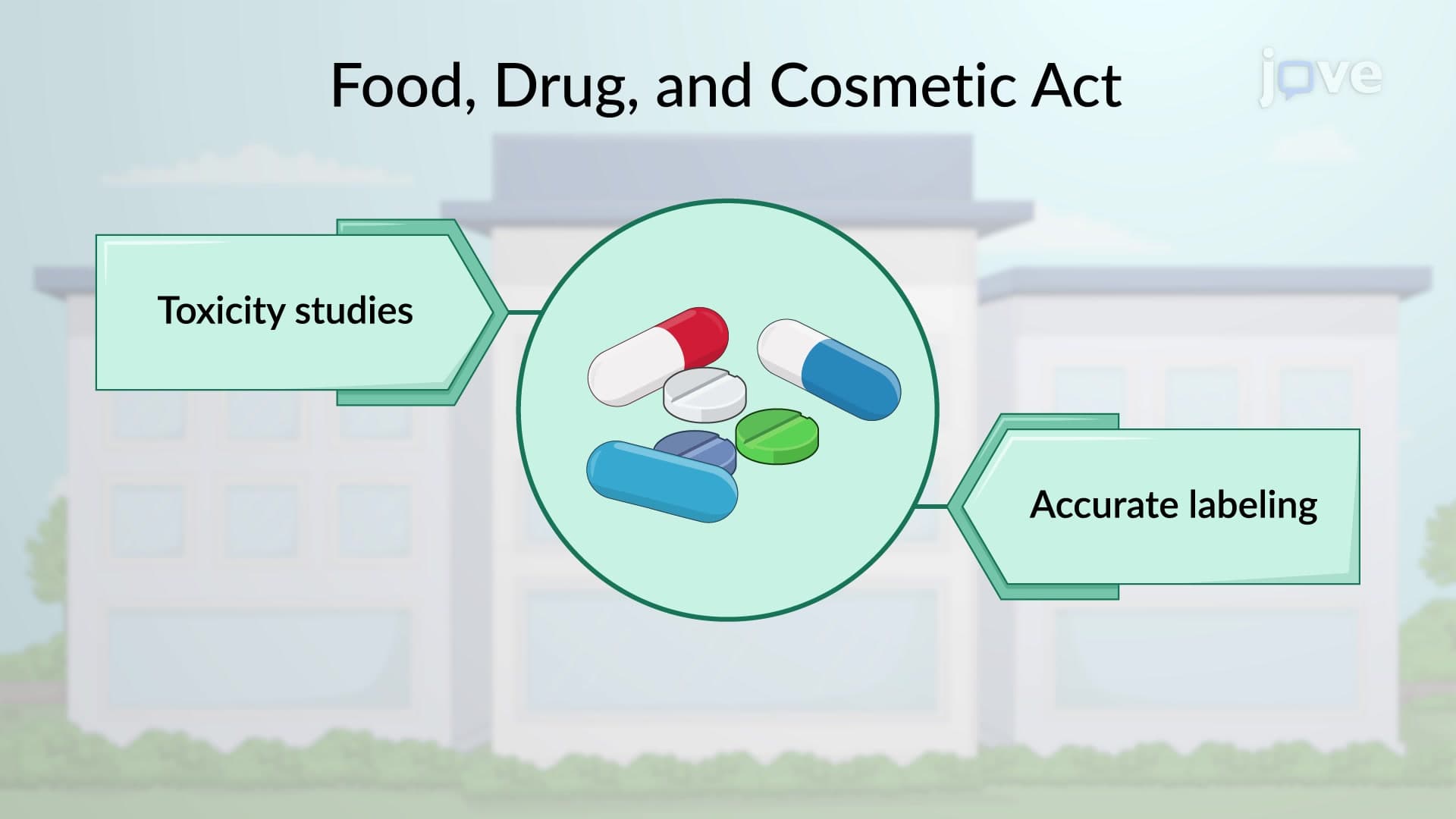
This disaster directly led to the passage of the Food, Drug, and Cosmetic Act of 1938, which fundamentally transformed pharmaceutical regulation by requiring manufacturers to demonstrate drug safety before marketing. However, this legislation still didn't address efficacy-drugs only needed to be safe, not necessarily effective.
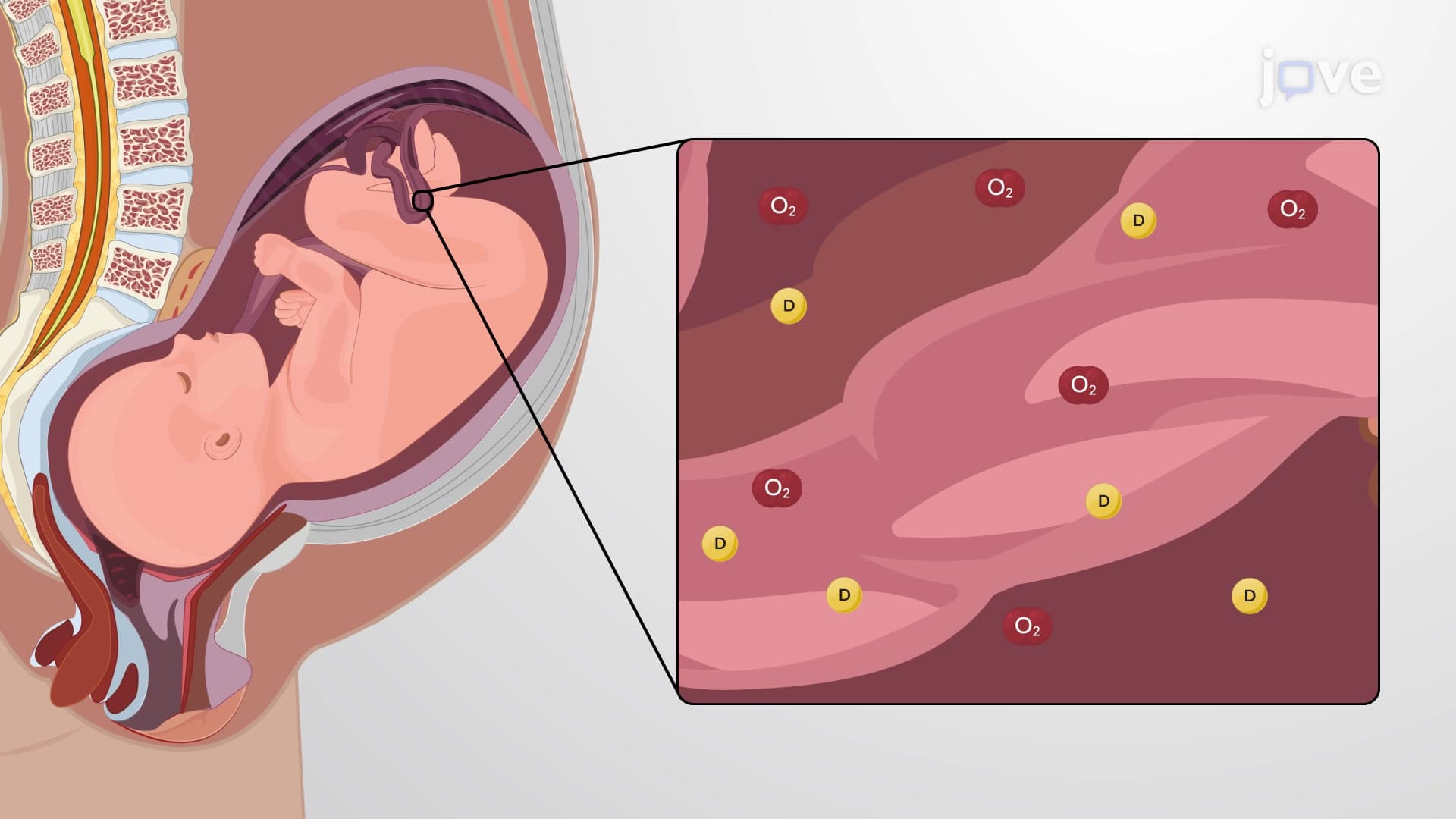
The thalidomide crisis of the early 1960s further revolutionized drug regulation. While this sedative caused severe birth defects in thousands of babies worldwide, the United States largely avoided this tragedy due to FDA scientist Frances Kelsey's refusal to approve the drug. Nevertheless, the crisis prompted Congress to pass the Kefauver-Harris Amendments in 1962, which mandated that manufacturers prove both safety AND efficacy before drug approval.
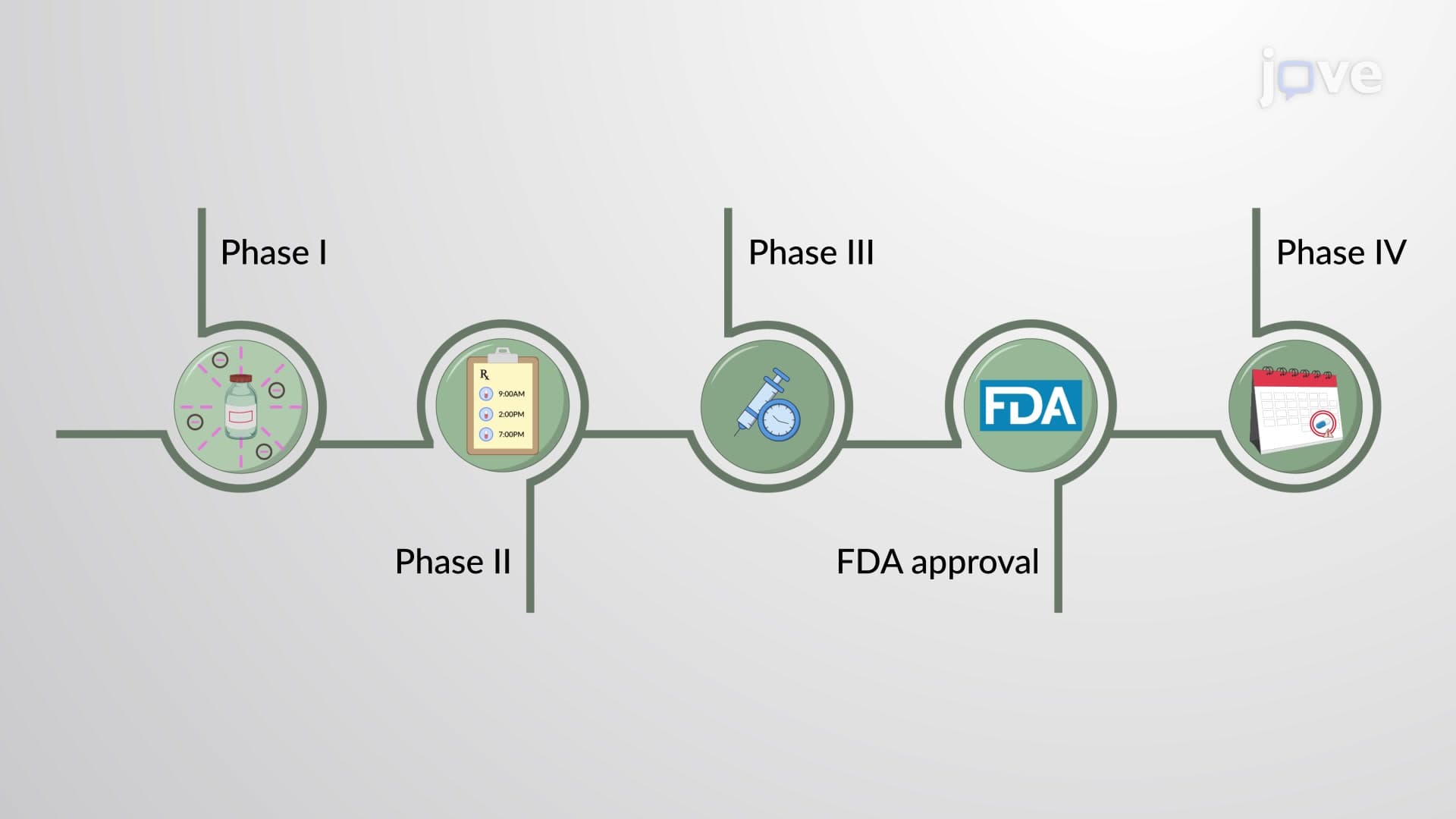
Today's drug regulation system operates through a structured pathway that includes preclinical research, Investigational New Drug (IND) applications, and phased clinical trials. Students preparing for the MCAT or pharmacy school admissions should understand that this process typically takes 10-15 years and costs hundreds of millions of dollars per approved medication.
The IND application represents a critical milestone where pharmaceutical companies submit preclinical data-including animal testing results-to the FDA before beginning human trials. This requirement ensures that potential treatments demonstrate reasonable safety profiles in laboratory settings before exposing human volunteers to experimental drugs.
Risk-benefit analysis has become central to modern drug regulation, appearing frequently on AP Biology exams and college pharmacology courses. Regulatory agencies must weigh a drug's potential therapeutic benefits against its known risks, considering factors like disease severity, available alternatives, and patient population characteristics.
Related Micro-courses